


















Knowledge Center: Your Go-To Resource for ADUs and Tiny Living
Knowledge Center: Your Go-To Resource for ADUs and Tiny Living
Email [email protected]
Phone 860-TINY-HOM (es)
How To Know If Your Connecticut Property Is Ready for an ADU
Adding an ADU can sound simple at first.
You may want a private place for a parent. You may need an in law suite for family. You may want rental income. You may be thinking about future downsizing. Or you may have extra land and want to use it in a smarter way.
But before you choose a floor plan, ask one bigger question.
Is your property actually ready for an accessory dwelling unit?
That answer depends on more than open space in the backyard. It depends on your town rules, lot layout, setbacks, driveway access, utilities, septic system, budget, and the type of ADU you want to build.
For many Connecticut homeowners, the first step is not design. It is feasibility.
This guide will help you understand what makes a property ready for an ADU, what to check before you build, what affects cost and timeline, and what mistakes to avoid before you move forward.
Is Your Property Ready for an ADU?
The direct answer is: maybe.
Some properties are strong candidates for a backyard ADU. Others need a closer review before the answer is clear.
A property may be ready for an ADU if there is enough usable space, clear access, a workable utility path, and a location that does not conflict with setbacks, wetlands, septic, drainage, or parking.
A good ADU site is not always the largest lot. It is the lot that can support the project in a practical way.
The unit needs a place to go. Construction crews need access. Utilities need a path. The town needs to approve the plan. The finished ADU also needs to work for daily use.
That is why a generic answer online is not enough. Your property needs to be reviewed as a real site.
A backyard ADU for a parent may need one level living, no steps, privacy, and a separate entrance. A rental ADU may need parking, storage, and a layout that works for long-term tenants. A future downsizing ADU may need comfort, flexibility, and a design that can serve more than one stage of life.
The use case matters.
A property is not truly ready just because there is open land. It is ready when the lot, rules, budget, and purpose all start to line up.
Steps To Check Before Building an ADU
1. Start with the reason for the ADU
Before you think about size, start with the reason.
Are you building a granny pod for a parent? Do you need an in law suite with privacy? Are you trying to create rental income? Do you want a private small home on the property for an adult child? Are you planning to live in the ADU later?
Each goal leads to a different design.
A parent may need one level living, wider pathways, fewer steps, and easy access to the main home. A tenant may need a separate entrance, parking, and a layout that feels independent. A family guest space may need comfort and privacy, but not the same long-term setup as a rental.
This first step helps avoid wasted time.
If the ADU is meant for family, the design should support the family need. If it is meant for income, the plan should support a renter. If it is meant for future flexibility, the layout should work for more than one use over time.
2. Look at where the ADU could actually go
The next step is to review the lot.
Where could the ADU sit? How close would it be to the main home? Can construction equipment reach that area? Is the yard flat or sloped? Are there trees, ledge, wetlands, drainage issues, or narrow side yards?
These details matter.
A detached ADU may look simple in photos. But on a real property, placement can be limited by setbacks, access, septic, utilities, and local rules.
An attached ADU may be a better fit for some homes. A garage conversion may work for others. In some cases, an addition may be easier than a separate backyard structure.
The best option depends on the property.
This is why homeowners should avoid falling in love with one layout too early. A design may look perfect online, but the lot has to support it.
3. Check local ADU rules
In Connecticut, ADU rules can vary by town.
Some towns may allow detached ADUs. Some may limit size. Some may have parking rules. Some may treat attached and detached units differently. Some may also have design standards, owner occupancy rules, or review steps that affect the process.
This is one of the biggest reasons to start with an ADU feasibility review.
You need to know what is allowed before you spend time on detailed plans.
The key questions are simple.
Can you build an ADU on the property at all? Can it be attached or detached? How large can it be? Where can it go? What approvals are needed? Are there limits that affect your intended use?
A full-service ADU contractor can help you understand the right questions to ask and what the next step should be.
4. Review utilities early
Utilities can have a major impact on the project.
Water, sewer, electric, trenching, and tie ins all need to be reviewed. If the ADU is far from the main home, utility runs may be longer. That can affect cost and site work.
If the property uses public sewer, the review may be different than a property with septic. If the property has a well, that may also need review. Electric service may need to be checked as well.
This is not the part of the project most homeowners think about first.
But it is one of the most important.
The ADU needs to function as a real living space. That means utilities cannot be an afterthought.
5. Check septic before you go too far
Septic can be one of the biggest unknowns in an ADU project.
If your home uses septic, the system may need to support the added bedroom count or use. The location of the tank, leach field, reserve area, and nearby build area may also affect placement.
This does not mean septic always stops a project.
It means septic should be reviewed early.
Waiting too long can create frustration. A homeowner may spend time thinking through layouts and finishes, only to learn later that septic changes the plan.
If septic is part of your property, bring it up at the start.
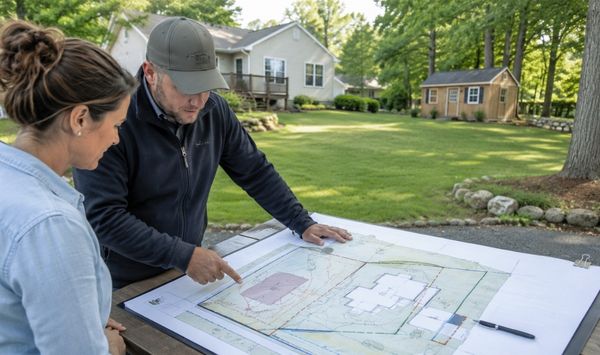
6. Gather your property documents
A current survey can be very helpful.
So can septic records, site plans, prior permits, maps, and any town documents you already have.
Do not worry if you do not have everything. Many homeowners do not. But the more information available at the start, the easier it is to understand what may be possible.
A survey can help show property lines, structures, easements, and lot conditions. Septic records can help identify system location and capacity. Prior permits can help explain what was approved in the past.
These documents help move the conversation from guessing to planning.
7. Think about access and daily use
Property readiness is not only about approval.
It is also about how the ADU will work after it is built.
Will the person living there have a clear path to the unit? Is there safe access from the driveway? Will the entrance feel private? Is there enough room for parking if needed? Will the layout support the person who will use it?
For a parent, access may be about comfort and safety. For a tenant, it may be about privacy. For future downsizing, it may be about ease of use over time.
The best ADU projects solve real life problems.
They do not just add square footage.
Want to know whether your property is a fit for an ADU? Schedule a consultation with Contemporary Tiny Homes to review feasibility, layout options, site concerns, and next steps before you invest in detailed plans.
ADU Cost, Timeline, and What To Expect
ADU cost depends on more than the unit itself.
The full investment may include design, permits, foundation, site work, utilities, septic, grading, drainage, driveway access, appliances, finishes, inspections, and other property-specific needs.
That is why a starting price should not be treated as the full answer.
A better question is this:
What is included, what is not included, and what could add cost later?
This is where many homeowners get nervous. They do not only want a low number. They want the real number. They want to understand what the price covers and where surprises could happen.
Site work is often one of the biggest variables.
A flat and accessible lot may be more straightforward. A narrow lot, long utility run, steep grade, wet area, or septic issue may require more work. These details can change the plan and the investment.
Permits and approvals also affect the timeline.
The full ADU building process can include a home visit, feasibility review, concept planning, design, pricing, town review, permits, site preparation, construction, inspections, and final approval.
Construction is only one part of the timeline.
Homeowners should also plan time for review, decisions, documents, and approvals.
A good process should feel clear. You should know what happens first. You should know what information is needed. You should know when pricing becomes more specific. You should know who handles permits and what decisions you need to make.
This is especially important if the ADU is tied to a family need.
If a parent is moving closer, if a health issue is involved, or if a home sale is creating pressure, the timeline matters. The more clearly the process is explained, the easier it is to plan.
For rental use, timing matters too. You may be thinking about income, return on investment, or when the unit could be occupied. A realistic timeline helps you make better financial decisions.
The goal is not just to build an ADU.
The goal is to know what is possible, what it may cost, how long it may take, and whether it solves the problem you are trying to fix.
Mistakes To Avoid Before You Build
Mistake 1: Starting with the floor plan
A floor plan is important. But it should not come first.
The lot should guide the plan. So should setbacks, utilities, septic, access, and town rules.
If you start with a layout before the property is reviewed, you may choose something that cannot be built where you want it.
Start with feasibility. Then move into design.
Mistake 2: Assuming every town has the same rules
Local rules matter.
Do not assume that what worked for a friend in another town will work on your property. Size, placement, parking, and approval steps may be different.
This is why town-specific review is important.
Mistake 3: Comparing only base prices
Two ADU quotes can look very different if they include different things.
One quote may include design support, permits, site work, or appliances. Another may leave some of those items out. That can make a lower price look better than it really is.
Always ask what is included. Then ask what is not included.
Also ask what could increase later.
Mistake 4: Ignoring septic and utility distance
Septic and utilities can change a project.
A long utility run can add cost. Septic review can affect placement. Drainage and grading can also affect the work.
These items should be discussed early, not after the design is mostly done.
Mistake 5: Waiting to involve family decision makers
Many ADU projects involve more than one decision maker.
A spouse, parent, adult child, co-owner, or future tenant may need to weigh in. If they are not part of the conversation early, the project can slow down later.
This is common when the ADU is being built for a parent.
The homeowner may be ready, but the parent may have concerns about privacy, safety, layout, or independence. Those concerns should be heard early.
Mistake 6: Treating photos as proof of fit
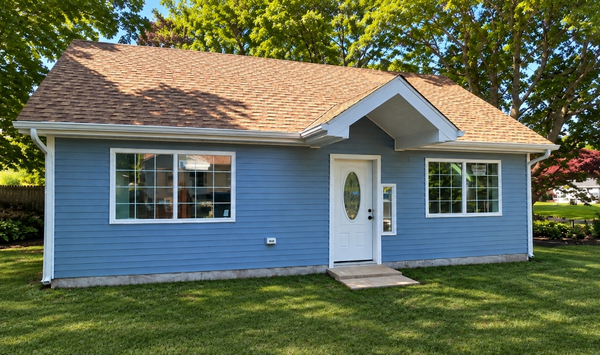
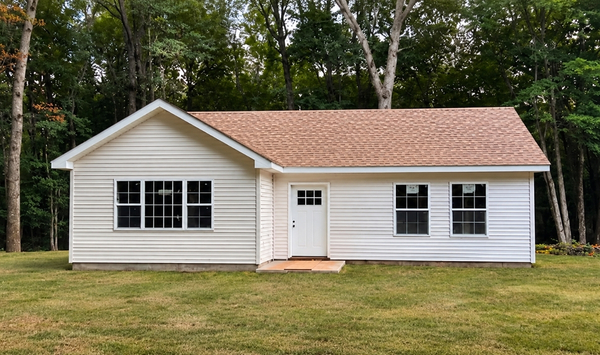
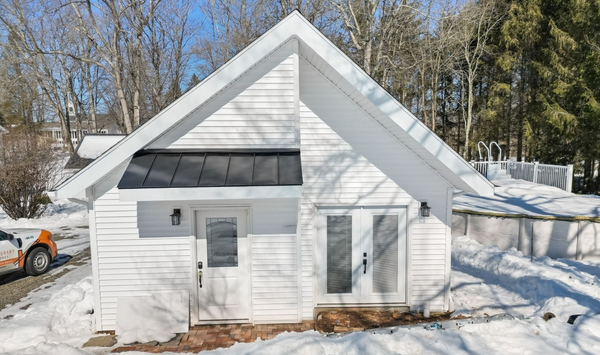
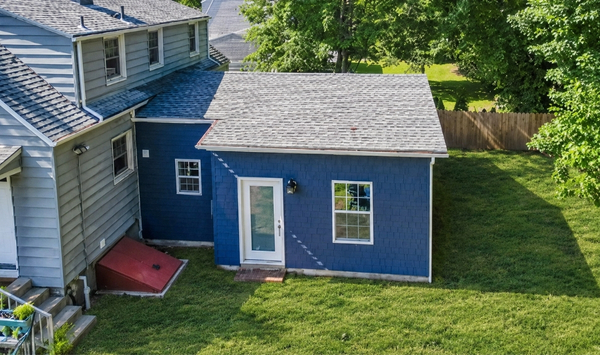
Photos are helpful. They make the idea feel real.
But a photo does not tell you if that same unit can fit your property.
Your lot may have different setbacks, access, utilities, septic, slope, or town rules. Use photos for inspiration, not as a final plan.
Mistake 7: Waiting too long to book a site review
Online research can help you learn the basics.
But it cannot fully answer what is possible on your property.
A site review can help you understand the real options. It can also help you avoid wasting time on plans that do not fit the property, the budget, or the use case.

Frequently Asked Questions
How do I know if my lot can fit an ADU?
You need to review usable space, setbacks, access, slope, utilities, septic, parking, and town rules. Open yard space is helpful, but it is not the only factor.
Can I build a detached ADU in my backyard?
It depends on your town rules and your property layout. Some properties may support a detached backyard ADU. Others may be better suited for an attached ADU, garage conversion, or addition.
Is a granny pod the same as an ADU?
Many people use the phrase granny pod when they mean a small home for a parent or older family member. In many cases, that type of project is built as an ADU. The exact design depends on the property, rules, and family need.
What if I do not have a current survey?
You can still start the conversation. A survey may be needed later, but an ADU contractor can help you understand whether one is required and what other documents may help.
What can make an ADU more expensive?
Cost can increase because of site work, utility distance, septic needs, grading, drainage, foundation needs, permits, finishes, access, or property constraints. That is why a clear scope is important.
How long does the ADU process take?
The timeline depends on design, permits, town review, site conditions, construction, and inspections. The full process is longer than the build time alone.
Should I build an ADU or an addition?
That depends on your goal. An ADU may be better when privacy, rental income, or independent living matters. An addition may be better when you simply need more space inside the main home.
Ready To Find Out What Is Possible?
An ADU can be a smart way to create family space, rental income, guest space, or a future downsizing plan.
But the right first step is not picking finishes.
The right first step is finding out whether your property is ready.
You need to know what is allowed, where the ADU could go, what site issues may affect the plan, what the project may cost, and what the next step should be.
Contemporary Tiny Homes is a full-service ADU contractor that designs and builds custom accessory dwelling units for homeowners across Connecticut.
Call Contemporary Tiny Homes, book an appointment, or request a quote today to find out what is possible on your property.


Copyright 2026. All rights reserved. Norwalk, CT
Connecticut's New Home Construction Contractor License: #NHC.0017654
EPA Lead-Safe Certified NAT-F269966-1