

















ADU Builder for Homeowners Across Middlesex County
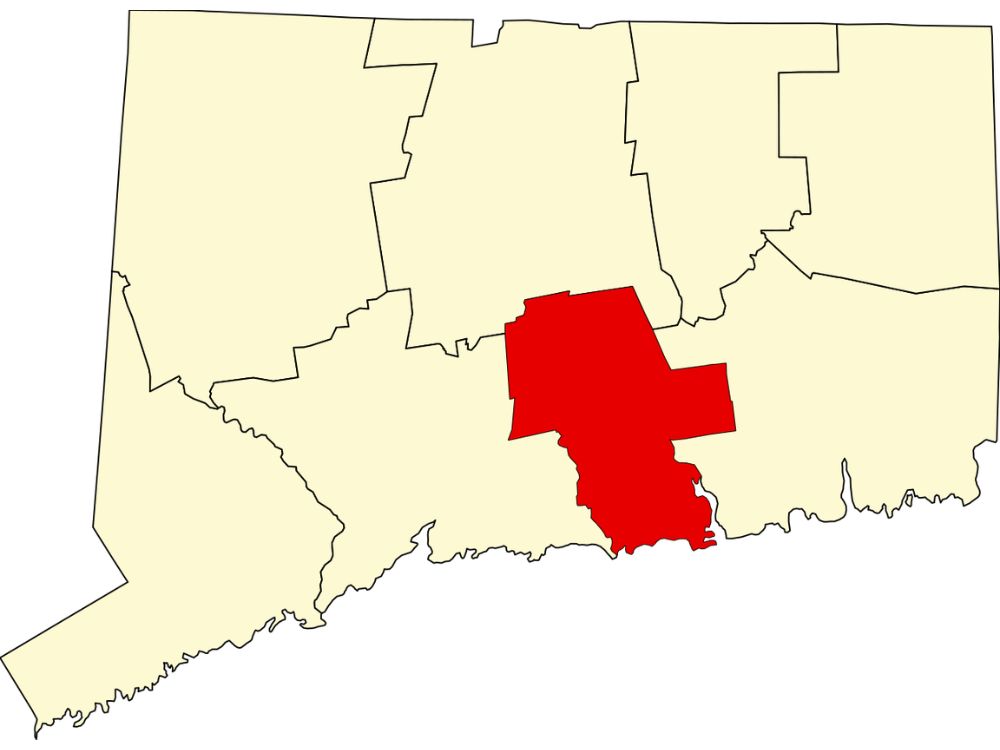
Build a high quality accessory dwelling unit in Middlesex County with a local Connecticut team focused on smart design, code aware planning, and a smooth path from property review to construction.
Whether you are planning a detached backyard ADU, an attached in-law suite, or a private space for family, we help homeowners across Middlesex County turn underused property into practical living space.
ADU Builder for Homeowners Across Middlesex County
Why Homeowners Build ADUs in Middlesex County
Middlesex County homeowners are choosing accessory dwelling units to create more flexibility, more usable space, and more long term value from the property they already own. An ADU can give aging parents a private place nearby, create a comfortable home for adult children, support multigenerational living, or add a separate living area for guests.
From shoreline towns like Clinton, Westbrook, Old Saybrook, and Essex to central Connecticut communities like Middletown, Cromwell, Portland, Durham, and Haddam, ADUs are becoming a practical way to make homes work better for today’s families.
A successful ADU project starts with the right planning. Lot size, zoning district, setbacks, septic or sewer capacity, parking, utilities, and whether the unit is attached or detached can all affect what is possible. Our team helps homeowners review these details early so the design fits the property, the town requirements, and the family’s goals.
Middlesex County homeowners are choosing accessory dwelling units to create more flexibility, more usable space, and more long term value from the property they already own. An ADU can give aging parents a private place nearby, create a comfortable home for adult children, support multigenerational living, or add a separate living area for guests.
From shoreline towns like Clinton, Westbrook, Old Saybrook, and Essex to central Connecticut communities like Middletown, Cromwell, Portland, Durham, and Haddam, ADUs are becoming a practical way to make homes work better for today’s families.
A successful ADU project starts with the right planning. Lot size, zoning district, setbacks, septic or sewer capacity, parking, utilities, and whether the unit is attached or detached can all affect what is possible. Our team helps homeowners review these details early so the design fits the property, the town requirements, and the family’s goals.
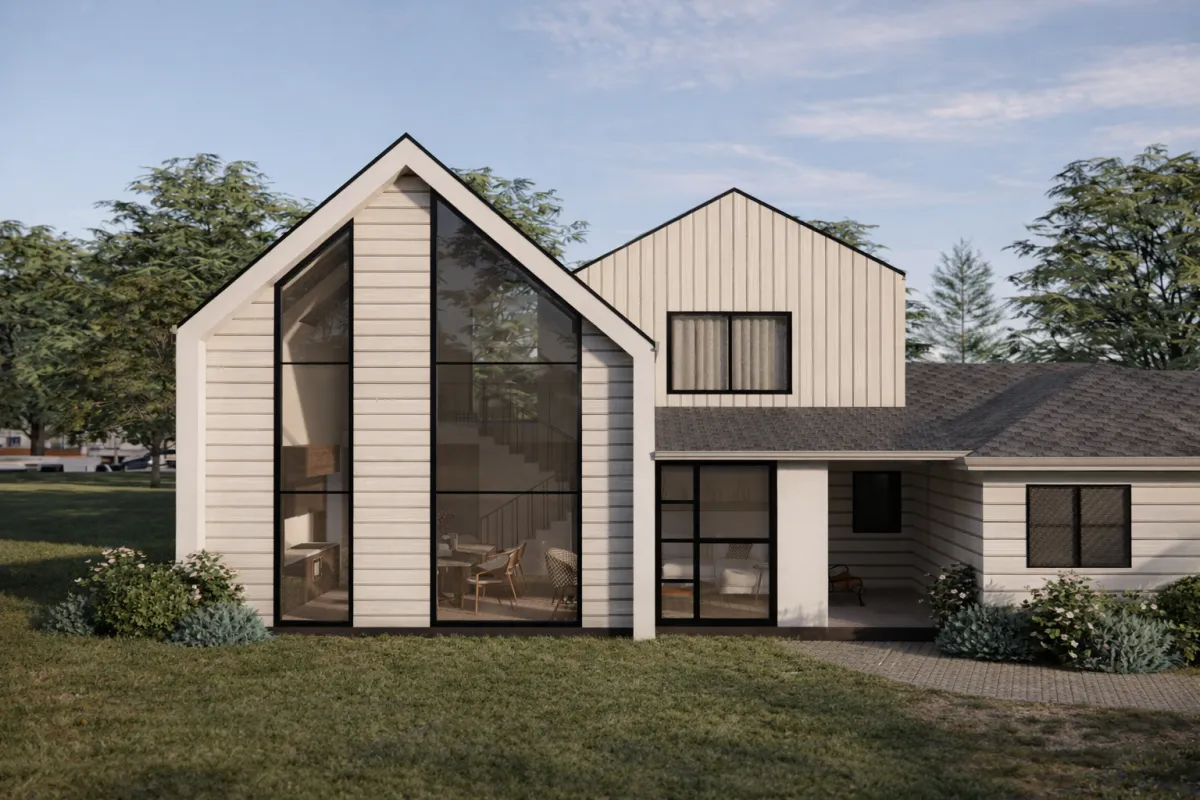
Attached and Detached ADUs We Build in the County
We help homeowners choose the right ADU type based on how they want to use the space, what their lot allows, and how they want the new unit to connect to the main home.
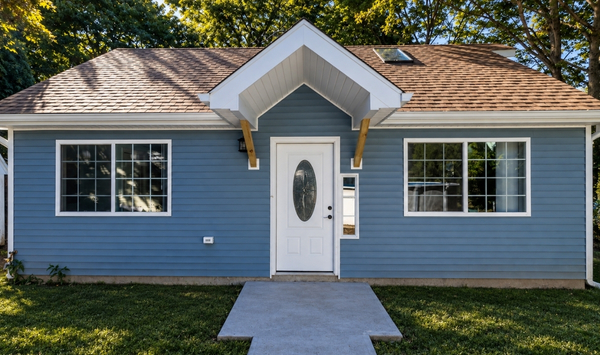
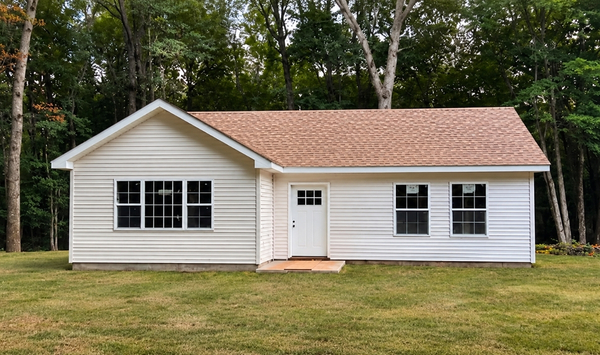
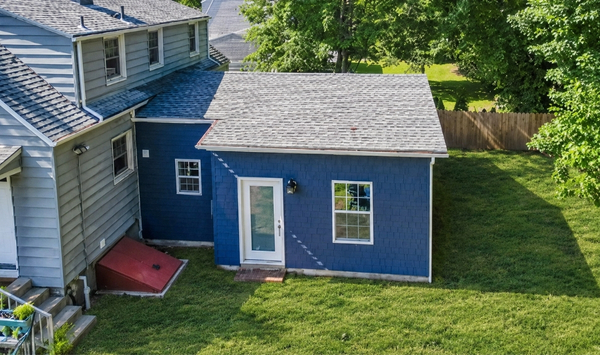
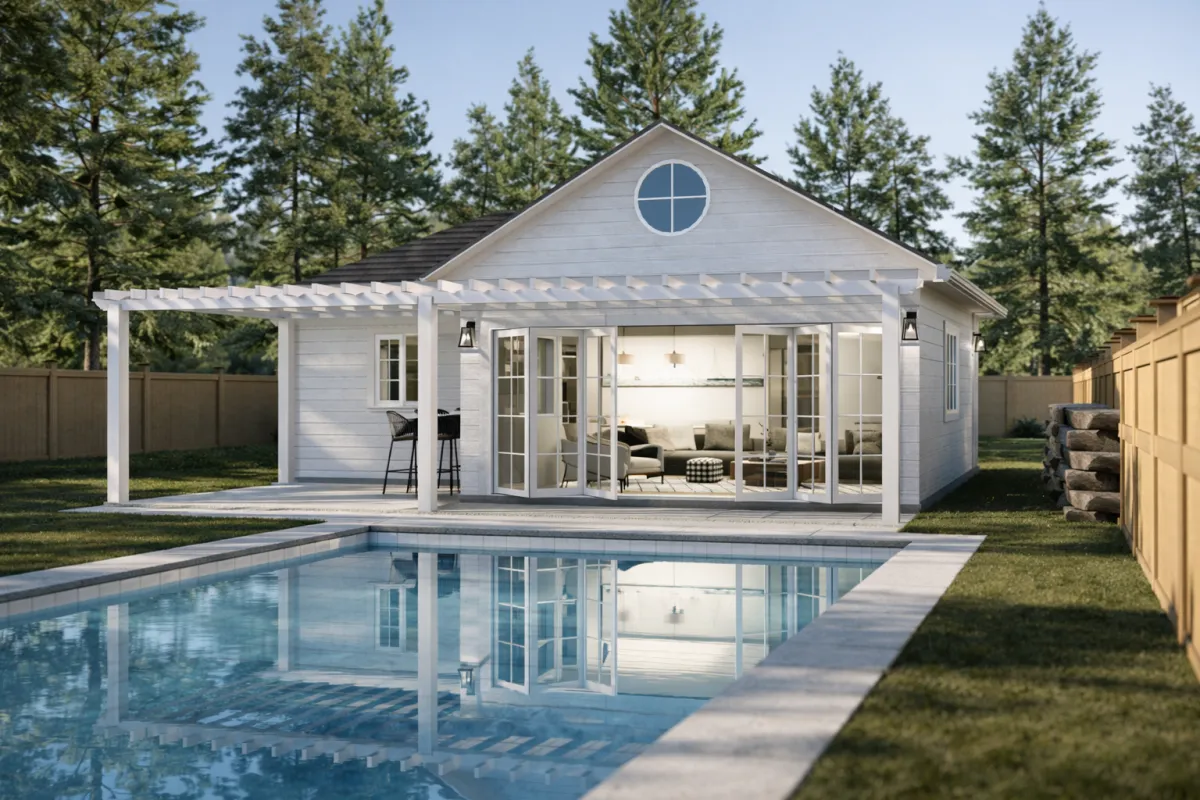
Ideal for homeowners who want more privacy, a separate backyard residence, or a stand alone rental style layout. Detached ADUs can work well for aging parents, adult children, guests, or income producing space depending on local rules.
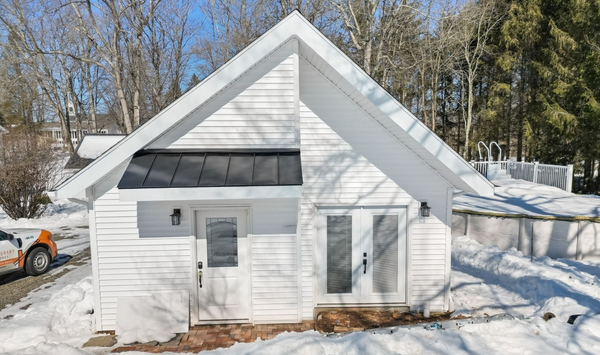
A strong fit for homeowners who want an addition or integrated accessory apartment connected to the main home. Attached ADUs often make sense when the goal is multigenerational living, lower site disruption, or a simpler utility connection.
Frequently Asked Questions About ADUs in Middlesex County
Can I build an ADU in Middlesex County?
Yes, many Middlesex County towns allow accessory dwelling units, but each town has its own rules for size, bedrooms, owner occupancy, parking, setbacks, sewer or septic, and whether the ADU can be attached or detached. We help you review your property before you move into design.
What towns in Middlesex County allow ADUs?
Based on the provided ADU regulation sheet, ADUs are listed as allowed in Chester, Clinton, Cromwell, Deep River, Durham, East Haddam, East Hampton, Essex, Haddam, Killingworth, Middlefield, Middletown, Old Saybrook, Portland, and Westbrook. Each town still requires a property specific review.
What is the difference between an attached and detached ADU?
An attached ADU is connected to the main home, often through an addition, basement conversion, garage conversion, or interior reconfiguration. A detached ADU is a separate structure on the same property, often used as a backyard cottage, guest house, in-law suite, or tiny home style living space.
How big can an ADU be in Middlesex County?
ADU size depends on the town. Many Middlesex County towns list maximums near 1,000 square feet or a percentage of the main home’s floor area, while some towns have lower limits. For example, Middlefield lists an 800 square foot maximum, East Haddam lists a 700 square foot maximum, and East Hampton lists a 900 square foot maximum in your regulation sheet.
Can I build a tiny home in Middlesex County?
A tiny home may be possible when it is designed and permitted as an accessory dwelling unit. The key is that the home must meet the local zoning, building code, utility, and property requirements for the town where it will be built. We help homeowners determine whether a tiny home style ADU is a realistic fit for their property.
Do I need septic or sewer approval for an ADU?
Yes. Septic, sewer, and utility capacity can be one of the most important parts of an ADU review. Some towns require tie-in to existing utilities, some require property specific review, and septic capacity may affect whether the project can move forward.
How do I get started?
The best first step is a property specific conversation so we can understand your lot, your goals, and whether an attached or detached ADU makes the most sense. You can schedule a consultation call with us to see what's possible in your property.
Towns We Serve Across Middlesex County
Deep River
Durham
East Haddam
East Hampton
Chester
Clinton
Cromwell
Essex
Haddam
Killingworth
Middlefield
Middletown
Old Saybrook
Westbrook
Portland
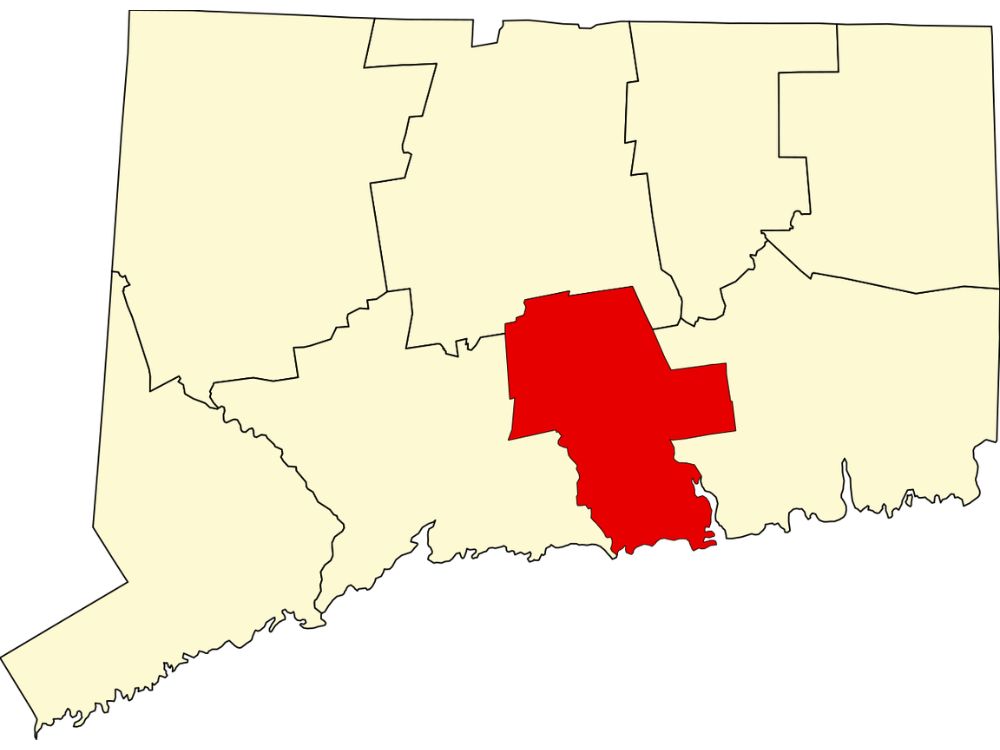
We provide ADU solutions for homeowners across Middlesex County, including Chester, Clinton, Cromwell, Deep River, Durham, East Haddam, East Hampton, Essex, Haddam, Killingworth, Middlefield, Middletown, Old Saybrook, Portland, and Westbrook.
Local zoning and ADU rules can vary from town to town. Some Middlesex County towns may allow attached ADUs, detached ADUs, in-law suites, garage conversions, or tiny home style ADUs, while others may have different standards for size, setbacks, utilities, parking, owner occupancy, bedrooms, septic, and sewer approval.
From Property Review to Finished ADU
Build Your ADU with a Fairfield, Connecticut #1 ADU Builder
Building an ADU takes more than a good floor plan. We help homeowners evaluate feasibility, refine the right layout, and build a space that fits their goals, whether that means family living, rental income, downsizing, or a private workspace.
Local ADU expertise: We understand how town-by-town requirements can affect design, approvals, and feasibility.
Smart, efficient design: Our homes are designed to make the most of every square foot without sacrificing comfort or style.
Guided process: From concept and planning to construction, we help simplify each step so homeowners can move forward with confidence.
Claim your FREE property site feasibility analysis and estimate today!
Building Your ADU Has Never Been Easier
Contemporary Tiny Homes takes the stress out of building your dream Accessory Dwelling Unit (ADUs) by managing every detail, from concept to completion. Whether you’re looking to create a cozy getaway or a stylish backyard ADU, we handle everything so you can enjoy the excitement of your new space without the hassle.

Project Phases
We'll work closely with you along the way, from design to delivery
At Contemporary Tiny Homes, we're here to guide you through the step-by-step process, from managing your location's zoning requirements, informing you on
financing options, determining the perfect design for you and ultimately building your own high-quality ADU quickly and within a reasonable budget.
01
Feasibility & Design
Our first step is to assess the feasibility of an ADU project on your lot, including zoning laws, soil condition, topography, and access to utilities. With the green light from the site feasibility study, we'll bring your vision to life through design and planning. We have various ADU designs for you to choose from, and you can engage with our architectural team so that your ADU is just the way you want it, while complying with local building codes and regulations.
02
Permit Application
Before construction can begin, we'll obtain the necessary building permits from your municipal authorities. This process involves submitting your plans and ensuring they comply with all local building codes and regulations. Permitting can be complex and time-consuming, but we'll manage every aspect of this critical step for you.
03
Construction
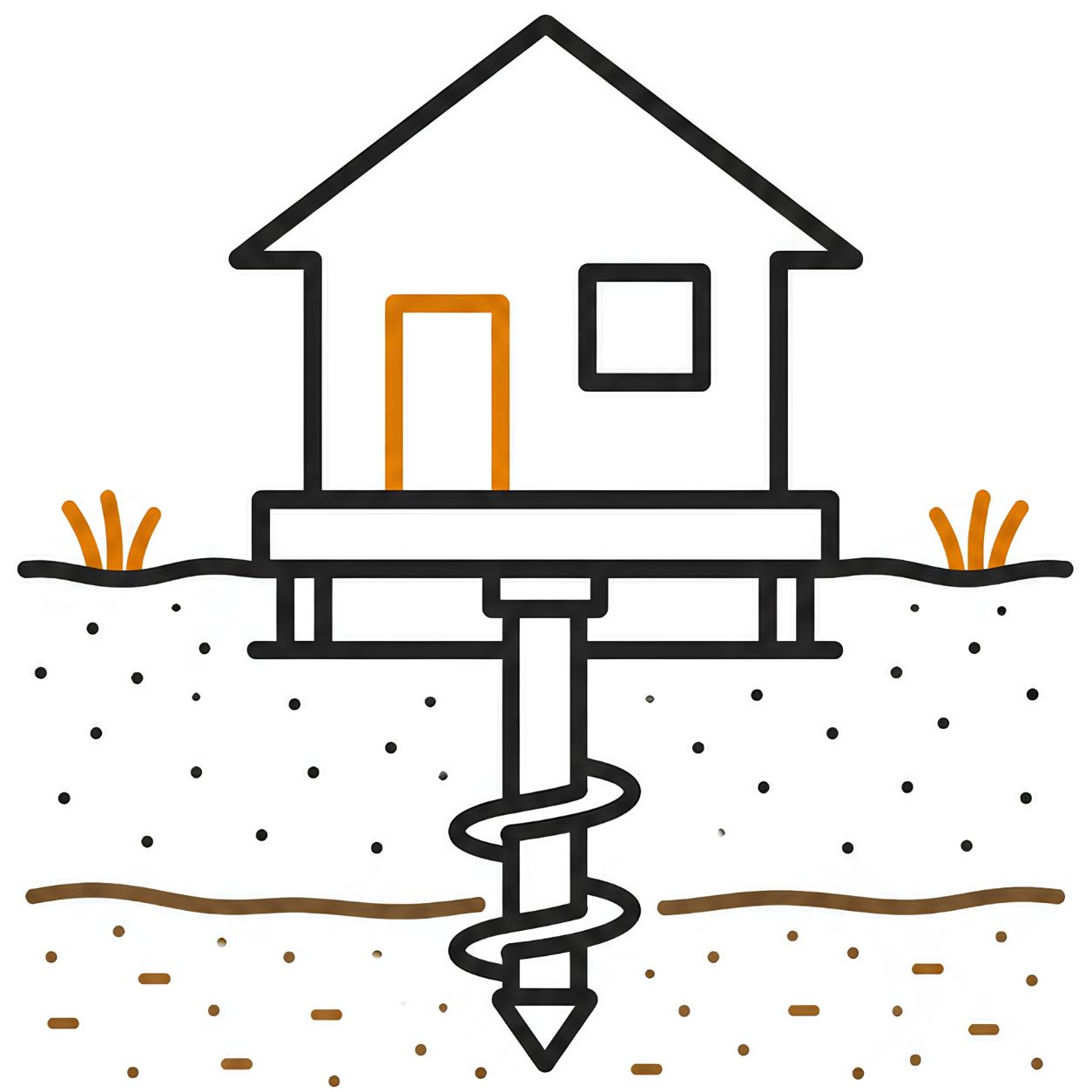
With permits in hand, we can commence the construction of your ADU. This phase is where the plans for your new home transition from paper to reality, from the laying of the foundation and framing to the installation of electrical, plumbing, and finishing touches. We’ll communicate often and transparently throughout the construction to keep you informed and to address any inputs, requests, or questions you may have.
04
Final Walkthrough
The last step of the ADU-building journey is the delivery of your new home. We'll invite you for a walkthrough to ensure everything has been completed to your satisfaction and according to the agreed-upon specifications. Once we make any final adjustments, we'll hand in your keys to your new home, marking the completion of the construction process.
Ready to Build the Perfect Family ADU?
Take the first step toward creating a functional, modern ADU for your family.
Schedule a free consultation and let our ADU professionals help you create the ideal family retreat, tailored to your unique needs and lifestyle.
Email [email protected]
Phone 860-846-4100

Copyright 2026. All rights reserved. Norwalk, CT
Connecticut's New Home Construction Contractor License: #NHC.0017654
EPA Lead-Safe Certified NAT-F269966-1