



















Knowledge Center: Your Go-To Resource for ADUs and Tiny Living
Knowledge Center: Your Go-To Resource for ADUs and Tiny Living
Email [email protected]
Phone 860-TINY-HOM (es)
What Does an ADU Mean in Connecticut?
Many homeowners hear the term ADU and wonder what it actually means.
Is it a tiny home? Is it an in-law suite? Is it a guest house? Can it be detached? Can someone live there full time? Can it be rented? Does it need a kitchen and bathroom?
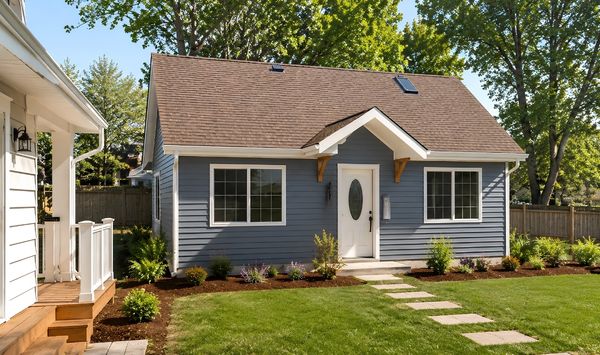
The simple answer is this: an ADU means accessory dwelling unit. It is a smaller living space on the same property as a main home.
But in Connecticut, the details matter.
Your town, lot size, setbacks, septic system, sewer access, utilities, parking, and intended use can all affect what is allowed. Before choosing a floor plan, the first step is understanding whether an ADU can work on your property.
This guide explains what an ADU means, the main ADU options, what to expect with cost and timeline, and the mistakes to avoid before starting your project.
What Does an ADU Mean?
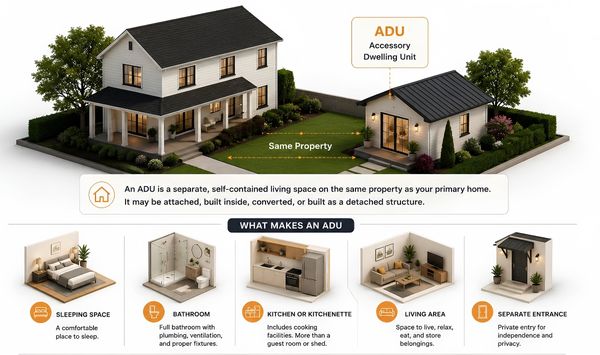
ADU stands for accessory dwelling unit.
In plain language, an ADU is a separate living space located on the same property as a primary home. It may be attached to the main house, built inside the home, converted from a garage, or built as a detached backyard structure.
A true ADU is more than an extra room. It is usually designed so someone can live there independently.
That often means it includes:
Sleeping Space
An ADU needs a place where someone can sleep comfortably. This may be a bedroom, studio layout, or open sleeping area, depending on the design.
Bathroom
Most ADUs need a bathroom with proper plumbing, ventilation, fixtures, and code-compliant construction.
Kitchen or Kitchenette
An accessory dwelling unit often includes cooking facilities. This is one of the main differences between an ADU and a simple guest room, shed, pool house, or home office.
Living Area
An ADU should feel like a small home. It may include space for seating, dining, storage, and daily use.
Separate Entrance
Many homeowners want a private entrance. This is especially important when the ADU is used for an aging parent, adult child, renter, caregiver, or guest.
In Connecticut, homeowners often consider ADUs because they need a practical solution. They may want to keep family close with privacy. They may want a one-level space for a parent. They may want rental income. They may want a private small home on the property.
The most important point is this:
An ADU is not just a design style. It is a legal and functional living space. That means zoning, permits, utilities, building codes, and site conditions matter.
What ADU Options Do Connecticut Homeowners Have?
There are several types of ADUs. The right one depends on your property, budget, town rules, and reason for building.
Some homeowners need privacy. Some need accessibility. Some need rental income. Some want flexible space that can change over time.
Attached ADU
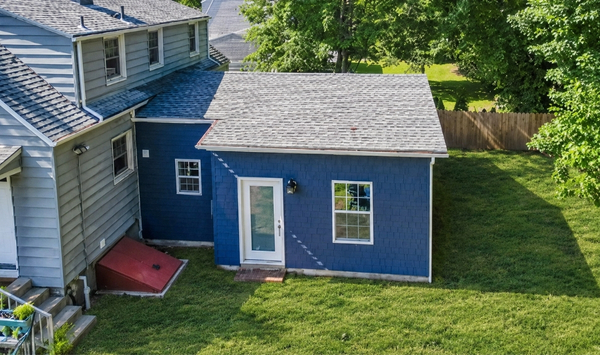
An attached ADU is connected to the main home.
It may be built as a home addition. It may also be created by converting part of the existing house into a separate living space.
This option can work well when a homeowner wants family close but still wants privacy. For example, an attached ADU may be a good fit for an aging parent who needs support nearby.
An attached ADU may also make sense when the lot does not have enough room for a detached structure. Setbacks, wetlands, parking, septic, and lot shape can all affect whether a detached ADU is possible.
Detached ADU
A detached ADU is a separate structure on the property.
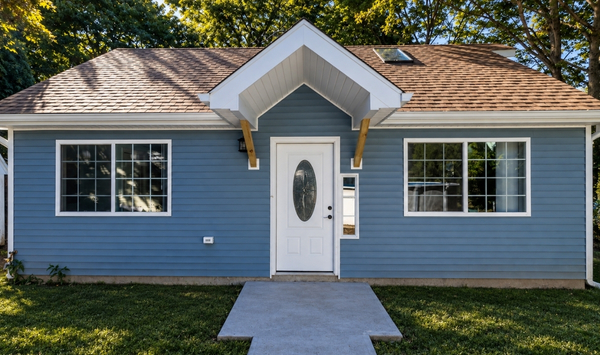
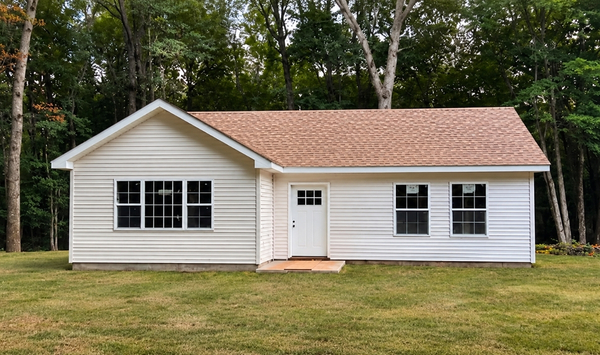
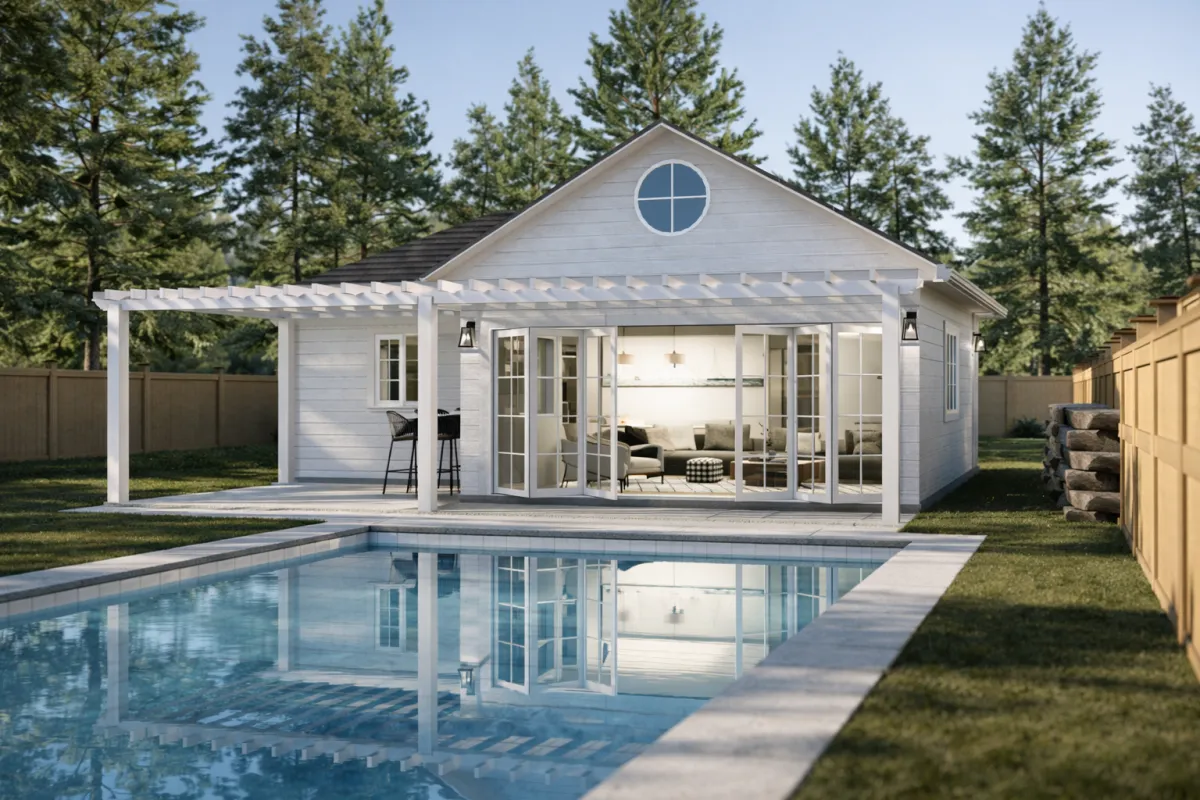
It may look like a small backyard home, guest house, cottage, or in-law suite. This is often the option homeowners picture when they think about a backyard ADU.
A detached ADU can create more privacy because it is separate from the main home. It may be a good fit for:
A parent
An adult child
A renter
A guest
A caregiver
A future downsizing plan
A private backyard living space
Detached ADUs are popular because they feel independent. They can also help the main home keep its normal rhythm while giving the ADU occupant their own space.
Garage Conversion ADU
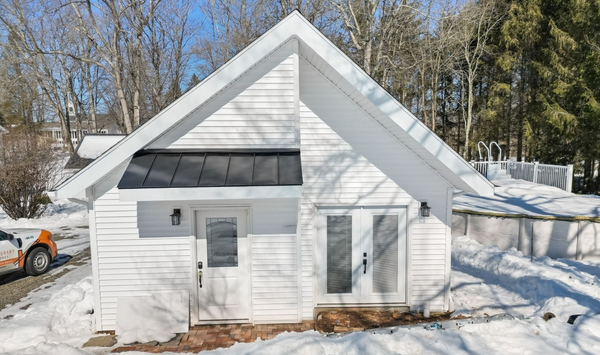
A garage conversion ADU turns an existing garage into livable space.
This can be a smart option if the garage is in the right location and the structure can meet code. It may also help homeowners use existing square footage instead of building a brand-new structure.
But not every garage is a good fit.
The structure may need insulation, plumbing, electrical upgrades, HVAC, windows, proper ceiling height, and fire safety improvements. It may also need zoning review and permit approval.
Interior ADU
An interior ADU is built inside the existing home.
This may include a basement, lower level, attic space, or unused part of the house. It can work well when a homeowner wants to create private living space without adding a separate building.
Interior ADUs may be more practical for some properties. But they still need to meet rules for safety, access, utilities, and livability.
Which ADU Type Is Best?
The best ADU type depends on the actual property.
A detached ADU may be best for privacy. An attached ADU may be better for family care. A garage conversion may be useful if the existing structure is strong. An interior ADU may work when the home already has extra space.
Want to know which ADU type fits your property? Schedule a consultation to review feasibility, layout options, town requirements, cost factors, and next steps for your Connecticut ADU project.
What Should You Expect With ADU Cost, Timeline, and Permits?
The cost of an ADU depends on the project scope.
A small interior conversion will usually have a different investment range than a custom detached ADU. A detached backyard home may require foundation work, utility trenching, septic or sewer review, electrical service, heating and cooling, insulation, a kitchen, a bathroom, permits, and inspections.
That is why a generic square foot price is not enough.
The better question is:
What will an ADU cost on my property?
ADU Cost Factors
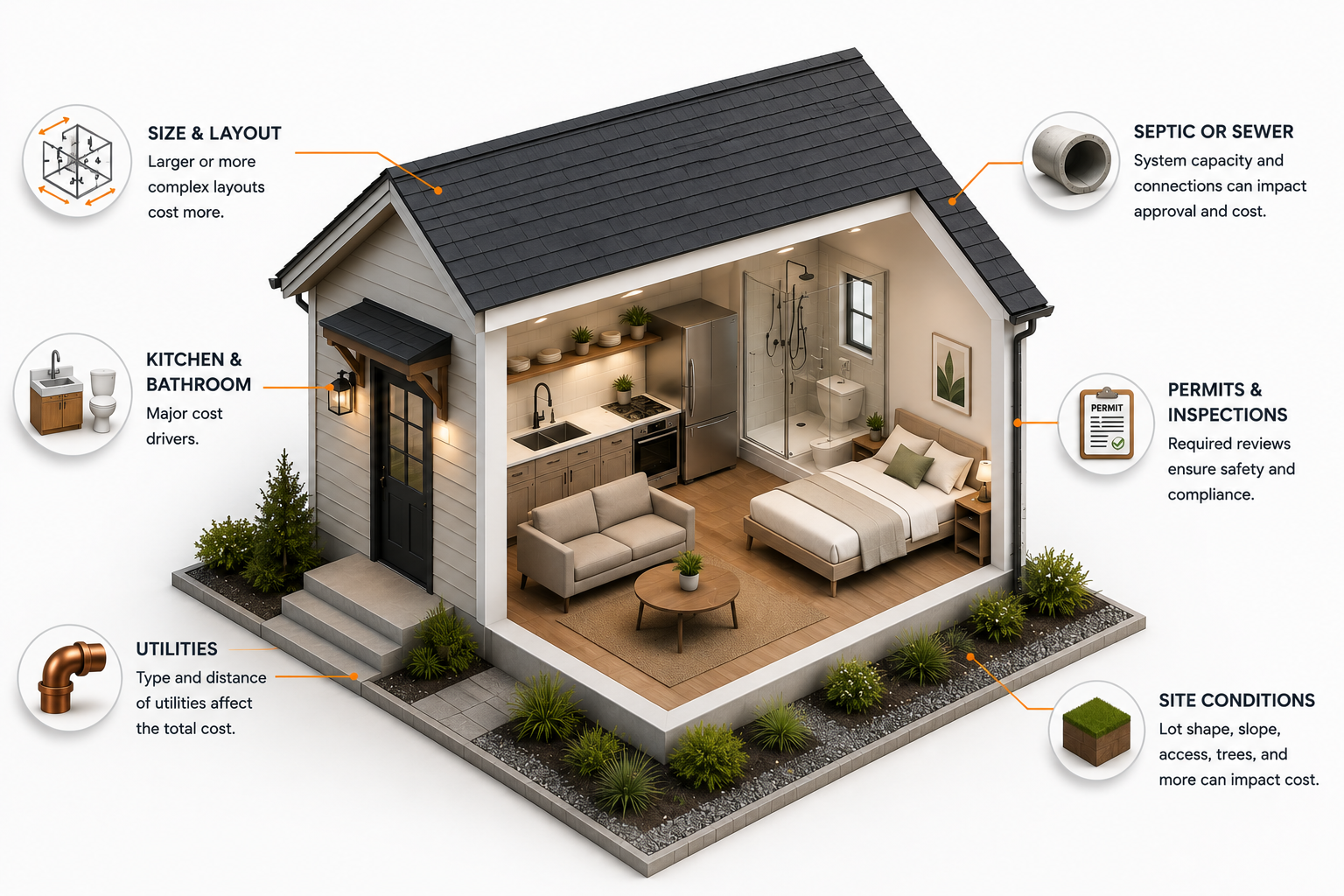
Several items can affect the final cost of an accessory dwelling unit.
Size and Layout
Larger ADUs usually cost more than smaller ones. More square footage means more framing, roofing, siding, windows, flooring, drywall, insulation, and finish materials.
Layout also matters.
A simple studio ADU may cost less than a one-bedroom ADU with a full kitchen, bathroom, laundry, storage, and private entrance.
Kitchen and Bathroom Needs
Kitchens and bathrooms are major cost drivers.
They may require plumbing, electrical work, cabinets, counters, appliances, fixtures, waterproofing, ventilation, and inspections.
A kitchenette may cost less than a full kitchen. A simple bathroom may cost less than a larger accessible bathroom with more specialized features.
Utilities
Utilities can change the total investment.
An ADU may need water, sewer or septic, electric, heating, cooling, and possibly gas or heat pump systems. If the ADU is detached, utility trenching may be needed.
The farther the ADU sits from the main home, the more utility work may be required.
Septic or Sewer
Septic is one of the most important issues to review early.
If your property uses septic, the system may need to support the additional living space. This can affect approval, design, timeline, and cost.
If your property uses sewer, the connection may still need review. Distance, trenching, and local requirements can affect the project.
Permits and Inspections
A legal ADU usually needs permits.
Your town may review zoning, setbacks, lot coverage, parking, building code, electrical, plumbing, HVAC, wetlands, and health requirements.
Permits protect safety and help confirm that the ADU is built correctly.
Site Conditions
Your property itself can affect the project.
Common site factors include:
Lot shape
Slope
Trees
Drainage
Wetlands
Access for equipment
Existing structures
Driveway location
Distance to utilities
Property lines
Setbacks
Parking
This is why feasibility comes before design.
What Is Included in the Price?
Homeowners should always ask what is included and what is not included.
Ask clear questions.
Does the price include design?
Does it include permits?
Does it include utility connections?
Does it include appliances?
Does it include site work?
Does it include survey needs?
Does it include septic review?
Does it include foundation work?
Does it include HVAC?
Does it include inspections?
Many Connecticut ADU buyers are not only asking how much the project costs. They also want to know what is included, what is excluded, and what could increase later. That concern is one of the strongest buyer issues for ADU projects.
A clear scope helps avoid surprises.
How Long Does It Take to Build an ADU?
The timeline depends on the property, design, town review, permits, utility work, and construction scope.
A simple interior ADU may move differently than a detached ADU. A garage conversion may depend on the condition of the existing structure. A detached ADU may require more site work, foundation work, utility planning, and inspections.
A typical ADU timeline may include:
Initial consultation
Property feasibility review
Design planning
Budget review
Permit preparation
Town review
Site preparation
Construction
Inspections
Final walkthrough
Homeowners should think about the full timeline, not just the building phase.
Permitting, design, and feasibility can take time. This is why it helps to start with a guided process.
What Mistakes Should You Avoid When Planning an ADU?
Planning an ADU can feel exciting. But there are common mistakes that can slow the project down or create unexpected costs.
Mistake 1: Assuming Every Property Qualifies
Not every property is ready for an ADU.
Your lot may have setback issues. It may have wetlands. It may have septic limits. It may have parking challenges. It may have difficult access. It may have utility constraints.
This does not always mean an ADU is impossible. But it does mean the property needs to be reviewed before you make decisions.
Mistake 2: Starting With Design Before Feasibility
Many homeowners start by looking at floor plans and photos.
That is normal. But it is not the best first step.
Before you choose a layout, you need to know what is allowed. You also need to know where the ADU can go, how utilities may connect, and whether the property can support the project.
Start with feasibility. Then design around what is actually possible.
Mistake 3: Treating an ADU Like a Tiny Home
A tiny home and an ADU are not always the same thing.
A tiny home may describe a style, size, or structure. An ADU is a permitted living space on the same property as a main home.
If someone will live in the unit, the town may require it to meet dwelling unit rules. That can include building code, utilities, sanitation, kitchen facilities, bathroom access, fire safety, and inspections.
Mistake 4: Ignoring Septic or Sewer
Septic or sewer should be reviewed early.
This is especially important for detached ADUs, in-law suites, garage conversions, and backyard homes with full bathrooms and kitchens.
Waiting too long to review septic or sewer can delay the project and change the budget.
Mistake 5: Not Asking What Is Included
A starting price is not enough.
You need to know the full scope.
Ask about permits, utilities, appliances, site work, survey needs, septic review, foundation, heating, cooling, finishes, and inspections.
This protects you from comparing two quotes that are not really the same.
Mistake 6: Ignoring Accessibility
Many ADUs are built for parents or future aging needs.
If that is part of your goal, plan for it early. A one-level layout, wider doors, fewer steps, safer bathroom design, and easy access can make the space more useful over time.
Even if you do not need accessibility now, it may be worth considering.
Mistake 7: Not Thinking About Privacy
Privacy matters.
Think about where the ADU entrance will be. Think about parking. Think about windows. Think about walkways. Think about how close the unit sits to the main home, pool, patio, or neighboring properties.
A good ADU design should feel private and natural on the property.
Mistake 8: Forgetting Future Use
An ADU may serve more than one purpose over time.
It may be for a parent now and a renter later. It may be for guests now and an adult child later. It may be for rental income now and future downsizing later.
The best design gives you flexibility.
Mistake 9: Waiting Too Long to Involve an ADU Contractor
A full-service ADU contractor can help you understand zoning, design, permits, cost factors, and construction before you invest too much time in the wrong direction.
That guidance can save time. It can also help you ask better questions from the start.
Frequently Asked Questions
Is an ADU the Same as an In-Law Suite?
Not always.
An in-law suite is often built for family use. An ADU is a legal dwelling unit. Some in-law suites may qualify as ADUs if they meet the required standards for independent living.
Is an ADU the Same as a Guest House?
Not always.
A guest house may be used for short stays. An ADU is typically designed as a more complete living space. If it includes a kitchen, bathroom, sleeping area, and separate living function, it may be treated as an ADU.
Can an ADU Be Detached?
Yes, an ADU may be detached if local rules and property conditions allow it. A detached ADU is a separate structure on the same lot as the main home.
Can I Build an ADU for a Parent?
Many homeowners build ADUs for parents. This can create a private, one-level space nearby while helping family stay close.
Can I Rent Out an ADU?
Rental use depends on town rules, approvals, and property conditions. If rental income is part of your plan, mention it early in the process.
Do I Need a Permit for an ADU?
Yes, most ADU projects require permits. This may include zoning, building, electrical, plumbing, HVAC, health department, or wetlands review.
What Is the First Step?
The first step is a property feasibility review. This helps answer the questions that matter most:
Can I build this?
Where can it go?
What could affect cost?
What approvals are needed?
What is the best next step?
What Is the Best Next Step?
An ADU means accessory dwelling unit.
For many homeowners, it means more than extra square footage.
It can mean a private place for a parent. It can mean a safe one-level living option. It can mean rental income. It can mean a guest house. It can mean keeping family close without losing privacy. It can mean using your property in a smarter way.
In Connecticut, the right ADU starts with a property-specific review.
Before you choose a layout, you need to know what is allowed, where the unit can go, what it may cost, and what the next step should be.
Contemporary Tiny Homes is a full-service ADU contractor that designs and builds custom accessory dwelling units for homeowners across Connecticut.
Ready to find out whether your property is a fit for an ADU? Book a consultation to review feasibility, ADU options, cost factors, permits, and next steps for your project.


Copyright 2026. All rights reserved. Norwalk, CT
Connecticut's New Home Construction Contractor License: #NHC.0017654
EPA Lead-Safe Certified NAT-F269966-1