


















Knowledge Center: Your Go-To Resource for ADUs and Tiny Living
Knowledge Center: Your Go-To Resource for ADUs and Tiny Living
Email [email protected]
Phone 860-TINY-HOM (es)
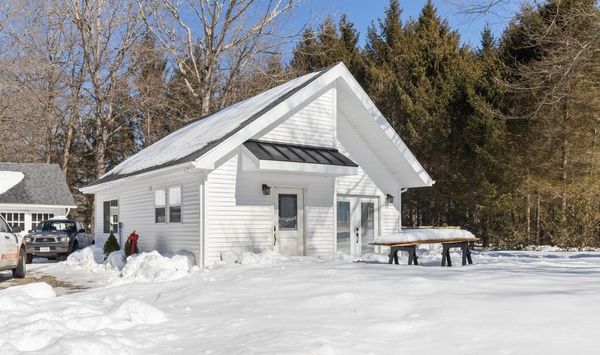
How to Turn Extra Property Space Into Useful Living Space in Connecticut
You may have extra space on your property.
Maybe it is a wide backyard.
Maybe it is an unused garage.
Maybe it is land behind your home.
Maybe it is a side yard, basement, or older structure that is not being used well.
That space may be more valuable than you think.
Many homeowners want more living space but do not want to move. Some need a private place for a parent. Some want a guest space. Some want rental income. Others want a future downsizing option on land they already own.
A custom accessory dwelling unit, also called an ADU, can help solve these needs.
But the best first question is not “What floor plan do I like?”
The better question is, “What is actually possible on my property?”
This guide explains how to turn extra property space into useful living space, what options to consider, what the ADU building process looks like, what costs may affect the project, and what mistakes to avoid before you start.
Can You Turn Extra Property Space Into an ADU?
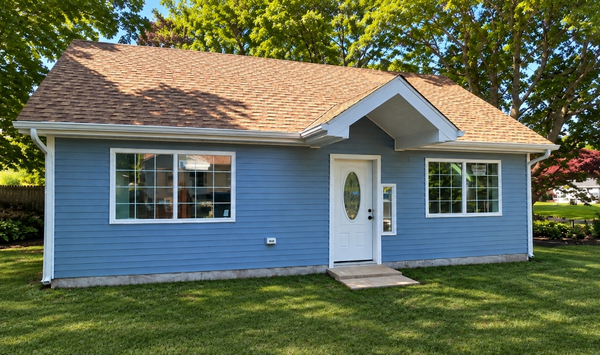
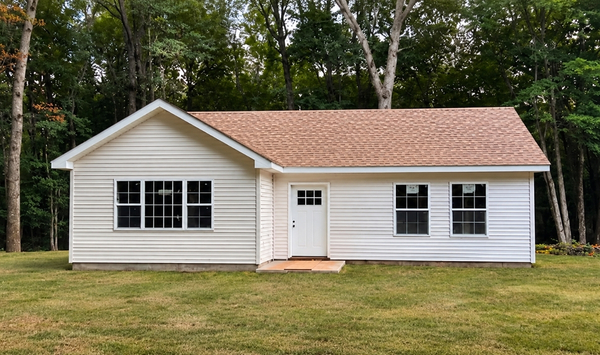
Yes, many homeowners can turn extra property space into a backyard ADU, in-law suite, guest house, rental unit, or private small home on the property.
An ADU is a second living space on the same property as the main home. It may be detached from the house. It may be attached to the house. It may also be created by converting an existing garage, basement, or structure when the property and local rules allow it.
For homeowners in Connecticut, this can be a smart way to use land that is already owned.
A backyard ADU can help you keep family close with privacy. It can create one-level living for a parent. It can add flexible space for guests. It can also support rental income if the property, town rules, and project goals line up.
But not every lot works the same way.
A property feasibility review should come before design. This review looks at the real conditions on your land. It can help answer key questions before time and money are spent on plans.
Important questions include:
Can an ADU legally be built here?
Where could it go on the lot?
Would a detached ADU or attached ADU make more sense?
Are there setback issues?
Is there enough room for access and parking?
Will septic, sewer, water, or electric affect the plan?
Will the town require certain approvals?
Could the space work for family, rental income, or future use?
These questions matter because an ADU is not just a small building. It is a permitted living space. It needs the right plan, the right placement, and the right construction process.
If you have been searching for an ADU contractor near me, the best fit is not only the company that can build. It is the company that can help you understand the property first.
What Are the Best Ways to Use Extra Property Space?
There are several ways to turn extra property space into useful living space. The right option depends on your land, your goals, your budget, and how the space will be used.
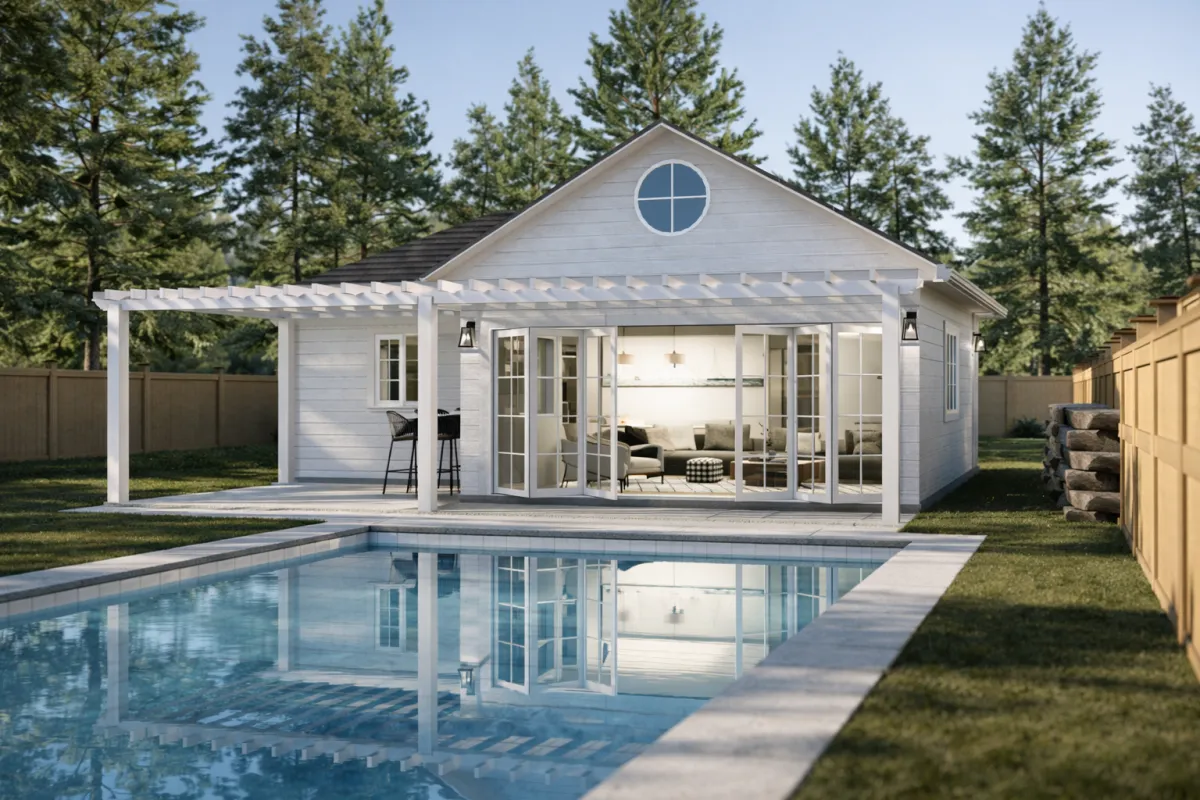
Build a Detached Backyard ADU
A detached ADU is a separate living space located away from the main home.
This is often the best option when privacy is important. It can work well for an aging parent, adult child, guest, renter, caregiver, or future owner use.
A detached backyard ADU may include a bedroom, bathroom, kitchen, living area, storage, and a private entrance. Some homeowners also look for one-level layouts, no steps, wider doorways, or easy access from the driveway.
This option is common for people who want a private backyard living space without changing the main home.
It may also be a better fit than a home addition if the goal is separation. A home addition can add space, but it may not create the same level of privacy.
Create an Attached ADU
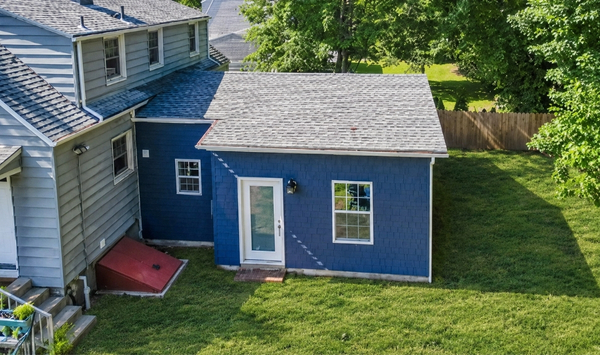
An attached ADU connects to the main house.
This can work when the yard does not support a detached unit. It may also make sense when utility connections are simpler near the main home.
An attached ADU can still offer privacy. It may include a separate entrance, bedroom, bathroom, small kitchen, and living area.
This option can be useful for family members who need to be close, but not inside the main living space all the time.
Convert a Garage Into Living Space
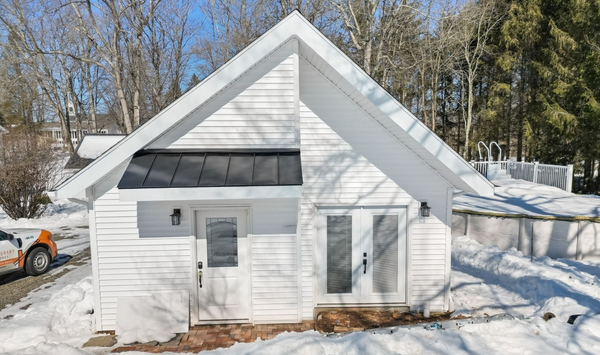
A garage conversion ADU may be a strong option if you already have a garage or existing structure.
This can be attractive because the structure is already there. But it still needs a careful review.
The garage must be suitable for conversion. It must meet building, safety, zoning, utility, and permit requirements. The layout also has to work for real living.
A garage may need insulation, plumbing, electric work, heating, cooling, windows, flooring, and structural upgrades. Some garages are a good fit. Others are not.
That is why a garage ADU should start with an inspection and feasibility review.
Build an In-Law Suite for Family
An in-law suite is one of the most common reasons people explore ADUs.
Many families want to care for a parent without giving up privacy. A separate space can make that easier.
The best in-law suite designs are practical. They focus on comfort, safety, and daily use.
They may include one-level living, no steps, a full bathroom, a simple kitchen, good lighting, a separate entrance, and a layout that feels easy to move through.
This is not only about adding square footage. It is about solving a real family need.
Create Flexible Space for the Future
Some homeowners want one space that can serve more than one purpose.
An ADU may be used for a parent now and rental income later. It may be used for guests now and downsizing later. It may be used as a quiet work area now and a caregiver suite later.
This is one of the biggest benefits of building an ADU. The use can change as life changes.
Want to know whether your property is a fit for an ADU? Book an ADU feasibility consultation to review your property, options, and next steps before you commit to design or construction.
What Should You Expect From the ADU Process, Cost, and Timeline?
The ADU process has several steps. A good plan helps you avoid confusion, delays, and surprise costs.
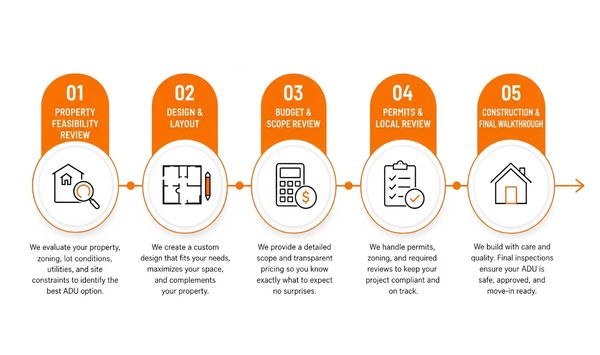
The process usually starts with the property. Then it moves into zoning review, design, pricing, permits, construction, inspections, and final walkthrough.
Step 1: Property Feasibility Review
This is the first real step.
A feasibility review looks at what your property can support. It may include lot size, setbacks, access, septic or sewer, utility runs, parking, wetlands, slope, trees, and where the ADU could be placed.
This step helps you avoid guessing. It also helps narrow the best option.
For some properties, a detached ADU may make sense. For others, an attached ADU or garage conversion may be better.
Step 2: ADU Design and Layout
Once feasibility is clear, design can begin.
The design should match the use.
A rental ADU may need privacy and durable finishes.
An in-law suite may need easy access and a safe layout.
A guest space may need comfort and flexibility.
A future downsizing unit may need storage and long-term comfort.
Good design also looks at the outside of the unit. Placement, windows, pathways, parking, and privacy all affect how the space feels.
Step 3: Budget and Scope Review
ADU cost can vary. It depends on the size, layout, site work, utilities, permits, finishes, and construction details.
A simple online number is rarely enough.
You need to know what is included and what is not included. You also need to know what could change after the property is reviewed.
Common cost factors include foundation work, utility trenching, water, sewer or septic, electric, appliances, surveys, permits, driveway access, grading, tree removal, and finish choices.
This is why a clear scope matters.
It helps you compare the real project, not just a starting price.
Step 4: Permits and Local Review
Permits are part of the process.
Your project may need zoning review, building permits, health department input, septic review, utility planning, and inspections.
Rules can vary by town. So the process should be guided by someone who understands ADU construction and local requirements.
Do not wait until late in the project to check these items. Permitting and site rules should shape the plan from the start.
Step 5: Construction and Final Walkthrough
After approvals, construction can begin.
This may include site prep, foundation, framing, roofing, windows, siding, utilities, insulation, drywall, flooring, cabinets, fixtures, appliances, and final details.
The final walkthrough confirms that the space is ready to use.
How Long Does It Take to Build an ADU?
The full timeline depends on the property and the town review process.
Construction is only one part of the timeline. Design, pricing, permits, surveys, septic questions, and utility planning can all affect the schedule.
This is why homeowners should ask about the full ADU building process, not only the build time.
What Mistakes Should You Avoid Before Building an ADU?
An ADU can be a smart investment. But the wrong approach can slow the project or raise costs.
Here are the biggest mistakes to avoid.
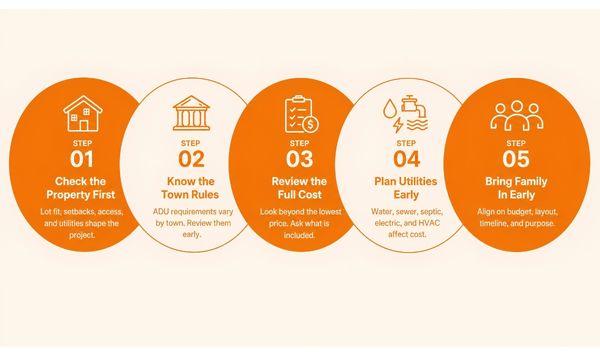
Mistake 1: Starting With a Floor Plan Before Checking the Property
A floor plan may look perfect online.
But it may not fit your land. It may not meet setbacks. It may not work with septic. It may not leave room for access, parking, or utilities.
Start with the property first.
Mistake 2: Assuming Every Town Has the Same Rules
Do not assume that what worked for another homeowner will work for your property.
Check the rules early. This can help avoid redesigns and delays.
Mistake 3: Comparing Only the Lowest Price
The lowest price is not always the clearest price.
Ask what the number includes. Ask what it excludes. Ask what could add cost later.
A clear price conversation should include site work, permits, utilities, septic or sewer, surveys, finishes, and inspections.
Mistake 4: Ignoring Utilities and Septic
Utilities can change the project.
Water, sewer, septic, electric, heating, and cooling all need to be planned. A long utility run can add work. Septic questions can also affect layout, placement, and cost.
These items should be reviewed early.
Mistake 5: Leaving Family Out of the Decision
Many ADU projects involve more than one person.
A spouse, parent, adult child, or co-owner may need to approve the plan. Bring them into the process early.
This helps everyone understand the purpose, cost, layout, and timeline.
Frequently Asked Questions
Can I build an ADU in my backyard?
Possibly. It depends on your property, town rules, setbacks, utilities, septic or sewer, parking, and the size and location of the ADU.
Is an ADU better than a home addition?
It depends on your goal. An ADU may be better if you want privacy, a separate entrance, rental potential, or a flexible future use. A home addition may be better if you only need more connected space in the main house.
Can a garage become an ADU?
Sometimes. A garage conversion ADU needs a review of the structure, utilities, permits, layout, and local rules.
What is the first step?
The first step is a property feasibility review. This helps you understand what is possible before you spend money on plans.
Who should I talk to before starting?
Talk to a full-service ADU builder or contractor who can help with feasibility, design, permits, and construction.
Turn Extra Property Space Into Something Useful
Extra property space can become more than unused land.
It can become a private home for a parent.
It can become an in-law suite.
It can become a rental unit.
It can become a guest house.
It can become a future downsizing option.
It can become a flexible living space that serves your family for years.
The most important step is to start with the right question.
Do not start with a guess. Start with the property.
Contemporary Tiny Homes is a full-service ADU contractor helping homeowners across Connecticut design and build custom accessory dwelling units with confidence.
Ready to see what your extra property space can become? Book an appointment with Contemporary Tiny Homes to review your property, ADU options, cost factors, timeline, and next steps.


Copyright 2026. All rights reserved. Norwalk, CT
Connecticut's New Home Construction Contractor License: #NHC.0017654
EPA Lead-Safe Certified NAT-F269966-1