
















Knowledge Center: Your Go-To Resource for ADUs and Tiny Living
Knowledge Center: Your Go-To Resource for ADUs and Tiny Living
Email [email protected]
Phone 860-TINY-HOM (es)
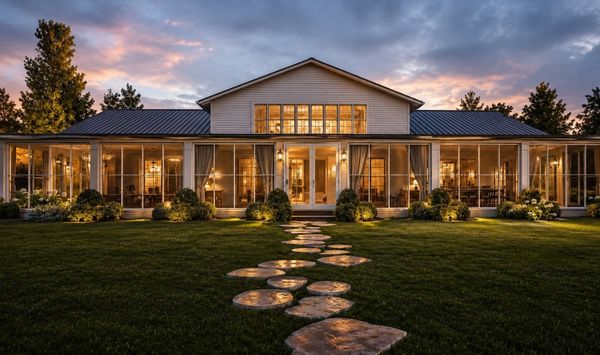
Luxury Custom ADU Builders in Connecticut: What Makes an ADU Feel High End, Private, and Built to Last?
A luxury ADU is not just a smaller house.
It is a private living space that feels complete, comfortable, and built with care. Many homeowners want an ADU for a parent, adult child, long-term guest, rental income, or future downsizing. But they do not want something that feels basic, cramped, or temporary.
They want a private small home on the property.
That is where the right design and the right ADU contractor matter. A high-end accessory dwelling unit should solve the real reason behind the project. It should fit the property. It should feel private from the main home. It should have smart storage, natural light, durable materials, and a layout that works for daily life.
For homeowners comparing luxury custom ADU builders in Connecticut, the real question is not only who can build it. The better question is who can guide the full process from feasibility to design, permits, pricing, site work, and construction.
This guide explains what makes an ADU feel high end, what options to consider, what affects cost and timeline, and what mistakes to avoid before you build.
Check Custom ADU Designs
What Makes a Luxury Custom ADU Feel High End?
A luxury custom ADU feels high end when it works like a real home.
It does not need to be oversized. It needs to be thoughtful. Every part of the space should have a purpose. The entry should feel natural. The kitchen should be easy to use. The bathroom should feel comfortable. The bedroom should feel private. The living space should not feel like leftover square footage.
A strong ADU design build starts with the way someone will live in the space.
If the ADU is for a parent, the design may need one level living, no steps, easier bathroom access, and a quiet bedroom. If it is for rental income, the design may need a separate entrance, durable finishes, privacy from the main home, and clear parking. If it is for future downsizing, the design may need long-term comfort, storage, and low-maintenance materials.
A luxury ADU is not luxury because it has expensive finishes everywhere. It feels luxury because the layout, privacy, light, materials, and build quality work together.
Privacy is one of the biggest luxury features
Privacy is often the difference between a basic ADU and a high-end ADU.
A detached ADU can create more separation from the main home. But an attached ADU or garage conversion can also feel private if it is designed well. The key is planning the space around how people enter, move, park, and use the property.
Window placement matters. If windows face the wrong direction, the person living in the ADU may feel exposed. If the entry door opens toward the main home’s busiest area, it may not feel separate. If the walkway, lighting, or landscaping is not planned well, the ADU can feel less private than expected.
Good ADU builders look at the whole property. They think about the main home, the lot shape, views, trees, slope, parking, and the best way to create separation. Luxury is not only inside the walls. It includes how the ADU sits on the property.
High-end ADUs use better space planning
Small homes need better planning than large homes.
In a custom accessory dwelling unit, wasted space is expensive. Long hallways, awkward corners, poor storage, and bad furniture flow can make the space feel smaller than it is.
A high-end ADU uses space carefully.
That may include built-in storage, open living areas, pocket doors, better closet placement, larger windows, a compact laundry area, and a kitchen that feels complete without taking over the whole floor plan.
The goal is simple. The ADU should feel easy to live in.
Materials should feel durable, not delicate
A luxury ADU should be built to last.
That means durable flooring, quality windows, proper insulation, well-planned HVAC, strong exterior materials, and finishes that can handle daily use. If the ADU will be used as an in law suite, guest house, or rental unit, durability matters even more.
High-end does not mean fragile. It means the materials look good, feel good, and hold up over time.
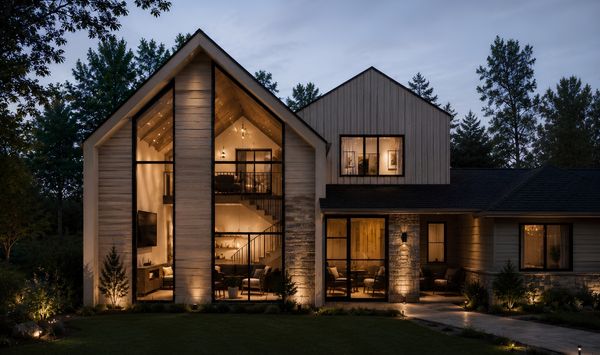
What Are the Best Custom ADU Options and Design-Build Steps?
The best ADU option depends on the property, the town rules, and the goal of the project.
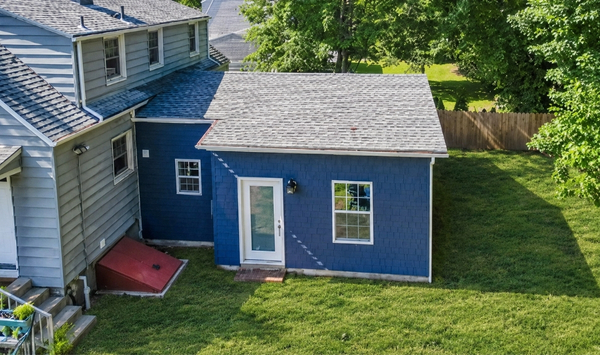
Some homeowners want a detached ADU because they want the most privacy. Some want an attached ADU because the lot is tight or family access matters. Others ask about a garage conversion because they already have a structure that may be useful.
Before choosing the style, the first step is feasibility.
Can you build an ADU on your property? Where can it go? What size may work? Will utilities be simple or complex? Will septic, setbacks, parking, wetlands, or lot shape affect the project?
These questions should come before finishes and floor plans.
Detached ADU
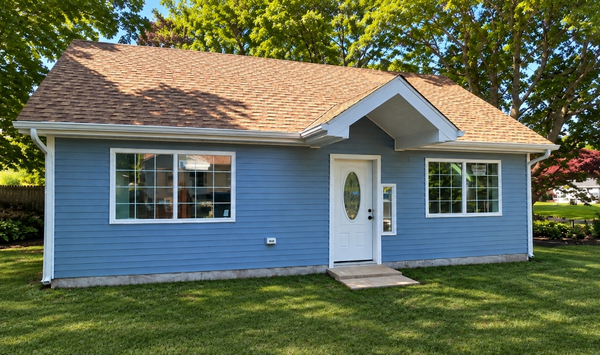
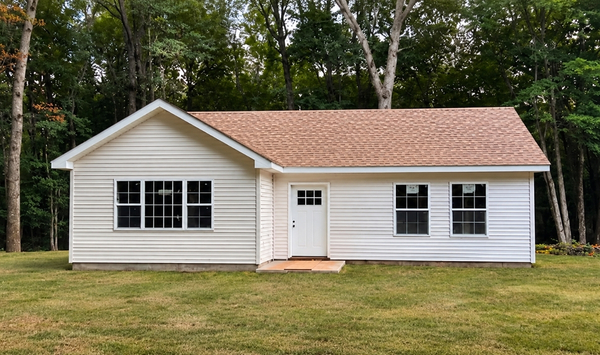
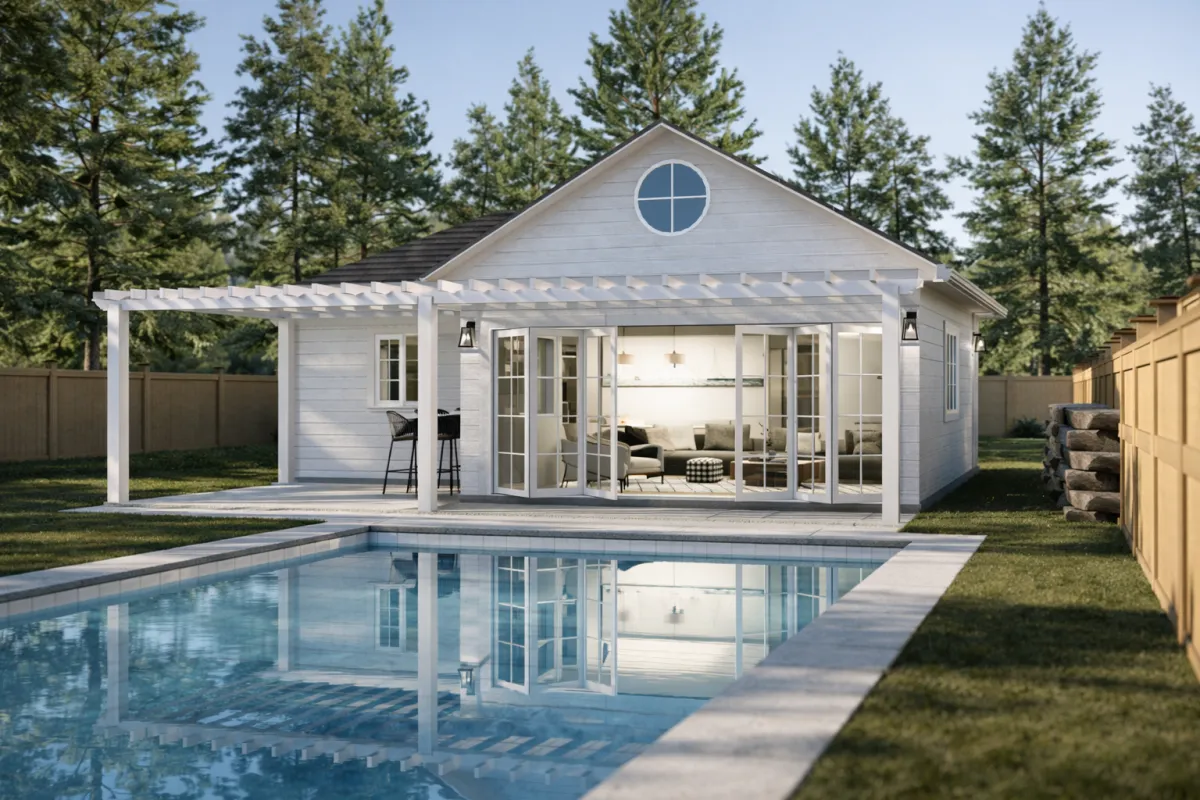
A detached ADU is often the best option when privacy is the main goal.
It can work well for a parent, adult child, guest space, rental income, or future downsizing. It feels like a separate small home on the property. It can have its own entrance, outdoor area, and clear separation from the main house.
Detached ADUs can also offer more design flexibility. But they may involve more site planning. Utility runs, trenching distance, foundation work, access, and placement all matter.
If someone is searching for “ADU builders near me” because they want a backyard living space for mom or a private rental unit, a detached ADU may be the right path to explore.
Attached ADU
An attached ADU connects to the main home.
This can be a good fit when the homeowner wants privacy but still wants the ADU close to the main living area. It may work well for aging parents, caregivers, adult children, or family members who need some independence while staying nearby.
An attached ADU can sometimes make utility planning easier. But it still needs strong design. The entrance, sound separation, layout, and privacy should be planned with care.
A poorly planned attached ADU can feel like an extra room. A well-planned attached ADU can feel like a private living space.
Garage conversion or existing structure
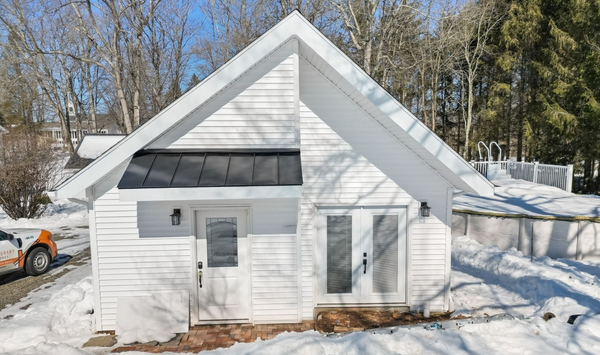
A garage conversion can be a smart option for some properties.
But it is not always simple. The existing structure needs to be reviewed. The foundation, ceiling height, insulation, plumbing, electrical, windows, heating, cooling, and code requirements all need attention.
Some garages are strong candidates. Others may need so much work that a new custom ADU makes more sense.
This is why a full-service ADU contractor should help compare the options. The goal is not to force one solution. The goal is to find the smartest path for the property and the homeowner’s needs.
The design-build process should reduce confusion
A strong ADU design-build process should feel clear from the start.
It usually begins with a conversation about the homeowner’s goal. Is the ADU for family, rental income, future downsizing, or flexible use? Then the property needs to be reviewed. The team should look at access, lot shape, setbacks, utilities, septic, parking, and town requirements.
After feasibility comes design. This is where floor plans, placement, exterior style, finishes, and budget direction begin to come together. Then comes pricing, permit planning, construction, inspections, and final completion.
Want to know whether your property is a fit for a custom ADU? Schedule a consultation to review feasibility, layout options, budget factors, and the next steps for your project.
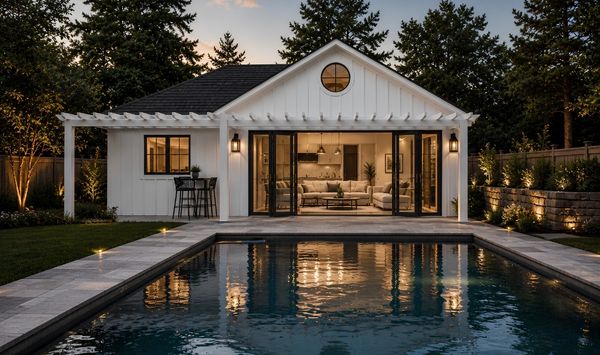
What Should You Expect With Custom ADU Cost, Timeline, and Build Quality?
Custom ADU cost depends on more than the size of the unit.
A 600 square foot ADU on one property may be very different from a 600 square foot ADU on another property. The layout, finish level, foundation, utility distance, site access, septic needs, parking, slope, drainage, and local review process can all affect the investment.
This is why homeowners should be careful with simple price ranges.
A starting price can be helpful. But it should not be treated as the full answer. A better cost conversation should explain what is included, what is not included, and what may change after the property review.
What can affect the cost of a luxury ADU?
Several factors can affect custom ADU cost.
Design work can affect cost. A more custom layout or premium exterior style may require more planning. Site work can affect cost. Clearing, grading, drainage, foundation needs, and access can change the project. Utilities can affect cost. Water, sewer, electric, trenching, and tie-ins may be simple on one property and more complex on another.
Septic can also be a major factor for some homeowners. If the property uses septic, the system may need review before the ADU can move forward. This is one reason a feasibility review matters so much.
Finish level also affects cost. High-end flooring, upgraded cabinets, better windows, tile showers, custom storage, premium fixtures, and exterior details can raise the investment. But they can also help the ADU feel more permanent and comfortable.
How long does a custom ADU take?
The timeline includes more than construction.
Many homeowners ask, “How long does it take to build an ADU?” The answer depends on the property, the design, the town review process, and site conditions.
A full timeline may include consultation, feasibility review, design, pricing, permits, site preparation, construction, inspections, and final walkthrough. The construction phase is only one part of the project.
In Connecticut, town requirements and property conditions can vary. This is why it helps to work with custom ADU builders who explain the full process, not just the build time.
A clear timeline should help the homeowner understand what happens first, what decisions need to be made, what documents may be needed, and what could slow the project down.
What should luxury build quality include?
Luxury build quality should show up in the visible and invisible parts of the ADU.
The visible parts include flooring, cabinets, counters, tile, lighting, windows, doors, trim, siding, roofing, and exterior details. These parts affect how the ADU looks and feels.
The invisible parts matter just as much. Framing, insulation, ventilation, heating, cooling, plumbing, electrical, moisture control, drainage, and utility planning all affect comfort and long-term performance.
A luxury ADU should be comfortable in every season. It should feel quiet. It should feel solid. It should be easy to maintain. It should not feel like a temporary structure placed in the backyard.
What should homeowners expect from a full-service ADU contractor?
A full-service ADU contractor should help with more than construction.
The right team should help homeowners understand what may be possible on the property, what design direction makes sense, what could affect cost, and what the next step should be.
This matters because many homeowners are still in the discovery process. They may need something to share with a spouse, parent, or family member. They may need help understanding whether an ADU vs home addition makes more sense. They may also need a clear explanation of permits, utilities, and site work before they feel ready.
A good process gives homeowners confidence before they make a major decision.
What Mistakes Should Homeowners Avoid When Planning a Luxury ADU?
The biggest mistake is starting with the floor plan before checking feasibility.
Many homeowners get excited about photos, layouts, and finishes. That is normal. But an ADU needs to work on the actual property. Setbacks, placement, parking, septic, utilities, wetlands, trees, slope, and access can all change what is possible.
A luxury ADU should begin with the property.
Mistake 1: Comparing only the lowest starting price
Low starting prices can be tempting.
But they do not always tell the full story. Homeowners should ask what the number includes. Does it include design? Permits? Site work? Utilities? Appliances? Septic review? Survey work? Finish selections? Foundation? Walkways? Parking?
The better question is not “What is the cheapest ADU?”
The better question is “What is the real investment range for my property and my goals?”
Mistake 2: Forgetting about privacy
Privacy should not be added at the end.
It should be part of the first design conversation. The entrance, windows, outdoor space, walkway, parking, lighting, and landscaping all affect how private the ADU feels.
For family use, privacy can help keep relationships healthy. For rental use, privacy can make the space more attractive. For future downsizing, privacy can make the ADU feel more like a true home.
Mistake 3: Choosing style before function
Beautiful finishes are important.
But function comes first. A luxury ADU needs a smart layout, useful storage, enough natural light, comfortable room sizes, and materials that support daily life.
A tile choice will not fix a bad layout. A premium countertop will not fix poor storage. The best ADU design starts with how the person will actually live in the space.
Mistake 4: Not planning for future use
Many ADUs serve more than one purpose over time.
It may start as an in law suite. Later, it may become a guest house. It may become a rental unit. It may become a home office. It may become a downsizing option for the homeowner.
A good design should protect that flexibility.
This is why one level living, practical storage, durable materials, and a private entrance can be so valuable. They make the ADU useful for more than one stage of life.
Mistake 5: Treating an ADU like a simple backyard project
An ADU is a real home.
It needs careful planning, code compliance, utilities, permits, inspections, and quality construction. It also needs to fit the main property in a way that makes sense.
This is why choosing the right accessory dwelling unit builder matters. The contractor should understand both the small-home design side and the property planning side.
Frequently Asked Questions
What makes an ADU feel expensive?
An ADU feels expensive when the layout is smart, the materials are durable, the space has natural light, the entry feels private, and the finishes feel intentional. It should feel like a complete home, not a converted storage area.
Is a detached ADU better than an attached ADU?
A detached ADU is often better for privacy. An attached ADU may be better for access, family connection, or certain property layouts. The best choice depends on the homeowner’s goal and the property conditions.
Should I build an ADU or a home addition?
An ADU vs home addition decision depends on the use case. A home addition adds space to the main house. An ADU creates a more separate living setup. If the goal is privacy for family, rental income, or future flexibility, an ADU may be the better option.
Ready to Plan a Luxury Custom ADU?
A luxury ADU should feel private, comfortable, and built to last.
It should solve a real problem. It should fit the property. It should support the way the space will be used now and in the future. It should also come with clear answers around feasibility, pricing, timeline, permits, utilities, and construction.
The best custom ADU builders do more than build a small home. They help homeowners understand what is possible before the project moves too far.
Contemporary Tiny Homes is a full-service ADU contractor that designs and builds custom accessory dwelling units for homeowners across Connecticut.
Ready to find out what is possible on your property? [Book an appointment] with Contemporary Tiny Homes to review your ADU goals, property fit, design options, budget factors, and next steps.


Copyright 2026. All rights reserved. Norwalk, CT
Connecticut's New Home Construction Contractor License: #NHC.0017654
EPA Lead-Safe Certified NAT-F269966-1