




























Knowledge Center: Your Go-To Resource for ADUs and Tiny Living
Knowledge Center: Your Go-To Resource for ADUs and Tiny Living
Email [email protected]
Phone 860-TINY-HOM (es)
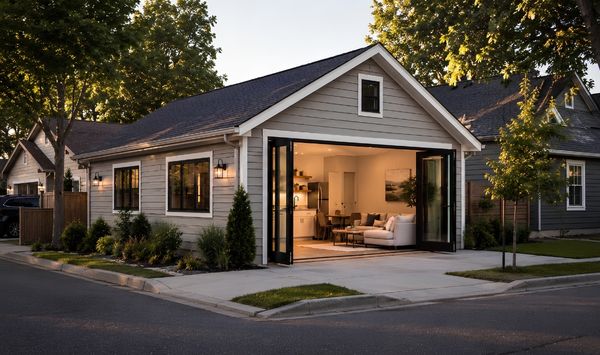
How Do Garage Conversion ADUs Work? Cost, Timeline & Process Guide for Connecticut
A garage conversion ADU is one of the most practical ways to turn unused or underused garage space into a private, livable unit with its own sleeping area, bathroom, kitchen, and entrance. For many Connecticut homeowners, it can be a smart path toward creating rental income, housing a parent, giving adult children more independence, or adding a flexible private living space without buying another property.
Garage ADU conversions are becoming increasingly popular throughout Connecticut because homeowners are dealing with the same pressures at the same time: limited housing supply, rising costs, multigenerational living needs, and a desire to make better use of the property they already own. In Connecticut, the first questions are usually not about finishes or furniture. They are about feasibility, permits, cost, and timeline.
This guide explains how a garage conversion ADU works, what usually affects the price, how long the process can take, and what Connecticut homeowners should understand before converting a garage into an ADU.
What Is a Garage Conversion ADU?
A garage conversion ADU is an accessory dwelling unit created by converting an existing garage into independent living space. Instead of building a brand-new detached structure from the ground up, the project starts with a garage shell that may already have a foundation, walls, roof, driveway access, and some level of utility access.
That does not mean every garage is ready to become an ADU. A legal garage conversion to ADU still needs to meet zoning, building code, fire safety, energy, plumbing, electrical, and habitability requirements. In plain terms, the finished space needs to function like a real small home, not just a finished room.
Definition of an Accessory Dwelling Unit (ADU)
An accessory dwelling unit, often called an ADU, is a secondary residential unit located on the same lot as a primary home. Connecticut law allows accessory apartments in connection with single-family properties, and state rules address attached, internal, and detached accessory apartments, along with limits local zoning regulations can place on things like floor area, parking, and design standards.
A legal ADU generally includes:
A place to sleep
A bathroom
A kitchen or kitchenette
Independent living facilities
Safe access and egress
Code-compliant utilities
A layout that can function separately from the main home
For a homeowner, the most important thing to understand is that an ADU is not just extra finished space. It is a dwelling unit. That means the project is reviewed differently than a basic garage remodel, home office, or storage conversion.
What Is a Garage Conversion to ADU?
A garage conversion to ADU means taking an existing attached or detached garage and turning it into a legal residential unit. This can include major upgrades such as insulation, plumbing, electrical work, HVAC, windows, fire separation, interior framing, flooring, kitchen installation, bathroom construction, and exterior improvements.
A converted garage can become a:
For many Connecticut families, the appeal is not just square footage. It is flexibility. A garage ADU conversion can serve one purpose now and another later. It might house a parent today, create rental income in a few years, and become a private one-level space for the homeowner in the future.
Can You Convert a Garage Into an ADU in Connecticut?
In many cases, yes, you can convert a garage into an ADU in Connecticut. The real answer depends on your town, your zoning district, your lot, your garage condition, your utilities, and how the finished unit will be used.
Connecticut has statewide ADU rules, but municipalities still play a major role in how accessory dwelling units are reviewed and approved. Some towns follow the state framework closely. Others have local regulations that affect size, location, parking, owner occupancy, detached units, setbacks, wetlands, septic, and other property-specific requirements.
That is why the first step should not be choosing cabinets or flooring. The first step is figuring out what is actually possible on your property.
Connecticut ADU Laws
Connecticut law addresses accessory apartments and includes provisions for allowing at least one accessory apartment as of right on a lot with a single-family dwelling, unless a municipality followed the opt-out process. The law also recognizes attached, internal, and detached accessory apartment options and limits certain requirements municipalities can impose.
For homeowners, this usually means four things:
First, local zoning still matters. Even if ADUs are allowed in your town, your lot must still meet the applicable rules.
Second, the type of garage matters. An attached garage ADU conversion may be treated differently from a detached garage ADU conversion.
Third, approval is not just about the garage. Your setbacks, parking, utilities, septic, wetlands, lot coverage, and access can all affect feasibility.
Fourth, local interpretation can change the path. Two towns can both allow ADUs but have very different application processes.
Local Permitting Requirements
A garage conversion ADU in Connecticut typically requires more than one approval. The exact requirements depend on the municipality and project scope, but most homeowners should expect a review process involving zoning, building, and trade permits.
Common requirements may include:
Building permits
Zoning review
Architectural drawings
Structural review
Electrical permits
Plumbing permits
HVAC permits
Fire code compliance
Health department review where septic or well systems are involved
Utility coordination
Final inspections before occupancy
A garage converted to ADU must be safe, legal, and habitable. That means the project may need upgrades that are not obvious at the beginning. For example, an older garage may need better insulation, slab corrections, new windows, fire separation from the main home, or a larger electrical service.
Is Your Garage Eligible for an ADU Conversion?
Not every garage is a good candidate for a garage to ADU conversion. Some garages are excellent starting points. Others require so many upgrades that a new ADU, attached addition, or different layout may make more sense.
Eligibility usually comes down to three questions:
Can the town allow it?
Can the structure support it?
Can the budget support the upgrades needed to make it legal living space?
Attached Garage ADU Conversion
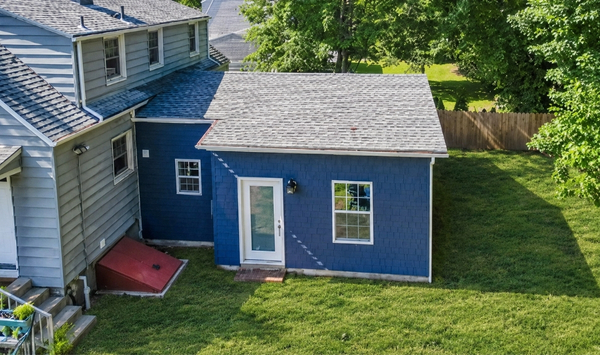
An attached garage ADU conversion uses a garage that is physically connected to the main house. This can be appealing because the garage may already be close to existing utilities, foundation systems, and access points.
Potential benefits include:
Easier utility connections
Lower construction costs in some cases
Faster approvals in some municipalities
More direct access to the main home if needed
Strong fit for in-law suite or aging parent use cases
Attached garage conversions often work well for families who want to keep someone close while still creating privacy. For example, a parent may want a one-level space with no steps, a separate entrance, a bathroom, and a small kitchen, while still being near family support.
The main challenge is separation. A legal ADU may need clear fire separation, private access, and code-compliant systems. The design must also make sense for both the main house and the new unit.
Detached Garage ADU Conversion
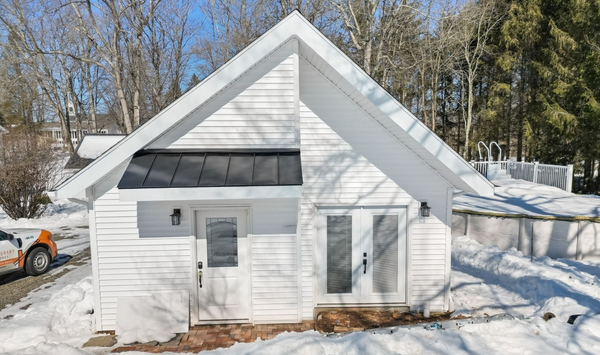
A detached garage ADU conversion uses a separate garage structure on the same property. This can be a strong option when privacy is important.
Potential benefits include:
Better privacy
Higher rental appeal
Greater flexibility
More separation between households
Strong fit for guest space, adult children, or rental income
Detached garage ADU conversions can feel more like a private small home on the property. That can be valuable for renters, relatives, or family members who want independence.
The tradeoff is that detached garages can require more utility work. Water, sewer, electric, and heating systems may need to be extended from the main home or connected separately. The distance from the house to the garage can affect trenching, cost, and timeline.
Key Structural Factors
Before converting garage to ADU, the existing structure needs to be evaluated carefully. A garage was usually built for cars and storage, not full-time living. That means the project may require upgrades before it can meet residential standards.
Important factors include:
Foundation Condition
The slab and foundation must be stable, dry, and suitable for residential use. Cracking, settling, moisture, or insufficient slab conditions can add cost.
Ceiling Height
The garage must have enough ceiling height for legal living space. Low ceilings can limit layout options or trigger more substantial modifications.
Existing Utilities
Some garages have electric service but no plumbing, sewer, or water access. Adding a bathroom and kitchen can require significant utility work.
Electrical Capacity
A legal ADU may need more electrical capacity than the garage currently has, especially if the unit includes a kitchen, heating and cooling, laundry, and appliances.
Water and Sewer Access
Water and sewer tie-ins are often one of the biggest planning items. If the property uses septic, the health department may need to review whether the system can support an additional dwelling unit.
How Does a Garage Conversion ADU Work?
A garage conversion ADU works best when the process starts with feasibility, not assumptions. Many homeowners begin by asking, “How much will it cost?” That is a fair question, but the better first question is, “Can this garage legally and practically become an ADU?”
Once feasibility is clear, the project moves through design, permitting, construction, inspections, and occupancy.
Step 1: Site Evaluation
The site evaluation looks at the existing garage, property conditions, zoning rules, and project goals.
This may include:
Existing structure assessment
Feasibility review
Lot and setback review
Parking considerations
Utility access review
Septic or sewer review
Wetlands or drainage concerns
Access and entrance planning
This step helps answer whether the garage ADU conversion is likely to work and what major cost drivers may appear later.
Step 2: Design and Planning
Once the property looks feasible, the next step is design and planning. This is where the garage begins turning into a real living layout.
This may include:
Floor plans
Architectural drawings
Engineering review
Kitchen and bathroom placement
Window and egress planning
Accessibility considerations
Interior finish planning
Exterior design coordination
Good design is not just about making the space look better. It is about making a small footprint function well. In a garage conversion ADU, every foot matters.
Step 3: Permitting
Permitting confirms whether the proposed ADU garage conversion meets local requirements. Depending on the town, the project may require zoning approval, building permit review, trade permits, and health department approval.
This may include:
Building permit process
Zoning review
Local approvals
Fire safety review
Septic or sewer review
Energy code compliance review
Permit timelines vary widely by municipality. Some towns move quickly when the application is complete. Others take longer, especially if there are zoning questions, wetlands concerns, or missing property documents.
Step 4: Construction
Once permits are approved, construction can begin. A garage conversion to ADU may look simple from the outside, but the construction work can be extensive.
Common construction phases include:
Demolition
Framing
Insulation
Plumbing
Electrical
HVAC
Fire separation
Drywall
Flooring
Kitchen installation
Bathroom installation
Exterior updates
Final finishes
The condition of the existing garage has a major impact on construction. A clean, structurally sound garage with easy utility access is very different from an older garage with slab issues, low ceilings, poor drainage, and limited electrical service.
Step 5: Final Inspection and Occupancy
After construction, the project must pass final inspections before the ADU can be used legally. Inspectors may review building, electrical, plumbing, mechanical, fire safety, and occupancy requirements.
This is the step that turns the project from finished construction into legal living space. Skipping this step can create serious problems later, especially if you plan to rent the unit, refinance, sell the property, or use the space for family housing.
Garage Conversion ADU Cost in Connecticut
Garage conversion ADU cost in Connecticut varies based on the size of the garage, existing condition, required utilities, permitting complexity, finish level, and whether the garage is attached or detached.
A garage conversion is often less expensive than building a new detached ADU because the shell already exists. However, it is not always cheap. A legal ADU needs a kitchen, bathroom, insulation, heating and cooling, code-compliant electrical, plumbing, safe egress, and approved occupancy.
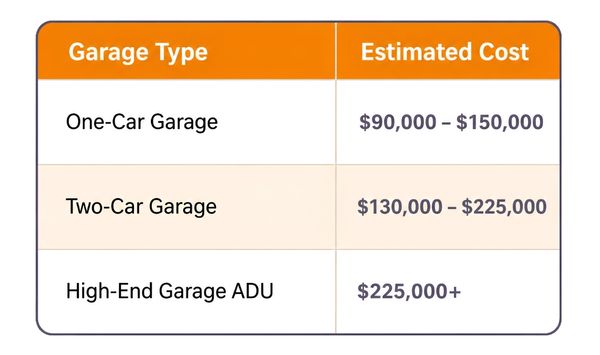
Average Garage Conversion ADU Costs
These are planning ranges only. Your actual cost can be higher or lower depending on your property, town, utility access, septic or sewer conditions, and construction scope. Current ADU cost guides commonly show garage conversion ADUs reaching six figures when full kitchen, bathroom, utility, and code upgrades are included.
These are planning ranges only. Your actual cost can be higher or lower depending on your property, town, utility access, septic or sewer conditions, and construction scope. Current ADU cost guides commonly show garage conversion ADUs reaching six figures when full kitchen, bathroom, utility, and code upgrades are included.
The most honest answer is that a garage ADU conversion should not be priced from square footage alone. Two garages with the same square footage can have very different budgets if one needs plumbing, slab repair, septic upgrades, drainage work, or major electrical improvements.
Detailed Cost Breakdown
Design and Engineering
Design and engineering cover floor plans, code review, structural review, layout planning, and construction documents needed for permitting.
Permits and Fees
Permits and fees can include zoning applications, building permits, trade permits, health department review, and inspection-related costs.
Foundation Upgrades
Foundation upgrades may be needed if the garage slab is cracked, uneven, poorly insulated, damp, or not suitable for finished living space.
Plumbing Installation
Plumbing is often one of the biggest cost drivers because a legal ADU usually needs a bathroom, kitchen, hot water, drainage, and sewer or septic connection.
Electrical Upgrades
Electrical work may include new circuits, panel upgrades, lighting, outlets, appliance wiring, smoke and carbon monoxide systems, and code compliance.
HVAC Systems
HVAC systems provide heating, cooling, and ventilation so the garage converted to ADU is comfortable throughout Connecticut’s seasonal weather.
Insulation and Energy Code Compliance
Garages are often under-insulated, so walls, ceilings, floors, windows, and doors may need upgrades to meet energy and comfort requirements.
Interior Finishes
Interior finishes include drywall, flooring, trim, paint, cabinetry, countertops, tile, and other visible features that affect both cost and livability.
Appliances and Fixtures
Appliances and fixtures may include a refrigerator, range, microwave, sink, toilet, shower, vanity, lighting, and laundry equipment if included.
Landscaping and Exterior Improvements
Exterior improvements may include walkways, stairs, ramps, drainage, siding repairs, lighting, private entrances, patios, or screening for privacy.
Hidden Costs
Hidden costs are frequently cited as one of the biggest homeowner surprises during ADU projects, so transparency matters.
Common hidden or overlooked costs include:
Utility upgrades
Drainage issues
Structural repairs
Code compliance requirements
Septic review or septic upgrades
Survey needs
Fire separation work
Trenching for detached garages
Driveway or parking changes
Moisture control
Window and egress upgrades
The starting price is not always the real price. The real price depends on what has to happen to make the unit legal, safe, comfortable, and approved by the town.
Garage Conversion ADU Timeline
A garage conversion ADU can often be completed faster than a new construction ADU because the building shell already exists. Still, the timeline depends heavily on design, permitting, utility work, inspections, contractor availability, and municipal review.
Typical Timeline Overview
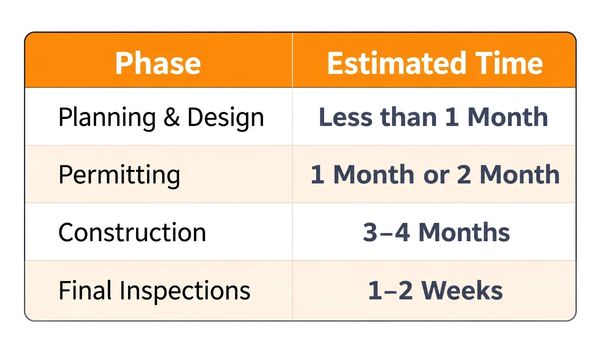
A realistic total timeline is often several months from first planning conversation to final occupancy. The construction phase may be shorter than a new ADU, but the full project timeline includes design, decisions, permit review, and inspections.
Factors That Affect Project Timelines
The most common timeline factors include:
Municipality
Permit complexity
Utility upgrades
Weather conditions
Contractor availability
Septic or sewer review
Survey availability
Structural repairs
Material lead times
Inspection scheduling
Most garage conversion projects are completed faster than new ADU construction because the building shell already exists. However, that advantage can disappear if the garage has major structural, utility, moisture, or code issues.
Garage Conversion ADU vs. New Construction ADU
A garage conversion ADU and a new construction ADU can both create valuable living space, but they are very different projects.
A garage conversion starts with an existing structure. A new construction ADU starts from scratch. That difference affects cost, timeline, design flexibility, and long-term use.
Cost Comparison
A garage conversion ADU is often more cost-effective because the foundation, roof, and exterior walls may already exist. However, if the garage needs major repairs, utility upgrades, or structural work, the savings can shrink.
A new construction ADU usually costs more because it requires new site work, foundation, framing, roofing, exterior finishes, utilities, and full construction from the ground up.
Timeline Comparison
Garage conversions can often move faster because there is less new exterior construction. New ADUs typically take longer because they require more site preparation and full building construction.
Permitting can vary for both. A simple garage ADU conversion in a town with clear rules may move quickly. A detached new ADU on a complex lot may take longer.
ROI Comparison
Return on investment depends on how the ADU is used. Rental income, increased property flexibility, multigenerational housing, and future resale appeal can all contribute to value.
A garage conversion may offer stronger ROI if it creates legal rentable space at a lower total investment. A new construction ADU may offer stronger long-term value if the homeowner wants a custom layout, larger footprint, or more privacy.
Rental Income Potential
A detached garage ADU conversion may have strong rental appeal because it can feel private and separate. An attached garage ADU conversion can also work well as a rental if the entrance, sound separation, layout, and parking are handled properly.
Rental income depends on local market demand, location, unit size, condition, privacy, parking, and town rules.
Property Value Impact
A legal ADU can make a property more flexible and attractive to buyers who want rental income, family housing, guest space, or future downsizing options. The key word is legal. A permitted, code-compliant ADU is much more valuable than an unpermitted garage apartment.
Common Challenges When Converting a Garage Into an ADU
Converting a garage into an ADU can be a smart project, but it comes with challenges homeowners should understand early.
Low Ceiling Heights
Some garages do not have enough ceiling height for comfortable or code-compliant living space. This can affect lighting, insulation, HVAC, and overall layout.
Slab Foundation Issues
Garage slabs may not be insulated, level, dry, or built to the same standard as interior living space. Moisture and cracking should be evaluated before design is finalized.
Insulation Deficiencies
Most garages were not built for year-round living. Walls, ceilings, floors, garage doors, and windows may need major insulation upgrades.
Utility Upgrades
Adding a kitchen and bathroom can require significant plumbing, electrical, sewer, septic, and HVAC work.
Parking Replacement Requirements
Some towns may require parking review when a garage parking space is removed or when a new dwelling unit is added. Connecticut law limits certain parking requirements for accessory apartments, but local rules and property conditions still need to be reviewed.
Fire Separation Requirements
Attached garages may require fire-rated separation from the main home. This can affect walls, ceilings, doors, mechanical systems, and access points.
Design Ideas for Garage ADU Conversions
Design makes a major difference in how livable a garage conversion ADU feels. A well-planned garage ADU should not feel like someone is living in a garage. It should feel like a small, intentional home.
Studio ADU Layout
A studio garage conversion ADU works well for smaller garages. The sleeping, living, and kitchen areas share one open space, while the bathroom is enclosed.
This layout is often best for:
Rental units
Guest space
Adult children
Compact living
Budget-conscious conversions
The key is storage. Built-ins, tall cabinets, pocket doors, and efficient kitchen design can make a studio feel much larger.
One-Bedroom ADU Layout
A one-bedroom ADU layout creates more privacy and can improve rental appeal. This is usually easier in a two-car garage or larger detached garage.
This layout is often best for:
Long-term rentals
In-law suites
Couples
Adult children
Future downsizing
The bedroom should feel separate, quiet, and comfortable. Window placement, closet space, and bathroom access matter.
Aging-in-Place ADU Design
An aging-in-place garage ADU conversion focuses on comfort, safety, and one-level living. This can be a strong option for housing a parent close to family while preserving privacy.
Features may include:
One-level layout
No steps where possible
Wider doorways
Walk-in shower
Good lighting
Easy access to the main home
Separate entrance
Space for mobility support
For many families, this is not just a construction project. It is a care planning decision.
Rental-Friendly Floor Plans
A rental-friendly garage conversion ADU should feel private, durable, and easy to maintain.
Important features include:
Separate entrance
Private bathroom
Functional kitchen
Good sound separation
Durable flooring
Efficient heating and cooling
Clear parking plan
Laundry access if possible
A rental unit should also be designed with maintenance in mind. Durable finishes may matter more than luxury finishes.
Energy-Efficient Features for New England Climates
Connecticut weather makes energy efficiency important. A garage ADU should be comfortable in winter and summer.
Useful features may include:
High-quality insulation
Efficient windows
Air sealing
Heat pump systems
Energy-efficient appliances
Proper ventilation
Moisture control
Durable exterior doors
Energy efficiency is not just about utility bills. It affects comfort, durability, and long-term performance.
Is a Garage Conversion ADU Worth It?
For many Connecticut homeowners, a garage conversion ADU can absolutely be worth it. The strongest reason is flexibility. One project can solve several needs over time.
A garage conversion ADU can create a private space for a parent, a rental unit for income, a home for an adult child, a guest suite, or a future downsizing option. Instead of letting a garage sit underused, the homeowner can turn it into functional living space.
Benefits
The biggest benefits include:
Rental income
Increased property value
Housing flexibility
Multigenerational living
Better use of existing space
Private living area on the property
Potentially lower cost than new construction
Faster timeline than many new builds
For homeowners who want to keep family close with privacy, an ADU in garage space can be especially appealing. It creates separation without distance.
Potential Drawbacks
The potential drawbacks include:
Loss of parking
Upfront investment
Permit requirements
Structural limitations
Utility upgrade costs
Possible septic concerns
Less design flexibility than new construction
These drawbacks do not mean the project is a bad idea. They mean the project needs to be evaluated honestly before a homeowner commits.
ROI Expectations in Connecticut
ROI expectations in Connecticut depend on local rental demand, town rules, property value, build cost, and the long-term use of the unit.
A garage ADU conversion may offer strong value when:
The garage is structurally sound
Utilities are accessible
The town allows the proposed use
The layout supports rental or family use
The project is properly permitted
The total cost stays within a realistic investment range
The best ROI does not always come from the cheapest project. It comes from the project that is legal, useful, durable, and aligned with what the property can actually support.
Connecticut Garage Conversion ADU Requirements by City
Connecticut garage conversion ADU requirements vary by city and town. Always verify current regulations before starting design or construction.
Hartford
Hartford homeowners should start with the city’s Planning & Zoning Division, which manages land use regulations, plan review, zoning applications, and compliance processes.
Stamford
Stamford’s zoning regulations govern land use, setbacks, building shape, parking, open space, historic preservation, and related requirements, and the city notes that its regulations are updated with recent text amendments.
New Haven
New Haven provides a dedicated zoning and regulations page that includes its Accessory Dwelling Unit Zoning Ordinance along with the city zoning ordinance and related land use resources.
Bridgeport
Bridgeport homeowners should review the city’s Zoning Department resources and Zone Bridgeport, which presents the city’s zoning code and zoning map.
Norwalk
Norwalk maintains an official Accessory Dwelling Units page with accessory dwelling unit regulation updates, planning materials, and related public documents.
Frequently Asked Questions
What is a garage conversion ADU?
A garage conversion ADU is a legal accessory dwelling unit created by converting an existing garage into independent living space with a sleeping area, bathroom, kitchen, utilities, and code-compliant occupancy.
How much does it cost to convert a garage to an ADU in Connecticut?
In Connecticut, a garage conversion ADU may commonly fall in the $90,000 to $225,000+ planning range depending on garage size, condition, utilities, septic or sewer access, permit requirements, and finish level.
How long does it take to convert a garage into an ADU?
A typical garage conversion ADU may take several months from planning to final inspection. Planning and design may take 2–6 weeks, permitting may take 1–4 months, construction may take 2–5 months, and final inspections may take 1–3 weeks.
Can I convert an attached garage into an ADU?
Yes, an attached garage ADU conversion may be possible if your town allows it and the garage can meet zoning, building, fire safety, utility, and occupancy requirements.
Can I convert a detached garage into an ADU?
Yes, a detached garage ADU conversion may be possible in many Connecticut towns, but it depends on local zoning, setbacks, utility access, lot conditions, parking, septic or sewer capacity, and building code requirements.
Do I need a permit for a garage conversion ADU?
Yes. A legal garage conversion to ADU typically requires permits. This may include zoning approval, building permits, electrical permits, plumbing permits, HVAC permits, inspections, and health department review when septic or well systems are involved.
Will a garage ADU conversion increase my home's value?
A permitted garage ADU conversion can increase the usefulness and appeal of a property by adding legal living space, rental potential, multigenerational housing flexibility, or future downsizing options. The value impact depends on the quality of the project and local market demand.
Can I rent out a garage converted to ADU?
In many cases, yes, but rental use depends on local rules, lease terms, owner occupancy requirements, parking, safety codes, and whether the ADU was legally approved for occupancy.
What is the cheapest way to convert a garage to an ADU?
The cheapest way to convert garage to ADU is usually to work with the existing structure as much as possible, keep plumbing close to existing utility lines, choose a simple layout, avoid unnecessary structural changes, and identify code issues early.
Is converting a garage to an ADU cheaper than building a new ADU?
Often, yes. Converting a garage to an ADU can be cheaper than building a new ADU because the structure already exists. However, if the garage needs major foundation repairs, utility extensions, or structural upgrades, the cost difference may be smaller.
What are the biggest hidden costs when converting a garage into an ADU?
The biggest hidden costs often include plumbing, electrical upgrades, septic review, slab repairs, drainage, insulation, fire separation, utility trenching, surveys, code compliance, and exterior access improvements.
Can I finance an ADU garage conversion?
Many homeowners explore financing options such as home equity loans, HELOCs, renovation loans, construction financing, or cash-out refinancing. The right option depends on equity, credit, project cost, and lender requirements.
How much rental income can a garage conversion ADU generate?
Rental income depends on the city, neighborhood, unit size, privacy, parking, finishes, and local rental demand. A legal, well-designed detached garage ADU conversion may appeal strongly to renters because it offers privacy and separation.
Are garage ADU conversions legal throughout Connecticut?
Garage ADU conversions may be legal in many parts of Connecticut, but requirements vary by municipality. Before starting design or construction, homeowners should confirm whether their town allows the proposed ADU type and what zoning, permit, and property conditions apply.
Transform Your Space With an ADU
Garage conversion ADUs are often one of the fastest and most cost-effective ADU options because the building shell already exists. Still, the project should be approached with clear expectations. Permitting, utility upgrades, structural conditions, septic or sewer capacity, and construction complexity can significantly affect budgets and timelines.
Homeowners should review local regulations before beginning any garage conversion to ADU project. The best first step is not guessing at the final price. It is understanding what is possible on the property, what the town may allow, and what upgrades may be needed to make the unit legal and comfortable.
Working with an experienced ADU design-build team can streamline the process and reduce costly surprises. A good team can help you evaluate feasibility, understand pricing, plan the layout, prepare for permits, and move from idea to finished living space with more confidence.
Whether your goal is rental income, a private small home on the property, an in-law suite, or a flexible place for family, a garage conversion ADU can turn unused space into something that solves a real need.


Copyright 2026. All rights reserved. Norwalk, CT
Connecticut's New Home Construction Contractor License: #NHC.0017654
EPA Lead-Safe Certified NAT-F269966-1