


















Knowledge Center: Your Go-To Resource for ADUs and Tiny Living
Knowledge Center: Your Go-To Resource for ADUs and Tiny Living
Email [email protected]
Phone 860-TINY-HOM (es)

Best Backyard ADU Placement in Connecticut for Privacy
Many homeowners like the idea of building an ADU in the backyard.
It sounds simple at first.
You have extra space. You want a private small home on the property. Maybe it is for a parent. Maybe it is for an adult child. Maybe it is for rental income now and downsizing later.
Then the real questions start.
Where can the ADU actually go? Will it feel private? Will it be too close to the main house? Will the town allow it? Will utilities, septic, setbacks, parking, or wetlands change the plan?
These are the right questions to ask before choosing an ADU floor plan.
The best backyard ADU placement is not always the biggest open area on the lot. It is the area that balances privacy, legal buildability, cost, access, and long-term use.
If you are planning a backyard living space in Connecticut, this guide will help you understand what makes one placement better than another. It will also show what to check before you build an ADU in your backyard.
View Our ADU Models
The Best ADU Placement Is the Most Private Buildable Spot on Your Property
The best ADU placement is usually the spot that gives the resident privacy while still meeting town rules and site requirements.
That means the best location is not just a design choice.
It is a feasibility choice.
A good placement should answer five basic questions.
Can the ADU legally go there?
Can utilities reach it without creating major cost issues?
Can someone enter and exit safely?
Will it feel separate from the main house?
Will it work for the person who will live there?
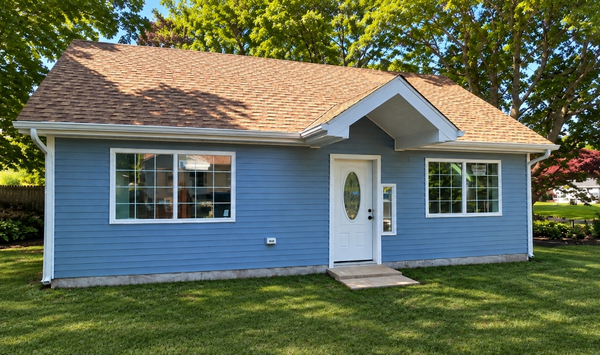
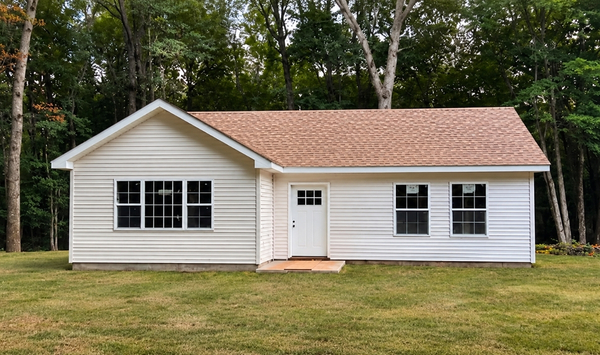
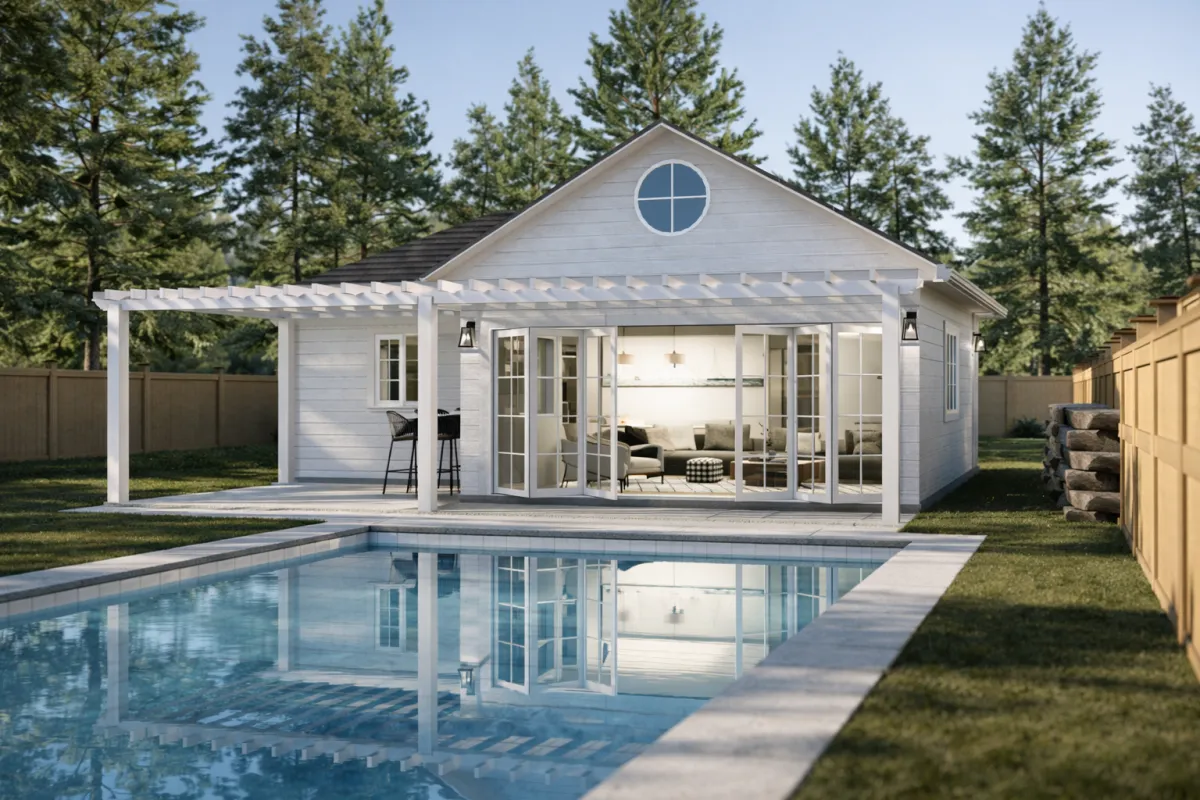
For many homeowners, the best spot is in the rear yard. A rear yard ADU can create natural separation from the main home. It can also give the resident a more independent feel. This is often important when the ADU will be used as an in-law suite or a backyard living space for mom or dad.
A side yard can also work well. This is especially true if the side yard gives better access from the driveway. A side placement may also keep the ADU closer to utilities.
A garage conversion ADU may be the right answer if the existing garage is in a strong location. It can save yard space and create a clear separate entrance.
But none of these options should be chosen without checking the property first.
In Connecticut, state law sets a baseline for accessory apartments, including attached or detached options on the same lot in certain cases, but local review still matters. Town rules, opt-out history, lot conditions, and health requirements can affect what is possible.
This is why the smartest first step is not picking a model.
The smartest first step is finding out what is actually possible on your property.
A private ADU placement should also protect the relationship between the main house and the ADU.
That means thinking about windows, doors, walkways, parking, outdoor space, and sound. A 10 foot shift in placement can make a big difference. So can turning the entrance away from the main house. So can adding fencing, landscaping, or a small patio that gives the ADU its own sense of home.
Privacy is not only about distance.
It is about how the space lives every day.
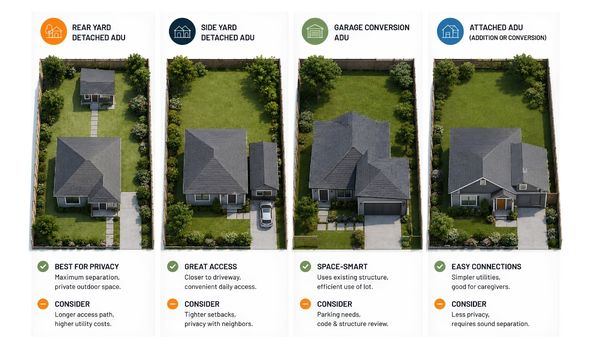
ADU Placement Options and the Process for Choosing the Right One
There are several ways to place an ADU on a residential lot.
Each option has benefits. Each option also has tradeoffs.
The right choice depends on the lot, the town, the intended use, and the person who will live in the unit.
Rear Yard ADU Placement
A rear yard ADU is one of the most common choices for privacy.
It can feel like a true backyard cottage or second small home on the property. It also creates separation from the main house. This can be helpful for family living because it gives everyone breathing room.
Rear yard placement works especially well when the goal is to keep family close with privacy.
It can also work well for rental income. A tenant can have a separate path, a separate entrance, and a more private outdoor area.
The main issue is access.
If the ADU sits far from the driveway, the walkway may be longer. That can matter in winter. It can also matter if the ADU is for an older parent or someone who needs one level living with no steps.
The second issue is utilities.
A rear yard location may require longer trenching for electric, water, sewer, or gas. Longer utility runs can add cost. This is one reason the prettiest location may not be the best location.
Side Yard ADU Placement
A side yard ADU can be a strong option when the lot has enough width.
It may allow the ADU to sit closer to the driveway. It may also give the resident a direct path to the entrance without walking through the main backyard.
This can be a better daily living setup.
Side yard placement can also reduce utility distance if the connection points are nearby.
The challenge is setbacks.
Side yards are often tighter. Window placement also matters. A side yard ADU should not feel like it is staring into the main house or a neighbor’s home.
Good design can solve some of this.
Windows can be placed higher. Entry doors can face a more private direction. Landscaping can soften the view. A fence can separate the ADU from the main outdoor space.
Garage Conversion ADU
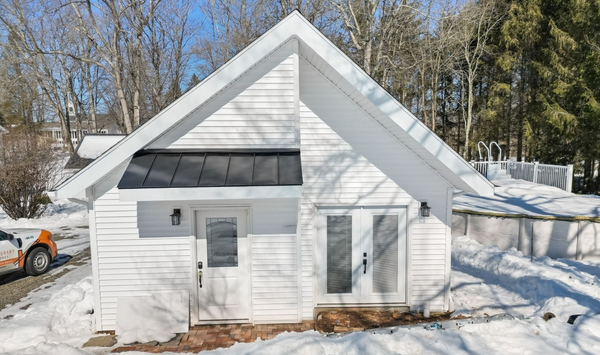
A garage conversion ADU can make sense when the garage already sits in a useful location.
This option may work well when the garage has a direct driveway connection, a clear entrance, and enough room to create a livable floor plan.
A garage conversion can be a smart way to create an in-law suite or small rental unit without using as much open yard space.
But it still needs careful review.
The structure must be suitable. The foundation, ceiling height, insulation, utilities, windows, fire separation, and building code requirements all matter.
Parking also needs to be considered.
If the garage is converted, where will the cars go? Will the ADU resident need a space? Will the town require a parking review?
A garage conversion ADU is not always simpler. But when the building and lot are a fit, it can be a practical option.
Attached ADU Placement
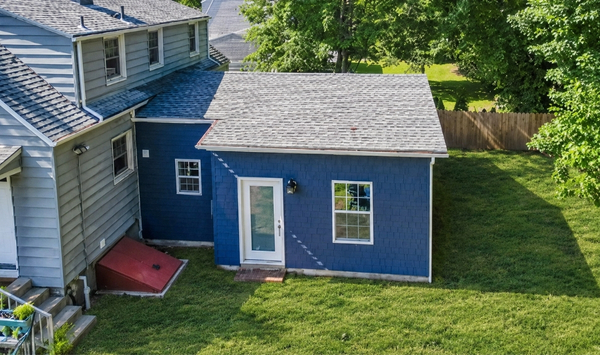
An attached ADU can be a good choice when the lot is too tight for a detached ADU.
This may involve an addition to the main house or converting part of the existing home.
Attached ADUs can be easier for utility connections. They can also be helpful when the ADU is for a parent who needs more support.
The tradeoff is privacy.
An attached unit needs careful planning. It should have a separate entrance when possible. It should have sound separation. It should feel like its own living space, not just a spare room.
For some families, attached is the right choice.
For others, detached is better because it gives more independence.
Step 1: Start With the Use Case
Before looking at the lot, define the reason for the ADU.
Is it for a parent?
Is it for rental income?
Is it for an adult child?
Is it for guests?
Is it for you to live in later while someone else uses the main home?
This matters because the use case affects placement.
A parent may need the shortest and safest path from the driveway. A renter may need more separation. A future downsizing plan may need better outdoor space and storage.
Step 2: Review the Buildable Area
Next, look at the lot.
This includes the property lines, setbacks, existing structures, driveway, trees, slopes, wetlands, septic, sewer, and utility connections.
A survey is helpful here.
Without a current survey, early placement is more of an estimate. A feasibility review can still help, but accurate documents make the process cleaner.
Step 3: Compare Privacy and Cost
Once the buildable areas are clear, compare them.
One spot may offer better privacy. Another may cost less because utilities are closer. Another may be better for accessibility.
The right answer is often a balance.
You do not want a private ADU that becomes too expensive because it is too far from utilities. You also do not want a cheaper location that feels awkward, cramped, or too exposed.
Want to know whether your property is a fit for a backyard ADU? Schedule a consultation to review feasibility, placement options, and next steps before choosing a final design.

Cost, Timeline, and What to Expect With ADU Placement
ADU placement can affect the total project cost.
This is one of the most important things to understand early.
Two ADUs with the same floor plan can have different costs because the lots are different.
One property may have easy utility access. Another may need long trenching. One may have public sewer. Another may need septic review. One may have a flat yard. Another may need grading, drainage work, or tree removal.
The ADU itself is only one part of the project.
The site is the other part.
What Can Affect Cost
The biggest placement related cost factors usually include utilities, septic, grading, driveway access, drainage, permitting, and site work.
Utility distance matters.
If the ADU is far from the main house or existing connection points, trenching can become more involved. Electric, water, sewer, gas, or other services may need to be extended.
Septic can also be a major factor.
For properties without public sewers, Connecticut public health rules require local health review in certain building conversion, addition, and accessory structure situations to confirm whether a code complying septic area exists. Soil data or testing may be needed when information is not available.
This can affect where an ADU can go.
It can also affect timeline and budget.
Wetlands can create another layer of review. So can steep slopes, narrow lots, awkward access, or limited parking.
This is why the first price conversation should never be only about the model.
It should also include what is known, what is not known, and what still needs review.
What Can Affect Timeline
The timeline is also tied to placement.
A simple lot can move faster than a complicated lot.
A more complex property may need survey work, soil testing, engineering, health department review, zoning review, or extra design coordination.
The full process may include feasibility review, site planning, design, pricing, permit preparation, town review, site work, construction, inspections, and move in planning.
It is easy to focus only on construction time.
But the homeowner should understand the full timeline from first call to move in.
This is especially important when the ADU is being built for a parent, a health need, a home sale, or rental income.
A clear timeline helps the family plan.
It also helps avoid frustration later.
What to Expect During a Feasibility Review
A good feasibility review should give you more than a generic yes.
It should help you understand what may fit on the property, where it may fit, what risks exist, and what the next step should be.
The review should look at:
Property layout.
Town rules.
Attached or detached options.
Setbacks.
Septic or sewer.
Utility access.
Driveway and parking.
Wetlands or slopes.
Accessibility needs.
Preferred size and layout.
Budget comfort.
Timeline.
Decision makers.
The goal is not to pressure you into a plan.
The goal is to reduce uncertainty.
That way, you can decide whether a 1 bedroom ADU, 2 bedroom ADU, garage conversion ADU, or attached ADU makes the most sense.
The best ADU builders do not start with hype.
They start with the property.
Mistakes to Avoid About Backyard ADU Placement
ADU placement mistakes can cost time, money, and momentum.
Most mistakes happen when homeowners start with the design before checking the site.
Here are the biggest ones to avoid.
Mistake 1: Choosing the Most Open Spot First
The most open spot may not be the best buildable spot.
It may be too close to a setback. It may sit over a septic area. It may require long utility runs. It may be near wetlands. It may not allow safe access.
Start with feasibility first.
Then design around what the property can support.
Mistake 2: Ignoring Sightlines
Privacy is not only about where the ADU sits.
It is also about where it faces.
Think about the front door. Think about bedroom windows. Think about patios. Think about the path from the driveway.
An ADU can feel much more private if it is turned slightly, screened with landscaping, or given its own outdoor zone.
Mistake 3: Forgetting About Winter Access
A backyard path may look fine in summer.
But it needs to work all year.
Can someone walk safely when it rains or snows? Can the path be lit? Can it be cleared? Is it too steep for an older parent?
These details matter.
They matter even more when the ADU is designed for one level living.
Mistake 4: Not Including the Other Decision Maker
Many ADU projects involve more than one person.
A spouse, parent, adult child, or co-owner may need to approve the plan.
Bring them into the conversation early.
This helps avoid delays later.
Mistake 5: Treating Pricing Like a Single Number
A starting price is helpful.
But it is not the whole story.
Ask what is included. Ask what is not included. Ask what could change after site review.
This is especially important for utilities, septic, appliances, surveys, permits, and site work.
Let’s Review Your Property
Frequently Asked Questions
Can I Build an ADU on My Property?
Maybe.
The answer depends on your town rules, zoning district, lot layout, septic or sewer setup, utilities, parking, wetlands, and intended use.
A feasibility review is the best way to get a property specific answer.
Is a Detached ADU More Private Than an Attached ADU?
Usually, yes.
A detached ADU often gives more separation. It can feel like a private small home on the property.
But attached ADUs can still work well when the design includes a separate entrance, sound control, and a clear layout.
Should I Pick the Floor Plan First?
No.
Start with the property.
Once the buildable area is clear, then choose an ADU floor plan that fits. This avoids wasted time and helps control expectations.
What Is the Best ADU Placement for a Parent?
The best placement for a parent is usually close enough for support but separate enough for independence.
Look for safe access, minimal steps, good lighting, privacy, and a practical distance from the driveway.
A one level layout may also be important.
Can a Backyard ADU Be Used for Rental Income?
Yes, in many cases.
But rental use should be reviewed with town rules, lease goals, parking, privacy, and long term plans.
Some homeowners want rental income now and family use later. The placement should support both if possible.
Start With Feasibility Before You Choose the ADU Location
The best backyard ADU placement is the location that works for the property and the person who will live there.
It should feel private.
It should be legal.
It should have safe access.
It should make sense for utilities.
It should support your budget and timeline.
For some homes, the right answer is a rear yard detached ADU. For others, it may be a side yard ADU, garage conversion ADU, or attached ADU.
The only way to know is to review the property before committing to a final plan.
If you are thinking about building a backyard living space, in-law suite, or private small home on your property, talk with a Connecticut ADU builder before you choose the location.
Book a consultation with Contemporary Tiny Homes to review your property, explore ADU placement options, understand cost factors, and get clear next steps for your project.
Assess Project Feasibility


Copyright 2026. All rights reserved. Norwalk, CT
Connecticut's New Home Construction Contractor License: #NHC.0017654
EPA Lead-Safe Certified NAT-F269966-1