





















Knowledge Center: Your Go-To Resource for ADUs and Tiny Living
Knowledge Center: Your Go-To Resource for ADUs and Tiny Living
Email [email protected]
Phone 860-TINY-HOM (es)
What Is the Best ADU Type for Your Connecticut Property: Attached, Detached, or Garage Conversion?
Choosing the best ADU type for your Connecticut property can feel confusing.
You may know you want more usable living space. You may want a private place for a parent. You may want rental income. You may want a guest suite, backyard home, or future downsizing option.
But the next question is harder.
Should you build an attached ADU, a detached ADU, or a garage conversion ADU?
The right answer depends on your property, your town rules, your budget, your privacy needs, and how you plan to use the space. A detached ADU may be ideal for one homeowner. An attached ADU may make more sense for another. A garage conversion may be the smartest option if the existing structure is suitable.
This guide explains the main ADU types, what to expect with cost and timeline, and the mistakes to avoid before choosing the best accessory dwelling unit for your home.
What Is the Best ADU Type for a Connecticut Property?
The best ADU type is the one your property can legally support, your budget can handle, and your family or rental goal can use long term.
For many homeowners, a detached ADU is best for privacy. It creates a separate backyard living space away from the main home.
An attached ADU is often best when family connection matters. It can keep a parent, adult child, caregiver, or guest close while still offering some separation.
A garage conversion ADU can be best when the garage is already in a good location and can be upgraded into legal living space.
But the real answer starts with feasibility.
Before you choose a floor plan, you need to know what is possible on your lot. Setbacks, septic, sewer, wetlands, parking, utility access, lot shape, and town rules can all affect the project.
This is why a property review matters. It helps answer the questions that usually come first:
Can I build an ADU on my property?
Where can it go?
Can it be attached or detached?
Will septic or utilities affect cost?
What approvals are needed?
What is the best next step?
Connecticut homeowners are often not starting with design. They are starting with risk. They want to know if the ADU is legal, what the real cost may be, and whether it will solve their family or income need.
What ADU Options Should You Compare?
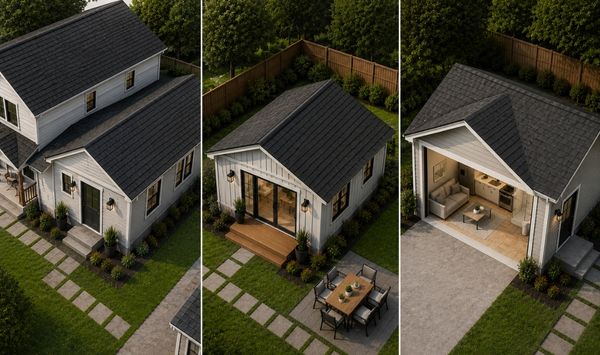
There are three main ADU options most homeowners compare: attached ADUs, detached ADUs, and garage conversion ADUs.
Each option has strengths. Each option has limits. The right choice depends on your property and your goal.
Attached ADU
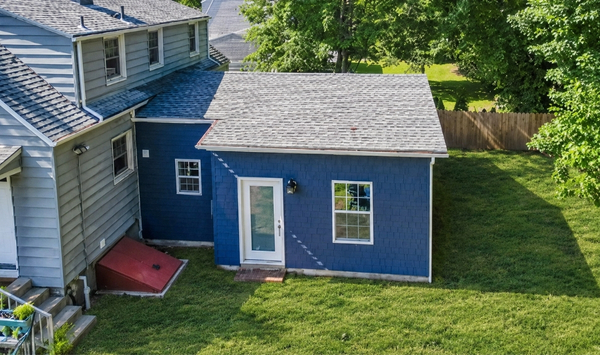
An attached ADU is connected to the main home.
It may be built as a home addition. It may also be created by converting part of the existing house into a separate living space.
This option can work well when you want family close. For example, an attached ADU may be a good fit for an aging parent who needs support nearby. It can also work for an adult child, caregiver, guest, or future downsizing plan.
An attached accessory dwelling unit may include a bedroom, bathroom, kitchenette or kitchen, living area, and separate entrance.
The biggest benefit is connection. The ADU occupant is close to the main home. This can make daily support easier.
Attached ADUs may also work better on smaller lots where a detached structure is difficult. If your backyard has tight setbacks, wetlands, septic restrictions, or limited access, an attached option may be more practical.
But there are tradeoffs.
An attached ADU may offer less privacy than a detached ADU. It may also require changes to the main home. Plumbing, electrical work, HVAC, layout changes, and code requirements can all affect the cost.
Detached ADU
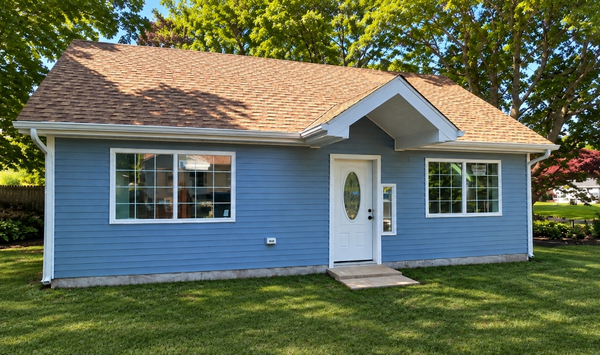
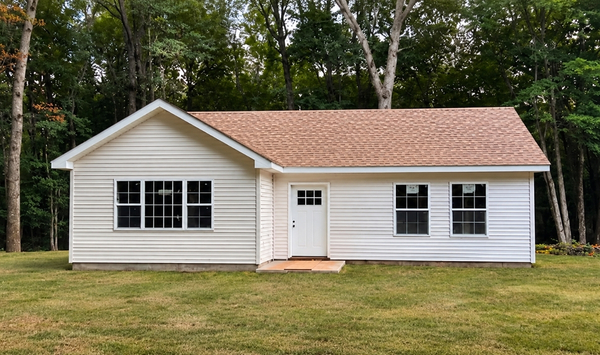
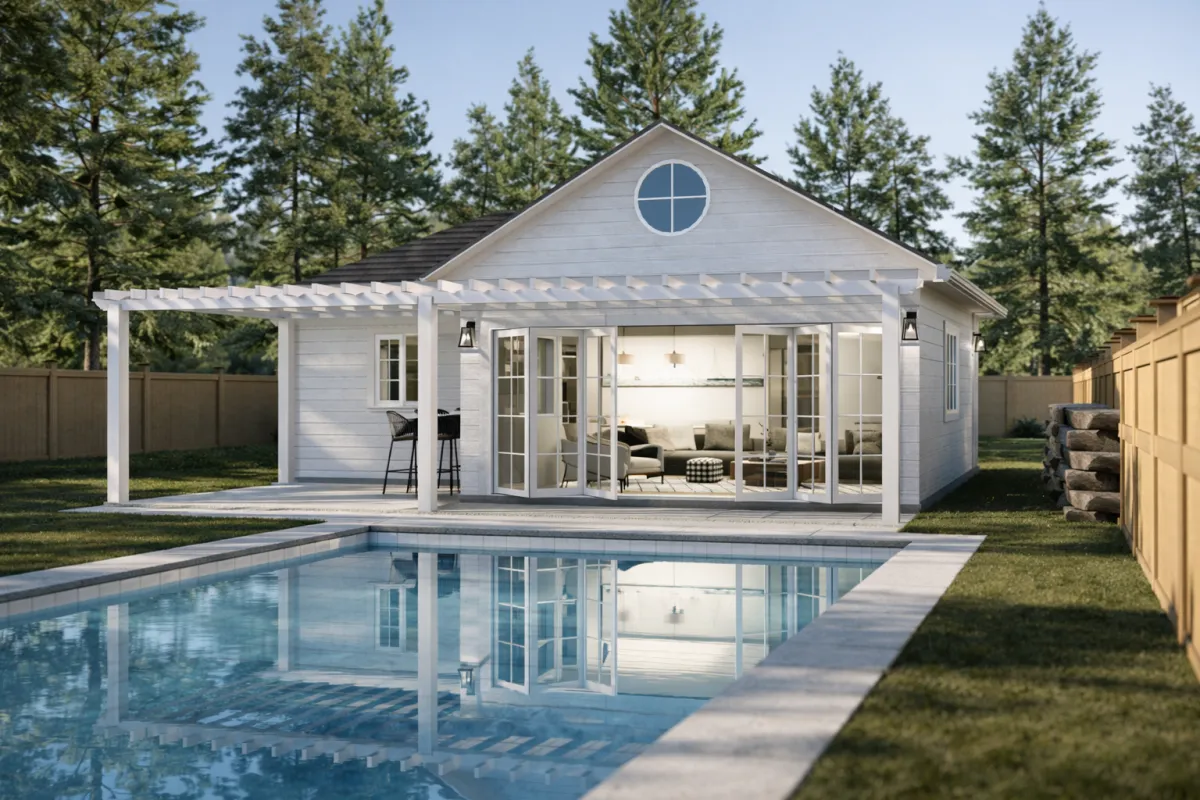
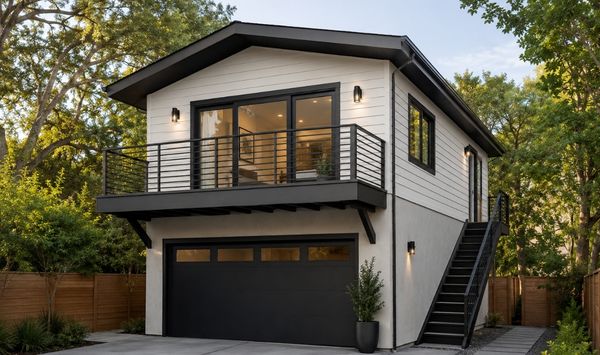
A detached ADU is a separate structure on the same property as the main home.
It may look like a backyard cottage, guest house, in-law suite, small home, or private backyard living space.
This option is often best when privacy matters most.
A detached ADU gives the occupant more independence. It can be a strong fit for rental income, multigenerational living, guest space, a caregiver, or a future downsizing plan.
Many homeowners like this option because it creates a private small home on the property. It can keep family close without everyone living under the same roof.
A detached ADU may also feel more flexible over time. It might be used for a parent now, a renter later, and your own downsizing plan in the future.
But detached ADUs often need more site work.
They may require a new foundation, utility trenching, water connections, sewer or septic review, electric service, heating and cooling, drainage planning, grading, walkways, and access planning.
Placement also matters. The unit needs to fit the lot. It must respect setbacks, property lines, wetlands, parking needs, and local requirements.
Garage Conversion ADU
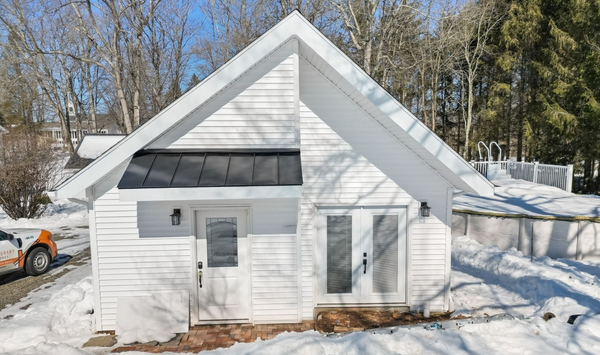
A garage conversion ADU turns an existing garage into livable space.
This can be a smart option when the garage is in the right location and the structure is in good condition.
A garage conversion may work well if you already have a detached or attached garage that is not being used well. Instead of building a new structure, you may be able to convert existing square footage into a guest suite, in-law suite, rental unit, or private living space.
This option may reduce some exterior construction needs. The basic structure already exists.
But a garage conversion is not always simple.
The garage must be able to meet living space standards. It may need insulation, plumbing, electrical upgrades, HVAC, windows, flooring, drywall, proper ceiling height, fire safety updates, moisture control, and code-compliant entry.
The garage location also matters. If it is too close to a property line, difficult to access, or not suitable for plumbing and utilities, the project may be more complicated.
A garage conversion ADU can be a strong option. But it should be reviewed carefully before assuming it is the cheapest path.
Want to know which ADU type fits your property? Schedule a consultation to review feasibility, attached vs detached options, garage conversion potential, cost factors, permits, and next steps.
What Should You Expect With Cost, Timeline, and Process?
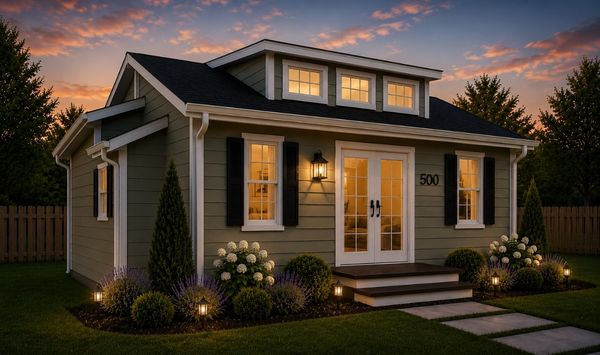
The cost of an ADU depends on the type of project and the condition of the property.
There is no single price that applies to every home. A detached ADU, attached ADU, and garage conversion ADU can all have very different cost factors.
The better question is not, “What does an ADU cost?”
The better question is, “What will an ADU cost on my property?”
Cost Factors for Attached ADUs
An attached ADU may save some distance on utilities because it connects to the main home. But it may require more work inside or along the existing structure.
Common cost factors include:
Design and layout changes
Kitchen or kitchenette
Bathroom construction
Plumbing and electrical work
HVAC connection or separate system
Separate entrance
Structural changes
Permits and inspections
Finishes and appliances
Attached ADUs can be practical, but they still need careful planning.
Cost Factors for Detached ADUs
A detached ADU often has more site-related costs.
Common cost factors include:
Foundation
Framing and roofing
Siding and exterior finishes
Utility trenching
Water, sewer, or septic connections
Electrical service
Heating and cooling
Drainage and grading
Walkways and access
Kitchen and bathroom buildout
Permits and inspections
Detached ADUs can offer excellent privacy, but the property must support the structure.
Cost Factors for Garage Conversion ADUs
A garage conversion ADU may seem simple because the structure already exists. But the condition of the garage matters.
Common cost factors include:
Insulation
Plumbing
Electrical upgrades
HVAC
Windows and doors
Floor leveling
Moisture control
Fire separation
Bathroom and kitchen buildout
Structural repairs
Permits and inspections
A garage conversion can be cost-effective in the right situation. But if the garage needs major upgrades, the investment can rise.
Timeline Expectations
The timeline depends on design, permits, town review, utility work, site conditions, and construction complexity.
A full ADU process may include:
Initial consultation
Property feasibility review
Site evaluation
Design planning
Budget review
Permit preparation
Town review
Utility planning
Construction
Inspections
Final walkthrough
A garage conversion may move faster if the structure is ready and permits are straightforward. A detached ADU may take longer because it often involves more site work and new construction. An attached ADU may depend on how much the main home needs to be modified.
Homeowners should think about the full path from first call to move-in, not only the construction period.
What Should Be Reviewed First?
Before choosing the best ADU type, review the property.
Important questions include:
Does the town allow this ADU type?
Can the ADU be attached or detached?
Where can it go?
Will setbacks affect placement?
Is there septic or sewer capacity?
How far are utilities from the proposed location?
Is there enough parking?
Are wetlands or drainage issues present?
Do you have a current survey?
Who will use the space now and later?
These answers help narrow the best option.
What Mistakes Should You Avoid When Choosing an ADU Type?
Choosing an ADU type too quickly can lead to delays, redesigns, or cost surprises.
Here are the biggest mistakes to avoid.
Mistake 1: Choosing Based on Photos Alone
It is easy to fall in love with a detached ADU design online.
But a beautiful design does not matter if it does not fit your lot.
Start with feasibility. Then choose the design.
Mistake 2: Assuming Detached Is Always Best
Detached ADUs are popular because they offer privacy. But they are not always the best fit.
A detached ADU may be harder if your lot is narrow, sloped, wooded, wet, or limited by setbacks. Utility distance can also add cost.
In some cases, an attached ADU or garage conversion may be more practical.
Mistake 3: Assuming a Garage Conversion Is Always Cheaper
A garage conversion may use an existing structure. But that does not guarantee a lower cost.
Older garages may need major upgrades. They may lack insulation, proper plumbing access, safe electrical systems, adequate windows, or code-compliant living conditions.
Always confirm the scope before assuming the savings.
Mistake 4: Ignoring Septic, Sewer, and Utilities
Utilities can affect every ADU type.
Detached ADUs may need long utility runs. Attached ADUs may need upgrades to the main home systems. Garage conversions may need new plumbing or electrical service.
Septic can be especially important. If your property uses septic, capacity and approvals should be reviewed early.
Mistake 5: Not Asking What Is Included
A starting price is not enough.
Ask what is included and what is excluded.
Does the number include design?
Permits?
Utility connections?
Site work?
Survey needs?
Septic review?
Foundation?
Appliances?
HVAC?
Inspections?
Homeowners often worry that the starting price is not the real price. Clear scope helps reduce that concern.
Mistake 6: Forgetting Future Use
Your ADU may serve more than one purpose.
It may be for a parent now and a renter later. It may be for guests now and an adult child later. It may be for rental income now and downsizing later.
The best ADU type should support your needs today and give you flexibility for the future.
Mistake 7: Not Thinking About Privacy
Privacy affects comfort and usability.
Think about the entrance. Think about parking. Think about windows. Think about sound. Think about outdoor space. Think about how close the ADU is to the main home and neighbors.
Detached ADUs often win on privacy. But attached ADUs and garage conversions can still work well with the right layout.
Mistake 8: Waiting Too Long to Talk to an ADU Contractor
A full-service ADU contractor can help you understand what is possible before you spend time on the wrong plan.
That guidance can help you compare attached, detached, and garage conversion options based on real property conditions.
Frequently Asked Quetions
Is an attached ADU better than a detached ADU?
It depends on your property and goal. An attached ADU may be better for family connection. A detached ADU may be better for privacy and independence.
Is a garage conversion ADU worth it?
It can be worth it if the garage is structurally sound, located well, and able to meet code. It may not be worth it if the garage needs major upgrades or does not fit local requirements.
Which ADU type is best for rental income?
A detached ADU is often attractive for rental income because it offers privacy. But rental use depends on town rules, parking, layout, and approvals.
Which ADU type is best for aging parents?
An attached ADU or detached ADU can both work. The best choice depends on how much privacy and daily support the parent needs. One-level living, safe bathroom design, easy access, and no-step entry can be important.
Can every Connecticut property have an ADU?
No. Every property must be reviewed. Town rules, lot size, setbacks, septic, wetlands, utilities, and parking can affect what is possible.
What ADU Type Should You Choose?
The best ADU type for your Connecticut property depends on your lot, town rules, budget, privacy needs, utility access, and long-term goal.
Choose an attached ADU if connection to the main home matters.
Choose a detached ADU if privacy and independence matter most.
Choose a garage conversion ADU if the existing structure is suitable and the location works.
The best next step is a property-specific review. That will help you understand what is allowed, what it may cost, and which ADU option makes the most sense.
Contemporary Tiny Homes is a full-service ADU contractor that designs and builds custom accessory dwelling units for homeowners across Connecticut.
Ready to find out which ADU type fits your property? Book a consultation to review feasibility, attached vs detached options, garage conversion potential, cost factors, permits, and next steps.


Copyright 2026. All rights reserved. Norwalk, CT
Connecticut's New Home Construction Contractor License: #NHC.0017654
EPA Lead-Safe Certified NAT-F269966-1