


















Knowledge Center: Your Go-To Resource for ADUs and Tiny Living
Knowledge Center: Your Go-To Resource for ADUs and Tiny Living
Email [email protected]
Phone 860-TINY-HOM (es)
Best ADU Layouts for Connecticut Homeowners: Parent Suite, Rental, Office, or Guest Space
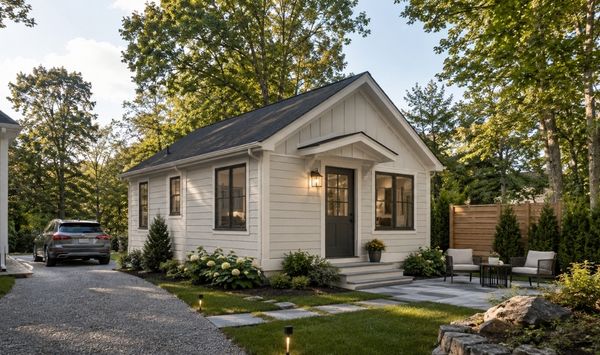
Choosing the best ADU layout for your Connecticut home starts with one question: what do you need this space to do?
Some homeowners want a private parent suite. Some want long term rental income. Others need a quiet home office, a guest house, or a flexible backyard living space that can change with the family over time.
An ADU, or accessory dwelling unit, can support all of those goals. But the right layout depends on more than design style. It depends on your town rules, property size, setbacks, septic or sewer, parking, utility access, budget, and whether the ADU will be attached or detached.
That is why the smartest first step is not choosing the prettiest floor plan. It is figuring out what is actually possible on your property.
What Is an ADU in Connecticut?
An ADU is a secondary living space on the same property as a primary home. Connecticut homeowners may also call it an in law suite, accessory apartment, backyard cottage, guest house, tiny home ADU, or private small home on the property.
Most ADUs include a living area, sleeping area, bathroom, kitchen or kitchenette, and private entrance. Depending on your town and property, the ADU may be attached to the main home, built inside an existing structure, added over a garage, or built as a detached ADU in the backyard.
For Connecticut homeowners, the layout decision usually comes down to use case. A parent suite needs comfort and easy movement. A rental ADU needs privacy and tenant-friendly function. A home office ADU needs separation and focus. A guest space needs flexibility.
The best ADU layout is the one that fits both your life and your lot.
Start With the Use Case Before the Floor Plan
Many homeowners start by asking, “What size ADU can I build?”
That is a fair question. But a better first question is, “Who will use this space, and how will they use it every day?”
A 600 to 900 square foot ADU can feel spacious when the layout matches the purpose. It can also feel frustrating if the wrong rooms are prioritized. For example, a parent suite may need a larger bathroom and easier circulation. A rental unit may need better storage and privacy. A home office may need natural light, sound control, and a clean client-ready entry.
Before choosing ADU floor plans, think through the daily routine. Who enters the space? Where do they park? Do they need no steps? Will they cook full meals? Will guests stay overnight? Will this become a long term rental later? Will you or a family member eventually move into it?
The answers should shape the layout.
Best ADU Layout for a Parent Suite or In Law Suite
For many Connecticut families, an ADU is about keeping a parent close without taking away independence.
This is where a parent suite or in law suite can be powerful. It gives an aging parent or family member their own private space while keeping them close enough for support, visits, meals, and peace of mind.
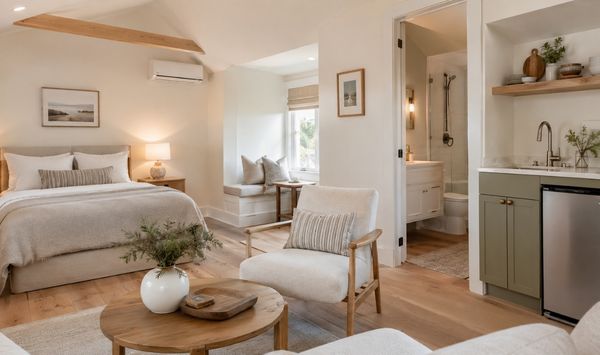
The best ADU layout for a parent suite is usually simple, open, and one level. A one-bedroom layout often works well because it creates a true bedroom, a full bathroom, a kitchen area, and a comfortable living space without wasting square footage.
Key Features for a Parent Suite
A strong parent suite layout should prioritize:
One-level living
Easy entry when the site allows
A bedroom close to the bathroom
Open kitchen and living area
Full bathroom with practical access
Washer and dryer space or easy laundry access
Good lighting
Minimal hallway waste
Storage for daily items
A separate entrance for privacy
If mobility is a concern, plan the layout early. Door widths, bathroom clearance, shower type, entry grade, walkway design, and furniture placement all matter. A layout that looks good on paper still needs to work for real daily living.
Attached or Detached for a Parent Suite?
An attached ADU may work well if the parent needs closer support or if connecting to existing utilities is more practical. It can feel connected to the main home while still offering separation.
A detached ADU may be better when privacy is the priority. It can feel like a true private small home on the property, especially when it has its own entrance, outdoor area, and comfortable distance from the main house.
For many families, the right answer comes from the property itself. Setbacks, driveway access, septic, sewer, slope, wetlands, and utility runs can all affect whether an attached ADU or detached ADU makes more sense.
Best ADU Layout for Long Term Rental Income
If your goal is rental income, the ADU layout should feel complete, private, and durable.
A rental ADU is not just extra space. It is a small home that needs to function well for a tenant. That means the layout should make everyday living easy.
A one-bedroom detached ADU is often a strong rental layout because it gives the tenant privacy and separation from the main home. A studio ADU can also work in some cases, especially for a single renter, but a defined bedroom may improve comfort and long term appeal.
Key Features for a Rental ADU
A rental-focused ADU should consider:
Private entrance
Clear walkway from parking
Functional kitchen
Full bathroom
Bedroom or defined sleeping area
Storage space
Laundry access
Sound separation
Durable finishes
Privacy from the main home
Rental ADU layouts also need to account for parking, local rental rules, utility preferences, and tenant experience. Some homeowners want separate metering where possible. Others want a layout that keeps the tenant area visually separate from the family’s backyard.
The best rental ADU layout balances privacy, code requirements, budget, and long term flexibility.
Rental Now, Family Later
Many Connecticut homeowners want an ADU that can work as a rental now and a family space later.
That is smart planning.
A one-bedroom plus flex space or compact two-bedroom ADU can support multiple life stages. It may be a rental today, a guest house next year, a parent suite later, or a downsizing space in the future.
If the ADU may eventually serve an aging parent, build that thinking into the layout early. One-level living, a practical bathroom, good lighting, and easy entry can make the space more useful over time.
Want to know whether your property is a fit for a rental ADU? Schedule a consultation to review feasibility, layout options, and next steps for your Connecticut home.
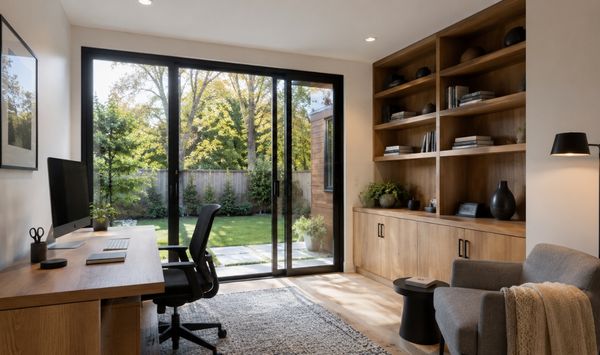
Best ADU Layout for a Home Office or Studio
A home office ADU serves a different purpose. The goal is separation.
Many Connecticut homeowners want a quiet workspace that is close to home but not inside the home. A backyard office ADU can create that boundary. It gives you a place to focus, take calls, meet clients, work creatively, or separate business from family life.
Key Features for a Home Office ADU
A strong home office ADU layout may include:
Open work area
Natural light
Built-in storage
Strong internet planning
Half bath or full bath
Small kitchenette
Separate entry
Heating and cooling
Sound control
Optional sleeper space
If the space will only be used as an office, it may not need the same layout as a full residential ADU. But if there is any chance it may become a guest space, rental, or family suite later, it should be planned with that future use in mind.
A studio-style ADU can work beautifully for an office because it keeps the interior open. A one-bedroom layout may be better if you want the office to double as a guest suite.
The key is not overbuilding for today or underbuilding for tomorrow.
Best ADU Layout for Guest Space
A guest ADU should be comfortable, flexible, and easy to use.
This layout is ideal for visiting family, adult children, grandchildren, friends, or longer-stay guests. It can also double as a hobby room, weekend retreat, pool house, home office, or future in law suite.
Key Features for a Guest Space ADU
A guest house ADU layout should usually include:
Comfortable sleeping area
Full bathroom
Small kitchen or kitchenette
Sitting area
Storage for luggage
Private entrance
Easy walkway from the main home
Outdoor seating area
Good lighting
Flexible furniture plan
For guest use, the layout does not always need to be large. A well-designed studio or one-bedroom ADU can feel warm, private, and practical. The goal is to make guests feel welcome without making the space too complicated or expensive.
If the ADU may later become a rental or parent suite, choose a layout with more complete daily-living features. That may include laundry, a larger kitchen, better closet space, and a bathroom designed for long term comfort.
Detached ADU vs Attached ADU: Which Layout Is Better?
There is no one-size-fits-all answer. Both detached and attached ADUs can be good options for Connecticut homeowners.
The better choice depends on your property, town rules, use case, utilities, and privacy goals.
When a Detached ADU Makes Sense
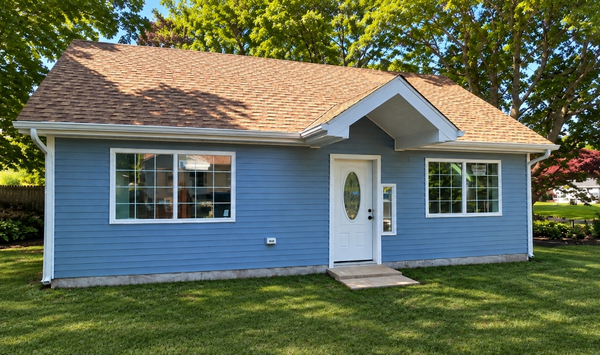
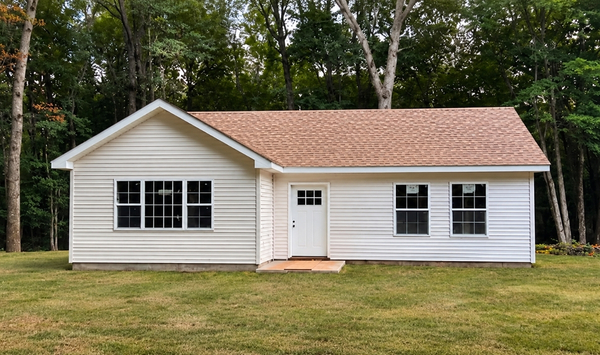
A detached ADU is a separate structure on the same property as the main home. It often works best for homeowners who want more privacy and independence.
A detached ADU may be a good fit for:
A parent who wants independence
A long term rental tenant
A private guest house
A backyard office
A future downsizing plan
A second small home on your property
The tradeoff is that detached ADUs can require more site planning. Utility trenching, septic or sewer, driveway access, wetlands, slope, trees, setbacks, and construction staging may all affect placement and cost.
When an Attached ADU Makes Sense
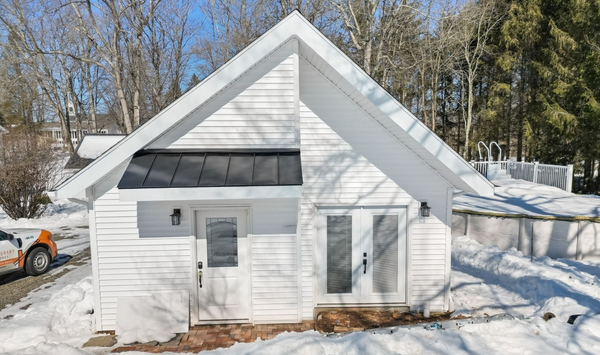
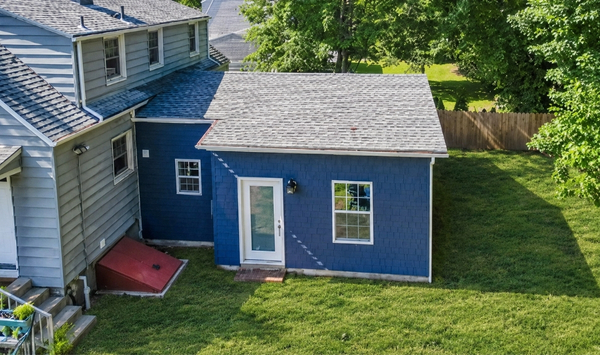
An attached ADU is connected to the main home. It may be built as an addition, garage conversion, basement apartment, or connected in law suite.
An attached ADU may be a good fit when:
The family member needs closer support
The property has limited backyard space
Utility connections are easier
The homeowner wants a connected layout
A detached unit is not practical
The project is closer to an addition
Attached ADUs still need privacy planning. A separate entrance, sound separation, bathroom placement, and a smart interior layout can make the space feel independent instead of crowded.
How Connecticut Property Conditions Affect ADU Layouts
Even the best ADU layout may need to change after a property review.
That is normal.
In Connecticut, many layout decisions are shaped by site conditions. A wide, flat lot with public sewer may offer more options than a narrow lot with septic, wetlands, slopes, or limited access.
Before finalizing a floor plan, review these factors:
Town ADU rules
Attached vs detached allowances
Setbacks
Maximum ADU size
Lot coverage
Septic or sewer capacity
Water source
Driveway and parking
Utility tie-in distance
Tree removal
Survey availability
Access for construction
These details can influence where the ADU can go, how large it can be, what layout makes sense, and what costs may need to be considered.
This is why a feasibility review matters. It helps you avoid falling in love with a layout that does not fit your property.
How to Choose the Best ADU Layout for Your Connecticut Home
Start with the main purpose.
If the ADU is for a parent, prioritize comfort, independence, one-level living, and bathroom access.
If the ADU is for rental income, prioritize privacy, parking, storage, durability, and a layout that feels like a complete small home.
If the ADU is for a home office, prioritize quiet, natural light, internet access, work zones, and future flexibility.
If the ADU is for guests, prioritize comfort, simple flow, sleeping space, bathroom access, and flexible furniture.
If you are unsure, choose flexibility. A one-bedroom plus office or compact two-bedroom layout can often serve more than one purpose over time.
The right ADU layout should answer three questions:
Does it fit the property?
Does it meet the real use case?
Does it protect future options?
When the answer to all three is yes, you are much closer to a layout that works.
Work With a Connecticut ADU Builder Before Finalizing Your Layout
A floor plan is only useful if it can actually be built.
Contemporary Tiny Homes helps Connecticut homeowners review what is possible on their property before they commit to a specific ADU layout. That means looking at the use case, property conditions, attached or detached options, town requirements, utilities, permits, and construction path.
Whether you are planning a parent suite, rental ADU, home office, guest house, or flexible backyard living space, the best next step is clarity.
Want to know whether your property is a fit for an ADU? Schedule a consultation to review feasibility, layout options, and next steps for your Connecticut home.
Frequently Asked Question
What is the best ADU layout for aging parents?
The best ADU layout for aging parents is usually a one-level parent suite with a bedroom, full bathroom, kitchen, living area, easy entry, and practical storage. If care needs may change, consider wider circulation, a walk-in shower, strong lighting, and space for support.
What is the best ADU layout for rental income?
A one-bedroom detached ADU is often a strong rental layout because it offers privacy, separation, and a complete small-home feel. A two-bedroom layout may add flexibility, but it should be reviewed against town rules, septic or sewer capacity, parking, and budget.
Is a detached ADU better than an attached ADU?
A detached ADU is often better for privacy, rental income, guest space, and independent family living. An attached ADU may be better when close family support, simpler access, or connection to the main home is more important.
Can I use an ADU as a home office?
Yes, many homeowners use an ADU as a home office or studio. If you may want to use the space later as a guest house, rental, or family suite, it should be planned with that future use in mind.
What should I do before choosing an ADU floor plan?
Before choosing an ADU floor plan, confirm your town rules, property setbacks, attached or detached options, septic or sewer capacity, parking, utilities, wetlands, lot shape, and access. A property-specific feasibility review can help you choose a layout that fits before you invest in detailed design.
Final Thoughts
The best ADU layout for your Connecticut home depends on your life, your property, and your long term plan.
A parent suite should feel safe, private, and comfortable. A rental ADU should feel complete and independent. A home office should create focus and separation. A guest space should be welcoming and flexible.
The right layout is not always the biggest one. It is the one that solves the right problem without ignoring zoning, permits, utilities, septic, site work, and future use.
If you are comparing ADU layouts in Connecticut, start with feasibility first. Once you know what is possible on your property, the right floor plan becomes much easier to choose.
Ready to explore the best ADU layout for your Connecticut home? Schedule a consultation with Contemporary Tiny Homes to review your property, compare layout options, and understand your next step.

Copyright 2026. All rights reserved. Norwalk, CT
Connecticut's New Home Construction Contractor License: #NHC.0017654
EPA Lead-Safe Certified NAT-F269966-1