

















Knowledge Center: Your Go-To Resource for ADUs and Tiny Living
Knowledge Center: Your Go-To Resource for ADUs and Tiny Living
Email [email protected]
Phone 860-TINY-HOM (es)
ADU Contractor in Connecticut | Local ADU Builders Near You
Adding an ADU can sound simple at first.
You have space on your property. You want a private place for a parent. You may want rental income. You may want a small backyard home that gives your family more options.
Then the real questions begin.
Can you build an ADU on your lot? What does your town allow? How much will it really cost? Will septic, utilities, setbacks, parking, or permits create problems?
These are normal questions. They are also the right questions to ask before you choose a design.
A good ADU contractor helps you slow down in the right places. The goal is not just to build something attractive. The goal is to find out what is possible, what it may cost, and what the next step should be.
This guide explains what local ADU builders do, how the process works, what to expect with cost and timing, and what mistakes to avoid before you start.
What Does an ADU Contractor Do?
An ADU contractor helps homeowners plan, design, and build an accessory dwelling unit.
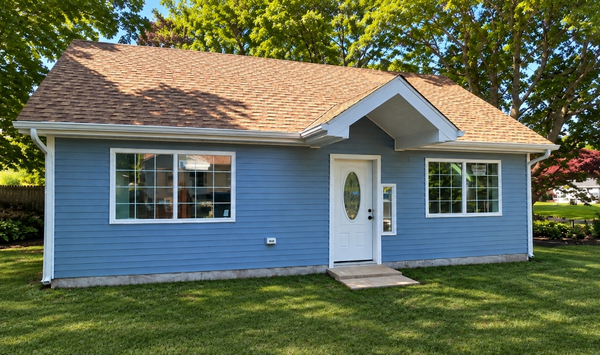
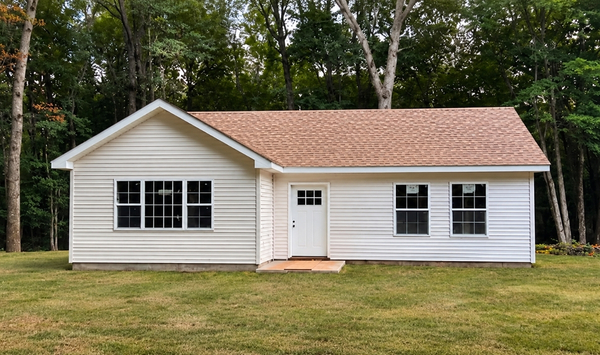
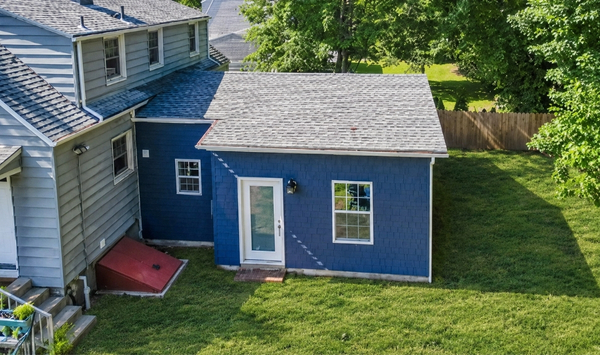
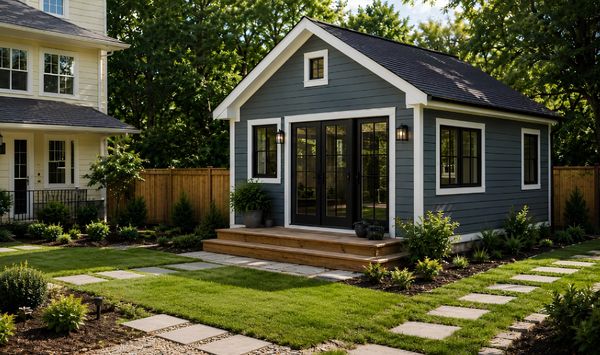
An ADU can be a detached backyard home. It can be an attached in-law suite. It can be a garage conversion. It can also be a private small home on the property for a parent, adult child, renter, guest, or future downsizing plan.
The best ADU contractor does more than construction.
They help you answer the first question most homeowners have.
Can I build this on my property?
That answer depends on more than open yard space. Your lot, town rules, septic system, driveway, setbacks, wetlands, utility access, and survey records can all affect the project.
This is why it helps to work with an ADU contractor in Connecticut who understands local property conditions and town review steps.
A strong contractor should explain the project in plain language. They should help you understand the difference between a starting price and the real all-in investment. They should also explain which items may be included, which items may be separate, and which property issues can change the budget.
This matters because most homeowners are not only worried about price. They are worried about surprises.
A good contractor should help you avoid those surprises as early as possible.
They should look at your goal, your property, and your timeline before pushing you into a floor plan. The layout should come after the feasibility conversation. Not before it.
If you are searching for an ADU contractor near me or ADU contractors near me, look for a team that can talk about both the home and the site. An ADU is not only a small house. It is a full property project.
That means design, permitting, utilities, access, inspections, and construction all need to work together.
Our ADU Process

How Local ADU Builders Help You Choose the Right Option
Local ADU builders should start with your reason for building.
The right option depends on the problem you want to solve.
Some homeowners want to keep family close without giving up privacy. Some need a safe one-level space for an aging parent. Some want rental income. Some want a flexible living space that can change use over time.
Once the purpose is clear, the contractor can look at the property.
This review may include lot shape, access, slope, trees, drainage, driveway location, utility runs, septic records, and the location of the main home. These details can affect where the ADU can go and which type of ADU makes the most sense.
Detached ADU
A detached ADU is separate from the main home.
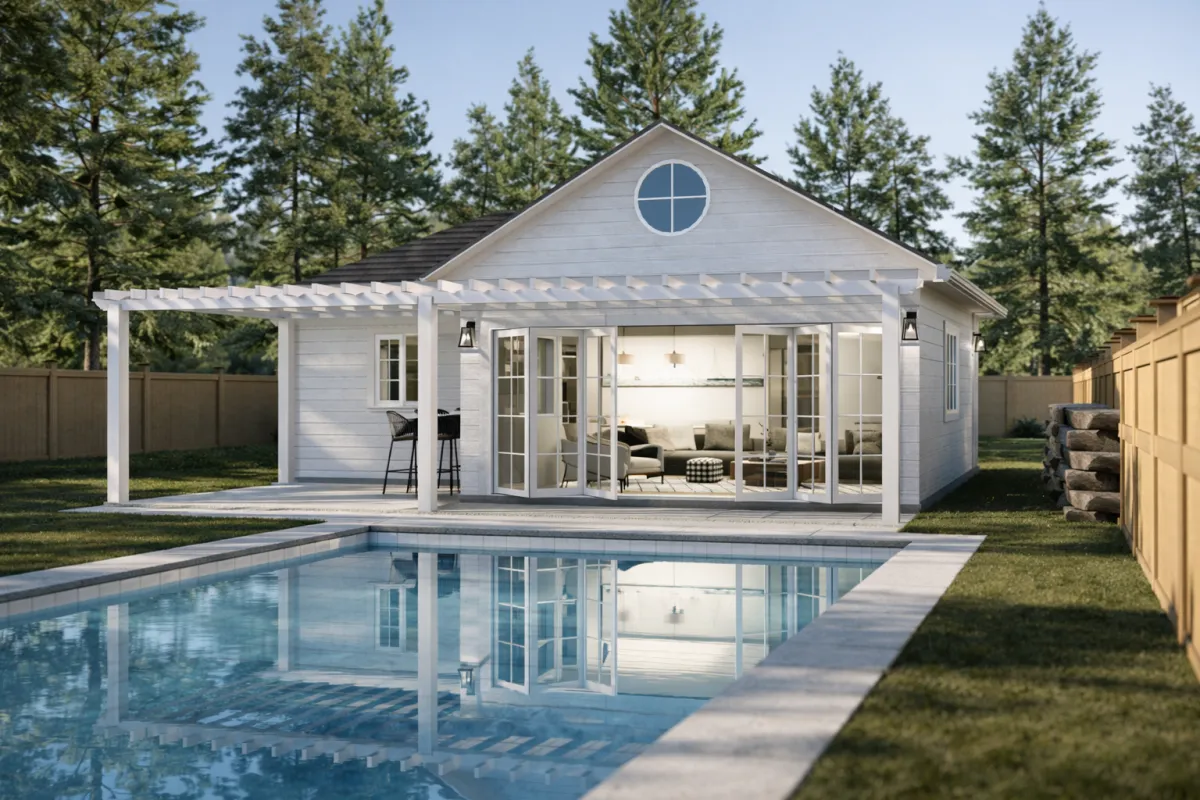
This option can work well when privacy is the main goal. It can feel like a true backyard home. It may be a good fit for a parent who wants independence, a renter who needs a separate entrance, or a homeowner who wants future flexibility.
A detached ADU may also require more planning. The distance from the main home can affect utility trenching, water, sewer, electric, and access. Site work can also vary depending on the yard.
Attached ADU or In-Law Suite
An attached ADU connects to the main home.
This can be a good option when the lot is tight or when a detached unit is not practical. It may also be easier to connect utilities in some cases.
An attached in-law suite can work well for family care. It can allow privacy while keeping a parent or loved one close. The layout should consider entrance location, sound separation, parking, privacy, and easy movement through the space.
For older family members, one-level living can matter. No steps, a simple bathroom layout, wider movement areas, and a comfortable entry can make the space easier to use.
Garage Conversion
A garage conversion may be the better option when the existing structure is usable.
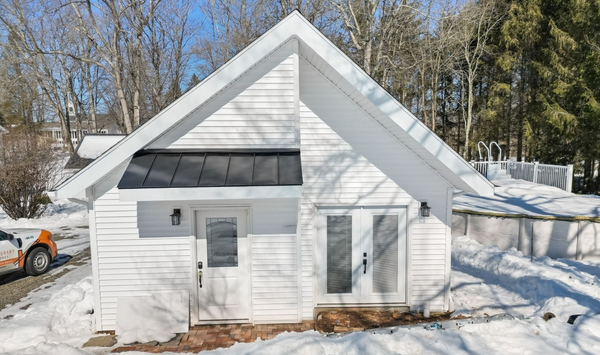
This does not mean it is simple. The garage still has to meet code, layout, comfort, and safety needs. It may need insulation, plumbing, electric, windows, fire separation, and proper access.
Still, it can be worth reviewing. Some homeowners ask about a new backyard ADU when their existing garage or structure may offer another path.
The Planning Process
A clear ADU process usually has a few major steps.
First, the contractor learns your goal. This includes who will use the space, when you need it, and what problem it should solve.
Second, the property is reviewed. This is where feasibility starts. The contractor looks for site issues that could affect placement, cost, or timeline.
Third, the team discusses the best ADU type. This may be detached, attached, converted, or custom.
Fourth, the design direction begins. Size, layout, access, storage, privacy, parking, and accessibility are reviewed.
Fifth, the project moves toward pricing, permits, and construction planning.
Want to know whether your property is a fit for a backyard ADU or in-law suite? Schedule a consultation to review feasibility, options, and next steps before you commit to a design.
ADU Cost, Timeline, and What to Expect
ADU cost is one of the first questions homeowners ask.
It is also one of the easiest questions to oversimplify.
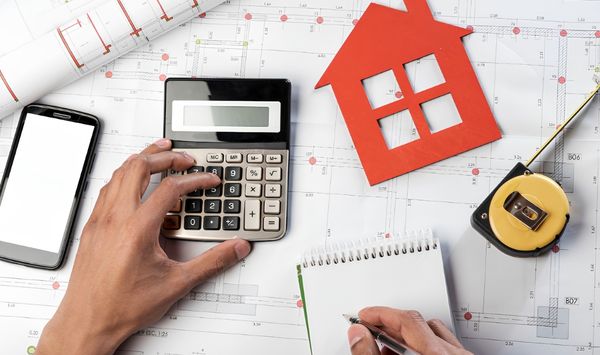
The final cost of an ADU depends on the structure, but it also depends on the property. Size and finishes matter. So do foundation needs, site work, utility runs, septic review, drainage, permits, appliances, survey work, and access for construction.
This is why a starting price should never be the only number you look at.
Ask what is included. Ask what is not included. Ask what may increase the cost later.
A clear ADU builder should be able to explain the scope in a way that feels simple. You should know whether the price includes design, permits, site work, utility tie-ins, appliances, survey needs, septic work, and final finishes.
Not every item will apply to every property. But the conversation should happen early.
Septic is one of the biggest unknowns for many homeowners. If your property uses septic, the system may need to be reviewed before the ADU can move forward. The same is true for well water, wetlands, or unusual lot conditions.
Timeline also needs a realistic explanation.
Construction time is only one part of the full schedule. Before building begins, there may be time for discovery, property review, design, pricing, town review, permits, and site prep.
After construction begins, there are still inspections, utility work, finish work, and final approvals.
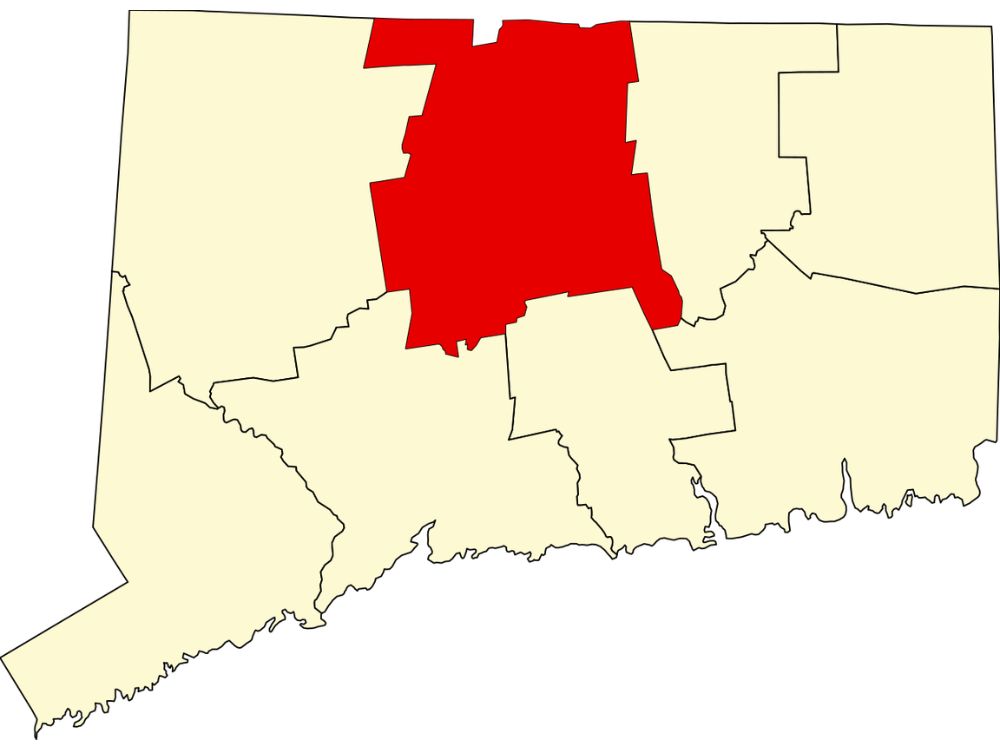
In Connecticut, town rules and property conditions can affect both cost and timing. This is why local experience matters. The right team can help you understand what may be simple, what may take more review, and what needs to happen before construction starts.
A good contractor will not promise a perfect timeline without looking at the property. Instead, they should give you a clear roadmap.
That roadmap should explain the major phases. It should also explain what can slow the process down. This may include missing surveys, septic questions, permit review, weather, material selections, or changes to the design.
The goal is not to scare you.
The goal is to help you plan with your eyes open.
Mistakes to Avoid Before Hiring an ADU Contractor
Choosing the right contractor is easier when you know what to avoid.
Mistake 1: Choosing a Design Before Checking Feasibility
This is one of the most common mistakes.
A floor plan may look perfect online. But it still has to fit your lot, your town rules, your utilities, your setbacks, and your real use case.
Start with feasibility. Then move into design.
Mistake 2: Comparing Only the Starting Price
A low starting price can look good at first.
But it may not include the full project scope. Some costs may be separate. These can include permits, site work, utility trenching, septic review, survey work, appliances, or upgrades.
When comparing ADU construction companies near me, compare the full explanation. Not just the first number.
Mistake 3: Ignoring Site Work
Site work can affect both cost and timing.
A flat, open yard with easy access may be different from a narrow lot with trees, slope, drainage issues, or a long utility run.
Ask the contractor how they review site conditions before pricing the project.
Mistake 4: Leaving Out the Second Decision Maker
Many ADU projects involve more than one person.
A spouse, parent, adult child, renter, or co-owner may need to be part of the decision. Bring them into the conversation early.
This helps avoid delays later.
Mistake 5: Not Thinking About the Future Use
An ADU can serve one need now and another need later.
It may be for a parent today and a renter later. It may be for rental income now and downsizing later. It may be for guests now and family care later.
Think about long-term flexibility before you lock in the layout.
Mistake 6: Hiring Without a Clear Next Step
A vague process creates stress.
You should know what happens after the first call. You should know what happens during the home visit. You should know what documents to gather. You should know when pricing, design, permits, and construction planning begin.
The best ADU builders near me are not always the ones who promise the fastest answer. They are the ones who ask the right questions before giving one.
Frequently Asked Questions
Can I build an ADU in my backyard?
Maybe. It depends on your property, local rules, setbacks, utilities, septic, access, and available space. A feasibility review is the best place to start.
Is a detached ADU better than an attached ADU?
Not always. A detached ADU may offer more privacy. An attached ADU may work better for some lots or utility setups. The right option depends on your property and goal.
Can an ADU be used for rental income?
In many cases, homeowners explore ADUs for rental income. You should review local rules, lease plans, parking, privacy, and long-term use before deciding.
Is an ADU good for an aging parent?
It can be. Many families use ADUs to create a private, one-level place for a parent while keeping them close. The layout should consider safety, comfort, no steps, and easy access.
What should I prepare before talking to a contractor?
Helpful items include a survey, septic information, property records, photos of the lot, and a clear idea of who will use the ADU. You do not need everything before the first call, but these items can help.
Ready to Talk With a Local ADU Builder?
An ADU can help you use your property in a smarter way.
It can create a private home for a parent. It can support rental income. It can give your family more space. It can also give you more flexibility for the future.
The best first step is not choosing finishes.
The best first step is finding out what is actually possible on your property.
If you are looking for an ADU contractor in Connecticut, Contemporary Tiny Homes can help you review your lot, understand your options, and plan the next step with a clear process.
Book a consultation, call today, or request a quote to find out whether your property is a fit for an ADU.
Scheduled Free Consultation

Copyright 2026. All rights reserved. Norwalk, CT
Connecticut's New Home Construction Contractor License: #NHC.0017654
EPA Lead-Safe Certified NAT-F269966-1