


















Knowledge Center: Your Go-To Resource for ADUs and Tiny Living
Knowledge Center: Your Go-To Resource for ADUs and Tiny Living
Email [email protected]
Phone 860-TINY-HOM (es)
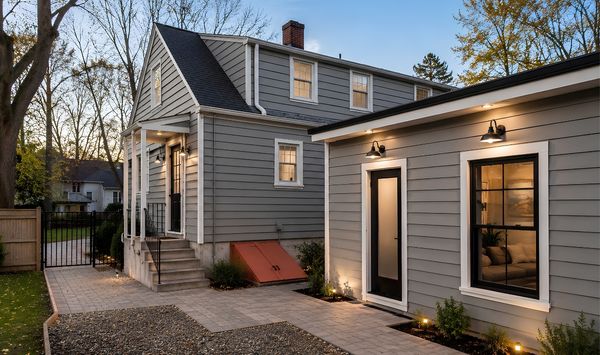
10 Inspiring ADU Design Ideas To Consider
An accessory dwelling unit can completely change how your property works. With the right design, your backyard can become a private guest retreat, a comfortable home for aging parents, a rental income opportunity, a home office, or a flexible living space your family can use for years.
But the best ADUs are not just small houses placed behind a main home. They are thoughtfully planned living spaces designed around your property, your goals, your local requirements, and the people who will use them.
Whether you are exploring modern ADU design ideas, cozy backyard ADU ideas, or custom layouts for multi-generational living, the most important factor is function. A beautiful ADU should also feel comfortable, efficient, private, and easy to live in.
Below, you will find 10 inspiring ADU design ideas to help you think through layout, style, space-saving features, outdoor connections, and long-term flexibility.
Why ADUs Are More Popular Than Ever
ADUs are becoming more popular because homeowners want smarter ways to use the property they already own. Instead of moving, upsizing, or purchasing a separate investment property, many homeowners are creating additional living space right in their backyard.
An ADU can support several goals, including:
Housing aging parents or relatives
Creating an in-law suite
Generating potential rental income
Building a guest house
Adding a private home office
Giving adult children independent living space
Increasing long-term property flexibility
For many families, an ADU solves more than one need. A backyard guest house today may become a rental unit later. A home office may eventually become housing for a family member. A studio ADU may provide short-term flexibility now and long-term value in the future.
That is why design matters so much. The right ADU layout should not only work for your current situation. It should also adapt as your needs change.
In this guide, you will learn about popular ADU styles, smart layouts, space-maximizing features, privacy considerations, outdoor living ideas, and common design mistakes to avoid before you build.
What Makes a Great ADU Design?
Function First, Style Second
A great ADU starts with a clear purpose. Before choosing exterior colors, cabinet finishes, or flooring, you need to know how the space will be used.
An ADU for rental income should prioritize privacy, durability, storage, and tenant-friendly layouts. An ADU for aging parents should focus on accessibility, comfort, safety, and single-level living. A guest house may need hospitality-focused details, while a home office hybrid should include sound control, flexible furniture, and a professional work area.
Before finalizing an ADU design, consider:
Who will use the ADU most often?
Will it be used for family, guests, rental income, or work?
Does the space need to support aging-in-place?
How much privacy is needed from the main home?
Will the ADU need a full kitchen, laundry, or dedicated bedroom?
How might your needs change over time?
The strongest ADU designs are not based only on square footage. They are based on how well each square foot works.
Key Elements of Successful ADU Designs
Successful ADU designs usually share a few important features:
Efficient floor plans
Open layouts
Large windows and natural light
Built-in storage
Multifunctional spaces
Indoor-outdoor connections
Privacy from neighbors and the main home
Durable materials
Long-term flexibility
In a smaller home, wasted space becomes much more noticeable. Long hallways, awkward corners, oversized bathrooms, or poorly placed doors can make an ADU feel smaller than it really is.
An experienced ADU designer will usually look for ways to create open sightlines, combine uses where appropriate, and bring in natural light without sacrificing privacy. Large windows, glass doors, skylights, built-ins, and outdoor patios can all make a compact ADU feel larger and more livable.
Real-World Design Example
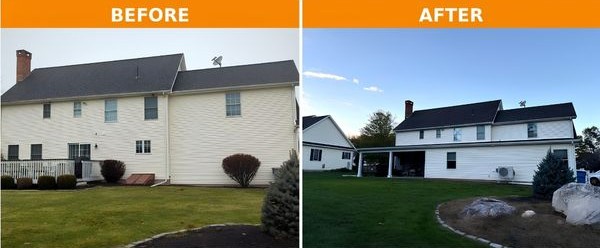
Imagine a backyard with an unused storage shed, patchy lawn, and no clear purpose. The space may technically be available, but it is not improving daily life or adding meaningful function to the property.
With the right ADU plan, that same area can become a private studio with a separate entrance, compact kitchen, full bathroom, built-in storage, and a small patio. Strategic landscaping can create privacy between the ADU and the main home. Large windows can bring in natural light while still being positioned away from neighboring views.
The result is more than a backyard upgrade. It becomes a functional living space that can support family, guests, work, or rental goals.
10 Inspiring ADU Design Ideas
1. The Modern Backyard ADU Retreat
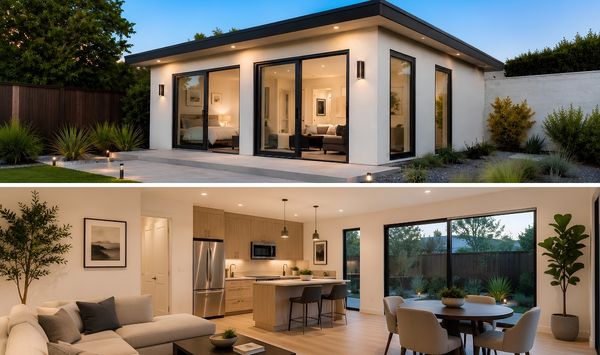
A modern backyard ADU is ideal for homeowners who want a clean, simple, and highly functional space. This style often features minimalist architecture, straight lines, large glass openings, open interiors, and neutral finishes.
Modern ADUs work well because they feel fresh without being overly trendy. They can complement many types of main homes and are especially appealing for guest houses, rental units, and private retreats.
Features:
Clean lines
Minimalist architecture
Floor-to-ceiling windows
Open-concept living
Simple rooflines
Neutral color palettes
Low-maintenance finishes
Best For:
Rental units
Guest houses
Young professionals
Homeowners who want a contemporary backyard living space
A modern ADU should feel bright, uncluttered, and intentional. Large windows can make the interior feel more spacious, while open layouts help reduce wasted square footage. Built-in storage and simple materials keep the space practical for everyday use.
2. The Cozy Cottage ADU
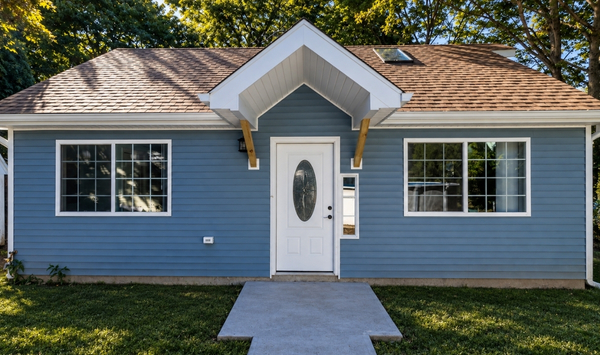
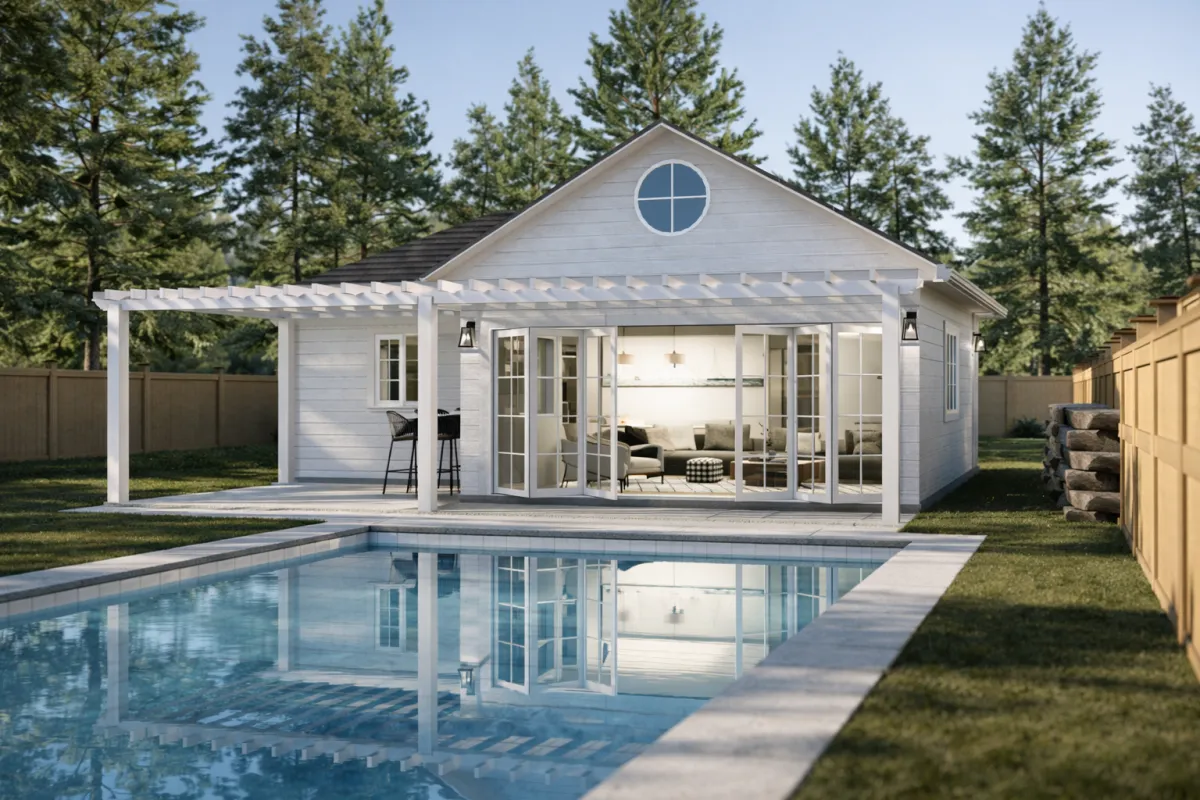
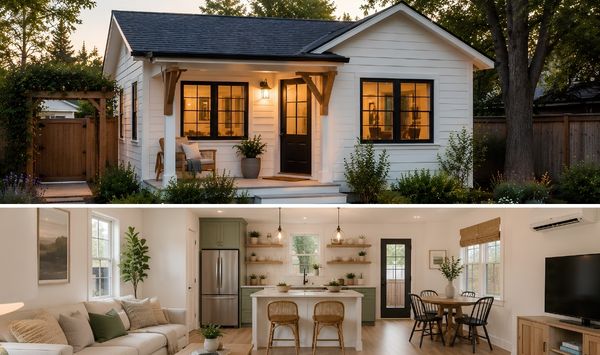
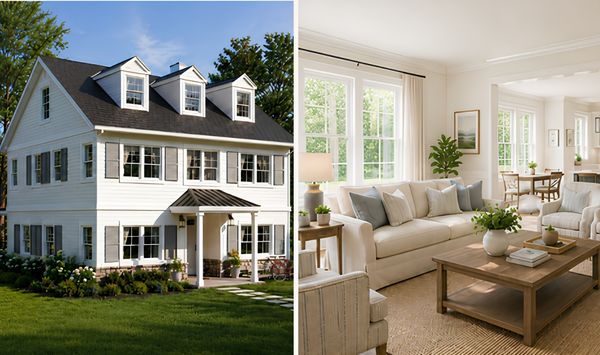
A cozy cottage ADU is a warm and welcoming option for homeowners who want their backyard unit to feel like a true small home. This style often includes traditional architecture, a pitched roof, a front porch, soft exterior colors, and comfortable interior finishes.
Cottage ADUs are especially popular for in-law suites and aging parents because they feel familiar, private, and residential. The design can be charming without sacrificing modern comfort.
Features:
Traditional architecture
Front porch
Warm interior finishes
Cottage-inspired landscaping
Soft lighting
Comfortable living areas
Best For:
Aging parents
In-law suites
Long-term guests
Family-focused backyard housing
For a cozy cottage ADU, the entry experience matters. A small porch, walkway, garden bed, or covered landing can make the unit feel more independent and inviting. Inside, warm flooring, efficient cabinetry, and a comfortable seating area help create a relaxed atmosphere.
3. The Luxury Studio ADU
A luxury studio ADU proves that a compact footprint can still feel elevated. Instead of relying on extra square footage, this design uses premium finishes, smart storage, thoughtful lighting, and efficient space planning to create a refined living experience.
The key to a successful studio ADU is making one space serve multiple functions without feeling crowded. Built-in cabinetry, hidden storage, custom furniture, and a spa-inspired bathroom can make the unit feel polished and complete.
Features:
Designer finishes
Built-in storage
Premium lighting
Spa-inspired bathroom
Custom cabinetry
High-quality flooring
Space-saving furniture
Thoughtful design can make a smaller ADU feel significantly larger. A light color palette, consistent flooring, large windows, and clean sightlines help the interior feel open. Built-ins keep clutter under control and make the space easier to live in.
Best For:
Guest suites
Premium rental units
Private retreats
Homeowners who want high-end small-space design
4. The Rental Income-Focused ADU
Designed for Maximum ROI
A rental income-focused ADU should be designed for comfort, privacy, durability, and long-term appeal. While style is still important, the priority is creating a space tenants will enjoy and homeowners can maintain with confidence.
This type of ADU should include a private entrance, functional kitchen, comfortable bathroom, smart storage, and durable finishes. Privacy from the main house is also essential.
Designed for Maximum ROI
Features:
Durable finishes
Efficient layout
Separate entrance
Privacy enhancements
Low-maintenance materials
Functional kitchen and bath
Design Features Tenants Love
Soundproofing
Natural light
Functional kitchens
Smart storage
Private outdoor space
In-unit laundry when possible
These design elements are often associated with stronger rental appeal because they improve daily comfort. A tenant-friendly ADU should feel independent, easy to furnish, and comfortable for long-term use.
The best rental ADU designs avoid overbuilding while still delivering quality. Durable flooring, practical cabinetry, neutral finishes, and an efficient floor plan can make the unit attractive without unnecessary complexity.
5. The Farmhouse-Inspired Backyard ADU
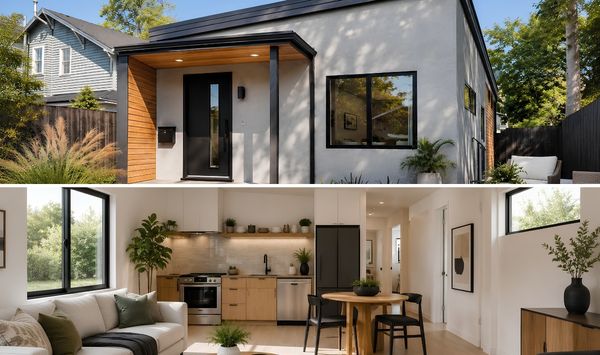
A farmhouse-inspired backyard ADU combines charm, comfort, and practical design. This style often includes board and batten siding, natural wood accents, open kitchen layouts, vaulted ceilings, and warm neutral finishes.
Farmhouse ADUs can feel traditional or modern depending on the details. Black fixtures, simple cabinetry, wood beams, and bright interiors can create a balanced design that feels current but not cold.
Features:
Board and batten siding
Natural wood accents
Open kitchen layouts
Vaulted ceilings
Warm neutral finishes
Statement lighting
This ADU style is a strong option for homeowners who want something welcoming and timeless. The exterior can complement many residential properties, while the interior can be designed for guests, family, or rental use.
To keep the space from feeling too busy, use farmhouse details selectively. A few well-chosen materials often work better than too many decorative elements.
6. The Multi-Generational Family ADU
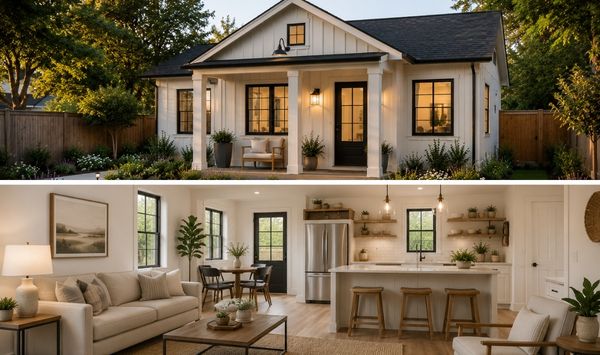
A multi-generational ADU is designed to keep loved ones close while giving everyone privacy and independence. This is one of the most practical ADU ideas for backyard living because it supports family connection without requiring everyone to share the same household space.
For aging parents, in-laws, adult children, or caregivers, the ADU should be comfortable, accessible, and easy to navigate.
Consider:
Accessibility features
Wider hallways
Single-level living
Walk-in showers
Step-free entries
Private outdoor space
Easy access to the main home
Aging-in-Place Design Ideas
Zero-threshold entries
Lever handles
Enhanced lighting
Non-slip flooring
Wider doorways
Comfortable bathroom layouts
A multi-generational ADU should be planned with the future in mind. Even if full accessibility is not needed today, thoughtful choices can make the space more useful later. Wider doors, better lighting, and a walk-in shower can make daily life easier for a wide range of occupants.
Privacy is also important. A separate entrance, sound separation, and personal patio can help the ADU feel like an independent home rather than an extension of the main house.
7. The Home Office and Guest House Hybrid
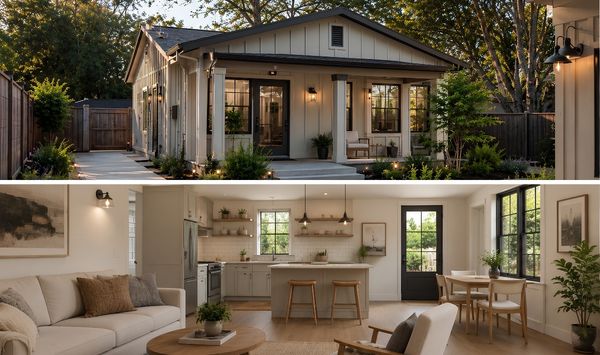
A home office and guest house hybrid is perfect for homeowners who need one space to serve multiple purposes. During the week, the ADU can function as a quiet office or creative studio. When family or friends visit, it can convert into a comfortable guest suite.
This type of ADU works best when flexibility is planned from the beginning.
Features:
Murphy beds
Convertible workspaces
Pocket doors
Multipurpose rooms
Built-in desks
Hidden storage
Good sound separation
Multi-functional design is one of the most useful strategies for ADUs because it allows the same square footage to support different needs. A built-in desk wall, fold-down bed, sleeper sofa, or sliding partition can make the space easy to transform.
For remote workers, the design should also consider lighting, outlets, internet access, acoustic comfort, and a professional video call background. For guests, the space should include privacy, storage, and a comfortable sleeping arrangement.
8. The Indoor-Outdoor Living ADU
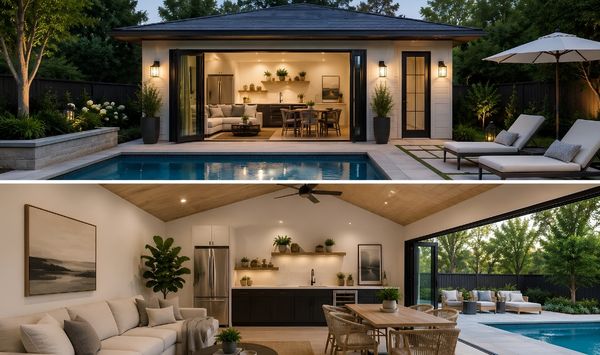
An indoor-outdoor living ADU uses patios, courtyards, glass doors, and landscaping to make the unit feel larger and more connected to the backyard. This is one of the best backyard ADU ideas for homeowners who want the space to feel open, bright, and relaxing.
Even a small ADU can feel much larger when it opens to a private outdoor area.
Features:
Sliding glass walls
Covered patios
Outdoor kitchens
Courtyard designs
Large patio doors
Compact seating areas
Landscaping Ideas That Enhance Small ADUs
Privacy screens
Native plantings
Compact outdoor seating areas
Planter boxes
Fencing
Shade structures
Large openings to outdoor spaces are one of the strongest design strategies for making ADUs feel larger. A covered patio can become an outdoor living room, while a courtyard can provide privacy and natural light at the same time.
For the best result, the indoor and outdoor areas should feel connected. Consistent flooring tones, aligned doors, and intentional landscaping can help create a seamless transition.
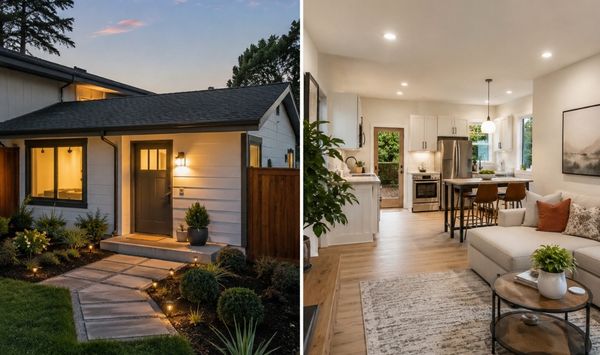
9. The Sustainable and Eco-Friendly ADU
A sustainable ADU is designed for long-term comfort, efficiency, and healthier living. Homeowners are increasingly interested in eco-friendly ADU design ideas because they can reduce energy use, improve indoor comfort, and support long-term property appeal.
Sustainable design should be considered early in the planning process. Orientation, insulation, windows, materials, and mechanical systems all affect performance.
Features:
Solar panels or solar-ready planning
Energy-efficient windows
Heat pumps
Low-VOC materials
Efficient insulation
Water-conscious fixtures
Durable exterior materials
Long-Term Benefits
Lower utility bills
Increased property appeal
Environmental benefits
Improved indoor comfort
Better long-term performance
Sustainability continues to be one of the strongest emerging trends in small-home and ADU design. The best eco-friendly ADUs do not simply add green features at the end. They are designed from the start to perform efficiently and feel comfortable throughout the year.
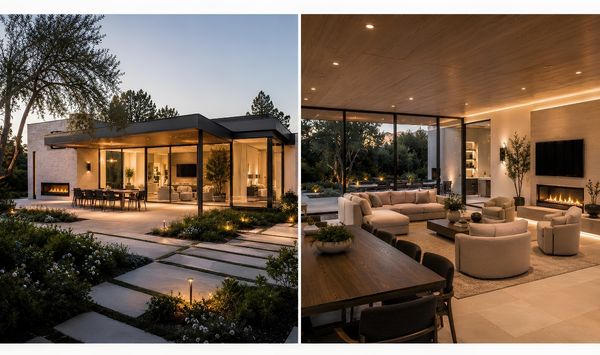
10. The "Estate" Contemporary ADU
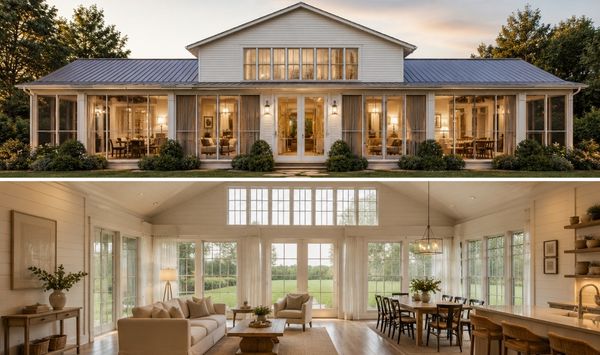
An estate contemporary ADU is a refined, highly finished secondary residence designed to elevate the entire property. This style is ideal for homeowners who want something more custom, spacious, and architectural.
The design may include luxury upgrades, open floor plans, premium materials, large windows, and a layout that feels more like a private residence than a basic backyard unit.
Benefits:
Flexible living
Refined design
Strong property appeal
Premium guest accommodations
Long-term adaptability
Design Features
Luxury upgrades
Open floor plans
Contemporary finishes
Large windows
Premium kitchens and bathrooms
Indoor-outdoor connections
An estate contemporary ADU should feel intentional from every angle. Exterior materials, rooflines, landscaping, pathways, and outdoor amenities should all work together. This type of ADU is often best suited for larger properties or homeowners who want a high-end custom solution.
Backyard ADU Ideas by Property Size
Small Backyard ADU Ideas by Property Size
A small backyard can still support a beautiful and functional ADU when the layout is efficient. The goal is to reduce wasted space and make the unit feel bright, open, and organized.
Strong small backyard ADU ideas include:
Loft sleeping areas
Built-in furniture
Pocket doors
Compact kitchens
Wall-mounted storage
Outdoor seating niches
For small lots, privacy planning is especially important. Window placement, entry orientation, fencing, and landscaping can help the ADU feel comfortable without overwhelming the yard.
Medium Backyard ADU Ideas
A medium backyard may allow for a one-bedroom ADU, a dedicated work area, and a small patio. This gives homeowners more flexibility while still keeping the project efficient.
Good medium backyard ADU ideas include:
Dedicated workspaces
Expanded outdoor living
Private entrances
Covered patios
Built-in storage zones
A one-bedroom layout can work well for tenants, guests, aging parents, or adult children because it creates separation between sleeping and living areas.
Large Backyard ADU Ideas
A larger backyard creates more design opportunities, including two-bedroom layouts, family-focused ADUs, and separate outdoor amenities. However, more space does not automatically mean better design.
Good large backyard ADU ideas include:
Family-focused designs
Separate outdoor amenities
Larger kitchens
Private patios
Additional storage and laundry space
The ADU should still feel connected to the overall property. Access, privacy, landscaping, and outdoor circulation should all be planned carefully.
Popular ADU Design Trends for 2026
ADU design is moving toward spaces that feel more flexible, more polished, and more livable. Homeowners want ADUs that look beautiful but also perform well for daily use.
Open Floor Plans
Open floor plans make compact ADUs feel larger by connecting the kitchen, dining, and living areas. This approach reduces wasted space and creates better flow.
Large Windows and Natural Light
Natural light is one of the most important ADU design features. Large windows, glass doors, skylights, and thoughtful orientation can make the unit feel brighter and more inviting.
Multifunctional Furniture
Murphy beds, expandable tables, sleeper sofas, storage benches, and built-in desks help one room serve multiple purposes.
Smart Home Features
Smart thermostats, keyless entry, efficient lighting, and security features can make ADUs easier to use and manage, especially for rentals or guest houses.
Neutral Color Palettes
Light and neutral colors help small interiors feel open, calm, and timeless. They also make the ADU easier to furnish.
Built-In Storage Solutions
Built-in storage is essential for ADU livability. Tall cabinets, recessed shelves, under-bed storage, storage benches, and custom closets can help reduce clutter.
How to Choose the Right ADU Design for Your Property
Consider Your Goals
Your goals should guide every design decision. An ADU for rental income needs different features than one designed for family housing or guests.
Common ADU goals include:
Rental income
Family housing
Guest accommodations
Home office
Aging-in-place support
Long-term property flexibility
When you know the primary goal, it becomes easier to choose the right layout, size, finishes, and features.
Evaluate Your Lot
Your lot will determine what is possible. Before selecting an ADU design, consider the available space, privacy, access, sun exposure, utilities, and local zoning requirements.
Important lot factors include:
Available space
Privacy
Sun exposure
Access requirements
Setbacks
Utility connections
Existing trees or structures
A feasibility analysis can help you understand what type of ADU your property can support before you move too far into design.
Request a Feasibility Analysis
Think Long-Term
The best ADU designs remain useful as your needs change. A guest house may later become a rental. A home office may become an in-law suite. A family ADU may eventually support a caregiver or adult child.
Think about:
Future family needs
Resale value
Adaptability
Maintenance
Accessibility
Long-term comfort
Choosing a flexible layout now can make your ADU more valuable and useful for years to come.
Request a Feasibility Analysis
Common ADU Design Mistakes to Avoid
Talk about each succinctly, please.
Prioritizing Style Over Function
A beautiful ADU still needs to work for everyday life. If the layout is awkward, the kitchen is too small, or there is not enough storage, the design will not feel successful.
Not Planning Enough Storage
Storage is one of the most important parts of small-space living. Without enough cabinets, closets, and built-ins, the ADU can quickly feel cluttered.
Ignoring Outdoor Space
Outdoor space can make an ADU feel larger and more private. Even a small patio, porch, or seating area can improve comfort and usability.
Underestimating Natural Light
Poor lighting can make a small ADU feel smaller. Large windows, glass doors, and thoughtful orientation help create a brighter interior.
Choosing an Inefficient Floor Plan
Every square foot matters. Avoid unnecessary hallways, awkward door swings, oversized rooms, and layouts that make furniture placement difficult.
Overlooking Future Accessibility Needs
Accessibility may not feel urgent today, but features like wider doors, step-free entries, better lighting, and walk-in showers can make the ADU more flexible long-term.
Expert Tips for Designing an ADU That Feels Larger
This is where you share some great strategies…
Use Open Layouts
Open layouts create longer sightlines and make small spaces feel less divided. Combining kitchen, dining, and living areas often works well in ADUs.
Incorporate Large Windows
Large windows bring in natural light and make the interior feel more open. Window placement should balance brightness, views, and privacy.
Create Indoor-Outdoor Connections
Glass doors, patios, decks, and courtyards visually extend the living area and make the ADU feel more spacious.
Use Consistent Flooring
Using the same flooring throughout the ADU can make the space feel more seamless and less chopped up.
Add Built-In Storage
Built-ins help reduce clutter and make the ADU feel custom. Storage benches, wall cabinets, recessed shelves, and under-bed storage can all improve livability.
Keep Color Palettes Light and Neutral
Light neutral colors reflect natural light and make compact interiors feel calm, clean, and open.
Frequently Asked Questions
What are the best ADU design ideas for small backyards?
The best ADU design ideas for small backyards include studio layouts, built-in storage, loft sleeping areas, compact kitchens, pocket doors, and indoor-outdoor living features. The goal is to make every square foot useful while preserving privacy and natural light.
How much space do I need for a backyard ADU?
The space needed for a backyard ADU depends on your lot size, setbacks, access, utilities, and local zoning requirements. Some properties can support compact studio ADUs, while others may allow larger one-bedroom, two-bedroom, or custom layouts. A feasibility analysis is the best way to understand what your property can accommodate.
What ADU design style is most popular?
Modern ADU designs are especially popular because they feature clean lines, open layouts, large windows, and timeless finishes. However, cottage, farmhouse, luxury studio, and contemporary ADU designs are also strong options depending on the homeowner’s goals and property style.
How can I make a small ADU feel bigger?
You can make a small ADU feel bigger by using open layouts, large windows, light colors, consistent flooring, built-in storage, glass doors, and outdoor living space. Multifunctional furniture can also help one room serve several purposes.
What are the best backyard ADU ideas for rental income?
The best backyard ADU ideas for rental income include a private entrance, durable finishes, sound separation, natural light, smart storage, a functional kitchen, and privacy from the main house. These features make the ADU more comfortable and appealing for tenants.
What design features increase ADU property value?
Design features that may increase ADU appeal include efficient floor plans, quality kitchens and bathrooms, durable materials, energy-efficient systems, private entrances, natural light, outdoor living areas, and flexible layouts that can support different uses over time.
Are open floor plans better for ADUs?
Open floor plans are often a good choice for ADUs because they reduce wasted space and make compact interiors feel larger. However, the best ADU floor plan depends on how the space will be used and who will live there.
What are the newest ADU design trends?
Newer ADU design trends include open layouts, large windows, smart home features, multifunctional furniture, neutral color palettes, built-in storage, sustainable materials, and stronger indoor-outdoor living connections.
How do I choose the right ADU floor plan?
Choose the right ADU floor plan by starting with your goals. Consider whether the ADU will be used for rental income, family housing, guests, or work. Then evaluate your lot, privacy needs, accessibility requirements, and long-term plans.
Should I choose a modern or traditional ADU design?
Choose a modern ADU if you prefer clean lines, large windows, and a contemporary look. Choose a traditional or cottage-style ADU if you want warmth, charm, and a classic residential feel. The best choice should complement your main home and support your intended use.
How can I maximize storage in an ADU?
You can maximize storage in an ADU with built-in cabinets, tall closets, storage benches, wall-mounted shelves, recessed niches, under-bed storage, and furniture that serves more than one purpose. Storage should be planned early in the design process.
What are the best adu ideas for backyard privacy?
The best ADU ideas for backyard privacy include separate entrances, strategic window placement, fencing, privacy screens, landscaping, covered patios, and courtyard layouts. Orientation is also important so the ADU does not directly face neighboring windows or the main home.


Copyright 2026. All rights reserved. Norwalk, CT
Connecticut's New Home Construction Contractor License: #NHC.0017654
EPA Lead-Safe Certified NAT-F269966-1