

















Knowledge Center: Your Go-To Resource for ADUs and Tiny Living
Knowledge Center: Your Go-To Resource for ADUs and Tiny Living
Email [email protected]
Phone 860-TINY-HOM (es)
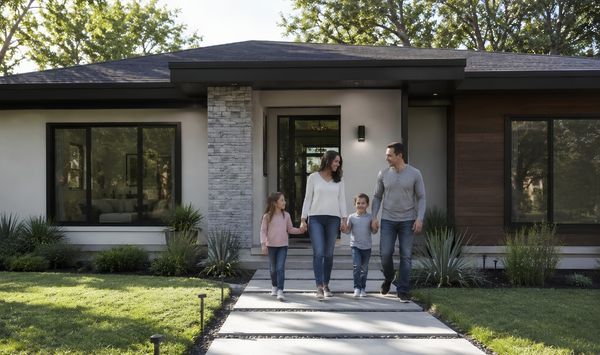
How to Keep Family Close Without Losing Privacy in Connecticut
When a parent, adult child, or loved one needs to be closer, the first idea is often simple.
Move them into the house.
That may solve one problem. But it can create others.
The main home may not have enough space. Daily routines may clash. Privacy may disappear. A parent may feel like they are losing independence. Adult children may feel pressure to balance care, work, children, and their own home life.
This is why more homeowners are looking at an in law suite Connecticut option, a family ADU, or a private backyard living space.
The goal is not just more square footage.
The real goal is to keep family close while giving everyone room to breathe.
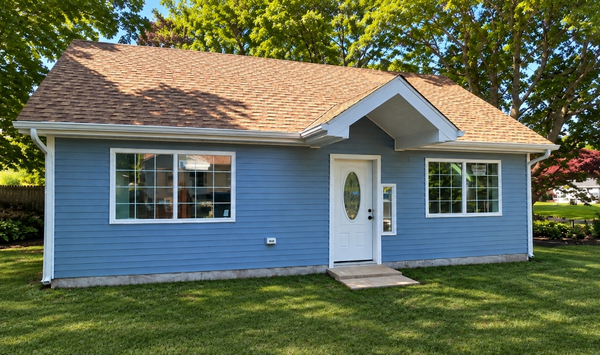
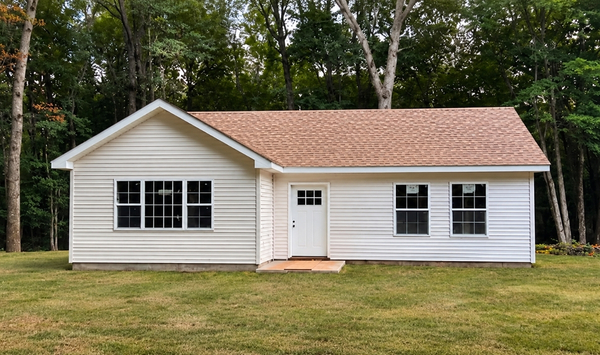
A well-planned accessory dwelling unit can create a private small home on the property. It can give a loved one their own entrance, bathroom, kitchen area, bedroom, and daily routine. It can also give the main household space, privacy, and peace of mind.
But before you choose a layout, you need to know what your property can support.
This guide explains how a family ADU or in-law suite can protect privacy, what options to consider, what affects cost and timeline, and what mistakes to avoid before you build.
Build With Contemporary Tiny Homes
A Family ADU Creates Closeness Without Crowding
The best way to keep family close without losing privacy is to build a separate living space that functions like a real home.
That is what a family ADU is designed to do.
An ADU, or accessory dwelling unit, is a secondary living space on the same property as a main home. It may be detached, attached, or created from an existing structure, depending on the property and local rules.
For family use, the best ADU is not just a small building.
It is a space planned around independence.
What Privacy Really Means in an ADU
Privacy is more than a door that closes.
A good in-law suite should support normal daily life. The person living there should be able to make coffee, receive visitors, watch TV, sleep, shower, work, and relax without feeling like they are interrupting the main household.
That usually means planning for:
Separate entrance access
A private bathroom
A kitchen or kitchenette area
Comfortable sleeping space
Storage
Natural light
Good sound separation
Parking or a clear arrival path
Outdoor space when possible
These details matter.
A parent may want family nearby, but still want dignity. An adult child may need support, but still want independence. A loved one with mobility needs may need a one level layout, no steps, and easier access from the driveway.
The best ADU for aging parents should feel safe, private, and easy to use.
Why This Works for Families
A family ADU gives both households a healthier rhythm.
The main home keeps its normal routine. The ADU resident keeps their own space. Family can still share meals, help with errands, check in daily, and respond quickly when needed.
That balance is what makes the arrangement last.
It is also why many people search for phrases like backyard living space for mom, private backyard home for parents, in-law apartment builder, or CT tiny homes for family use.
They are not just looking for a structure.
They are looking for a better way to care for someone without giving up privacy.
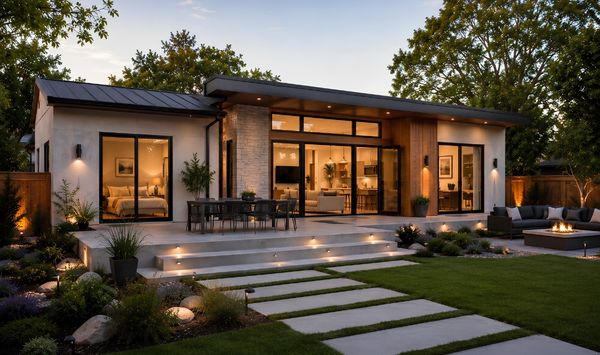
Contemporary Tiny Homes designs and builds custom ADUs for homeowners who want that balance. We take the project from early planning through finished construction, so you do not have to figure out zoning, design, permits, and building steps on your own.
Your Options and the Process for Building a Family ADU
Every property is different. The right choice depends on your family goal, town rules, lot size, utilities, parking, septic or sewer, setbacks, and budget.
The smart first step is not picking the prettiest floor plan.
The smart first step is confirming what can actually be built.
Option 1: Detached ADU
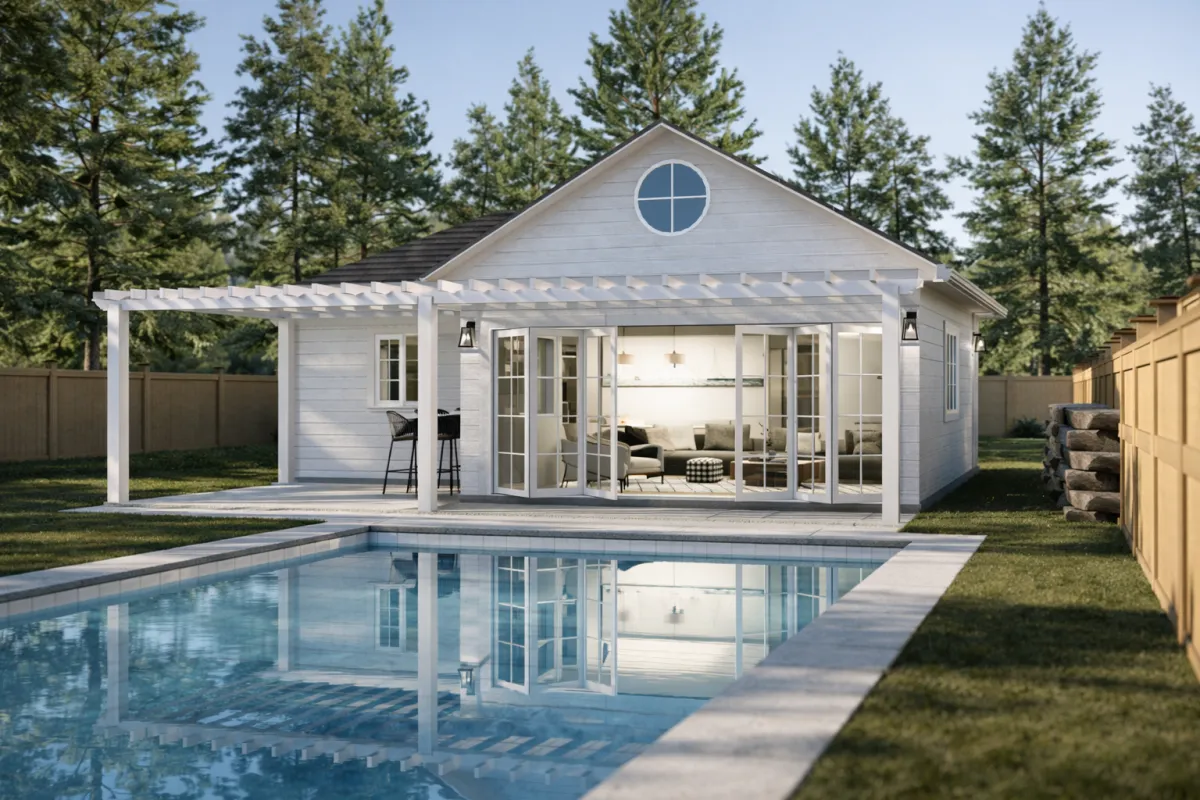
A detached ADU is a separate small home on the same property.
This is often the strongest option when privacy is the top priority. It can feel like a true private home. It can have its own entrance, bedroom, bathroom, kitchen, living space, laundry, and outdoor area.
Detached ADUs work well for:
Aging parents
Adult children
Long term family living
Guest space
Rental now, family later
Future downsizing
For many homeowners, this is the option they picture when they search for tiny homes Connecticut or backyard cottage Connecticut. The key is making sure the project is treated as a legal accessory dwelling unit, not just a generic tiny house.
That distinction matters because zoning, permits, utilities, and code requirements still apply.
Option 2: Attached ADU
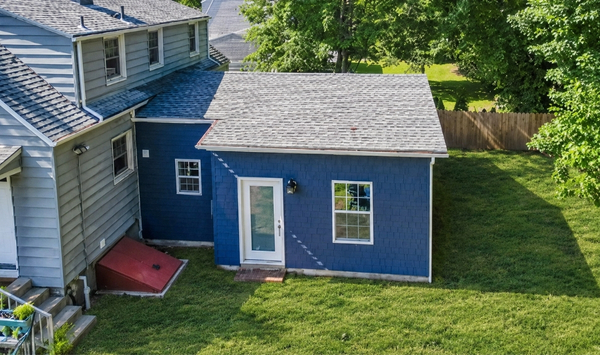
An attached ADU connects to the main home.
This may work better when a loved one needs closer daily support. It can also be useful when the property does not have the right space for a detached unit.
An attached in-law suite may share a wall with the main house but still include a private entrance, bathroom, bedroom, and living area.
This option can be a good fit when family members want connection but still need separate space.
Option 3: Garage Conversion or Existing Structure
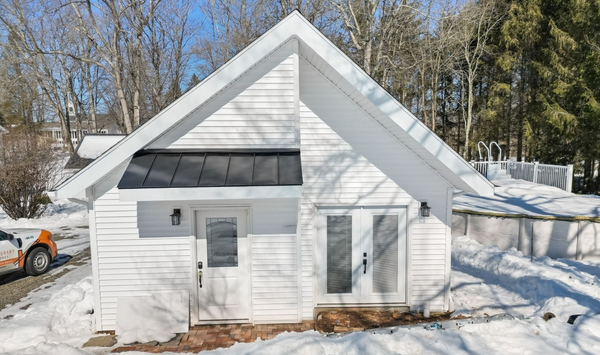
Some homeowners already have a garage, basement, barn, or outbuilding they want to convert.
This can be a smart path, but it is not automatic.
The structure must be evaluated for code, safety, ceiling height, insulation, plumbing, electric, access, parking, and zoning. It also needs to make sense for daily living.
A garage conversion ADU may be more practical for some properties. But if the existing space is poorly located, too small, hard to access, or expensive to bring up to code, a new ADU may be a better answer.
Step 1: Define the Use Case
Start with the person who will live there.
Is this for a parent now?
An adult child?
A caregiver?
A renter now and family later?
A future downsizing plan for you?
This changes the design.
A parent may need a one level ADU, no steps, wider paths, and a comfortable bathroom. A future rental may need parking, privacy, and clear separation. A downsizing plan may need more storage and a layout that feels like a long term home.
Step 2: Review the Property
Next, review the actual lot.
This is where many projects become clearer.
You need to know where the ADU can go, how it can be accessed, where utilities will run, whether there are wetlands, how parking works, and whether septic or sewer capacity is a concern.
Contemporary Tiny Homes reviews the property with you, identifies major site factors, and shows you the ADU options that make sense for your situation.
Step 3: Check Local Rules
ADU rules can vary by town.
One town may allow detached ADUs. Another may have stricter rules on size, parking, owner occupancy, height, or setbacks. Some lots may be limited by wetlands, septic, narrow side yards, slopes, or existing structures.
This does not mean the project is impossible.
It means you need a property specific answer.
Contemporary Tiny Homes obtains the needed building permits, coordinates the required steps, and manages the design-build process for you.
Want to know whether your property is a fit for a family ADU? Schedule a consultation to review feasibility, layout options, cost factors, and next steps before you commit to a design.
View our ADU Models
Cost, Timeline, and What to Expect Before You Build
Cost and timeline are two of the biggest questions homeowners have.
That makes sense.
An ADU is not just a shed or a room addition. It is a real living space. It needs planning, design, permits, site work, utilities, construction, inspections, and finishing.
The exact investment depends on your property and scope.
What Affects ADU Cost
The cost to build an in-law suite or family ADU depends on several factors.
Common cost drivers include:
Size of the ADU
Detached vs attached design
Foundation type
Kitchen and bathroom scope
Finish level
Utility connections
Distance from the main home
Septic or sewer requirements
Electric service needs
Survey needs
Driveway or parking changes
Site grading
Wetlands or drainage issues
Permit and town requirements
This is why a starting price is not the full story.
A starting price may help you compare models. But the real question is what the project is likely to cost on your property.
For example, a detached ADU placed far from the main house may require longer utility runs. A property with septic may need additional review or upgrades. A narrow lot may create placement challenges. A sloped yard may need more site work.
These are not small details.
They can affect both cost and timeline.
What Should Be Included in the Conversation
Before moving forward, ask clear questions.
What is included in the base price?
What is not included?
Are permits included?
Are appliances included?
What about utility trenching?
What about septic review?
Do I need a survey?
What site work could add cost?
How does the payment process work?
Contemporary Tiny Homes gives you clear answers before you move forward. We explain the likely investment range, identify possible site-related costs, and outline the next steps so you can make a confident decision.
How Long Does the Process Take?
The timeline for an accessory dwelling unit Connecticut project depends on planning, design, town review, permits, site conditions, and construction.
The build phase is only one part of the timeline.
Before construction starts, you may need:
Feasibility review
Site visit
Survey or property documents
Zoning review
Design decisions
Budget review
Permit submission
Town approvals
Utility planning
After that, construction can begin.
This is why homeowners should ask about the full path from first call to move in, not just the construction time.
A realistic process helps reduce stress. It also helps families plan around parent relocation, home sales, temporary housing, medical needs, school calendars, and other real life timing issues.
What to Expect During a Consultation
A good ADU consultation should give you a clear plan of action.
You should discuss your property, use case, family goals, budget range, desired timing, possible ADU type, and known site constraints.
Helpful documents may include a survey, septic records, property photos, town notes, or utility information. If you do not have everything, that is okay.
Contemporary Tiny Homes tells you what to gather, reviews the important details, and gives you a practical next step.
The goal is to answer the question most homeowners really have:
What is possible on my property?
Frequently Asked Question
Can I Build an In-Law Suite on My Property
Maybe.
The answer depends on your town rules and your property. You need to review zoning, setbacks, size limits, utilities, parking, septic or sewer, and site conditions.
Is a Detached ADU Better Than an Attached ADU?
Detached ADUs are often better for privacy. Attached ADUs may be better for close caregiving or tighter lots.
The best option depends on your family goal and property layout.
Can an ADU Be One Level?
Yes, many family ADUs are planned as one level spaces.
This can be especially helpful for aging parents, mobility needs, and long term comfort.
Is a Tiny Home the Same as an ADU?
Not always.
Many people search for tiny homes for sale Connecticut, CT tiny homes, or tiny houses for sale Connecticut when they really need a legal ADU. An ADU must fit local rules and be designed for permitted residential use on your property.
What Is the Best First Step?
Start with feasibility.
Before you decide on size, style, or finishes, find out what your lot can support and what your town may allow.
Keep Family Close With the Right ADU Plan
Keeping family close should not mean giving up privacy.
A well-planned in-law suite, backyard cottage, or family ADU can create a private living space that supports independence, comfort, and connection.
The key is to start with the right questions.
Can you build on your property?
Where can the ADU go?
What type makes the most sense?
What could affect cost?
How long could the full process take?
What should happen next?
Contemporary Tiny Homes designs and builds custom accessory dwelling units for homeowners across Connecticut. We handle the process from early planning through design, permitting, construction, and final completion.
If you are thinking about a private space for a parent, adult child, or loved one, start with a clear plan.
Ready to see what is possible on your property? Book a consultation or request a quote from Contemporary Tiny Homes today.


Copyright 2026. All rights reserved. Norwalk, CT
Connecticut's New Home Construction Contractor License: #NHC.0017654
EPA Lead-Safe Certified NAT-F269966-1