


















Knowledge Center: Your Go-To Resource for ADUs and Tiny Living
Knowledge Center: Your Go-To Resource for ADUs and Tiny Living
Email [email protected]
Phone 860-TINY-HOM (es)

What ADU Construction Pricing Includes in Connecticut, and What Affects the Final Cost
When homeowners start researching ADU cost in Connecticut, they are usually trying to answer two questions at once.
How much will it cost?
And what is actually included in that number?
That second question matters more than most people realize. Two ADU quotes can look far apart on price, but the difference is often not just margin. It is scope. One proposal may cover only the structure itself, while another may include design coordination, permit preparation, site work, utility connections, interior finishes, and final delivery.
That is why ADU construction pricing in Connecticut needs context.
At Contemporary Tiny Homes, the process is designed to cover the major phases from design through permitting, site preparation, foundation, utility connections, construction, interior and exterior finishes, and final walkthrough. That kind of full-scope approach helps homeowners understand what they are paying for and why a realistic accessory dwelling unit cost is about much more than raw materials.
If you are comparing builders and want a clearer picture of what your project may involve, schedule a consultation to review feasibility, layout options, and next steps for your Connecticut property.
What is usually included in ADU construction pricing?
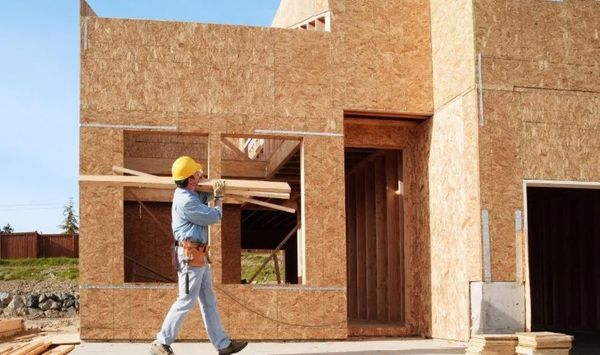
A real ADU construction budget is about much more than lumber and labor. A properly built accessory dwelling unit in Connecticut needs to be livable, code-compliant, durable, and connected to the property in a functional way.
Here are the core items that are often included in ADU construction pricing.
1. Design development and scope definition
Before construction begins, the project has to be clearly defined. This early stage typically includes floor plan review, finish selections, fixture planning, cabinetry choices, and scope alignment.
This part of the process matters because pricing becomes more accurate when the scope is more specific. The more decisions that are made early, the fewer surprises show up later.
For homeowners still deciding between layout types, an early review of ADU solutions can help narrow down the right direction before pricing is finalized.
2. Site survey and feasibility-related work
The property itself has a major impact on price. Site survey coordination, access evaluation, setback review, grading considerations, and utility conditions can all affect the final budget.
This is one reason backyard ADU cost can vary so much from one property to another. Even if two homeowners choose a similar floor plan, the site may not require the same prep, engineering, or utility approach.
A feasibility review is often one of the smartest first steps because it helps identify what is possible before a homeowner gets attached to a specific price or design.
3. Permit application and construction documents
Permits are not just paperwork. They are part of what makes the project legal, buildable, and ready for town review.
A complete scope often includes finalized plans, site survey data, required engineering input, and construction documents needed for permit submission. Since ADU permit Connecticut requirements can vary by municipality, this phase can influence both timeline and cost.
The more coordination required for local approvals, the more that work shapes the total project budget.
4. Construction site setup
A finished ADU does not begin with framing. It begins with preparing the site to support construction safely and efficiently.
That may include temporary facilities, waste handling, access protection, and jobsite prep. It may not be the first thing homeowners think about when they ask about ADU cost Connecticut, but it is part of what allows the project to move forward properly.
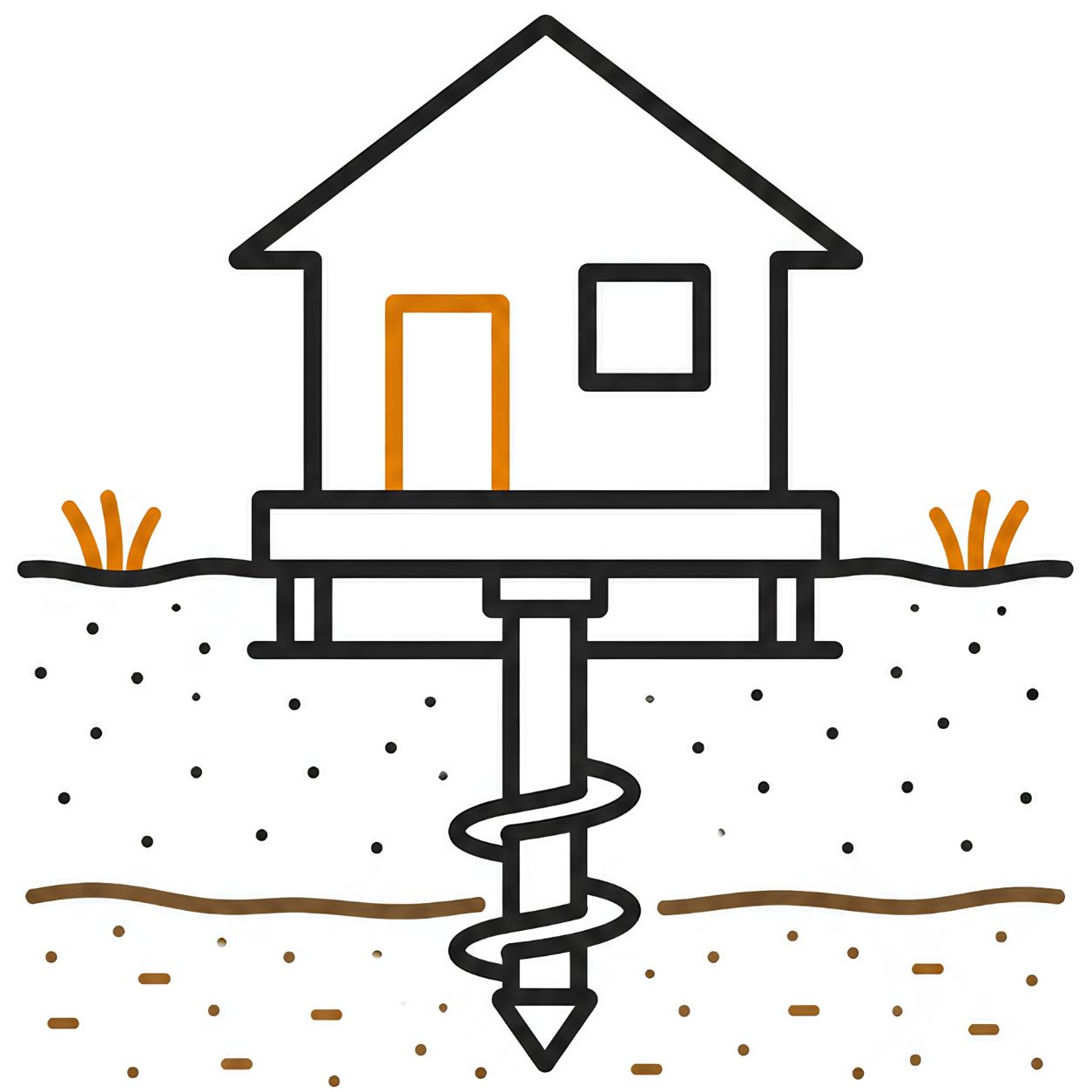
5. Excavation and foundation
For many detached ADU Connecticut projects, foundation work is one of the first major construction cost components.
Excavation, concrete work, grading adjustments, drainage considerations, and foundation prep can all influence pricing. Site conditions matter here. A flat, accessible lot is very different from a site with slope, drainage issues, or tighter equipment access.
6. Structural shell and exterior envelope
This is the part most people picture first: framing, roofing, siding, windows, and doors.
These are essential inclusions because they create the weather-protected shell of the ADU. Material quality, design complexity, and overall footprint can noticeably affect the final price.
Homeowners comparing detached ADUs and other build types should look closely at what is included in the shell, because not every proposal covers the same level of finish.
7. Plumbing, electrical, and HVAC
An ADU is not just extra square footage. It is a complete living space with real performance requirements.
Mechanical scope often includes plumbing, electrical, HVAC, insulation, drywall, and related systems work. These are some of the biggest pricing variables in an ADU builder Connecticut quote because they require skilled labor, inspections, and careful coordination.
8. Interior finishes
Interior finishes are where the ADU starts to feel like a home instead of a jobsite.
This category may include flooring, cabinetry, fixtures, lighting, countertops, paint, trim, and finish materials selected during design. It is also one of the biggest areas where homeowners can influence budget.
A more streamlined package may keep costs lower, while a more customized finish level will usually raise the total ADU construction pricing Connecticut homeowners should expect.
9. Kitchen and bathroom components
Kitchens and bathrooms carry a high concentration of labor and material cost in a compact area.
Cabinetry, countertops, plumbing fixtures, shower components, vanities, lighting, and appliance allowances can all shape the budget. This is why two ADUs with similar square footage can still have very different price points.
If your goal is multigenerational living or everyday independent use, reviewing tiny home models or family-focused layouts can help you balance comfort, function, and budget.
10. Final walkthrough and project delivery
Pricing also reflects the work needed to finish the project properly.
A complete build process usually includes a final walkthrough, correction of remaining details, and project handoff once the ADU is ready for use. That last stage matters because a finished ADU is not just about construction being done. It is about delivering a move-in-ready living space.

What factors influence ADU construction cost in Connecticut?
Now that we have covered what may be included, the next question is why pricing varies.
Here are the biggest factors that influence ADU cost in Connecticut.
Property conditions
Every lot is different. Access, slope, drainage, tree coverage, existing structures, and distance from utility tie-ins can all affect labor and materials.
A simple, accessible property is usually less expensive to build on than a site with tighter access or added complexity.
Utility connection requirements
Water, sewer, and electrical work can be some of the biggest pricing variables in an ADU project.
The same design can cost more on one property than another simply because the utility connection path is different. Homes with wells or septic systems may also require additional engineering, which can influence total cost.
Town permitting requirements
Town review requirements vary across Connecticut, which means permit timelines and documentation demands can change from project to project.
That does not just affect schedule. It can also affect engineering needs, revisions, and coordination work required to keep the project moving.
ADU type and structural complexity
Attached ADUs, detached ADUs, garage conversions, and basement conversions do not all cost the same.
A detached ADU in Connecticut often requires full site work, foundation work, complete exterior construction, and dedicated utility coordination. An attached ADU Connecticut project may share some systems with the main home, but it can also introduce integration and structural challenges.
The more structural complexity involved, the more the budget tends to rise.
Size and layout efficiency
Bigger ADUs usually cost more overall, but not every square foot costs the same.
Layouts with more corners, more plumbing walls, larger kitchens, or complex rooflines can increase costs faster than a simple and efficient layout.
Finish selections
Finish choices are one of the most controllable pricing variables.
Homeowners who want upgraded cabinetry, countertops, fixtures, flooring, or lighting should expect the budget to reflect those choices. This is one reason in-law suite cost Connecticut searches can return such a wide range of answers.
Engineering requirements
Some properties need extra reports or engineering before final approval and construction can move forward.
That is especially true when site conditions, water and sewer capacity, drainage, or structural concerns need to be addressed early. Engineering adds value by reducing risk, but it can also add cost.
Scope assumptions in the quote
One of the biggest pricing mistakes homeowners make is assuming every builder is quoting the same thing.
A lower quote is not always a better quote. Sometimes it simply means fewer inclusions, more exclusions, or less site and utility coordination built into the number.
That is why the best pricing conversations are not only about total price. They are about what is covered, what is optional, and what conditions could change the budget.
Why pricing transparency matters
Pricing transparency matters because homeowners need enough detail to compare quotes fairly.
A realistic accessory dwelling unit Connecticut budget should account for the steps required to take a project from concept to move-in-ready space. That includes planning, permitting, site work, utility coordination, structural construction, interior finishes, and final delivery.
When those inclusions are clear, pricing becomes easier to compare and easier to trust.
If you want to know whether your lot is a fit for a detached or attached ADU, book a consultation to review feasibility, pricing drivers, and the best path for your Connecticut home.
Final thought
The real question is not just, “How much does an ADU cost?”
It is, “What does that cost actually include for my property, my town, and my goals?”
A complete ADU price reflects the many steps required to take a project from concept to finished living space. When homeowners understand those inclusions and the factors that influence cost, they can compare proposals more accurately and move forward with more confidence.
FAQs
What is included in ADU construction pricing?
ADU construction pricing often includes design coordination, permit preparation, site setup, excavation, foundation work, framing, roofing, siding, windows, doors, plumbing, electrical, HVAC, insulation, drywall, flooring, cabinetry, countertops, fixtures, and final walkthrough items. The exact scope depends on the builder and the property.
Why do ADU prices vary so much?
ADU prices vary because every property and project is different. Site access, utility connections, town requirements, structural complexity, finish selections, and engineering needs can all change the final cost.
Does ADU pricing include permits?
It can, but homeowners should always confirm exactly what is included in the quote. Some builders include permit coordination and construction documents, while others separate those costs.
Does ADU pricing include utility connections?
Sometimes yes, sometimes no, depending on the scope. Utility work can include water, sewer, and electrical connections, and these items can be major pricing variables.
Do finish selections affect ADU cost?
Yes. Flooring, cabinetry, fixtures, lighting, countertops, and other finish selections can materially change the project budget.
Are appliances included in ADU pricing?
Not always. Some builders include appliances, while others treat them as optional upgrades or separate allowances.
Does a detached ADU cost more than a garage or basement conversion?
Often yes. A detached ADU usually requires full foundation work, exterior construction, and separate utility coordination, while conversions may reuse some existing structure.
How can I compare two ADU quotes fairly?
Compare the inclusions, not just the total price. Ask whether each quote includes design work, permits, site prep, utility coordination, interior finishes, fixtures, appliances, and final walkthrough items.


Copyright 2026. All rights reserved. Norwalk, CT
Connecticut's New Home Construction Contractor License: #NHC.0017654
EPA Lead-Safe Certified NAT-F269966-1