
















Knowledge Center: Your Go-To Resource for ADUs and Tiny Living
Knowledge Center: Your Go-To Resource for ADUs and Tiny Living
Email [email protected]
Phone 860-TINY-HOM (es)

Are There Cost-Effective Ways to Build a Tiny Home, ADU, or In Law Suite in Connecticut?
For many Connecticut homeowners, the first question is not about design. It is about cost. They want to know whether there is a cost-effective way to build a tiny home, ADU, or in law suite without getting surprised by permits, utilities, septic, site work, or zoning issues later.
The answer is yes, but the most affordable path is not always the cheapest-looking option online. A cost-effective ADU in Connecticut starts with understanding your property first. Before you choose a model, layout, or finish package, you need to know what your town allows, where the unit could go, how utilities would connect, and what site conditions could affect the final investment.
Whether you call it a tiny home ADU, in law suite, backyard living space, accessory apartment, guest house, granny flat, or private small home on the property, the same rule applies: the project needs to fit your lot, your budget, and your long-term goal.
Yes, But Feasibility Comes First
There are cost-effective ways to build an accessory dwelling unit in Connecticut, especially when the process starts with a property-specific feasibility review.
The biggest savings usually come from making smart decisions early. That means confirming whether your town allows an ADU, choosing the right ADU type, keeping the footprint efficient, reviewing septic or sewer requirements, understanding utility connections, and avoiding design changes after zoning or site issues appear.
A low starting price can look attractive, but it does not always tell the full story. If permits, foundation work, utility trenching, survey needs, septic review, or site work are not clearly addressed, the “affordable” option can become frustrating later.
The better question is not just, “What does an ADU cost?” The better question is, “What will an ADU cost on my property?”
That is why homeowners should begin by reviewing ADU solutions that fit Connecticut zoning, property conditions, and real-life use cases.
What Makes an ADU Cost-Effective?
A cost-effective ADU is one that gives you the most useful living space with the least unnecessary complexity. It should be legal, comfortable, efficient, and realistic for the property.
For Connecticut homeowners, that means answering questions like these before getting attached to a floor plan:
Can I build an ADU on my property? Does my town allow attached ADUs, detached ADUs, or both? Where could the unit fit on the lot? Will setbacks, parking, wetlands, slopes, or access create problems? Will septic, sewer, water, or electric service add cost? Do I need a current survey? Is this being built for a parent, a renter, guests, or future downsizing?
These questions are not roadblocks. They are cost-control tools. The earlier you answer them, the easier it is to avoid wasted time, unrealistic designs, and unclear pricing.
Choose the Right Type of ADU for Your Property
One of the biggest ways to manage ADU cost in Connecticut is choosing the right type of unit. Not every property should start with the same plan.
Detached ADU
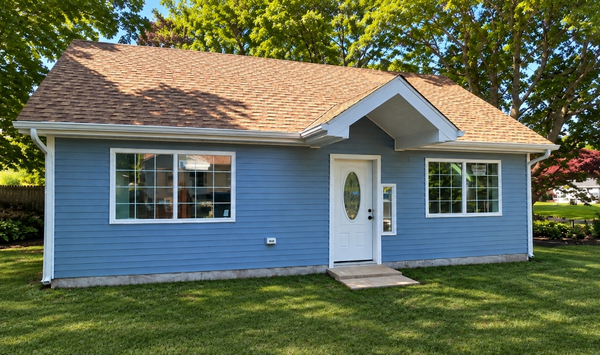
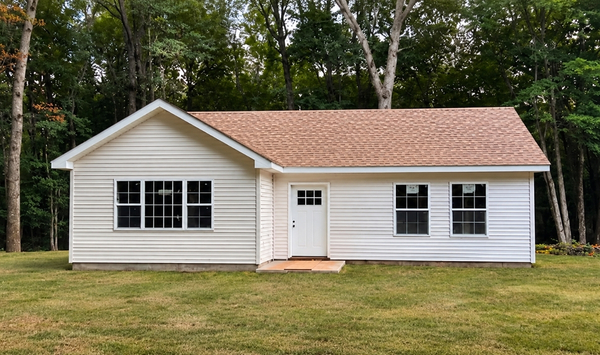
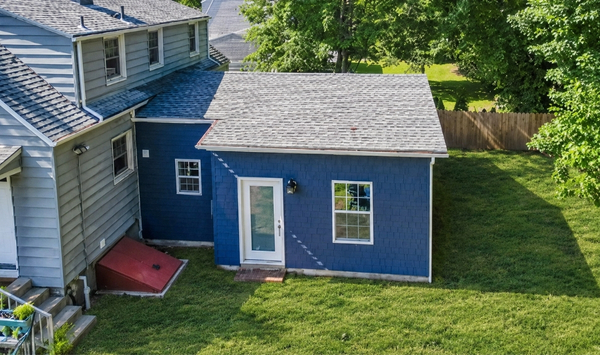
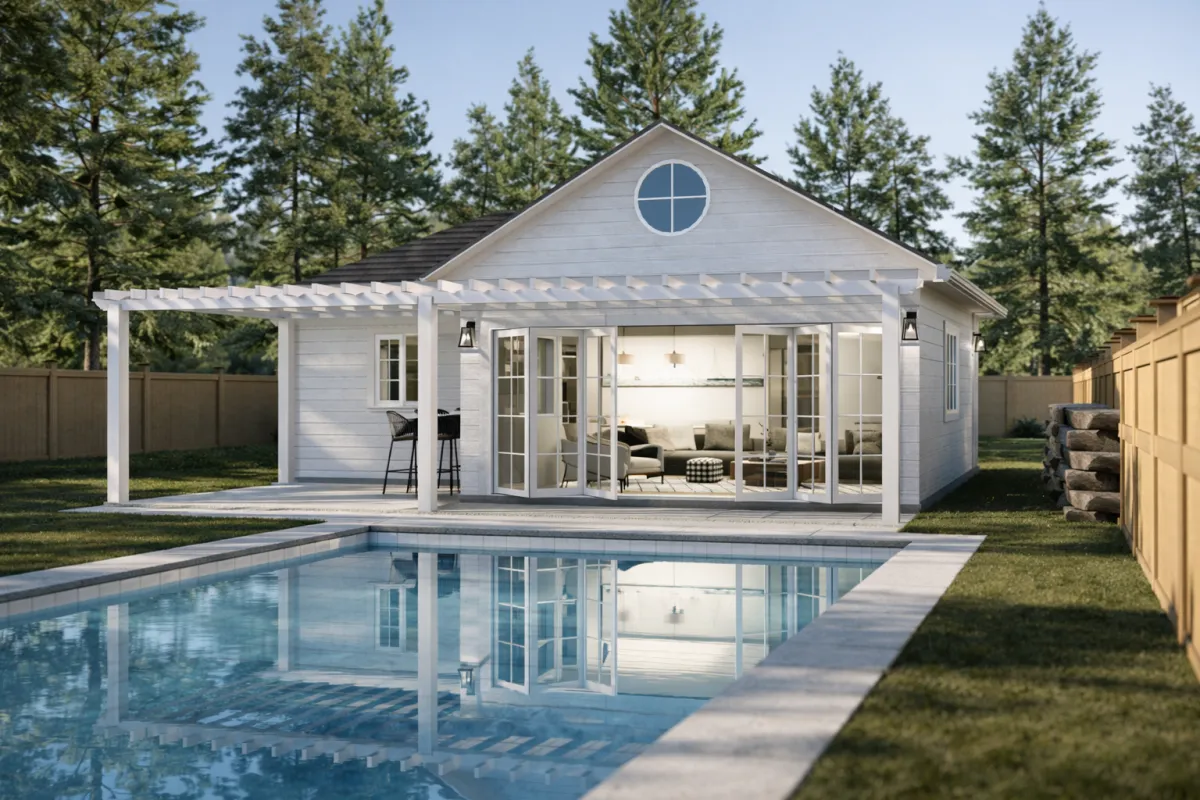
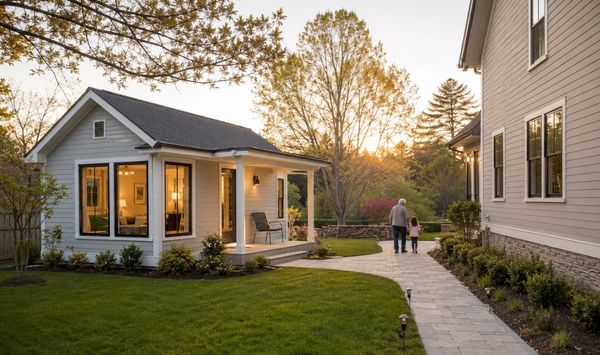
A detached ADU is a separate living space on the same property as the main home. Many homeowners picture this as a backyard cottage, tiny home ADU, guest house, rental unit, or private small home on the property.
Detached ADUs are often a strong fit when privacy is the priority. They can work well for an aging parent, adult child, long-term tenant, or homeowner who may want to downsize later while keeping the main house available for family or rental use.
The cost consideration is that detached ADUs often need more site planning. Foundation work, trenching, water, sewer or septic, electric, parking, access, drainage, and setbacks can all affect the total investment. That does not make a detached ADU the wrong choice. It simply means the location and utility plan matter.
Attached ADU
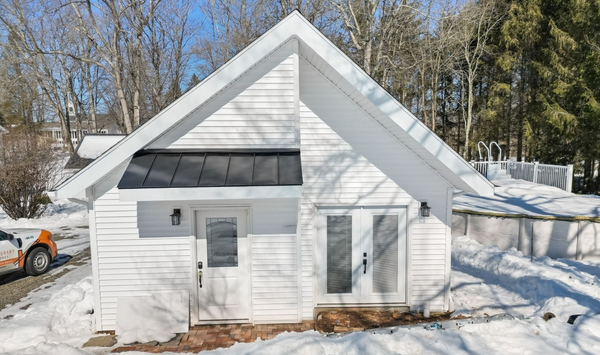
An attached ADU is connected to the existing home. It may be built as an addition, converted space, or attached in law suite.
This option may be more cost-effective when the home already has practical utility access, the lot is narrow, or the homeowner wants to preserve yard space. Attached ADUs can be especially helpful for families who want to keep a parent close while still creating a separate entrance, private bathroom, kitchen area, and independent living space.
An attached ADU still needs proper design, permits, code compliance, privacy planning, and safety review. It is not automatically simple, but it can reduce certain site challenges on the right property.
Garage, Basement, or Interior ADU
Some homeowners may also consider a garage conversion, basement ADU, or interior accessory apartment. These options can be cost-effective when the existing structure is in good condition, has enough space, and can meet code requirements.
However, conversions are not automatically cheaper. Ceiling height, insulation, fire separation, natural light, egress, plumbing, electrical work, waterproofing, and parking can all affect the project. The only way to know is to review the property and the existing space carefully.
Keep the Layout Efficient, Not Bare Minimum
Many homeowners assume the smallest ADU will always be the cheapest. Sometimes that is true, but not always.
A more useful question is: What is the smallest layout that still works well for the person who will live there?
For a parent, that may mean one level living, no-step access where possible, a comfortable bedroom, a safe bathroom, a practical kitchen, laundry access, and enough storage. For a renter, it may mean privacy, durability, good parking, a separate entrance, and a layout that feels like a real home. For future downsizing, it may mean a slightly more comfortable floor plan that can support long-term daily living.
The goal is not to remove every feature. The goal is to remove wasted space.
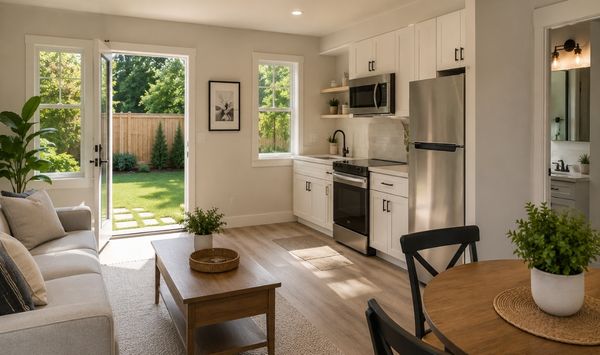
An efficient ADU can include a private bedroom, full bathroom, practical kitchen, laundry, storage, living area, and separate entrance without becoming oversized. Every square foot should have a purpose.
Use Standard Models to Reduce Uncertainty
One smart way to control cost is to begin with standard tiny home models instead of designing everything from scratch.
Standard models make it easier to compare square footage, bedroom count, bathroom layout, kitchen placement, storage, entry location, accessibility needs, and finish expectations. They also help homeowners understand what kind of layout can realistically serve their goal.
This does not mean the ADU has to feel generic. A proven model can still be adjusted where it matters. But starting from a clear framework can reduce decision fatigue, shorten planning time, and limit costly redesigns.
Custom design choices are best made after feasibility is reviewed. That way, you are not paying to customize a layout that may not work with your property, town rules, or utilities.
Understand the Biggest Cost Drivers
When people search for ADU cost Connecticut, they often expect one simple number. In reality, two ADUs with the same square footage can have very different costs because the site conditions are different.
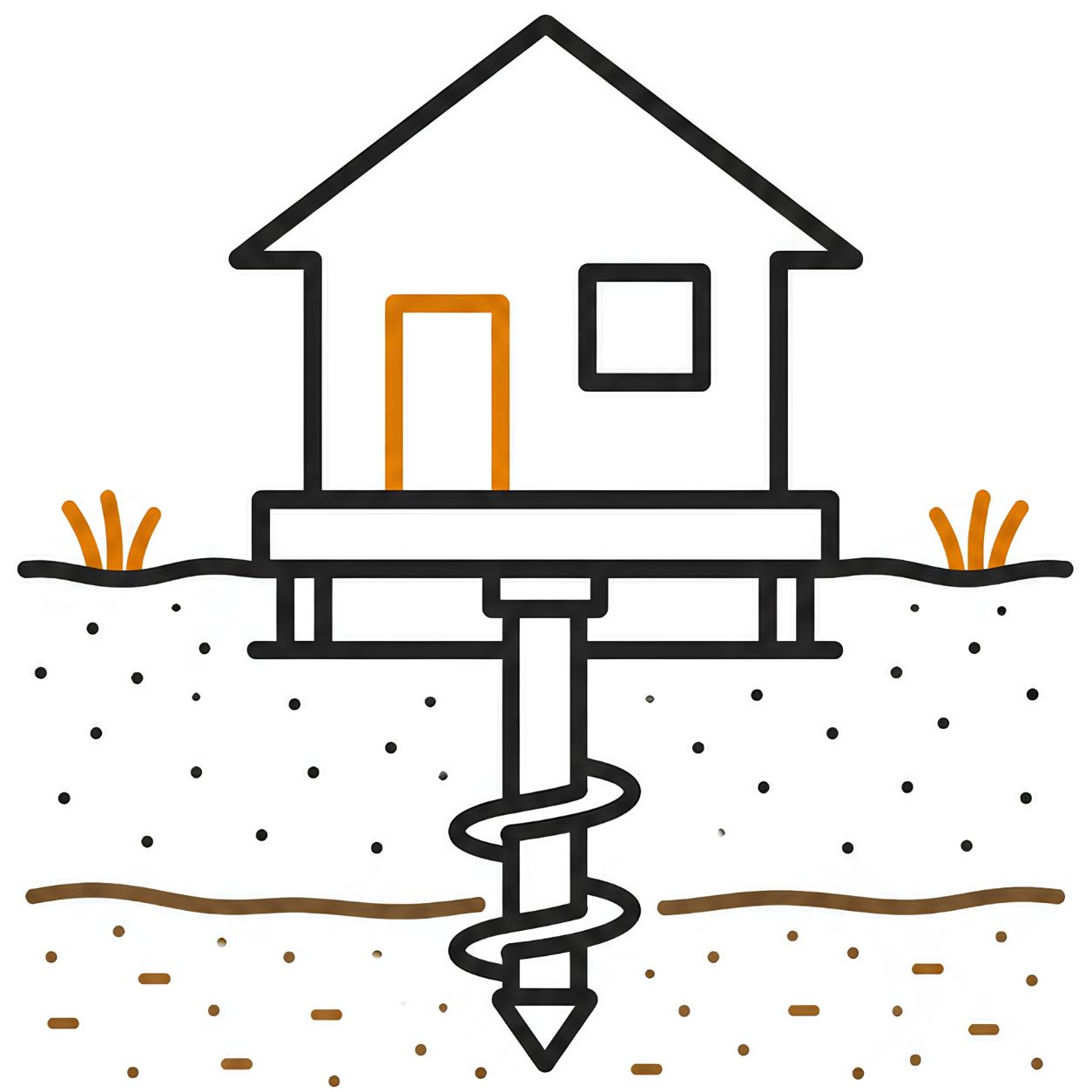
Common ADU cost drivers include septic capacity, sewer tie-ins, water lines, electrical panel upgrades, long utility trenching, foundation type, excavation, grading, drainage, driveway work, parking, wetlands review, tree removal, slopes, ledge, limited access, engineering, surveys, permits, and custom layout changes.
This is why a backyard ADU on a flat lot with nearby utilities may be very different from a similar-sized ADU on a sloped lot with septic review, drainage issues, and a long trenching path.
A cost-effective plan does not ignore these items. It identifies them early.
Pay Close Attention to Septic, Sewer, and Utilities
Utilities are one of the most important parts of ADU planning. For detached ADUs, utility distance can have a major impact on cost. For attached ADUs or conversions, the existing systems may help, but they still need to be reviewed.
If your home uses septic, the system may affect whether an ADU is feasible, how many bedrooms are allowed, and whether upgrades are needed. Septic records, soil conditions, health department requirements, and existing bedroom count can all matter.
If your home is on public sewer and water, connection points still matter. Trenching across driveways, patios, slopes, landscaping, or long distances can add complexity.
Electric service should also be reviewed. Some homes may need electrical panel upgrades or additional planning depending on the ADU’s size, appliances, heating, cooling, and utility setup.
The cost-effective move is simple: do not finalize the ADU location until utilities have been considered.
Match the ADU to the Real Use Case
The best ADU design depends on why you are building it.
If You Are Building for a Parent or Family Member
A family ADU or in law suite should focus on privacy, comfort, safety, and independence. Many homeowners want a private space for a parent that keeps family close without making everyone feel crowded.
Cost-effective choices may include one level living, a separate entrance, a walk-in shower, good lighting, practical storage, laundry access, and a layout that gives the family member dignity and privacy.
For this use case, the cheapest layout is not always the best layout. The right layout should support daily life.
If You Are Building for Rental Income
A rental ADU should be planned around durability, privacy, tenant appeal, and long-term maintenance. If the goal is long-term rental income, the layout should feel complete enough for someone to live comfortably.
Cost-effective choices may include durable finishes, a separate entrance, good parking, efficient heating and cooling, practical storage, and a simple layout that is easy to maintain.
Before building for rental income, homeowners should also review local rental rules, parking requirements, insurance, utilities, and realistic rent expectations.
If You Are Building for Future Downsizing
Some homeowners build an ADU now because they may want to live in it later. In that case, the ADU should be designed for long-term comfort, not just short-term savings.
A future downsizing ADU may need more storage, a comfortable kitchen, one level living, easy access from parking, and a bathroom that can adapt as needs change.
This is where a slightly more thoughtful layout can be more cost-effective over time.
Do Not Skip Permits to Save Money
Trying to save money by skipping permits, zoning review, or code requirements can create expensive problems later.
A legal ADU in Connecticut must be approved for residential use. It must meet zoning, building code, utility, safety, and occupancy requirements. Skipping steps can lead to stop-work orders, failed inspections, insurance problems, resale issues, rental limitations, and costly corrections.
This is especially important for tiny homes. A tiny home is not automatically a legal ADU. It needs the right approvals, foundation, utility connections, code compliance, and occupancy path.
The compliant path is usually the cost-effective path.
Questions to Ask Before Comparing ADU Builders
Before comparing ADU builders near me, ADU contractors, or an in law suite builder in Connecticut, make sure you are comparing full scope, not just starting price.
Ask what the price includes. Ask what is excluded. Ask whether permits, site work, utilities, appliances, septic review, surveys, engineering, and utility trenching are included or separate. Ask what could cause the price to change. Ask how the builder reviews feasibility before design decisions are finalized.
A lower price is not always better if it leaves out the items your property actually needs.
The Most Cost-Effective First Step
The most cost-effective first step is a feasibility conversation. You do not need to have every answer before you start. You need a guided review that helps you understand what is possible.
A good consultation should help clarify whether your property may be a fit, whether attached or detached makes more sense, what size range may be realistic, what site conditions need review, what documents would help, and what the next step should be.
Helpful documents include a survey, septic records, well records, plot plan, utility information, prior permits, photos of the proposed build area, and photos of driveway or utility access.
Want to know whether your Connecticut property is a fit for an ADU? Schedule a consultation to review feasibility, layout options, and next steps before choosing a model.
Frequently Asked Questions
Are ADUs cost-effective in Connecticut?
ADUs can be cost-effective when they are planned around the property, use case, and long-term value. The best savings usually come from confirming feasibility early, keeping the layout efficient, and avoiding avoidable site or design surprises.
What is the cheapest type of ADU to build?
There is no single cheapest ADU for every property. An attached ADU, garage conversion, basement ADU, or interior ADU may be more efficient on some lots. A detached ADU may be better when privacy, rental use, or future downsizing is the priority.
Is a tiny home the same as an ADU?
Not always. A tiny home can function as an ADU only when it meets zoning, building code, permit, foundation, utility, and occupancy requirements.
Can I build an in law suite on my Connecticut property?
Possibly. It depends on your town rules, lot layout, setbacks, utilities, septic or sewer system, parking, and whether the unit will be attached, detached, converted, or built within the existing home.
What adds cost to an ADU project?
Common cost drivers include septic upgrades, sewer tie-ins, utility trenching, electrical upgrades, foundation work, grading, drainage, driveway changes, wetlands review, surveys, engineering, permits, and custom design changes.


Copyright 2026. All rights reserved. Norwalk, CT
Connecticut's New Home Construction Contractor License: #NHC.0017654
EPA Lead-Safe Certified NAT-F269966-1