


















Knowledge Center: Your Go-To Resource for ADUs and Tiny Living
Knowledge Center: Your Go-To Resource for ADUs and Tiny Living
Email [email protected]
Phone 860-TINY-HOM (es)
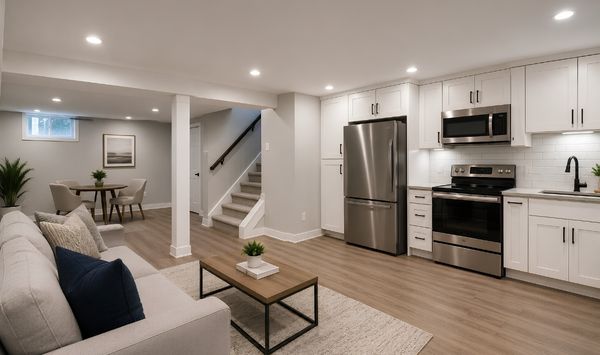
Basement ADU Connecticut: Can You Turn a Basement Into an ADU?
Many homeowners look at their basement and see a real opportunity.
Maybe the space is already framed. Maybe there is plumbing nearby. Maybe it feels like the easiest way to create an in law suite, rental unit, guest space, or private living area for an adult child.
The question is simple.
Can you turn a basement into an ADU?
The answer is possible, but not automatic.
A finished basement is not the same thing as a legal accessory dwelling unit. A basement ADU has to meet local zoning, building code, safety, utility, and permit requirements. It also has to work as a real living space. That means it needs privacy, safe access, a smart layout, and the right approvals before construction starts.
This guide explains what Connecticut homeowners should know before planning a basement ADU. You will learn what makes a basement eligible, what the process looks like, what can affect cost and timeline, and which mistakes to avoid before you spend money on design or construction.
View Our ADU Models
Can You Turn a Basement Into an ADU in Connecticut?
Yes. A basement can sometimes be turned into an ADU in Connecticut.
But the real answer depends on your property, your town, and the condition of the basement.
An ADU, also called an accessory dwelling unit, is a separate living unit on the same property as the main home. It is not just a family room with a bathroom. It usually needs sleeping space, a bathroom, a kitchen or cooking area, safe exits, utilities, and compliance with applicable building, fire, health, and safety rules. Connecticut’s accessory apartment statute defines the unit around separate dwelling use, same-lot placement, cooking facilities, and applicable code or safety compliance.
That is why the first step should not be picking cabinets or flooring.
The first step should be feasibility.
A basement ADU may work well if the space has enough ceiling height, dry conditions, safe entry and exit options, usable plumbing access, and a layout that can support daily living. It may be harder if the basement is damp, low, chopped up by mechanical systems, or missing a safe exit path.
A legal ADU also depends on how your local town handles accessory dwelling units. Some towns make internal ADUs easier than detached units. Some have specific rules for parking, unit size, owner occupancy, rental use, or short-term rentals. Others may have requirements tied to septic, sewer, fire safety, or certificates of occupancy.
So the better question is not, “Can I finish my basement?”
The better question is, “Can my basement become a legal ADU that my town will approve?”
That is where a full-service ADU contractor helps. The right team looks at zoning, permits, utilities, layout, and construction together. This gives you a clearer answer before you invest in drawings or finishes.
What Makes a Basement ADU Different From a Finished Basement?
A finished basement may be used as a playroom, office, gym, storage area, or extra living room.
A basement ADU is different.
It is meant to function as a separate dwelling unit. That usually means it has its own cooking area, bathroom, sleeping area, living space, and some level of privacy from the main home.
This is why basement apartment conversion projects need more planning. The project is not only about making the space look better. It is about making the space legal, safe, comfortable, and useful.
Who Is a Basement ADU Best For?
A basement ADU can be a strong fit for homeowners who want to use space they already have.
It may work for a parent who needs to be close but still wants privacy. It may help an adult child live independently while staying on the property. It may create guest space. It may also support rental income if local rules allow it.
The biggest benefit is flexibility. A basement ADU can serve one purpose today and another purpose later.

Basement ADU Options, Process, and Steps
A good ADU project starts with the actual property.
This matters because every basement is different.
One basement may already be dry, open, and close to plumbing. Another may need drainage work, egress improvements, structural changes, or utility upgrades. The process should uncover those issues early.
Step 1: Confirm Local ADU Rules
Start with the town.
Before you plan a basement apartment ADU, confirm whether your property can support an ADU. You may need to look at zoning district, lot size, parking, unit size, rental rules, and whether the unit can be located inside the main home.
This is one of the biggest reasons people search “can I build an ADU on my property” or “ADU contractor near me.” They are not only looking for a builder. They are looking for someone who can explain what is possible on their specific lot.
Do not assume your neighbor’s project means your project will be approved. Two homes on the same street can have different conditions.
Step 2: Review the Basement for Code and Safety
Next, the basement itself needs to be reviewed.
The main items are ceiling height, moisture, stairs, emergency escape, ventilation, heating, electrical capacity, plumbing, drainage, and fire safety. If the ADU includes a bedroom, safe exit options become even more important. Connecticut building code interpretation materials discuss emergency escape and rescue opening requirements for newly created habitable basement spaces, which is why egress should be reviewed early.
A safe basement ADU should never feel like an afterthought.
It should feel like a private small home within the property. It should be comfortable in all seasons. It should have enough light where possible. It should have air flow, sound control, storage, and a layout that makes daily life easier.
Step 3: Plan the Layout
The best ADU floor plans start with use.
Who will live there? How much privacy do they need? Will the unit be used by an older parent, renter, guest, or future owner? Does the person need one level living, no steps, wider doorways, or an easier bathroom layout?
A basement ADU layout usually needs a sleeping area, bathroom, kitchen, living area, storage, and mechanical access. It may also need a separate entrance or a more private path into the unit.
Not every basement needs the same design.
A rental unit may need stronger privacy and durable finishes. A parent suite may need comfort, safety, and easy access. A guest suite may need a simpler setup. A future downsizing plan may need more storage and better long-term comfort.
Step 4: Review Utilities
Utilities can make or break a basement ADU project.
Water, sewer, septic, electric, heating, cooling, laundry, and kitchen ventilation all need to be reviewed. If the home is on septic, capacity may be a major question. If the home is on public sewer, the path may be different.
Electrical service also matters. A basement apartment may add appliances, lighting, HVAC, and laundry. The existing panel may need review.
This is where many homeowners get surprised. The visible parts of the project are cabinets, tile, flooring, and paint. The hidden parts are plumbing, electric, drainage, and safety work. Those hidden items can affect both cost and timeline.
Step 5: Create the Scope and Permit Plan
Once feasibility is clearer, the next step is a real scope.
That means deciding what will be built, what drawings are needed, which permits may apply, what inspections are expected, and what items are included or excluded.
This is also the point where the budget becomes more meaningful.
Want to know whether your basement is a fit for an ADU? Schedule a consultation with Contemporary Tiny Homes to review feasibility, layout options, utility questions, and next steps before you commit to a full basement ADU plan.
Basement ADU Cost, Timeline, and What to Expect
Basement ADU cost depends on the starting point.
Some homeowners hope a basement conversion will be simple because the space already exists. Sometimes that is true. A basement ADU can be more efficient than building a detached ADU because the structure is already part of the home.
But that does not mean it is always cheap or easy.
The real cost depends on what the basement needs to become legal, safe, and livable.
What Affects Basement ADU Cost?
The biggest cost factors are usually not the decorative choices.
They are the conditions behind the walls, under the floor, and inside the mechanical systems.
Common cost factors include:
Design and drawings. A legal ADU may need plans that show layout, life safety, utilities, and construction details.
Permits and inspections. The project may require building, electrical, plumbing, mechanical, zoning, or health department review.
Moisture control. A basement must stay dry. Water issues should be solved before finishing work begins.
Egress and access. A basement living space may need safe emergency escape and rescue openings, safer stairs, or improved entry access.
Plumbing. A bathroom, kitchen, laundry, or wet bar style setup can require new supply lines, drain lines, pumps, or tie-ins.
Electrical. The home may need panel review, added circuits, lighting, outlets, appliances, and code-required safety devices.
Heating and cooling. A basement ADU must be comfortable. Existing HVAC may not be enough.
Fire and sound separation. The unit may need fire safety details, alarms, doors, and better sound control between living areas.
Kitchen and bathroom finishes. Cabinets, countertops, tile, fixtures, appliances, and ventilation all affect final price.
The best way to think about basement ADU cost is simple.
You are not only paying to finish space. You are paying to create a code-conscious living unit that can serve a real person.
How Long Does a Basement ADU Conversion Take?
The timeline depends on the complexity of the project.
A simple basement conversion with clear zoning, good existing conditions, and limited utility changes can move faster than a larger project. A basement with moisture problems, low ceiling height, major plumbing needs, septic questions, or complex permits will take longer.
The timeline usually includes more than construction.
You may need feasibility review, design, pricing, document prep, permit submission, town review, scheduling, construction, inspections, and final closeout. Homeowners often think only about build time. The full process is broader.
A good contractor should explain the full path. That includes what happens first, what could slow things down, what decisions you need to make, and what information you should gather before the project starts.
What Should You Expect During the First Consultation?
The first consultation should help you understand whether the idea is worth pursuing.
It should not feel like a high-pressure sales call.
A good ADU contractor will ask about your property, town, basement condition, use case, timeline, budget comfort, and decision makers. They may ask about existing surveys, septic records, sewer connection, utility location, basement height, exterior access, moisture, and photos of the space.
The goal is clarity.
You should leave with a better sense of what is possible, what needs more review, and what the next step should be.
Assess Project Feasibility
Basement ADU Mistakes to Avoid
A basement ADU can be a smart project. It can also become stressful if the wrong steps come first.
Here are the mistakes to avoid.
Mistake 1: Assuming Finished Means Legal
A finished basement is not automatically a legal basement ADU.
A legal ADU needs approval and compliance. It may need a kitchen, bathroom, safe exits, permits, inspections, and local authorization.
This is the most important difference.
If you plan to rent the unit or use it as separate living space, do not skip the legal review.
Mistake 2: Starting With Interior Design
Finishes are exciting.
But they should not come first.
Before selecting flooring, cabinets, tile, or paint, confirm feasibility. The early questions are zoning, code, moisture, egress, plumbing, electrical, and layout. Those items decide whether the project can move forward and how much it may cost.
Mistake 3: Ignoring Moisture
Basements need special attention.
Moisture can damage flooring, walls, cabinets, insulation, and air quality. It can also make the space feel uncomfortable.
Before building a basement apartment conversion, deal with water, drainage, dampness, humidity, and ventilation. A beautiful basement ADU will not perform well if the foundation has unresolved moisture problems.
Mistake 4: Forgetting Privacy
A basement ADU should feel separate.
Think about entry path, sound transfer, ceiling noise, shared stairs, laundry access, parking, and how the occupant will move in and out without feeling like they are walking through someone else’s home.
Privacy is especially important for an in law suite. Many families want to keep loved ones close without making them feel dependent. The right layout supports dignity, independence, and comfort.
Mistake 5: Choosing the Cheapest Quote
Searches like “ADU builders near me” and “best ADU contractor” can return many options.
But the cheapest quote is not always the best choice.
A basement ADU involves code, permits, utilities, layout, and long-term function. A low number that leaves out important scope can create surprises later.
Ask what is included. Ask what is not included. Ask what could increase after the first visit. Ask how the contractor handles permitting, utility review, and inspections.
Frequently Asked Questions
Do You Need a Permit for a Basement ADU?
In most cases, yes.
A basement ADU usually involves building, electrical, plumbing, mechanical, zoning, or health and safety review. Your local requirements may vary, but you should expect permits and inspections for a legal dwelling unit.
Can a Basement ADU Have a Kitchen?
Usually, an ADU needs cooking facilities to function as a separate dwelling unit.
That kitchen may be compact, but it must be planned correctly. It may affect plumbing, electrical, ventilation, layout, and permits.
Is a Basement ADU Better Than a Detached ADU?
It depends.
A basement ADU may use space you already have. It may reduce exterior site work. It may also keep the project inside the existing home footprint.
A detached ADU may offer more privacy, more light, more design freedom, and stronger separation. It may also be better for rental use or long-term family independence.
The right choice depends on the property and the goal.
Can a Basement ADU Be Used for a Parent?
Yes, if the space can be made safe, private, and practical.
For an older parent, the biggest concerns are stairs, lighting, bathroom safety, emergency access, air quality, and comfort. A basement may not be the right fit for every parent. But when the conditions are right, it can create a private living area close to family.
Can I Rent Out a Basement ADU?
Possibly.
Rental use depends on local rules, how the unit is approved, and whether the space meets all requirements. Some towns may also regulate short-term rentals differently from long-term rentals.
Before planning rental income, confirm the rules and get the unit approved the right way.
Contact Us
Start With a Basement ADU Feasibility Review
A basement ADU can be a practical way to create more living space, support family, or add rental potential.
But it needs to be done correctly.
The right question is not only whether the basement can be finished. The right question is whether it can become a legal, safe, comfortable accessory dwelling unit that fits your property, your town, and your goals.
Start with feasibility. Then move into design, pricing, permits, and construction.
Contemporary Tiny Homes is a full-service ADU contractor that designs and builds custom accessory dwelling units for homeowners across Connecticut. If you are wondering whether your basement can become an ADU, request a quote or book a consultation today. We will help you review what is possible, what to expect, and the next best step for your property.


Copyright 2026. All rights reserved. Norwalk, CT
Connecticut's New Home Construction Contractor License: #NHC.0017654
EPA Lead-Safe Certified NAT-F269966-1