
ADU Builders Near Me in Connecticut
ADU Builders Near Me in Connecticut
Welcome Your Guests with the Perfect Tiny Home Solution
Welcome Your Guests with the Perfect Tiny Home Solution
Welcome Your Guests with the Perfect Tiny Home Solution
ADU Builders Near Me in Connecticut
Welcome Your Guests with the Perfect Tiny Home Solution
Searching for “adu builders near me” usually means you are looking for more than a floor plan. You want to know if an ADU is allowed on your property, where it could go, what the real cost may look like, and who can guide you through zoning, permits, design, and construction.
Contemporary Tiny Homes serves homeowners in every county of Connecticut. We help Connecticut property owners create accessory dwelling units, in-law suites, garage conversions, basement apartments, and private small homes on existing residential properties. We are also currently expanding toward Westchester County, NY, as our next service area.
Our process is built around the questions homeowners ask first: What is possible on my property? What will my town allow? What can affect the final investment? What is the next step if I want to move forward?
Whether you want a backyard living space for a parent, a one-level in-law suite, rental income, a private guest space, or a future downsizing option, we help you start with clarity before making a major decision.
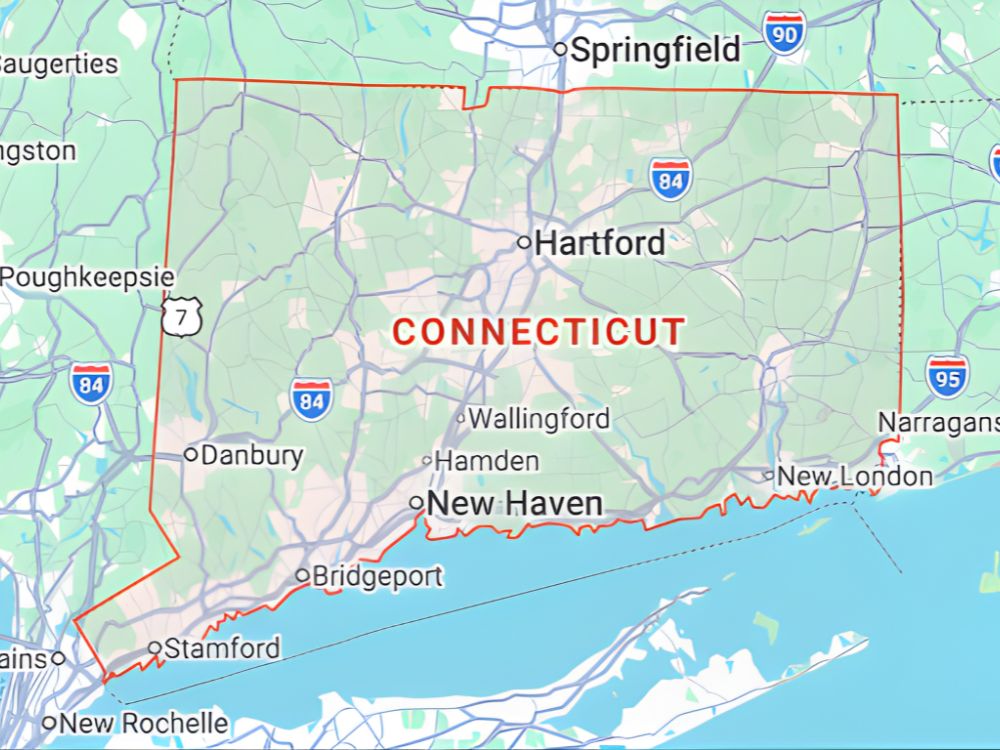
Counties We Serve Across Connecticut
We provide ADU solutions for homeowners across Connecticut, with a strong focus on Fairfield County, New Haven County, Litchfield County, Hartford County, Tolland County, Windham County, Middlesex County, and New London County.
While we serve clients by county, local zoning and ADU regulations are set at the town level. Requirements can vary by municipality and may include different standards for attached and detached units, parking, owner occupancy, and size limits. Danbury is not included because it has opted out of ADU allowance.

Westchester, NY Service Expansion
Contemporary Tiny Homes is currently expanding into Westchester County, NY. We are in the process of getting licensed to build in this area, so Westchester is an upcoming service location rather than an active build market today.
Westchester ADU rules are highly local. Each city, town, or village may have different standards for ADU type, size, owner occupancy, parking, setbacks, utilities, and permitting. Once our Westchester licensing is complete, our goal will be to help homeowners understand what is possible on their specific property before moving into design.
Why Homeowners Choose Us for ADUs
Why Homeowners Choose Us for ADUs
Homeowners choose Contemporary Tiny Homes because ADU projects require more than inspiration photos. They require clear answers, strong planning, and a team that understands how property conditions affect the final path.
Connecticut ADU zoning and permitting guidance
Service across every Connecticut county
Property-level feasibility review before design decisions
Custom ADU and model-based planning options
Turnkey project management from planning through construction
Energy-conscious construction planning
Financing guidance and project readiness support
Plain language answers around cost, site work, utilities, and timing
ADU solutions for parents, rental income, guests, aging in place, and future downsizing
We help homeowners move from uncertainty to a clear next step.
Why Homeowners Choose Us for ADUs
Homeowners choose Contemporary Tiny Homes because ADU projects require more than inspiration photos. They require clear answers, strong planning, and a team that understands how property conditions affect the final path.
Connecticut ADU zoning and permitting guidance
Service across every Connecticut county
Property-level feasibility review before design decisions
Custom ADU and model-based planning options
Turnkey project management from planning through construction
Energy-conscious construction planning
Financing guidance and project readiness support
Plain language answers around cost, site work, utilities, and timing
ADU solutions for parents, rental income, guests, aging in place, and future downsizing
We help homeowners move from uncertainty to a clear next step.
Discover Our ADU Solutions
Explore our custom-built options to transform your property with functional and stylish ADU designs.

Explore ADU designs crafted to suit a range of styles.
A flexible ADU tailored to your lifestyle and property.
Seamlessly expand your home with a connected ADU.
Convert your basement into a versatile living area.

Elevate your outdoors with a touch of style.
ADU Regulations by State
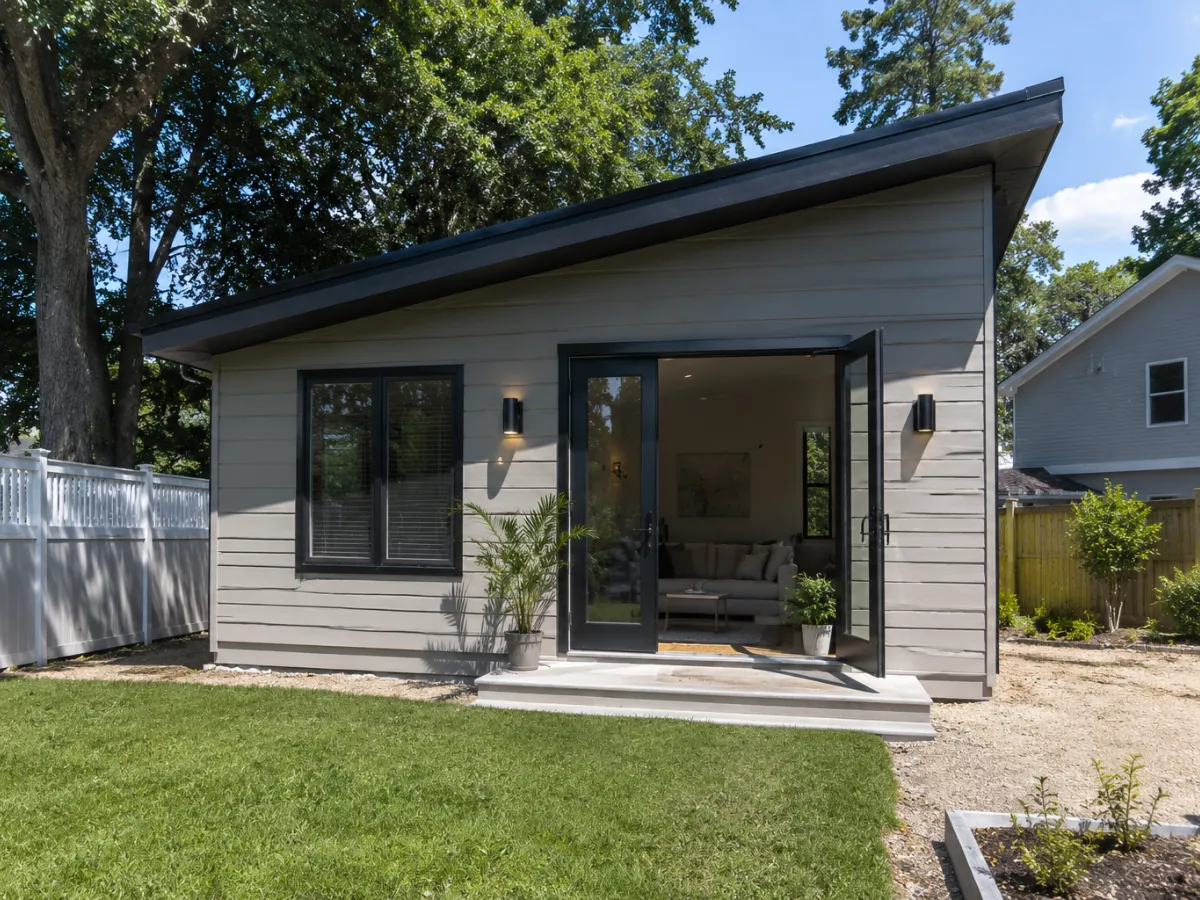
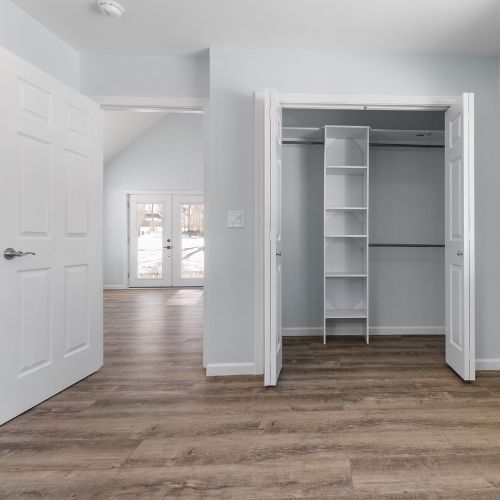
Connecticut ADU Laws
Connecticut ADU laws can be confusing because statewide rules and local town requirements both matter. Your town may affect whether your ADU can be attached or detached, where it can sit on the lot, how large it can be, what parking is required, and what permits or documents you need.
Common review items include setbacks, lot coverage, wetlands, survey availability, septic capacity, sewer access, utility distance, driveway access, and placement in relation to the primary home. A property that looks ideal at first may still need a deeper review before the project is confirmed.
That is why Contemporary Tiny Homes starts with feasibility. Before you get attached to a layout, we help you understand what your town and property may allow.
Westchester, NY Service Expansion
New York ADU rules are largely handled at the local level, and Westchester County is especially town-specific. One Westchester municipality may allow certain ADU types while another may have different rules for size, parking, owner occupancy, rentals, setbacks, or approval process.
Because Contemporary Tiny Homes is currently expanding toward Westchester, we are positioning this area as coming soon. Once service is active, Westchester homeowners should expect the process to begin with local zoning review and property feasibility before design or construction planning.
Why Local Expertise Matters
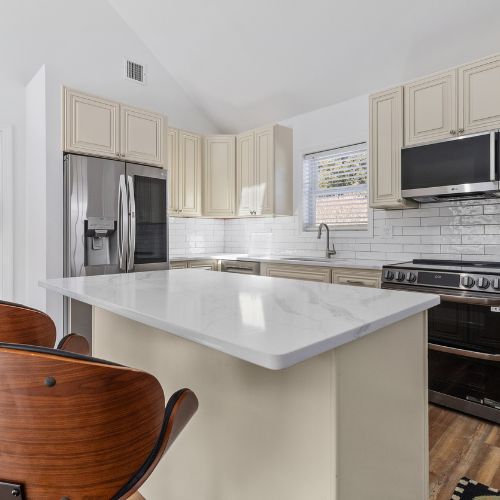
ADU laws may open the door, but your property decides the path. A successful ADU project depends on where the unit can go, how utilities will connect, whether septic or sewer capacity is an issue, what the town requires, and how site work may affect the final investment.
Local expertise matters because it helps prevent expensive surprises. Contemporary Tiny Homes helps homeowners move from “Can I build this?” to “Here is the realistic next step.
Featured Service Areas
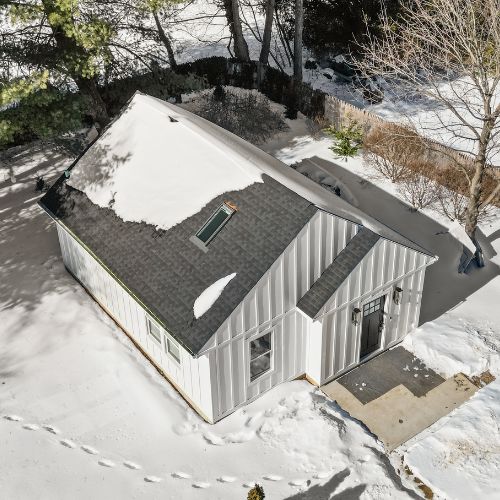
Fairfield is a strong market for ADUs because homeowners often want more flexibility for family housing, guest space, or future rental use. We help Fairfield property owners navigate local considerations and make informed decisions before moving into design and construction.
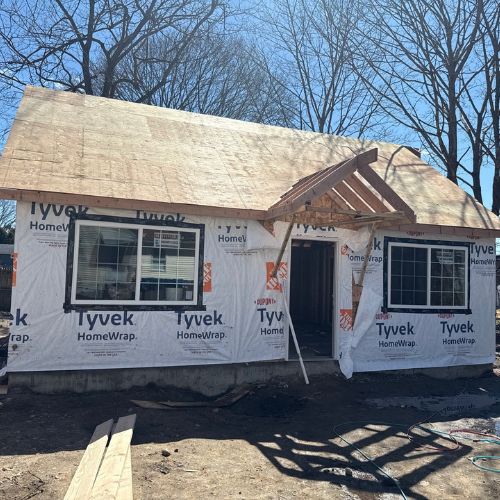
Groton homeowners may consider ADUs for multigenerational living, rental income, or creating a private small home on the property. We help review local constraints, site conditions, and the best-fit ADU path for the
property.
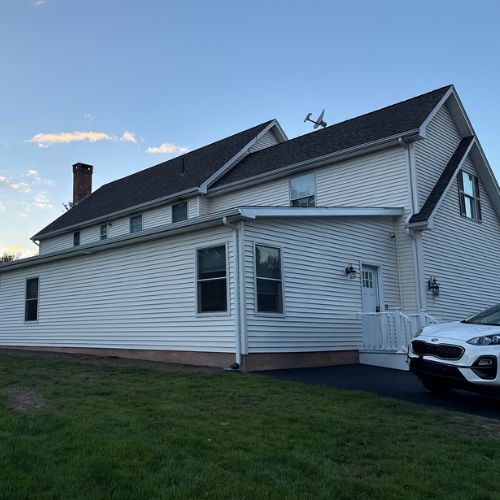
Bristol homeowners are increasingly exploring ADUs for family living, rental income, and flexible backyard housing. We help property owners in Bristol understand what may be possible on their lot and what steps are needed to move forward with confidence.
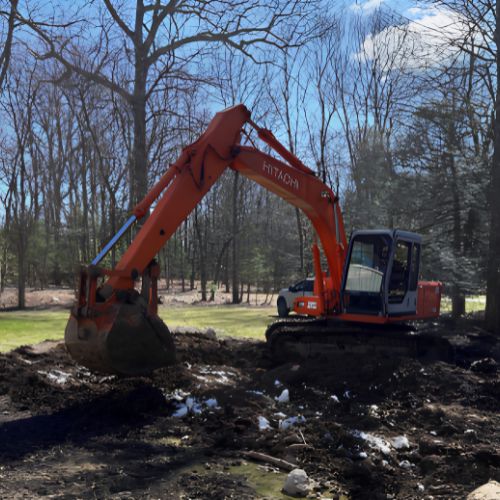
In Burlington, ADUs can be a smart solution for homeowners who want more usable living space on their property without buying another home. From early feasibility questions to zoning and placement review, we help simplify the
process.
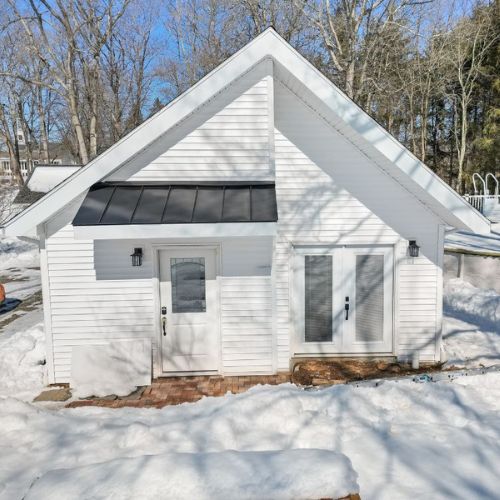
Guilford property owners often want a thoughtful, well-planned ADU that adds long-term value and flexibility. Whether the goal is family use, guest housing, or future downsizing, we help guide the project from feasibility to next steps.
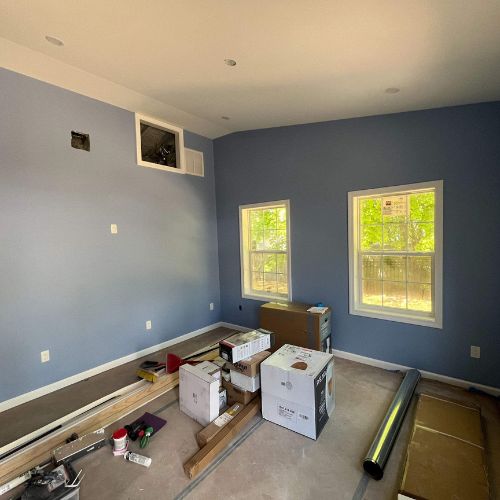
Hamden is a strong location for homeowners looking to build an ADU for parents, adult children, or rental income.
We help determine what is allowed, what may affect the budget, and how to move forward with a clear
process.
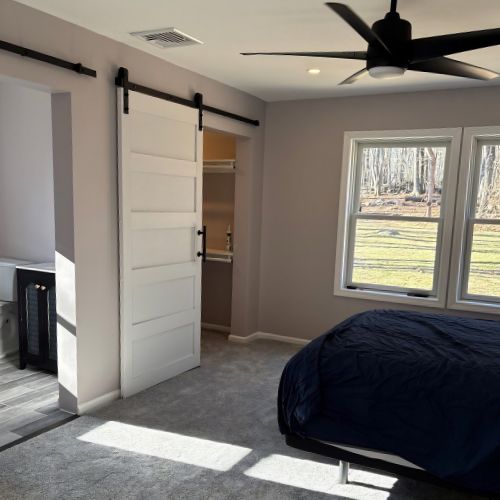
Ledyard homeowners may benefit from ADUs as a way to create independent living space while making better use of the property they already own. We help evaluate zoning, utilities, site fit, and the overall path to a successful ADU project.
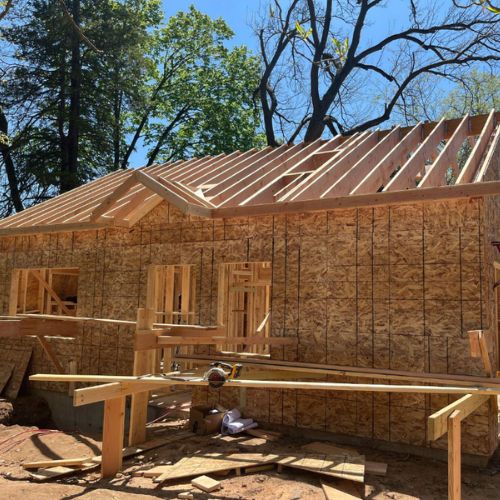
New Haven continues to be an important service area for ADU demand, especially for homeowners seeking family housing, rental opportunities, or flexible future use. We help New Haven property owners understand the practical side of planning an ADU before committing to a build.
Our ADU Design & Build Process
Contemporary Tiny Homes offers custom ADU solutions through a guided process built to reduce confusion and help homeowners make confident decisions.
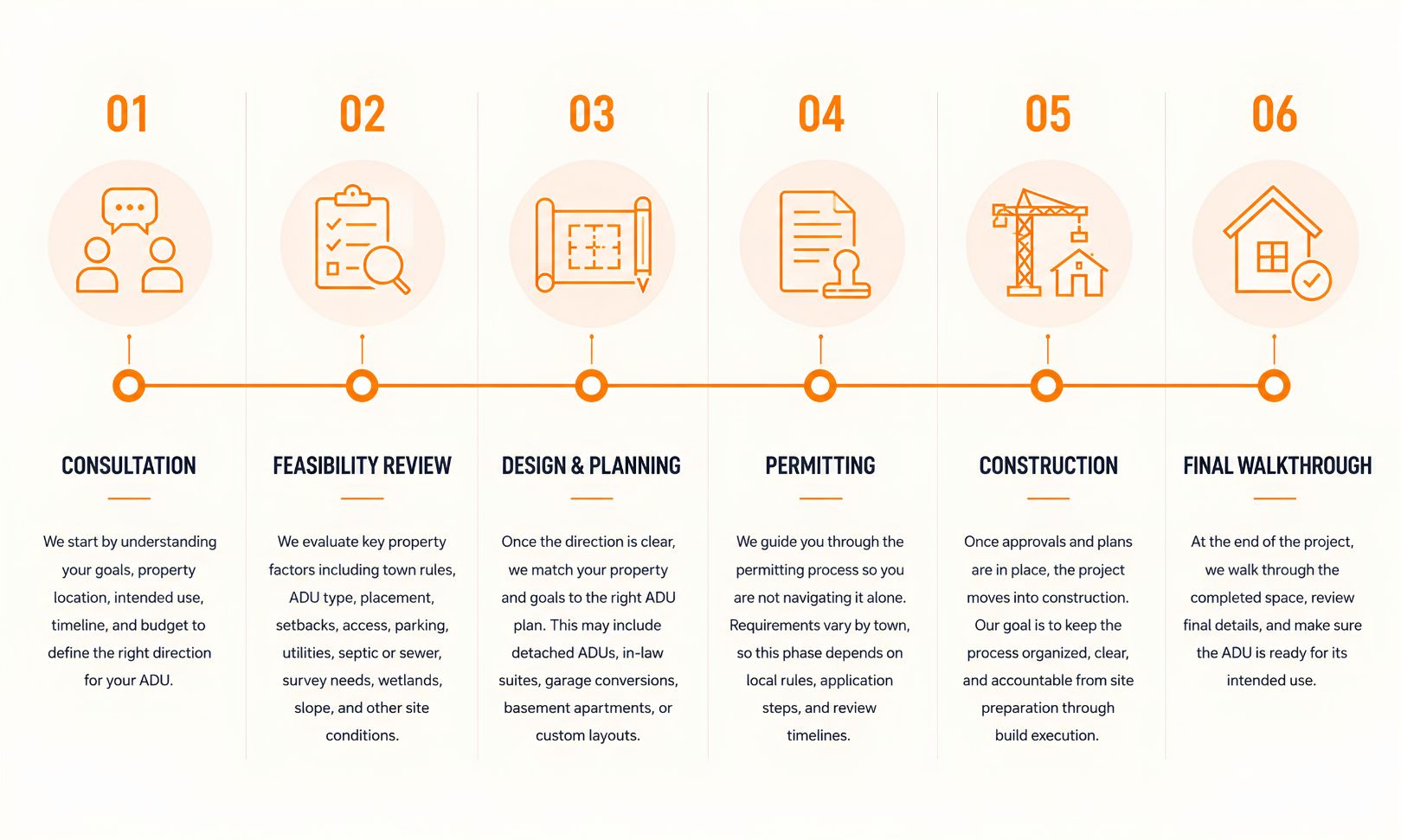
This ADU design and build process illustration explains the step-by-step path Connecticut homeowners follow when planning an accessory dwelling unit. The timeline highlights consultation, feasibility review, design and planning, permitting, construction, and final walkthrough. It helps homeowners understand how Contemporary Tiny Homes guides ADU projects from the first conversation through property review, town requirements, site planning, approvals, build execution, and completion.
Our ADU Design & Build Process
Contemporary Tiny Homes offers custom ADU solutions through a guided process built to reduce confusion and help homeowners make confident decisions.
This ADU design and build process illustration explains the step-by-step path Connecticut homeowners follow when planning an accessory dwelling unit. The timeline highlights consultation, feasibility review, design and planning, permitting, construction, and final walkthrough. It helps homeowners understand how Contemporary Tiny Homes guides ADU projects from the first conversation through property review, town requirements, site planning, approvals, build execution, and completion.
Featured Service Areas
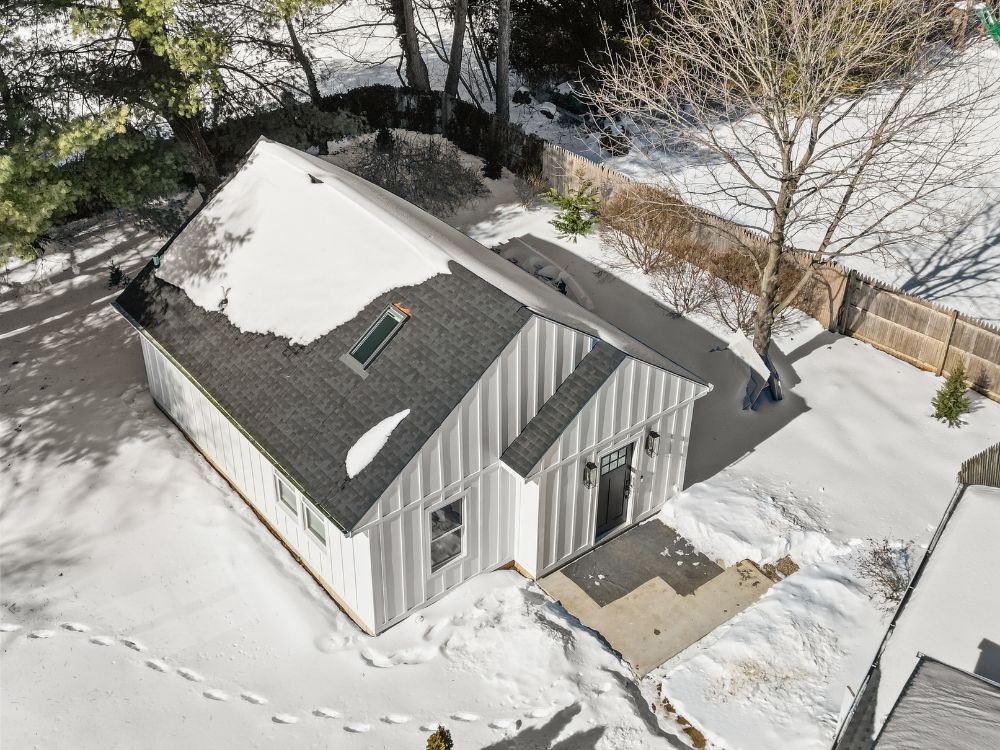
Fairfield is a strong market for ADUs because homeowners often want more flexibility for family housing, guest space, or future rental use. We help Fairfield property owners navigate local considerations and make informed decisions before moving into design and construction.
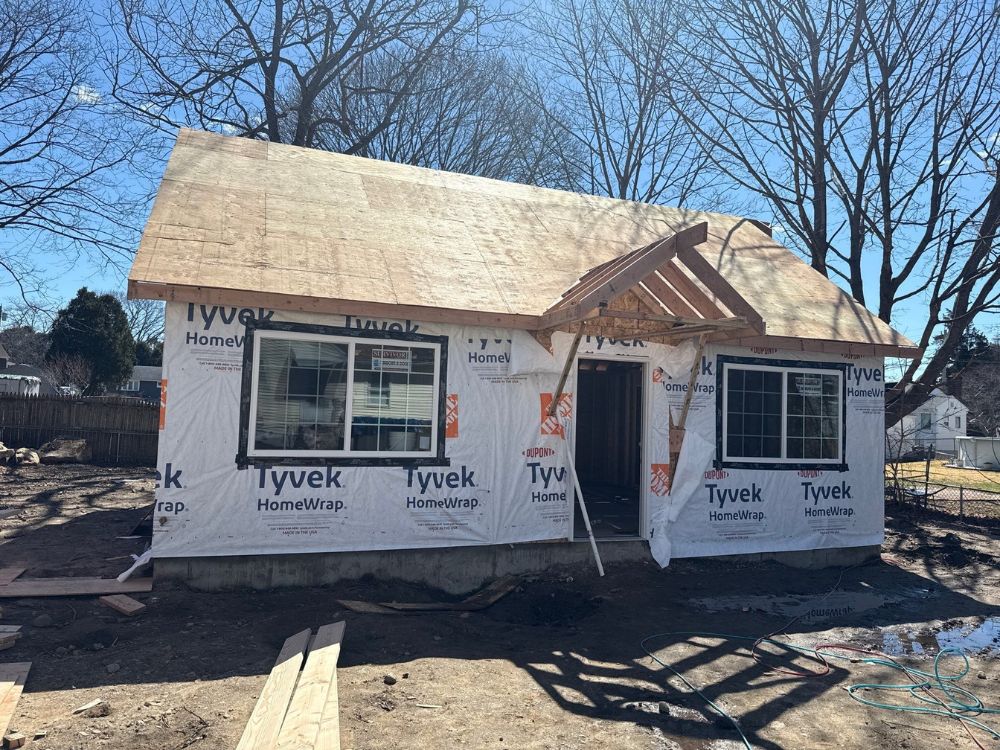
Groton homeowners may consider ADUs for multigenerational living, rental income, or creating a private small home on the property. We help review local constraints, site conditions, and the best-fit ADU path for the
property.
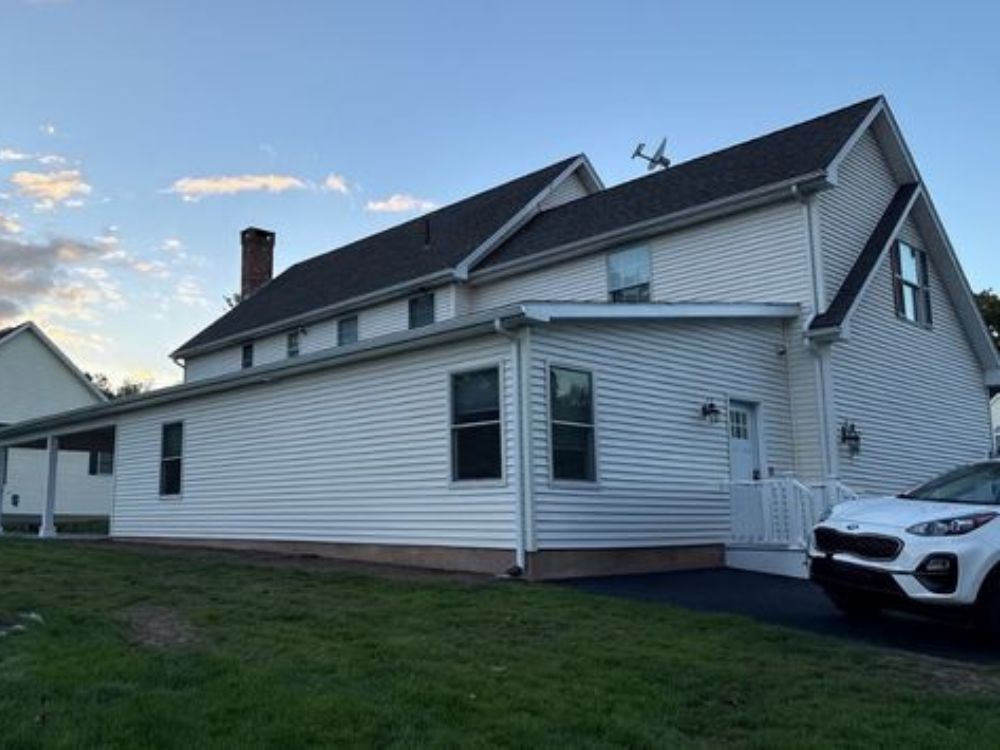
Bristol homeowners are increasingly exploring ADUs for family living, rental income, and flexible backyard housing. We help property owners in Bristol understand what may be possible on their lot and what steps are needed to move forward with confidence.
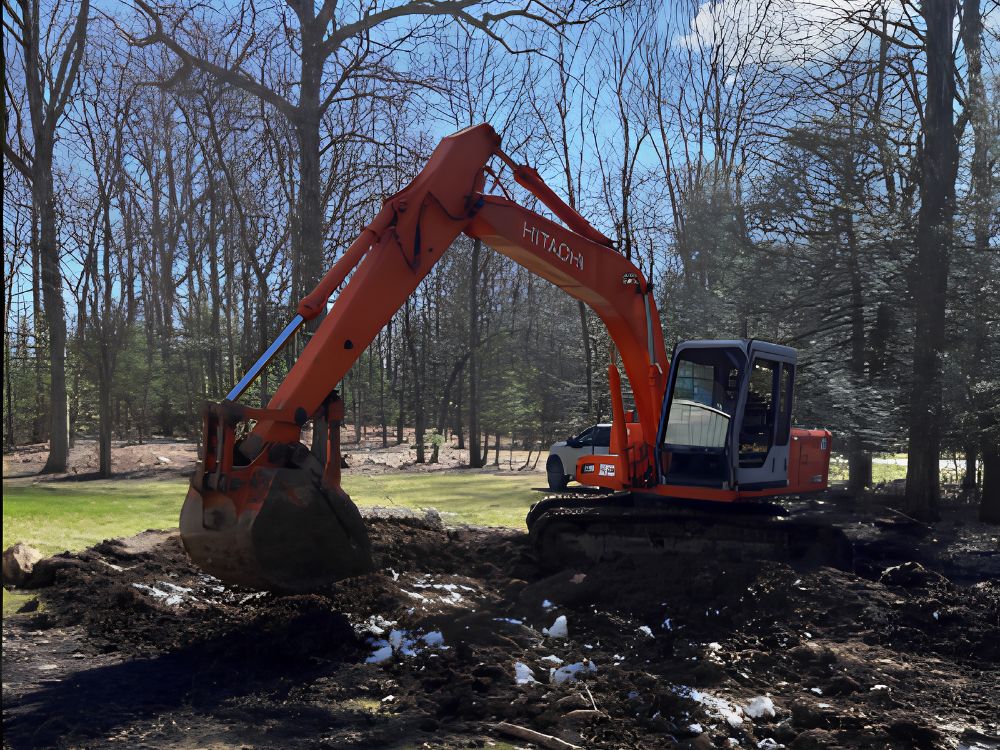
In Burlington, ADUs can be a smart solution for homeowners who want more usable living space on their property without buying another home. From early feasibility questions to zoning and placement review, we help simplify the
process.
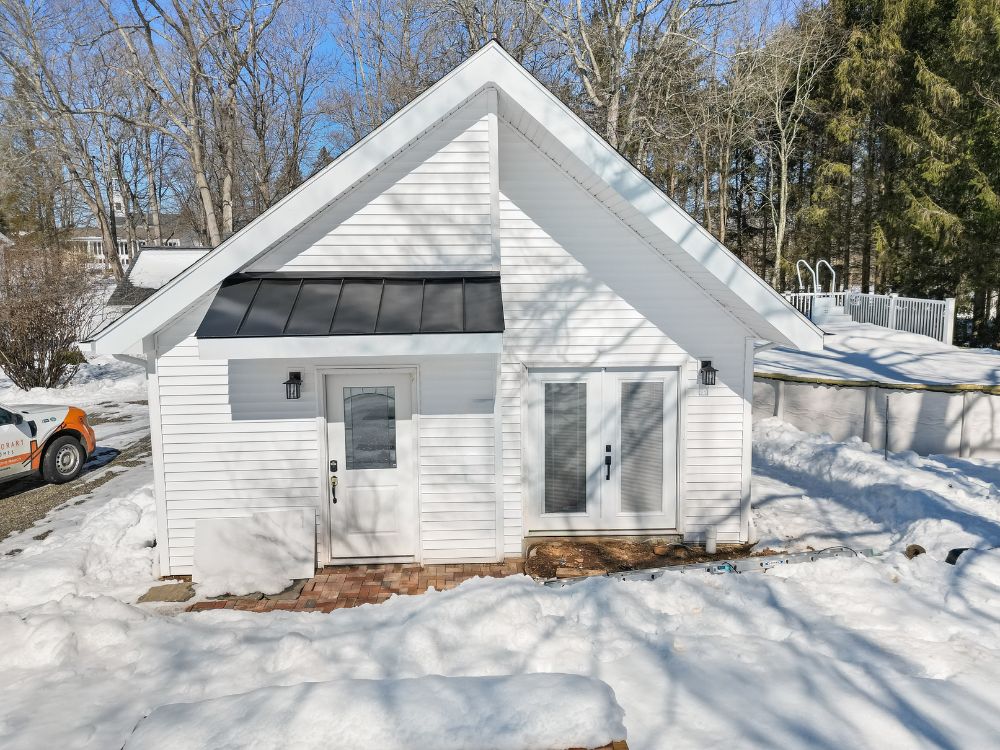
Guilford property owners often want a thoughtful, well-planned ADU that adds long-term value and flexibility. Whether the goal is family use, guest housing, or future downsizing, we help guide the project from feasibility to next steps.
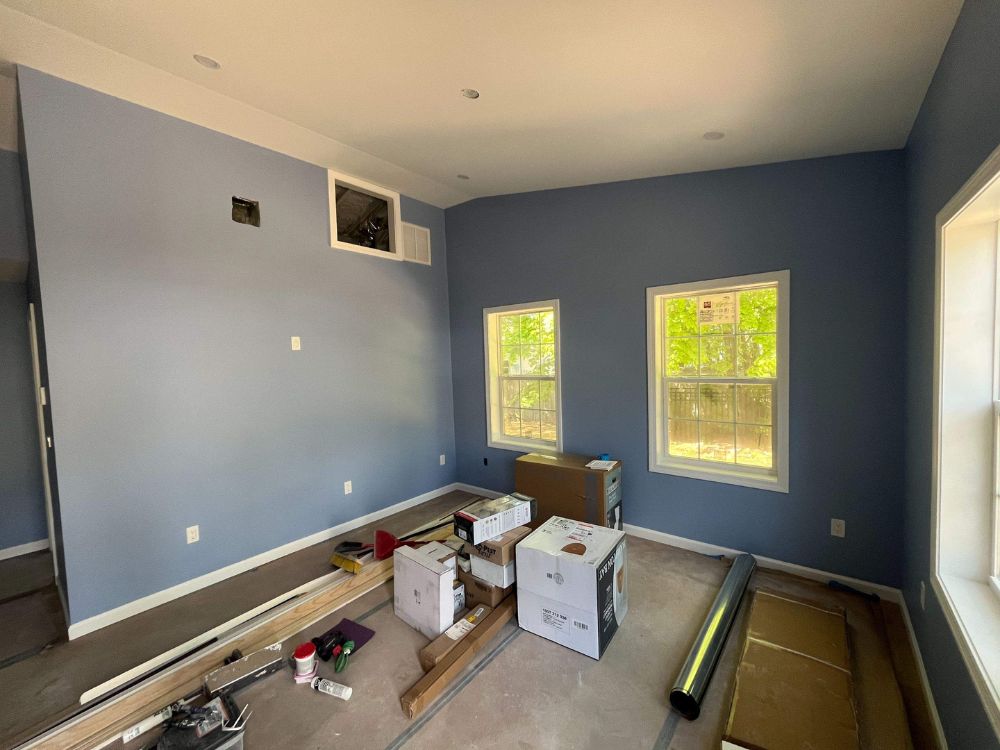
Hamden is a strong location for homeowners looking to build an ADU for parents, adult children, or rental income.
We help determine what is allowed, what may affect the budget, and how to move forward with a clear
process.
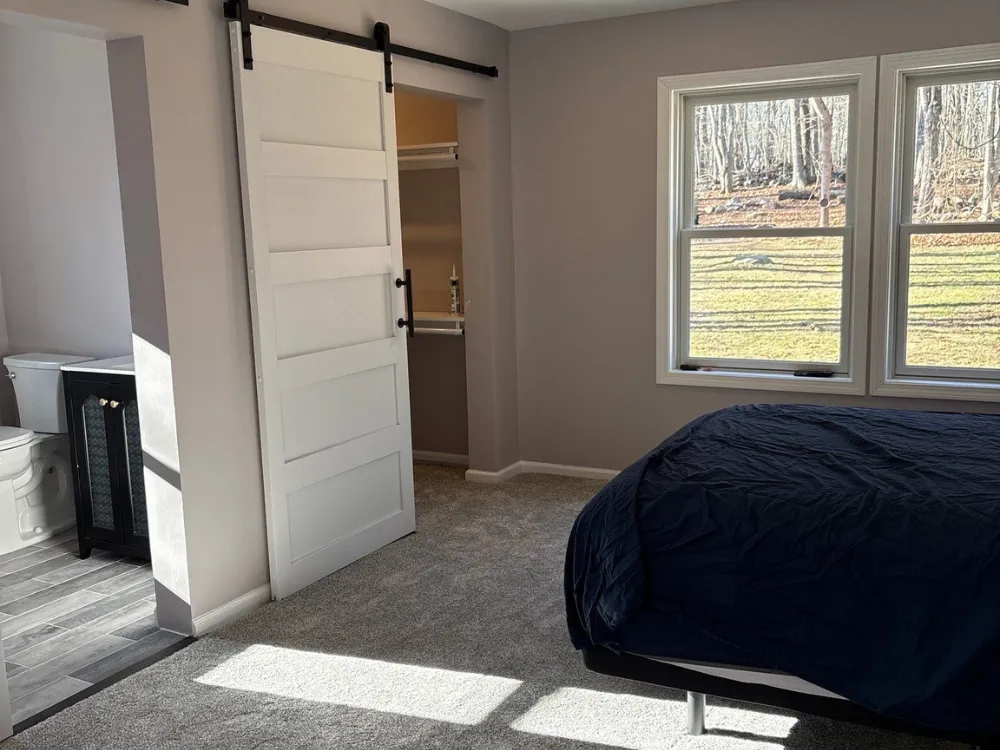
Ledyard homeowners may benefit from ADUs as a way to create independent living space while making better use of the property they already own. We help evaluate zoning, utilities, site fit, and the overall path to a successful ADU project.
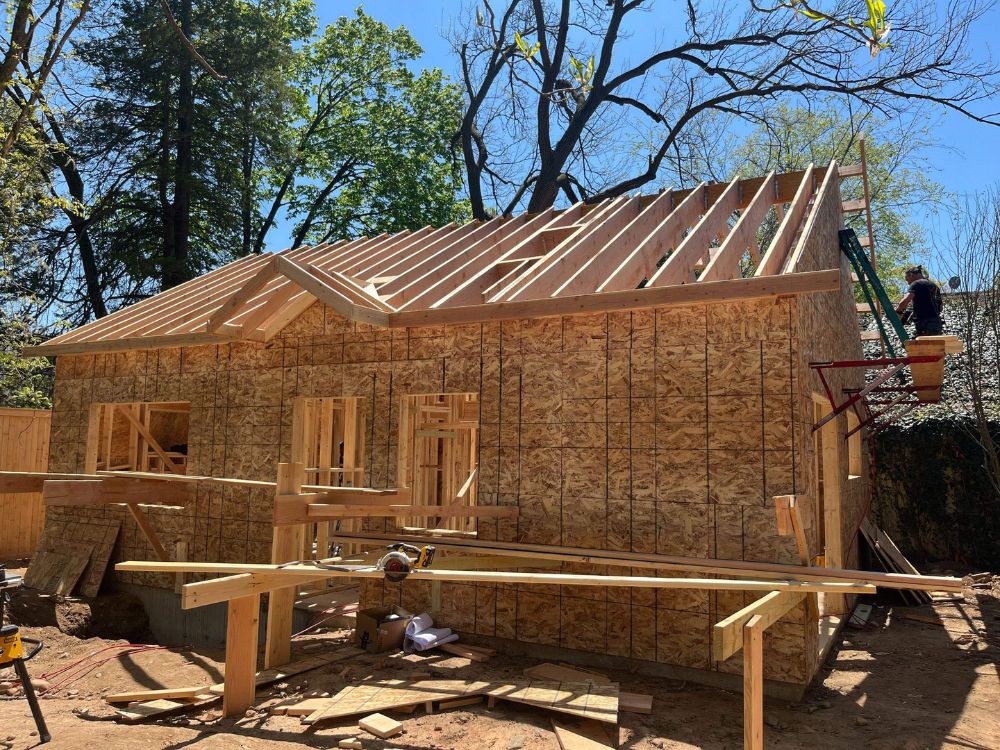
New Haven continues to be an important service area for ADU demand, especially for homeowners seeking family housing, rental opportunities, or flexible future use. We help New Haven property owners understand the practical side of planning an ADU before committing to a build.
Cost of Building an ADU in the Northeast
The cost of building an ADU in Connecticut depends on the type of ADU, size, site conditions, utility needs, permitting requirements, and finishes. Most homeowners should think of an ADU as a significant six-figure investment, with conversions often less complex than detached new builds and detached ADUs often requiring more site work, foundation planning, utility coordination, and construction scope.
Size: A larger ADU usually means more materials, labor, finishes, mechanical systems, and permitting review.
Site conditions: Slope, trees, drainage, access, soil, wetlands, ledge, and lot shape can affect placement and construction.
Utilities: Water, sewer, septic, electric, gas, trenching distance, and utility upgrades can change the final scope.
Local regulations: Town rules, permit requirements, parking, setbacks, lot coverage, and inspections can affect timing and cost.
Size: A larger ADU usually means more materials, labor, finishes, mechanical systems, and permitting review.
Site conditions: Slope, trees, drainage, access, soil, wetlands, ledge, and lot shape can affect placement and construction.
Utilities: Water, sewer, septic, electric, gas, trenching distance, and utility upgrades can change the final scope.
Local regulations: Transform your ADU into an office, gym, or studio.
Size: A larger ADU usually means more materials, labor, finishes, mechanical systems, and permitting review.
Site conditions: Slope, trees, drainage, access, soil, wetlands, ledge, and lot shape can affect placement and construction.
Utilities: Water, sewer, septic, electric, gas, trenching distance, and utility upgrades can change the final scope.
Local regulations: Transform your ADU into an office, gym, or studio.
Size: A larger ADU usually means more materials, labor, finishes, mechanical systems, and permitting review.
Site conditions: Slope, trees, drainage, access, soil, wetlands, ledge, and lot shape can affect placement and construction.
Utilities: Water, sewer, septic, electric, gas, trenching distance, and utility upgrades can change the final scope.
Local regulations: Transform your ADU into an office, gym, or studio.
The safest way to understand cost is not to rely on one advertised starting number. Start with your property, your town, and your use case. Then build the budget around the real conditions.
Start Your ADU Project Today
Your ADU project should start with clarity, not pressure.
Whether you are ready to build in Connecticut or planning ahead for future Westchester, NY service, Contemporary Tiny Homes can help you understand what is possible, what rules may apply, and what your next step should be.
If you are searching for adu builders near me, looking for an ADU builder in Connecticut, comparing in-law suite options, or trying to create a private small home on your property, the first move is a feasibility conversation.
Find out what may fit, what may affect cost, and how to move forward with a guided ADU process.
Frequently Asked Question
Frequently Asked Question
How do I find the best ADU builders near me?
The best ADU builders near you should be able to do more than show you floor plans. Look for a team that understands zoning, permitting, site planning, utilities, septic or sewer requirements, and construction.
For Connecticut homeowners, the right ADU builder should help you answer the most important question first: Can I actually build this on my property? Contemporary Tiny Homes helps homeowners across every county in Connecticut understand what may be possible before moving forward with design or construction.
How long does it take to build an ADU?
The timeline for building an ADU depends on your property, town requirements, design, permitting, site work, utilities, and construction scope.
A simple project on a straightforward lot may move faster than a property with septic questions, wetlands, long utility runs, missing survey documents, or complex zoning requirements. That is why we start with a feasibility review before giving a realistic timeline.
The full process usually includes consultation, feasibility review, design, permitting, construction, inspections, and final walkthrough.
Can I build an ADU on my property?
Possibly. The answer depends on your town, lot size, zoning district, setbacks, parking, utilities, septic or sewer capacity, wetlands, and where the ADU would be placed on the property.
Some homeowners can build a detached ADU. Others may be better suited for a garage conversion, basement apartment, or in-law suite. The best first step is a property-specific feasibility review so you know what is actually possible before getting attached to a layout or price.
How much does an ADU cost in the Northeast?
ADU cost depends on the type of ADU, size, site conditions, utilities, permitting, design, and finishes. Most ADU projects are a significant six-figure investment, especially detached ADUs that require foundation work, site preparation, utility connections, and full construction.
Garage conversions and basement apartments may have a different cost structure, but they still depend on the existing structure, code requirements, access, utilities, and town approval.
The safest way to understand cost is to start with your specific property. Contemporary Tiny Homes helps homeowners review what may affect the total investment before moving forward.
What types of ADUs are most popular?
The most popular ADUs include detached backyard homes, in-law suites, garage conversions, basement apartments, and private guest spaces.
In Connecticut, many homeowners are especially interested in ADUs for aging parents, adult children, rental income, one-level living, guest space, and future downsizing. The right option depends on your property, your town’s rules, your budget, and how you plan to use the space.
Ready to Find the Right ADU Solution for Your Space and Needs?
Take the first step toward creating a customized guesthouse, family suite, or personal retreat!
Schedule a free consultation today, and let our ADU experts help you design the ideal solution tailored to your space and lifestyle.
Email [email protected]
Phone 860-846-4100
Copyright 2026. All rights reserved. Norwalk, CT
Connecticut's New Home Construction Contractor License: #NHC.0017654
EPA Lead-Safe Certified NAT-F269966-1