













Knowledge Center: Your Go-To Resource for ADUs and Tiny Living
Knowledge Center: Your Go-To Resource for ADUs and Tiny Living
Email [email protected]
Phone 860-TINY-HOM (es)
What materials are typically used to build an ADU?
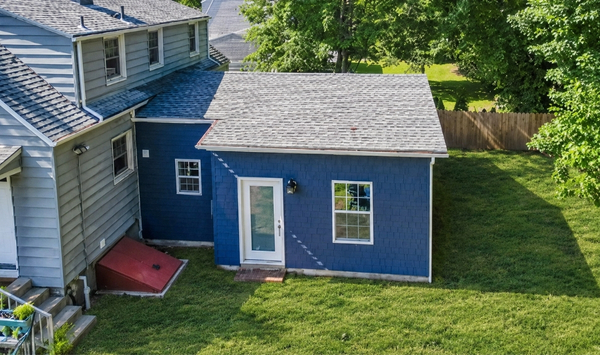
If you are planning a backyard living space, in-law suite, or second small home on your property in Connecticut, one of the first questions you may ask is:
What materials are used to build an Accessory Dwelling Unit (ADU)?
The materials you choose affect durability, energy efficiency, maintenance, cost, and long-term comfort. More importantly, they influence how your ADU performs in Connecticut weather, zoning requirements, and site conditions.
Below is a clear breakdown of the most common ADU construction materials and how they apply to Connecticut homeowners.
Wood Framing: The Standard for Connecticut ADUs
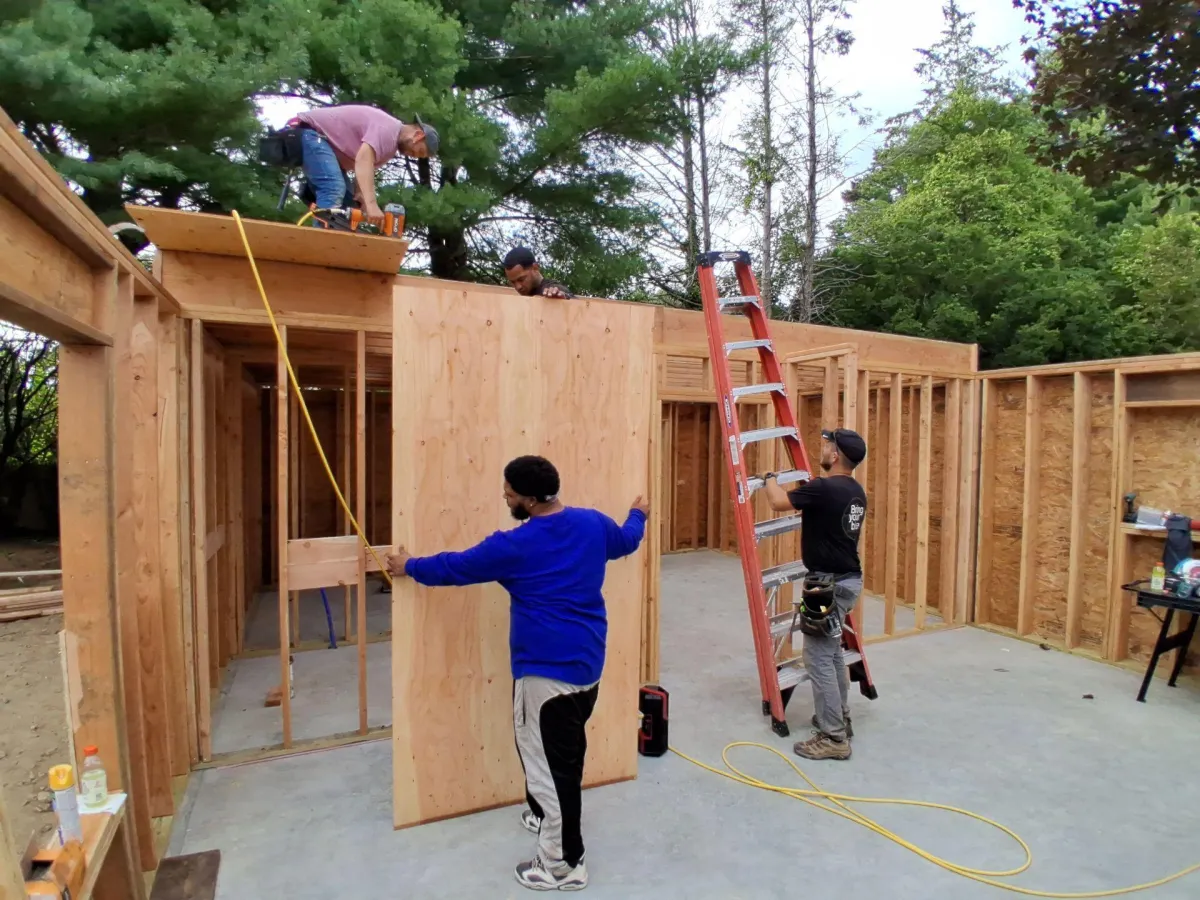
Most detached ADUs in Connecticut are wood-framed.
Why?
Because wood framing is:
• Structurally reliable
• Cost-efficient
• Flexible for design changes
• Compatible with local building codes
Common structural lumber includes engineered framing lumber and pressure-treated materials for moisture protection. For exterior accents, homeowners may choose cedar or other natural wood finishes for a warm, residential look.
Best for: Traditional backyard cottages, in-law suites, and family ADUs that need to match the main home.
Important consideration: Wood requires proper sealing, flashing, and weather protection to handle Connecticut winters and humidity.
Metal Components: Strength and Longevity
While full metal ADU structures are less common in residential Connecticut builds, steel and aluminum are often used in structural reinforcements, roofing systems, and modern exterior finishes.
Benefits include:
• Fire resistance
• Low maintenance
• Long lifespan
• Modern aesthetic options
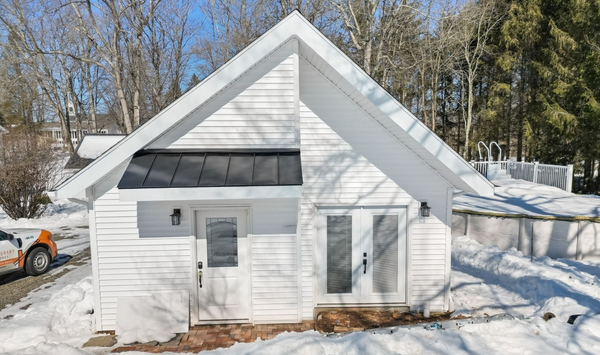
Metal roofing is especially popular for its durability and snow-shedding performance.
Important consideration: Proper insulation is critical. Metal conducts temperature easily, so insulation strategy must be engineered correctly.
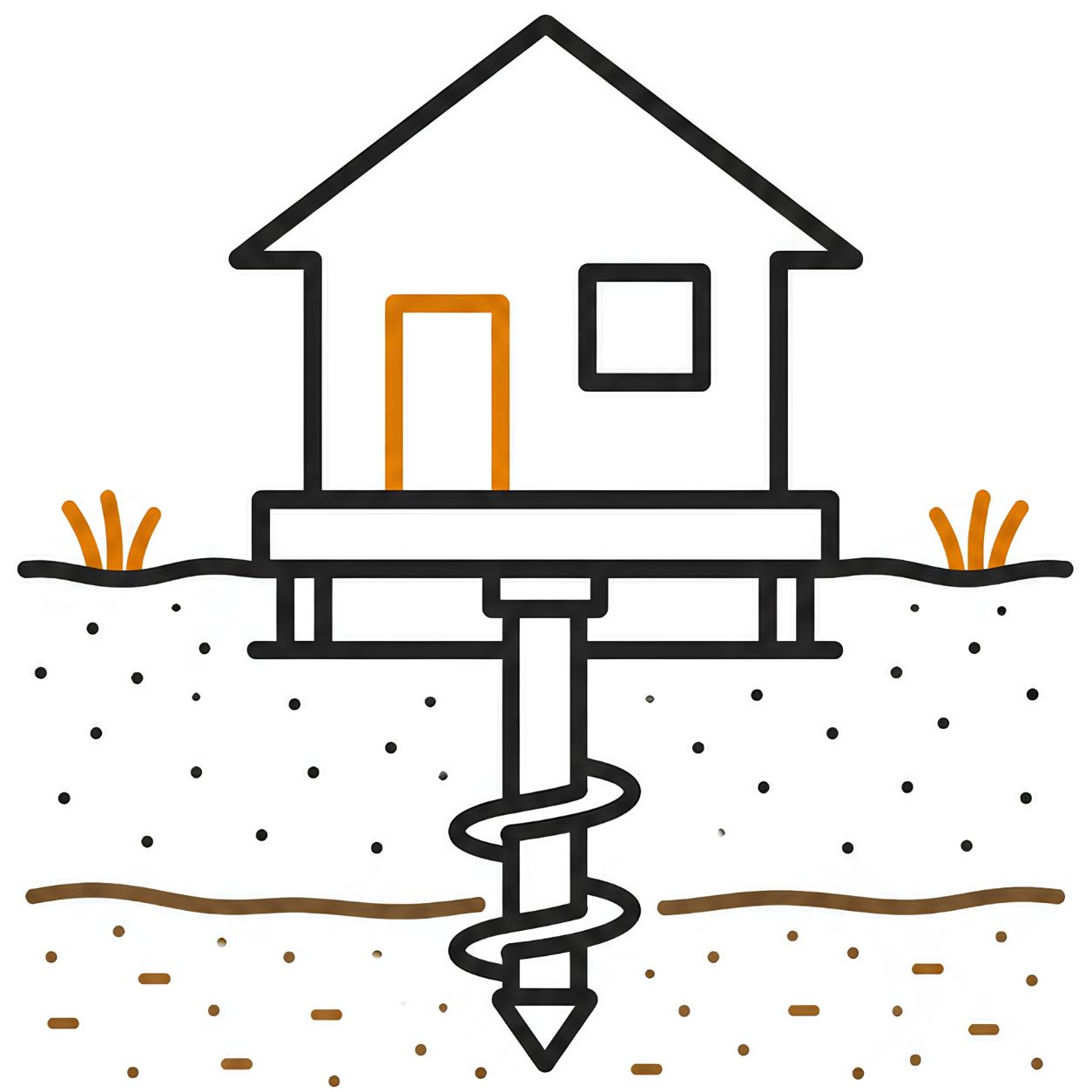
Concrete and Masonry: Foundation and Structural Stability
Every ADU starts with a solid foundation.
In Connecticut, most ADUs use:
• Concrete slab foundations
• Poured concrete footings
• Masonry elements for structural support
Concrete provides:
• Long-term durability
• Resistance to moisture and pests
• Structural stability for single-level accessible designs
For homeowners building a one-level, no-step-entry ADU, proper foundation design is critical to ensure true accessibility without ramps.
Siding and Exterior Finishes
Exterior materials matter for both appearance and long-term maintenance.
Common Connecticut ADU siding options include:
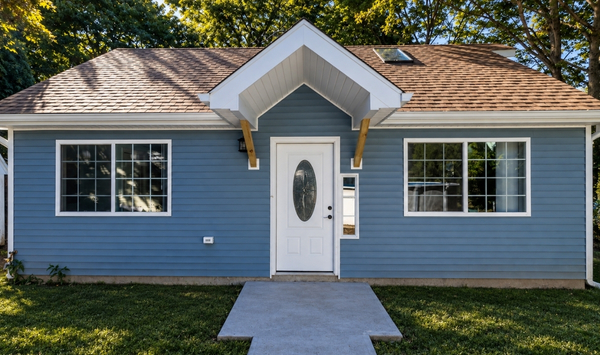
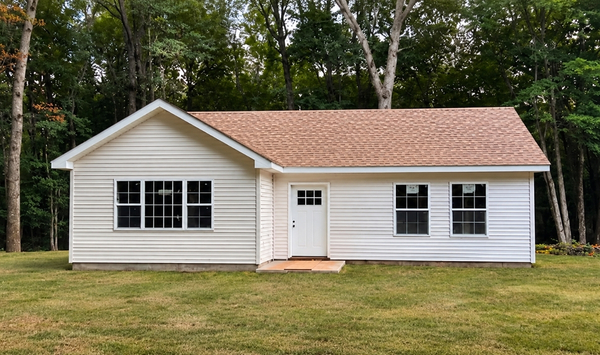
• Vinyl siding for low maintenance
• Fiber cement for durability and a higher-end look
• Engineered wood siding for warmth and texture
Your choice often depends on budget, neighborhood standards, and how closely you want the ADU to match your primary home.

Sustainable and Energy Efficient Materials
Energy efficiency is not optional in Connecticut. Proper insulation and air sealing directly affect comfort and operating costs.
High-performance ADUs typically include:
• Advanced wall insulation systems
• Energy-efficient windows
• Proper vapor barriers
• Weather-resistant barriers
Some homeowners also request:
• Reclaimed wood accents
• Low VOC interior finishes
• High-efficiency HVAC systems
Sustainable materials reduce long-term operating costs and improve indoor air quality.
Insulation and Weatherproofing: The Hidden Performance Layer
Insulation is one of the most important parts of an ADU build.
Without proper insulation, heating costs rise and comfort drops.
Connecticut ADUs commonly use:
• Fiberglass batt insulation
• Spray foam insulation in targeted areas
• Rigid foam board where required
Weatherproofing elements include:
• House wrap
• Sealed penetrations
• Proper flashing around windows and doors
This is where professional construction matters most. Done correctly, your ADU feels like a full-sized home, not an afterthought.
Interior Finishes: Balancing Durability and Style
Interior materials should reflect how the space will be used.
For family ADUs or multi-generational living:
• Durable flooring such as luxury vinyl plank or engineered hardwood
• Easy-maintenance countertops
• Quality cabinetry with smart storage
For rental-focused ADUs:
• Low-maintenance materials
• Long-life finishes
• Easy-to-repair components
If accessibility is a goal, materials must support:
• Zero-step entry
• Slip-resistant flooring
• Walk-in showers
• Wider door clearances
Cost Considerations: Materials vs Total Project Investment
Material selection affects cost, but materials alone do not determine total investment.
In Connecticut ADU projects, total cost also depends on:
• Site work
• Septic upgrades if applicable
• Utility connections
• Driveway adjustments
• Wetlands or grading conditions
Many homeowners are surprised that the ADU structure is only one part of the full scope. That is why feasibility and site planning come first.
Final Thoughts: Materials Should Support the Bigger Goal
Choosing materials is not just about style.
It is about:
• Durability in Connecticut weather
• Energy efficiency
• Accessibility if needed
• Long-term maintenance
• Alignment with zoning and site conditions
The right materials support a smooth permit process and a stress-free build.
If you are considering a backyard living space or in-law suite in Connecticut, the smartest first step is confirming what is possible on your property.
A guided feasibility review prevents surprises and helps you move forward with confidence.

Call to Action
Thinking about building an ADU in Connecticut?
Start with a free property feasibility conversation. We will review zoning, siting, utilities, and next steps so you can understand what is realistic before making major decisions.
Copyright 2026. All rights reserved. Norwalk, CT
Connecticut's New Home Construction Contractor License: #NHC.0017654
EPA Lead-Safe Certified NAT-F269966-1