



















Knowledge Center: Your Go-To Resource for ADUs and Tiny Living
Knowledge Center: Your Go-To Resource for ADUs and Tiny Living
Email [email protected]
Phone 860-TINY-HOM (es)
The History and Evolution of Accessory Dwelling Units in Housing Policy
Accessory Dwelling Units, often called ADUs, have moved from a quiet housing option to one of the most talked about solutions in today’s housing market. What used to be described as an in law suite, backyard cottage, garage apartment, or second small home on your property is now a central part of housing policy conversations across the country.
For homeowners, this shift matters. An accessory dwelling unit can support multigenerational housing, create rental income, add flexibility for aging parents, or give adult children more independence while keeping family close. For cities and towns, accessory dwelling units can add housing supply without changing the feel of an established neighborhood overnight.
In Connecticut, interest has grown even more as homeowners search for clear answers on ADU law, local zoning, and whether an attached ADU or detached ADU makes sense for their property.
What Is an ADU?
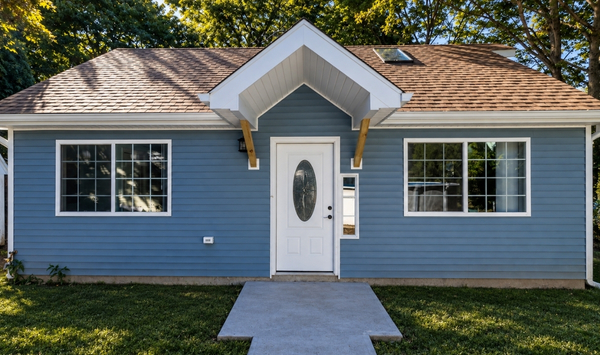
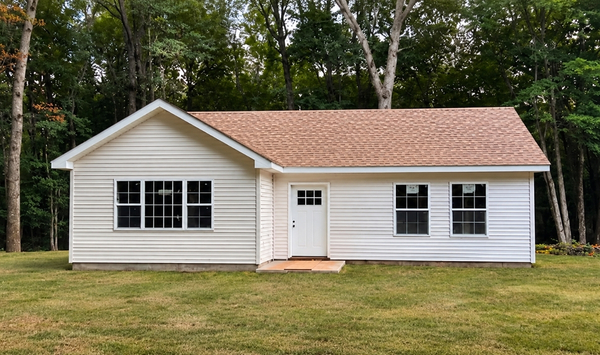
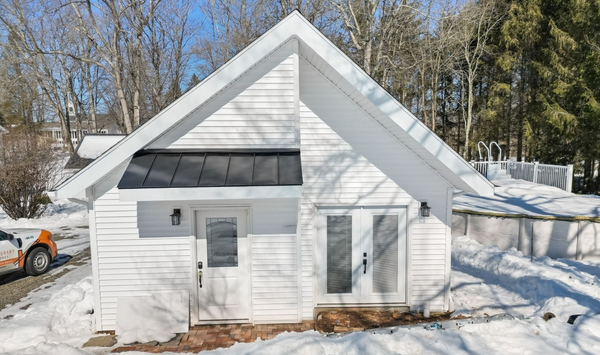
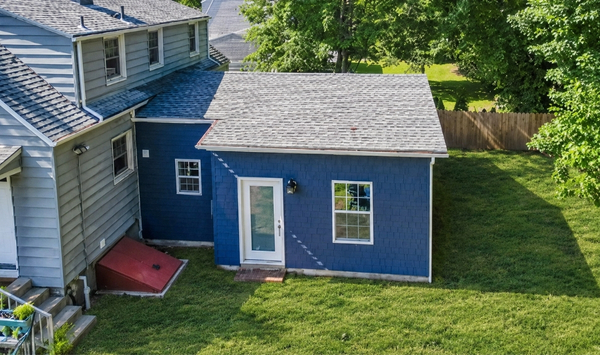
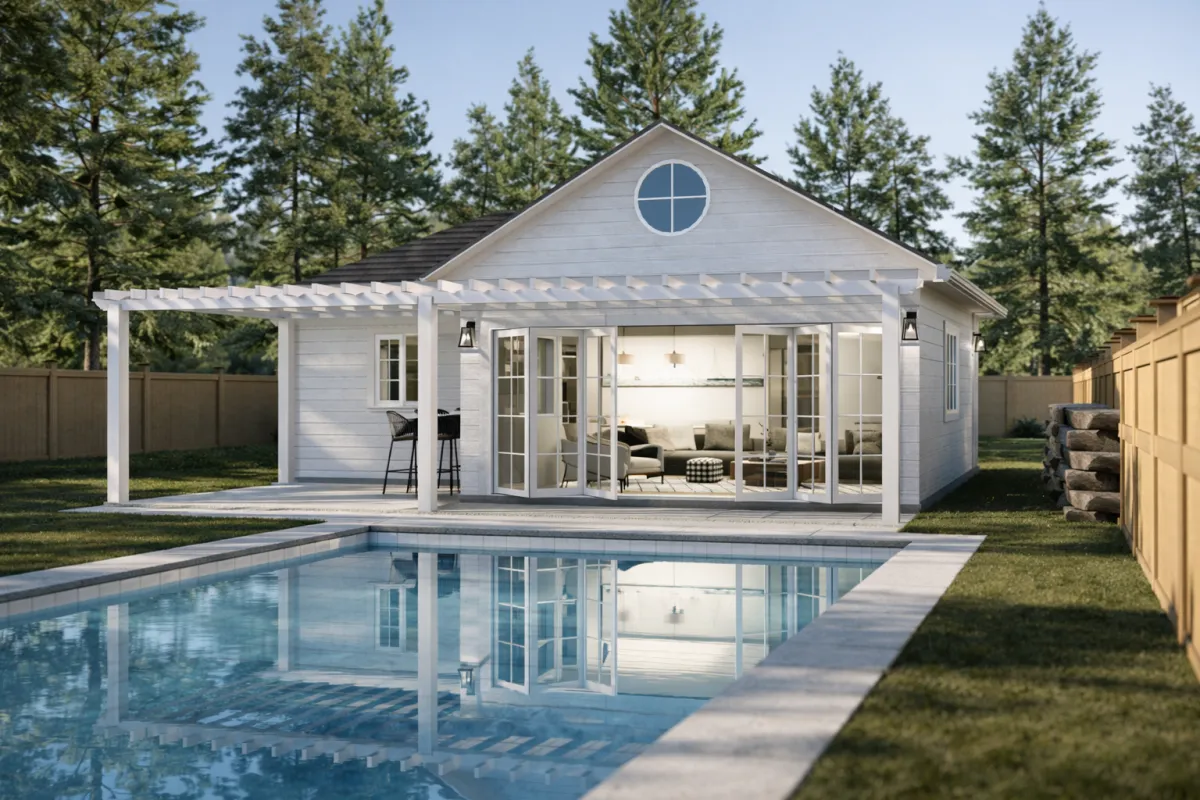
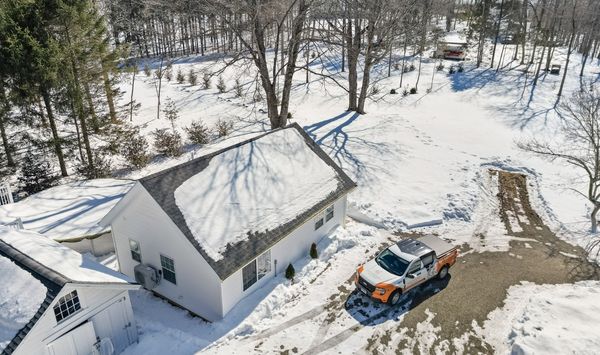
An accessory dwelling unit is a smaller, independent living space located on the same lot as a primary home. It can be attached to the main house, built over a garage, created inside a basement, or designed as a detached ADU in the backyard.
In plain language, people often search for terms like:
backyard living space
in law suite
granny flat
garage apartment
backyard cottage
second small home on your property
That is one reason ADU housing has become such an important topic in search and in policy. The term may sound technical, but the purpose is simple. It gives homeowners a flexible way to add livable space without buying a second property.
The Early Roots of ADUs in Housing Policy
ADUs are not new. Long before the modern phrase “accessory dwelling unit” became common, families were already creating smaller living spaces on residential lots. In many areas, these spaces took the form of carriage houses, converted garages, basement apartments, or backyard cottages.
In the early years, these homes were often used for practical reasons. Families needed room for relatives, caregivers, or adult children. Some property owners used them to house workers. Others created them as modest rental units in places where land was limited and housing demand was growing.
The important point is this: ADUs started as a practical housing solution before they became a formal policy category. They existed because families and property owners had real needs, even when zoning language had not fully caught up.

Why ADUs Became More Restricted Over Time
As modern zoning became more common in the 20th century, many local governments shifted toward stricter land use rules. Neighborhoods were increasingly separated by use and density. In many places, single family zoning became the standard, and smaller secondary units became harder to build legally.
That is where the tension around ADU regulations really began.
Instead of being treated as a flexible housing option, accessory dwelling units were often limited by rules tied to:
minimum lot size
setbacks
parking requirements
owner occupancy rules
size caps
utility and septic requirements
design restrictions
In some communities, ADUs were still allowed, but only under narrow conditions. In others, they were discouraged or pushed into long approval processes. Over time, that made ADU housing less visible, less standardized, and harder for homeowners to pursue.
Why ADUs Returned to the Housing Policy Spotlight
In recent years, ADUs have reentered the spotlight for one big reason: they solve more than one housing problem at the same time.
For policymakers, accessory dwelling units can increase housing supply in a more gradual way. For homeowners, they create flexibility that a traditional floor plan often cannot.
Here are the biggest reasons ADUs have made a comeback:
1. Housing affordability
ADUs offer a smaller housing option on land that is already being used for residential living. That makes them part of the broader conversation around housing affordability and infill housing.
2. Multigenerational housing
Many homeowners want to keep family close without giving up privacy. An attached ADU or detached ADU can work well for aging parents, adult children, or long term guests.
3. Rental income potential
Some property owners use ADUs as long term rental housing. This can create extra income while expanding the supply of smaller homes in established neighborhoods.
4. Aging in place and accessibility
ADUs can support one level living, privacy, and proximity to family. That makes them useful for homeowners planning for future care needs.
5. Better use of existing residential land
Instead of building large new subdivisions, towns can allow smaller additions to existing lots. That is one reason ADU law and state ADU law reform have become bigger policy topics.
How Housing Policy Changed the Modern ADU Conversation
The modern ADU movement is shaped by a growing recognition that housing policy cannot focus only on large apartment projects or single family homes. There is a middle ground, and accessory dwelling units sit right in that space.
Across the country, state and local governments have started revisiting ADU law to reduce barriers that once made projects too difficult or too expensive. In many places, the policy conversation now focuses on how to simplify approvals while still addressing neighborhood fit, infrastructure, and safety.
That policy shift has pushed several ideas to the front:
clearer definitions for accessory dwelling units
fewer unnecessary approval barriers
more realistic parking requirements
better guidance for attached ADU and detached ADU projects
stronger alignment between zoning, permitting, and building code
more homeowner education around feasibility and process
This is one of the biggest changes in the history of accessory dwelling units. The conversation is no longer just about whether they exist. It is about how to make them practical, legal, and easier to build responsibly.
Connecticut and the Evolution of ADU Policy
For Connecticut homeowners, the ADU conversation has become much more relevant in the past few years. State level changes helped bring more attention to accessory dwelling units, but local rules still matter.
That means Connecticut ADU projects still depend on town specific factors such as:
zoning rules
setbacks
lot layout
utility access
septic or sewer capacity
parking expectations
building coverage and height limits
In other words, statewide momentum has made ADUs more visible, but a homeowner still needs to understand what is allowed on their specific property.
This is where many projects either gain momentum or lose it. A homeowner may love the idea of a backyard living space, but the real questions are about siting, access, utilities, budget, and local approvals. That is why feasibility matters so much in Connecticut.
Thinking about a detached ADU or attached ADU for family, rental income, or future flexibility? Schedule a consultation to review what may be possible on your property before making big decisions.
The Impact of ADUs on Housing Affordability and Neighborhood Density
ADUs are often discussed as a housing affordability tool, but their impact is broader than that.
They can help create more housing choice without requiring a complete neighborhood rebuild. A small rental unit, in law suite, or backyard cottage adds flexibility where people already live. That can support families, aging homeowners, and renters looking for smaller homes.
Accessory dwelling units can also help neighborhoods evolve in a gentler way. Instead of large scale redevelopment, they introduce incremental density. For many towns, that makes ADUs easier to consider than more dramatic zoning changes.
At the same time, homeowners often see personal value in the flexibility an ADU provides. A space that starts as housing for a parent might later become a rental. A rental might later become a guest house, a home office, or a downsizing option. That long term adaptability is a major reason ADUs continue to gain support.
The Challenges That Still Shape ADU Policy
Even with growing support, ADUs still come with real hurdles.
The biggest challenges usually include:
Local variation
ADU regulations still differ from town to town. A project that works in one place may face different rules in another.
Site constraints
A sloped yard, wetlands, driveway access, septic limitations, or lot shape can all affect feasibility.
Financing and budget clarity
Homeowners often need a clearer picture of total project cost, including site work, utilities, and permitting.
Process confusion
Many people understand the idea of an ADU but not the full process behind accessory dwelling unit construction.
Neighborhood concerns
Policy discussions still include questions about parking, privacy, design, and density.
These challenges are exactly why homeowners benefit from a guided process. Clear education, realistic budgeting, and property specific planning can remove much of the uncertainty early.
What the Future of ADUs in Housing Policy May Look Like
The future of accessory dwelling units will likely be shaped by a few major trends.
First, more states and towns will keep refining ADU law and ADU regulations to remove barriers that do not meaningfully protect health or safety.
Second, more homeowners will look at ADUs as a flexible long term asset. That includes family use, accessibility planning, rental income, and property value support.
Third, the market will continue to demand better education. Homeowners do not just want inspiration. They want to know what is feasible, what it may cost, and how long it may take.
For Connecticut homeowners, that means the opportunity is growing, but the smartest next step is still property specific planning.
What Homeowners Should Consider Before Building an ADU
Before moving forward with an ADU, ask these questions:
Is the goal family, rental income, guest space, or future downsizing?
Your use case affects layout, size, privacy, and whether an attached ADU or detached ADU is the better fit.
What does the property allow?
Lot layout, setbacks, utilities, septic, and access all matter.
What level of privacy is needed?
This is especially important for multigenerational housing and long term rental use.
What needs to be budgeted beyond the structure itself?
Site work, utility upgrades, and permitting can shape the full investment.
What process support will be needed?
A project often moves faster when zoning, design, permitting, and construction planning are considered together.
Final Thoughts
The history and evolution of ADUs in housing policy shows how a practical housing idea became a major modern solution. What began as an informal way to house relatives or create extra living space has become a serious answer to questions around housing affordability, flexibility, and neighborhood growth.
For homeowners, the value of an accessory dwelling unit is not only in the structure itself. It is in the options it creates. An ADU can support family, independence, long term planning, rental income, and better use of the property you already own.
For Connecticut homeowners, the opportunity is real, but so is the need for clear guidance.
Want to explore a backyard living space, in law suite, attached ADU, or detached ADU on your property? Schedule a consultation to review feasibility, zoning, layout options, and the next best step for your Connecticut home.
FAQ
What is the difference between an attached ADU and a detached ADU?
An attached ADU is connected to the main house, while a detached ADU is a separate structure on the same property. Both can function as independent living spaces, but the right option depends on lot layout, privacy goals, utilities, and local zoning.
Why are accessory dwelling units important in housing policy?
Accessory dwelling units create smaller, more flexible housing options on existing residential lots. They are often discussed in relation to housing affordability, multigenerational housing, aging in place, and rental income.
Are ADUs allowed in Connecticut?
Connecticut has seen increased attention on ADUs in recent years, but local regulations still vary by town. Homeowners should review zoning, setbacks, utilities, and property specific limitations before moving forward.
Can an ADU increase property value?
In many cases, an ADU can add flexibility and long term utility to a property. The exact impact depends on design, location, quality, and how the local market values additional living space.
What should I do first if I want to build an ADU?
Start with feasibility. Review your property layout, local zoning, utilities, and goals before choosing a plan. That early step can help avoid delays, design mistakes, and budget surprises.


Copyright 2026. All rights reserved. Norwalk, CT
Connecticut's New Home Construction Contractor License: #NHC.0017654
EPA Lead-Safe Certified NAT-F269966-1