


















Knowledge Center: Your Go-To Resource for ADUs and Tiny Living
Knowledge Center: Your Go-To Resource for ADUs and Tiny Living
Email [email protected]
Phone 860-TINY-HOM (es)

Connecticut ADU Feasibility Checklist: What to Know Before You Build
Before you choose a floor plan, compare finishes, or picture where the furniture will go, there is one question that matters most:
Can you actually build an ADU on your Connecticut property?
That is where ADU feasibility starts.
For many Connecticut homeowners, an accessory dwelling unit is not just a design project. It may be a private small home on the property for a parent, an in law suite for family, a long term rental opportunity, or a future downsizing plan. But before any of that becomes real, you need to understand what is allowed, where the ADU can go, what site conditions could affect the cost, and what steps need to happen before construction.
This Connecticut ADU feasibility checklist will help you review zoning, property fit, septic, utilities, surveys, cost factors, and next steps before you build.
What Should You Check Before Building an ADU in Connecticut?
Before building an ADU in Connecticut, check your town’s ADU rules, whether attached or detached ADUs are allowed, the available buildable area on your lot, setbacks, parking, septic or sewer capacity, utility connections, wetlands, survey records, expected site work, and your intended use.
The smartest first step is not picking a model. It is confirming whether your property, budget, timeline, and local requirements support the ADU you want.
Want to know whether your property is a fit for an ADU? Schedule a consultation to review feasibility, layout options, and next steps for your Connecticut home.
What Is ADU Feasibility?
ADU feasibility is the process of determining whether an accessory dwelling unit can realistically be built on a specific property.
It answers practical questions like:
Can I build an ADU in Connecticut on this property?
Does my town allow a detached ADU, attached ADU, garage ADU, or internal ADU?
Where can the ADU go on the lot?
What size ADU may be possible?
Will setbacks, wetlands, septic, parking, slope, trees, or access limit the build?
What utilities will need to be connected?
What documents should I gather before a site review?
What could affect the real ADU cost in Connecticut?
A good feasibility review does not replace final town approval, engineering, or permitting. It helps you understand the likely path before you spend too much time or money on the wrong plan.
Why Feasibility Should Come Before ADU Design
Many homeowners start by searching for ADU models, floor plans, or backyard cottage ideas. That is understandable, but it can lead to frustration if the design does not fit the property.
An ADU is a real dwelling unit. It needs legal approval, safe access, utility service, code compliance, and a layout that works for the person who will live there.
Before design, you need clarity on local ADU requirements in Connecticut, property setbacks, septic or sewer limitations, utility distance, survey needs, parking requirements, construction access, and budget range.
This is why a strong Connecticut ADU builder process starts with property feasibility, then moves into layout and design.
1. Confirm Your Town’s Connecticut ADU Rules
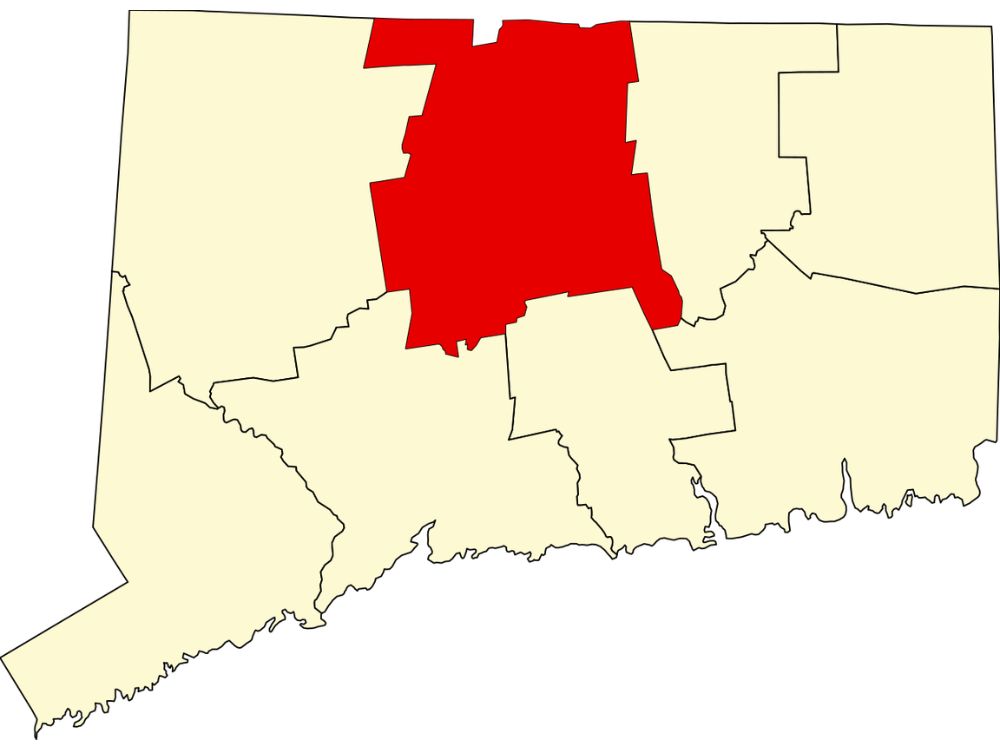
Connecticut has a statewide ADU framework, but local town rules still matter. Some towns follow the state framework. Others use their own local ADU regulations.
That means a homeowner in one Connecticut town may have different requirements than a homeowner a few towns over.
What to Check With Your Town
Ask your planning, zoning, or building department about whether ADUs are allowed in your zoning district, whether detached ADUs are allowed, whether attached ADUs or internal ADUs are treated differently, maximum ADU size, setback requirements, height limits, lot coverage limits, parking requirements, owner occupancy rules, short term rental restrictions, and the permit review process.
The key question is not just “Are ADUs legal in Connecticut?”
The better question is:
What is allowed on this exact property in this exact town?
If you are comparing an ADU contractor near me or an ADU builder Connecticut homeowners can trust, ask how they approach local zoning requirements before design begins.
2. Decide Whether a Detached ADU or Attached ADU Makes Sense
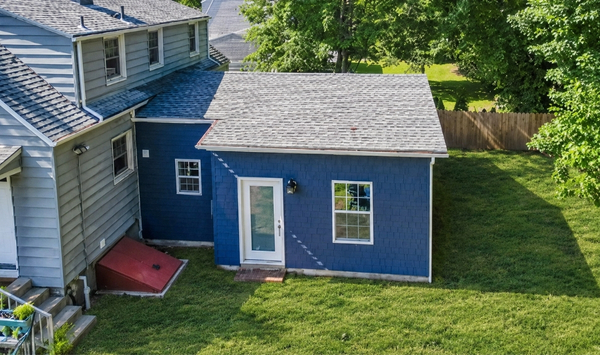
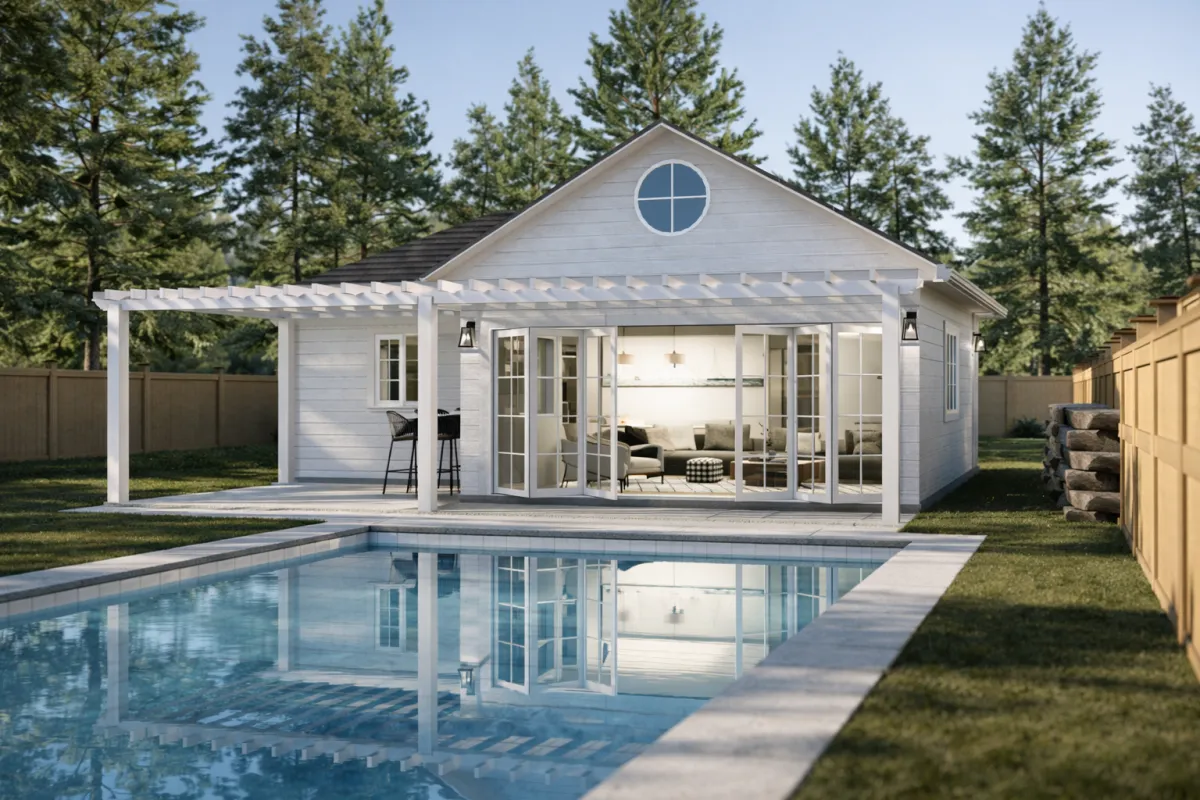
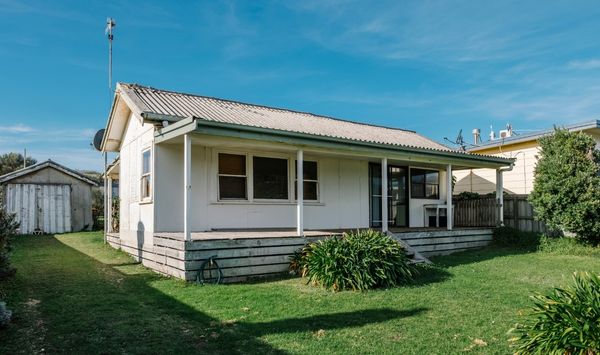
A detached ADU can create strong privacy and independence. It may be the right fit for a backyard living space, in law suite, rental ADU, guest space, or future downsizing plan.
An attached ADU may work better when the lot is tighter, utility connections are easier, or the homeowner wants the new space connected to the main house.
Detached ADU Feasibility Questions
A detached ADU in Connecticut usually requires careful review of backyard or side yard placement, setbacks from property lines, distance to utilities, construction access, septic or sewer path, parking, walkway access, privacy from the main home, lot coverage, and stormwater concerns.
Attached ADU Feasibility Questions
An attached ADU may require review of how the addition connects to the existing structure, existing foundation and framing conditions, fire separation, code requirements, separate entrance options, utility connections, accessibility needs, and whether the layout supports privacy.
Both options can work. The best choice depends on your lot, town rules, budget, and use case.
3. Review Where the ADU Can Actually Go
Even when a town allows an ADU, the property still has to support it.
This is where many projects become clearer. A homeowner may have a large yard, but the buildable area may be reduced by setbacks, septic fields, wetlands, slopes, trees, drainage, or driveway access.
Property Fit Checklist
Before moving forward, review property lines, front, side, and rear setbacks, lot width, lot shape, existing house location, garages, sheds, decks, pools, wetlands, slopes, ledge, wooded areas, driveway access, construction access, parking, walkway space, utility routes, septic tank location, and leach field location.
A true ADU feasibility review should look at the lot itself, not only the general zoning language.
4. Check Septic, Sewer, and Well Conditions Early
Septic and sewer planning can have a major effect on ADU feasibility in Connecticut.
If your property connects to public sewer, the review may focus on connection points, town requirements, and utility coordination.
If your property uses septic, the review is often more detailed. Septic capacity, leach field location, reserve area, bedroom count, and soil information can all affect what is possible.
Septic Questions to Ask Before Building an ADU
Ask whether the property is on public sewer or private septic, where the septic tank is located, where the leach field is located, whether there is a reserve area, how many bedrooms the system is designed for, whether the ADU adds bedrooms or design flow, whether the local health department needs to review the plan, whether soil testing is needed, and whether septic upgrades could affect the budget.
If the property has a private well, also review the well location, separation distances, water service plan, and whether the ADU will share the same water source.
Septic, sewer, and well conditions should be reviewed early because they can affect placement, approvals, cost, and timeline.
5. Understand Utility Connections Before You Rely on Pricing
Utility planning is one of the most common reasons an ADU budget changes after an initial conversation.
A complete ADU may need water, sewer or septic connection, electric service, heating and cooling, plumbing, internet or low voltage lines, gas, trenching, subpanels, service upgrades, and drainage planning.
A detached ADU located far from the main home may require longer trenching and more site work. An attached ADU may have easier utility access, but it still needs code-compliant planning.
When comparing ADU cost Connecticut searches or estimates, ask what is included in the number and what may be property specific.
6. Gather Surveys, Site Plans, and Property Records
Missing property documents can slow down the feasibility process.
You do not need every document before speaking with a Connecticut ADU builder, but the more information you can gather, the easier it is to identify early risks.
Documents to Gather Before an ADU Consultation
Try to gather your property survey or A-2 survey, plot plan, septic records, well records, property card, prior permits, wetlands information, photos of the yard and driveway, and notes on trees, slopes, drainage, or access concerns.
If you do not have a current survey, ask whether your town may have one on file. If not, a survey may be needed before final placement or permit plans can move forward.
7. Think Through the Real Use Case
A family ADU, rental ADU, guest house, and future downsizing ADU may all need different design choices.
That is why the feasibility process should include the real reason you want to build.
If You Are Building an In Law Suite for a Parent
Review one level living, no step entry options, bathroom safety, bedroom privacy, separate entrance, easy access to the main home, parking or drop-off access, and space for future mobility needs.
For many families, the goal is simple: keep family close with privacy. This is where an in law suite builder Connecticut homeowners trust should be able to talk through accessibility, comfort, and the daily routine of the person who will live there.
If You Are Building a Rental Income ADU
Review separate entrance, durable finishes, sound separation, parking, privacy from the main home, utility setup, long term maintenance, and local rental restrictions.
If You Are Building for Future Downsizing
Review long term accessibility, storage, bedroom and bathroom layout, low maintenance materials, flexible use now and later, and whether the ADU could serve family, rental, or personal use over time.
The right ADU should fit the lot and the life you are planning for.
8. Clarify What Is Included in the ADU Price
Many homeowners ask, “How much does an ADU cost in Connecticut?”
That is a fair question. But the better question is:
What does the price include, what is excluded, and what could change after the property review?
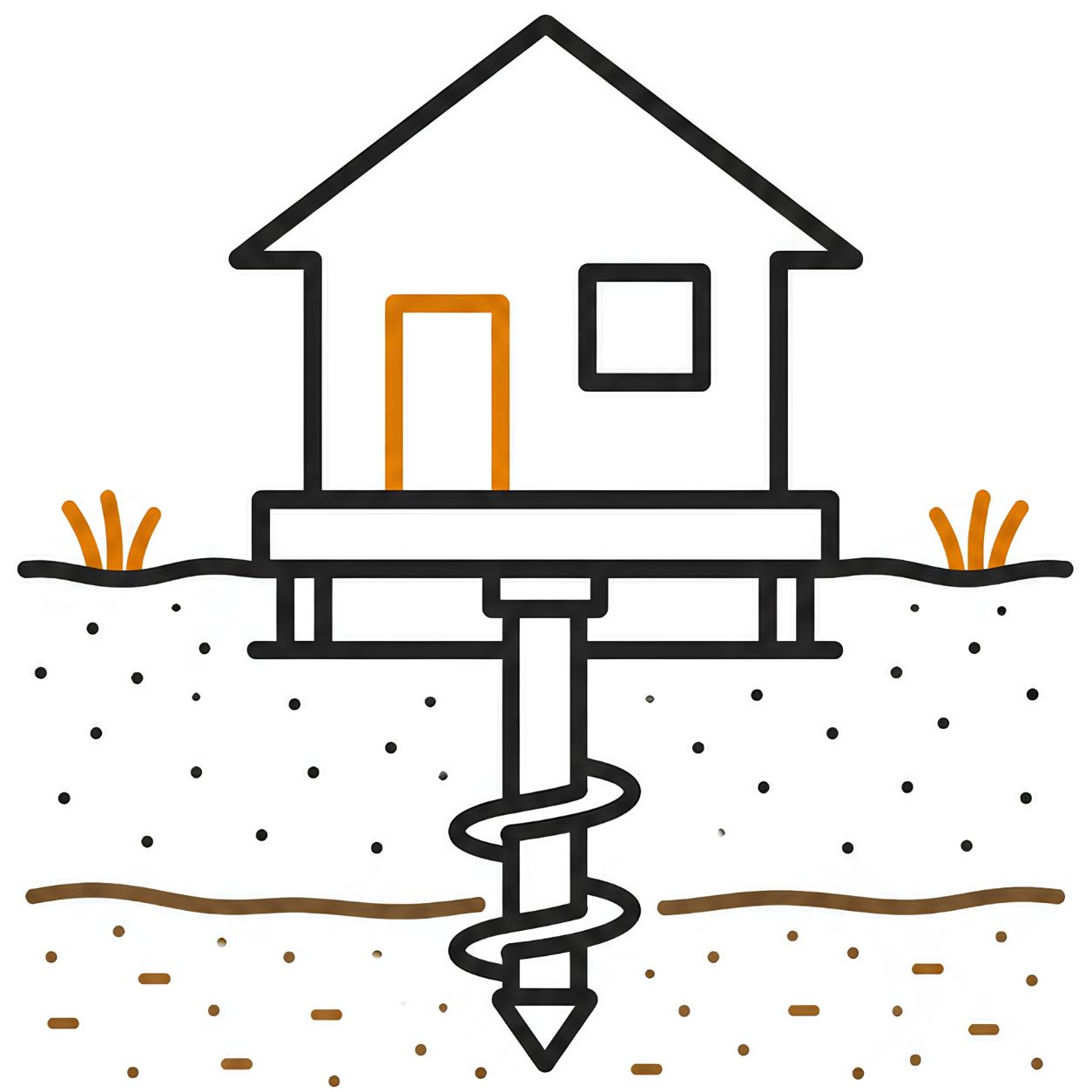
ADU pricing can be affected by size, layout, detached versus attached structure, site work, foundation type, utility connections, septic or sewer needs, survey requirements, engineering, permits, wetlands review, driveway changes, parking changes, finish selections, appliance package, accessibility features, construction access, and distance from the main home.
A trustworthy ADU builder in Connecticut should help you understand the difference between a starting price and a more realistic project range.
Want a clearer answer for your lot, timeline, and budget range? Schedule a consultation to review your Connecticut ADU feasibility before choosing a final design.
9. Understand the Full Timeline From First Call to Move-In
Do not only ask how long construction takes.
Ask how long the full ADU process may take from first consultation to move-in.
A typical ADU process can include the initial conversation, feasibility review, site visit, document gathering, zoning review, design planning, budget review, permit preparation, town approvals, site work, utility coordination, construction, inspections, and final walkthrough.
Permits, surveys, septic review, design revisions, utility planning, weather, and town-specific requirements can all affect the timeline.
A clear process helps homeowners avoid surprises.
10. Know the Red Flags Before You Commit
Before you move forward with an ADU contractor, watch for warning signs.
Red Flags in an ADU Project
Be cautious of pricing that does not explain site work, utilities, septic, survey, permits, or exclusions. Also watch for no discussion of town rules, no clear answer about attached versus detached ADU options, no review of septic or sewer conditions, no permit process, no site-specific conversation before design decisions, no project examples, and a vague next step.
The best ADU builders do more than build. They help you understand what is possible, what could affect cost, and what to do next.
Complete Connecticut ADU Feasibility Checklist
Use this checklist before choosing a model or requesting final pricing.
Town and Zoning Checklist
Check whether your town allows accessory dwelling units, whether your zoning district allows an ADU, whether detached ADUs, attached ADUs, garage conversions, or internal ADUs are allowed, what maximum size applies, what setbacks apply, whether height or design limits apply, whether parking is required, whether short term rentals are restricted, and what permits are needed.
Property, Septic, and Utility Checklist
Confirm where the ADU can go, whether there is enough buildable space, whether property lines are confirmed, whether a current survey exists, whether wetlands or conservation issues exist, whether the property is on public sewer or private septic, whether the ADU adds bedrooms or design flow, where water and electric will connect, whether a panel upgrade is needed, whether trenching distance affects cost, and whether construction equipment can access the area.
Budget and Use Case Checklist
Clarify what is included in the starting price, what is not included, whether permits, site work, utilities, and appliances are included, what could add cost after the property review, whether the ADU is for a parent, renter, guest, or future downsizing, and whether it needs one level living, no steps, a separate entrance, or flexible future use.
What to Bring to a Connecticut ADU Feasibility Consultation
To make your consultation more useful, prepare the information you already have.
Bring or gather your property address, preferred ADU use case, rough placement idea, survey or site plan, septic or well records, photos of the yard and driveway, notes about slopes or access, approximate investment range, ideal timeline, and questions from your spouse, parent, adult child, or co-owner.
It is also smart to include the people who will help make the decision. Many ADU projects slow down because a spouse, parent, or co-owner has not seen the plan, budget, or options yet.
Why Work With a Connecticut ADU Builder?
A general contractor may be able to build, but a Connecticut ADU builder should help guide the full process.
That includes ADU feasibility review, local zoning guidance, attached and detached ADU planning, site layout review, utility and septic coordination, design and model selection, permit support, construction planning, and clear next steps.
Contemporary Tiny Homes helps Connecticut homeowners move from uncertainty to a clearer plan by reviewing feasibility, layout options, permitting needs, and construction considerations before the project moves too far forward.
The goal is not to pressure you into a design. The goal is to help you understand what is actually possible on your property.

Start With Feasibility Before You Build
If you are asking, “Can I build an ADU in Connecticut?” the answer depends on your town, your lot, your utilities, your site conditions, and your goals.
You do not need to have every answer before you begin.
You do need the right first step.
A Connecticut ADU feasibility review helps you understand what may be possible, what could affect the budget, and what the next step should be. Whether you are planning an in law suite, a detached ADU, an attached ADU, a backyard living space for family, or a long term rental ADU, feasibility should come before final design.
Want to know whether your property is a fit for an ADU? Schedule a consultation to review feasibility, layout options, and next steps for your Connecticut home.
Frequently Asked Questions About Connecticut ADU Feasibility
Can I build an ADU on my property in Connecticut?
Possibly. Connecticut ADU feasibility depends on your town rules, zoning district, lot layout, setbacks, septic or sewer conditions, utilities, parking, wetlands, and intended use. A feasibility review can help you understand what may be possible before you choose a final design.
Are detached ADUs allowed in Connecticut?
Detached ADUs may be allowed depending on the town, zoning district, and property conditions. Some properties are better suited for a detached ADU, while others may be better for an attached ADU, garage conversion, or internal ADU.
What can make an ADU not feasible?
Common ADU feasibility blockers include limited buildable area, setbacks, wetlands, septic limitations, missing surveys, utility distance, lot coverage limits, construction access issues, and town-specific restrictions.
What is the first step to build an ADU in Connecticut?
The best first step is a Connecticut ADU feasibility consultation. Before choosing a model, review town rules, lot fit, septic or sewer conditions, utilities, likely budget range, and the type of ADU that fits your goal.


Copyright 2026. All rights reserved. Norwalk, CT
Connecticut's New Home Construction Contractor License: #NHC.0017654
EPA Lead-Safe Certified NAT-F269966-1