


















Knowledge Center: Your Go-To Resource for ADUs and Tiny Living
Knowledge Center: Your Go-To Resource for ADUs and Tiny Living
Email [email protected]
Phone 860-TINY-HOM (es)
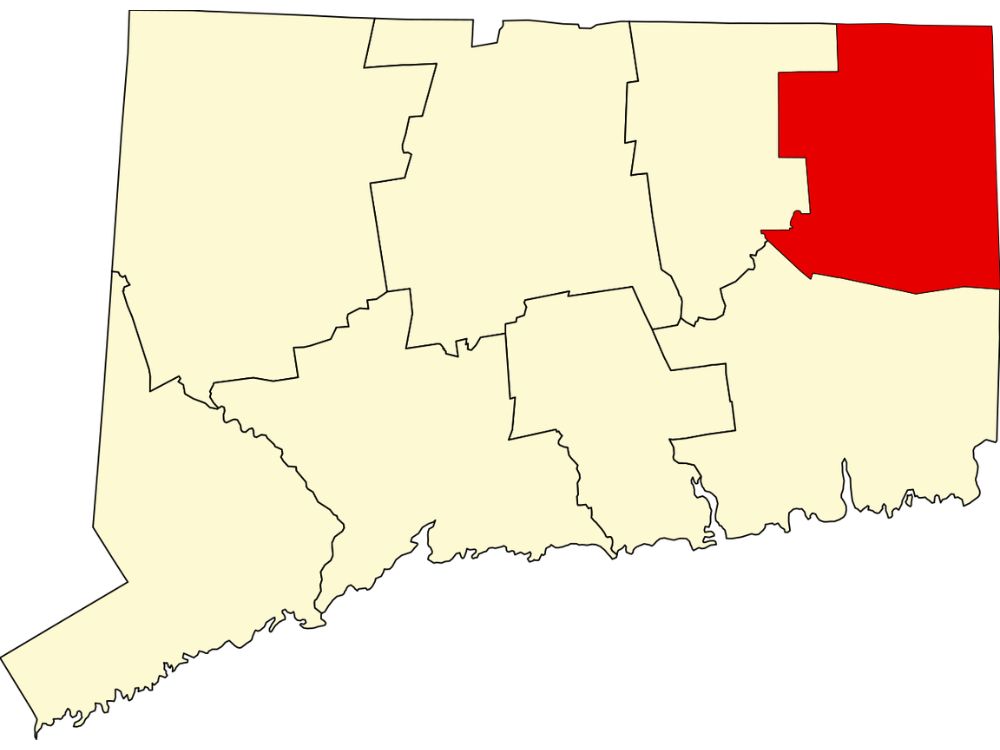
Can I Build an ADU in Tolland County, CT?
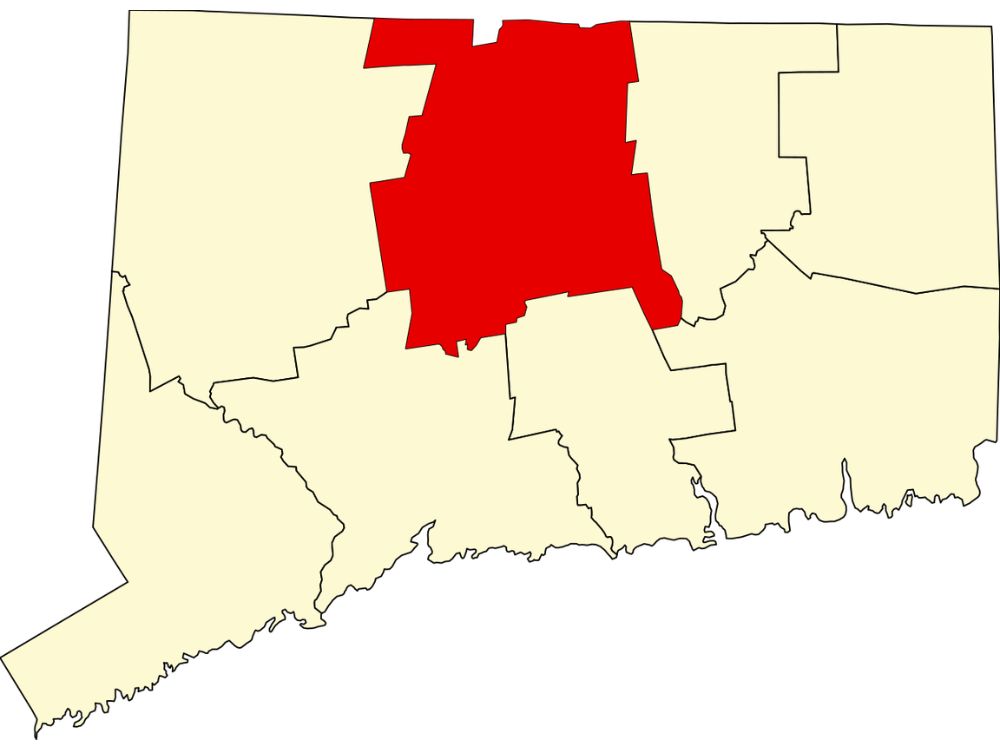
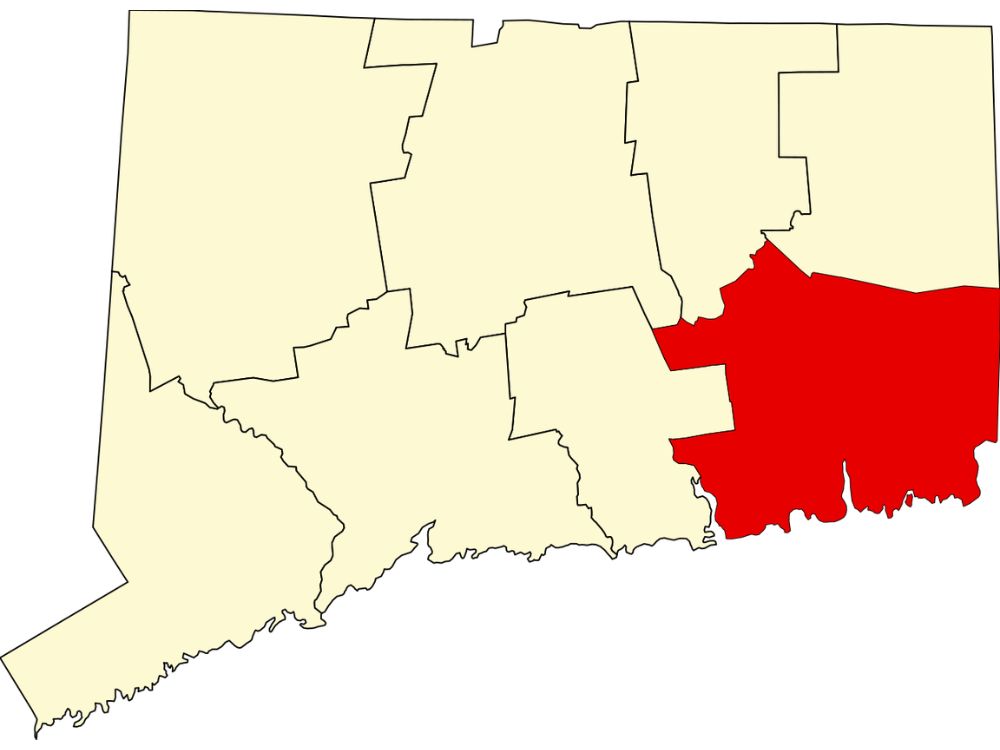
Yes, you may be able to build an ADU in Tolland County, CT, but the real answer depends on your town, zoning district, lot layout, setbacks, septic or sewer access, utilities, parking, and the type of accessory dwelling unit you want to build.
For many Connecticut homeowners, the first step is not choosing a floor plan. The first step is understanding what is actually possible on the property. An ADU that works on one lot in Vernon may not work the same way on a property in Mansfield, Tolland, Coventry, Ellington, Hebron, Somers, Stafford, Union, Bolton, Columbia, Andover, or Willington.
That is why a property-specific ADU feasibility review matters. Before you get attached to a layout, budget, or timeline, you need clear answers about zoning, site conditions, permits, septic, utilities, and whether an attached ADU, detached ADU, garage conversion, basement apartment, or in law suite makes the most sense.
Can You Build an ADU in Tolland County?
In many cases, yes. Homeowners in Tolland County may be able to build an accessory dwelling unit, but approval depends on the town and the specific property.
A detached backyard ADU may be possible for some homeowners. An attached ADU or in law suite may be the better path for others. Some properties may be stronger candidates for a garage conversion, basement ADU, or private living space added to the main home.
The safest answer is this: you need to confirm what your town allows and what your lot can support before moving into design or construction planning.
Want to know whether your property is a fit for an ADU? Schedule a consultation to review feasibility, layout options, zoning questions, septic or utility concerns, and next steps for your Tolland County home.

What Is an ADU in Connecticut?
An ADU, or accessory dwelling unit, is a secondary living space located on the same property as a primary home. In Connecticut, homeowners may also search for this type of project as an accessory apartment, in law suite, backyard cottage, guest house, granny flat, tiny home, or private small home on the property.
Most ADUs include independent living features such as a sleeping area, bathroom, kitchen or kitchenette, and private living space. Depending on the property and local rules, an ADU may be located inside the main home, attached to the main home, converted from an existing structure, or built as a separate backyard unit.
If you are comparing options, reviewing different ADU solutions can help you understand which type of living space may fit your goals before you commit to one direction.
Why Tolland County ADU Feasibility Is Town-Specific
Tolland County includes a mix of suburban, rural, and semi-rural properties. That matters because ADU feasibility is not only about square footage. A property in Vernon may have easier utility access than a rural lot in Stafford. A home in Mansfield may have different review requirements than a property in Somers or Union.
For homeowners searching “Can I build an ADU in Tolland County, CT?” the most important point is this: ADU approval is not just a county question. It is a town, zoning, and property question.
Tolland County Towns Where Homeowners Research ADUs
Homeowners commonly look for ADU guidance in Andover, Bolton, Columbia, Coventry, Ellington, Hebron, Mansfield, Somers, Stafford, Tolland, Union, Vernon, and Willington.
Searches like “ADU builder Tolland County CT,” “in law suite Tolland CT,” “detached ADU Vernon CT,” “backyard cottage Mansfield CT,” and “accessory dwelling unit Coventry CT” usually come from homeowners who want to know whether their property can support a second living space.
The right process starts with property review, not assumptions.
Detached ADU vs. Attached ADU in Tolland County
One of the biggest decisions is whether to build a detached ADU or an attached ADU.
What Is a Detached ADU?
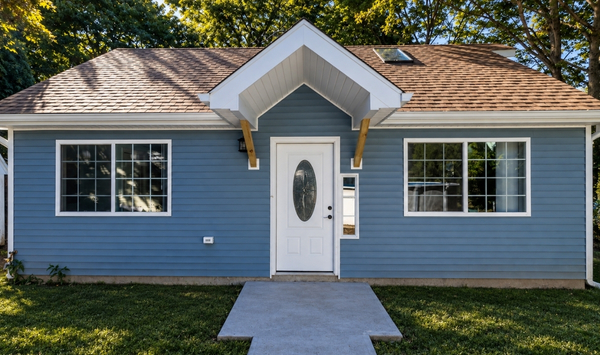
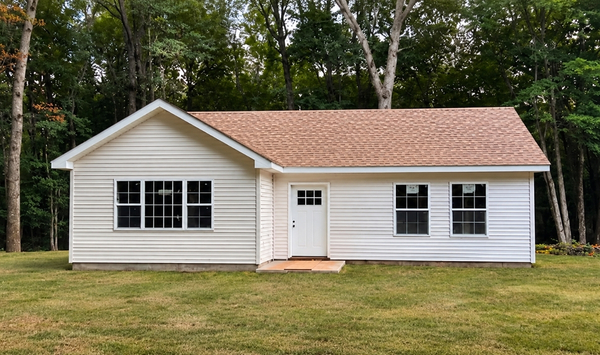
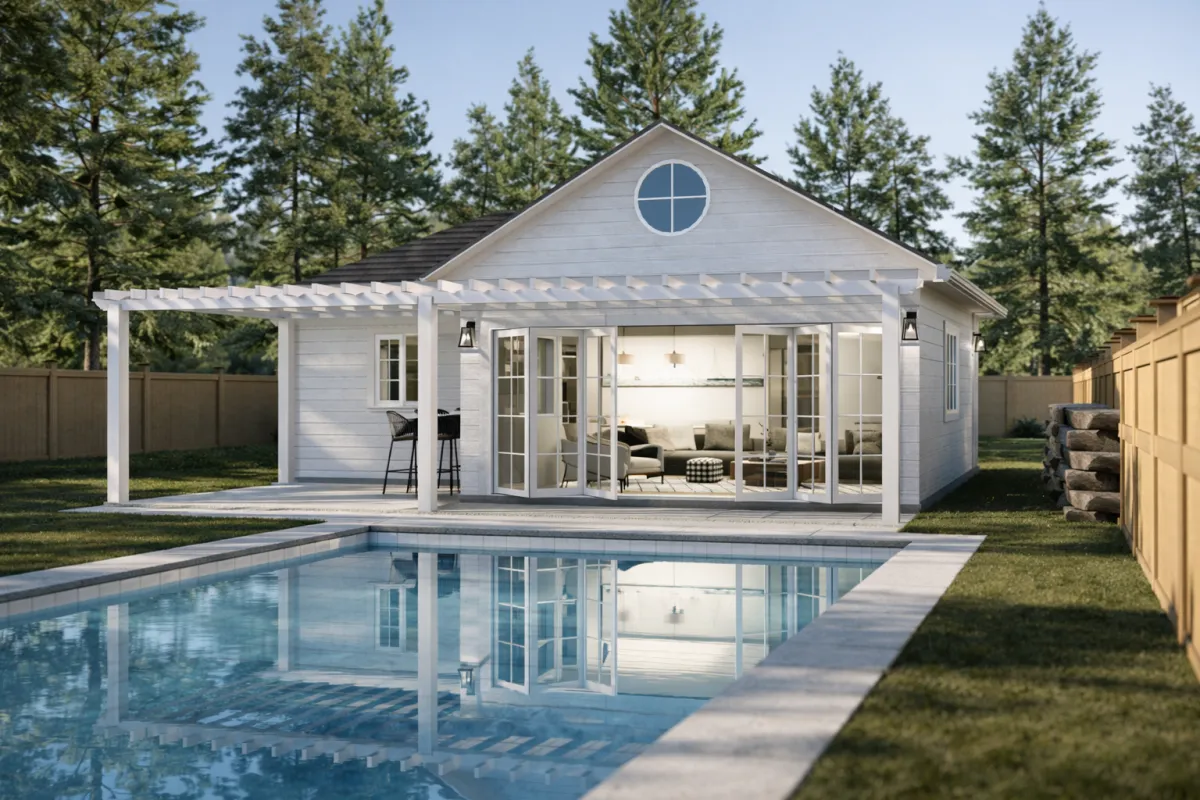
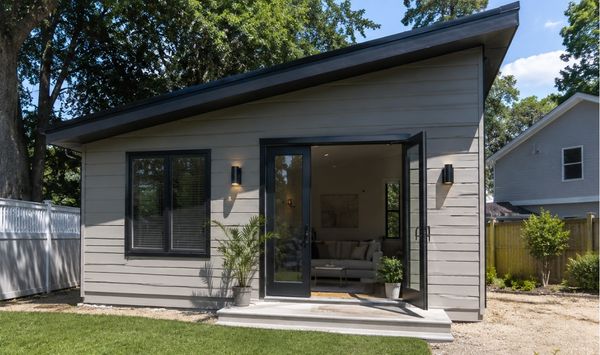
A detached ADU is a separate small home located on the same property as the main house. It is often called a backyard ADU, backyard cottage, guest house, private small home, or tiny home ADU.
Detached ADUs are popular because they create privacy and independence. They may work well for aging parents, adult children, guests, long-term renters, or homeowners who want a future downsizing option on land they already own.
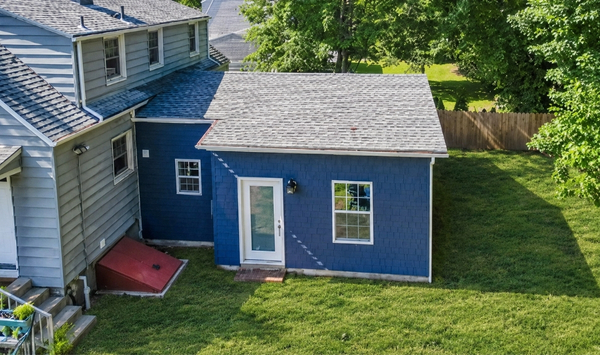
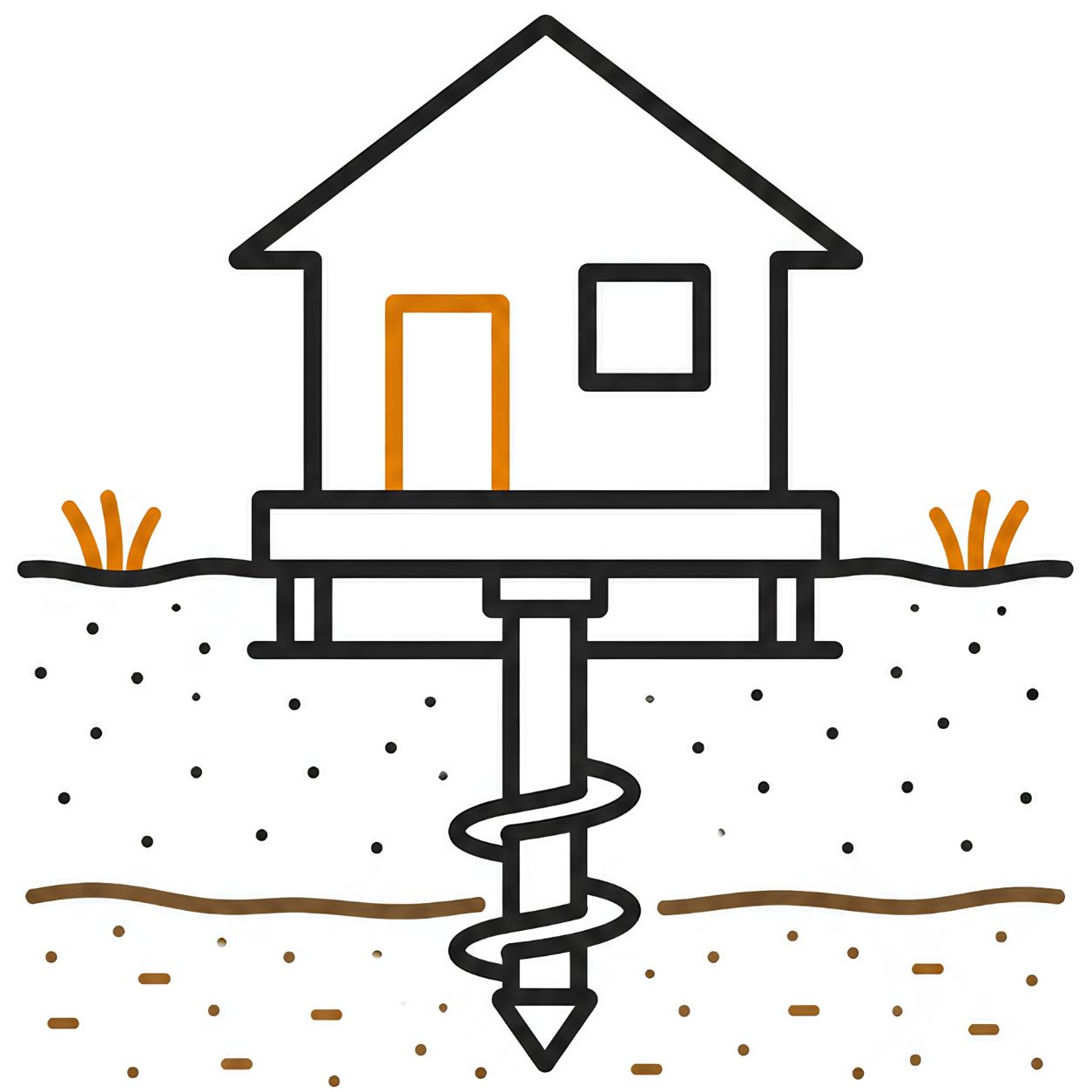
However, detached ADUs usually require careful review. Setbacks, septic capacity, utility trenching, foundation planning, driveway access, wetlands, stormwater, and lot layout can all affect whether the project is realistic.
What Is an Attached ADU?
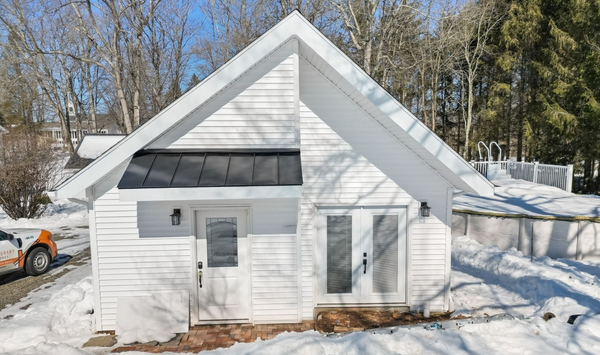
An attached ADU is connected to the primary home. It may be built as an addition, created within the existing house, or designed as a private suite with a separate entrance.
Attached ADUs can be a strong option when the homeowner wants easier family access, shared utility connections, or a lower-impact layout. They may also make more sense when the lot is tight or when a detached backyard unit is limited by setbacks, septic, wetlands, or usable yard space.
Which ADU Type Makes the Most Sense?
The best ADU type depends on your goal and your property. If privacy and long-term rental flexibility matter most, a detached ADU may be the better fit. If caregiver access, convenience, or a smaller site footprint matters more, an attached ADU or in law suite may be smarter.
Before choosing a model, confirm what your town allows and what your lot can actually support.
What Can Affect Whether You Can Build an ADU?
Even when an accessory dwelling unit is allowed, the property still needs a practical feasibility check. These are the factors that most often determine whether an ADU in Tolland County can move forward.
Local Zoning Rules
Your town’s ADU zoning rules may affect the ADU type, maximum size, bedroom count, parking, owner occupancy, lot coverage, setbacks, and permit process. A homeowner searching for ADU regulations CT or ADU zoning CT usually needs a local answer, not a generic statewide answer.
Lot Size and Usable Land
A large lot does not automatically mean an ADU will work. The usable part of the land matters more than the total acreage. Trees, slopes, wetlands, ledge, narrow side yards, awkward lot shape, existing structures, and driveway access can all affect where an ADU can go.
Setbacks and Placement
Setbacks determine how far the ADU must be from property lines, roads, wetlands, the main home, and other structures. This is where many homeowners realize the ADU cannot simply go wherever there is open yard space.
Septic or Sewer Capacity
Septic is one of the biggest ADU feasibility questions in Tolland County. If your property is on septic, the system may need review to determine whether it can support an additional dwelling unit. This can affect ADU size, bedroom count, layout, approval path, and total cost.
Utilities and Trenching
Water, sewer or septic, electric, heating, cooling, and utility trenching can affect both design and budget. A detached ADU located far from the main house may need longer utility runs, which can make the project more complex than an attached ADU, garage conversion, or basement ADU.
Survey and Property Documents
A current survey or plot plan can help confirm property lines, setbacks, existing structures, and possible ADU placement. If you do not have a survey, that does not automatically stop the project. It may simply become one of the early steps needed before design and permitting.
Can I Build an In Law Suite in Tolland County?
Yes, an in law suite may be possible in Tolland County, depending on your town and property.
Many homeowners use the phrase in law suite when they want a private living space for a parent, adult child, relative, or caregiver. In zoning language, that project may be treated as an accessory dwelling unit, accessory apartment, attached ADU, detached ADU, or interior conversion.
For families, the goal is usually both emotional and practical. They want to keep family close with privacy, create a safer one-level living space, reduce stairs, support aging in place, or make better use of land they already own.
A family-focused ADU may include one-level living, a separate entrance, comfortable bathroom layout, private bedroom, simple kitchen area, and easier access to the main home when needed.
If you are planning a backyard living space for mom, an in law suite for a parent, or a private small home on the property, feasibility should come before finishes.
Can I Build an ADU for Rental Income?
Possibly. A rental income ADU in Tolland County can be a smart use of existing land, but it should be planned carefully.
A rental income ADU needs to be reviewed for local zoning, long-term rental use, parking, privacy, utility setup, layout, and maintenance. A unit designed for a tenant may need different planning than a unit designed only for family use.
Homeowners often like ADUs because they offer flexibility. The space may serve as a rental now, family housing later, or future downsizing space for the homeowner.
How Much Does an ADU Cost in Tolland County?
The cost to build an ADU in Tolland County depends on the ADU type, size, site conditions, utilities, septic or sewer, foundation, finishes, permits, and construction complexity.
A basement ADU or garage conversion may have a different cost profile than a newly built detached backyard ADU. A one-bedroom ADU may differ from a larger rental-focused unit. A rural property with longer utility runs may cost more than a property with easier access.
The better question is not only “How much does an ADU cost in Connecticut?” The better question is: what is included, what is not included, and what could change after my property is reviewed?
Common ADU Cost Factors
ADU cost can be affected by size, layout, attached or detached construction, site work, foundation type, utility connections, septic review, engineering, permits, driveway access, interior finishes, appliances, heating, cooling, electrical work, and plumbing scope.
A trustworthy Connecticut ADU builder should help you understand the starting price and the possible site-specific add-ons before you move too far forward.
Want a clearer picture of what your ADU may require? Schedule a consultation to review your property, expected scope, likely cost factors, and the next best step.

What Permits Are Needed for an ADU in Tolland County?
Permit requirements vary by town and project type, but most ADU projects may involve zoning review, building permits, electrical permits, plumbing permits, mechanical permits, public health review, septic review, and site documentation.
A newly built detached ADU usually requires a more complete review than an interior conversion. An attached ADU may require building, zoning, utility, and structural review depending on how it is designed.
Before starting, ask whether your town allows the ADU type you want, whether it is allowed by zoning permit or special permit, what size is allowed, how many bedrooms are permitted, whether owner occupancy applies, whether parking is required, and whether septic or wetlands review is needed.
What Should You Do Before Choosing an ADU Model?
Before choosing finishes, floor plans, or ADU models, gather the information that helps determine whether the project is feasible.
Start with your property address, town, zoning district, existing survey or plot plan, septic records if applicable, well information if applicable, photos of the proposed ADU area, desired use, preferred size, budget range, timeline goals, and any known site concerns.
You do not need to have every document before asking for help. The point of a feasibility review is to identify what is known, what needs to be confirmed, and what the next step should be.
Final Answer: Can You Build an ADU in Tolland County, CT?
You may be able to build an ADU in Tolland County, CT, but the answer depends on your town and property.
A detached ADU may be best for privacy and flexibility. An attached ADU may be better for family access or tighter lots. A garage conversion, basement ADU, or in law suite may be the smartest path if the existing structure already supports the goal.
The goal is not just to build more space. The goal is to understand what is possible on your property, what it may cost, and what the next step should be.
Ready to find out what is possible on your property? Schedule a consultation with Contemporary Tiny Homes to review ADU feasibility, layout options, zoning questions, septic or utility concerns, and next steps for your Tolland County home.
FAQ
Can I build an ADU in Tolland County, CT?
Yes, you may be able to build an ADU in Tolland County, CT, but approval depends on your town, zoning district, lot layout, setbacks, septic or sewer access, parking, utilities, and ADU type.
Are detached ADUs allowed in Tolland County?
Detached ADUs may be possible in some Tolland County towns, but the answer depends on local zoning and your specific property. Setbacks, septic, lot size, wetlands, utilities, and site layout can all affect feasibility.
Is an in law suite the same as an ADU?
An in law suite may be considered an ADU if it functions as an independent living space and meets local zoning, building, health, and safety requirements.
What is the first step to building an ADU?
The first step is a property-specific feasibility review. This helps confirm whether your town allows the ADU type you want, where it could fit, what site issues may affect cost, and what approvals are needed before design and construction.

Copyright 2026. All rights reserved. Norwalk, CT
Connecticut's New Home Construction Contractor License: #NHC.0017654
EPA Lead-Safe Certified NAT-F269966-1