



















Knowledge Center: Your Go-To Resource for ADUs and Tiny Living
Knowledge Center: Your Go-To Resource for ADUs and Tiny Living
Email [email protected]
Phone 860-TINY-HOM (es)
Can I Build an ADU in New Haven County? What Homeowners Need to Know First
For most homeowners, the first question is not about cabinets, siding, or floor plans.
It is much more practical:
Can I actually build an ADU on my property in New Haven County?
That is the right question to ask first.
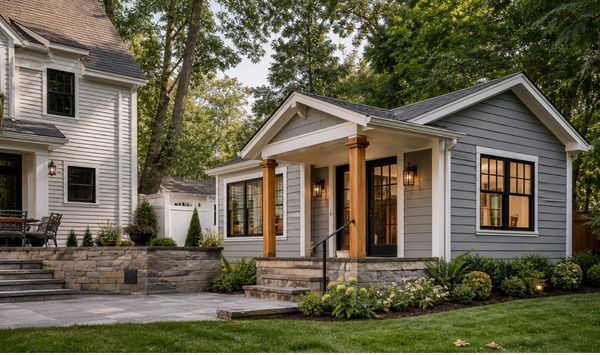
An ADU, also called an accessory dwelling unit, in-law suite, backyard living space, or private small home on your property, can help you keep family close, create rental income, add flexible living space, or plan for future downsizing.
But before you choose a model or start comparing layouts, you need to know whether your town and property can support the project.
In New Haven County, the answer depends on your municipality, zoning district, lot layout, setbacks, utilities, septic or sewer setup, parking, access, and the type of ADU you want to build.
The smartest first step is not design.
It is feasibility.
Maybe, But Your Property Needs a Feasibility Review
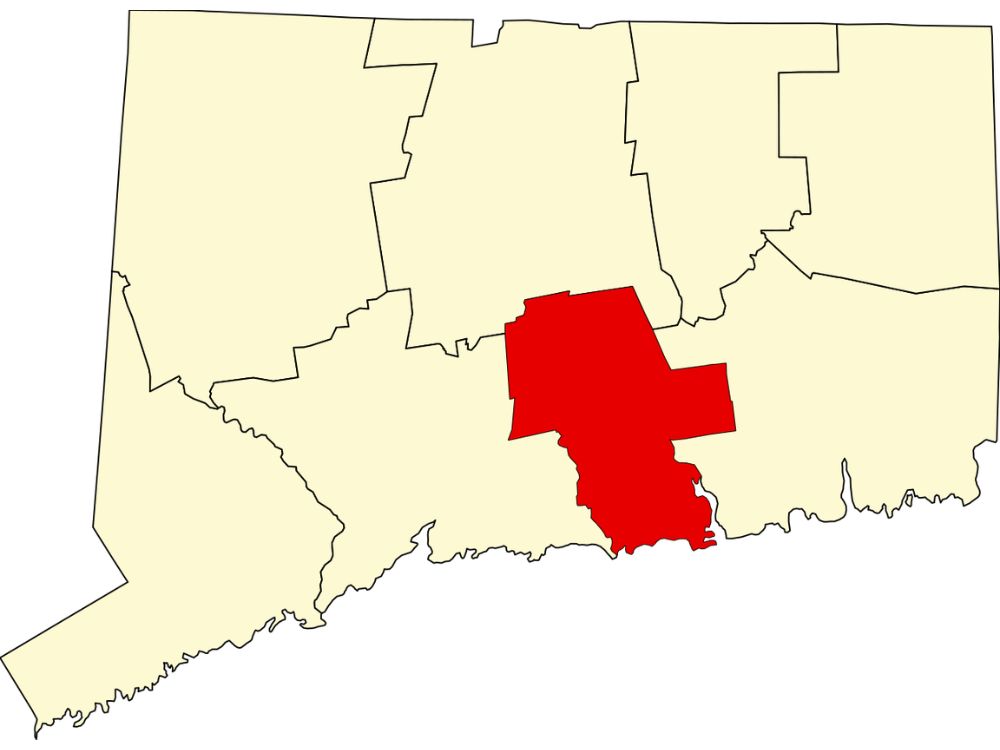
You may be able to build an ADU in New Haven County, but there is no single countywide answer that applies to every home.
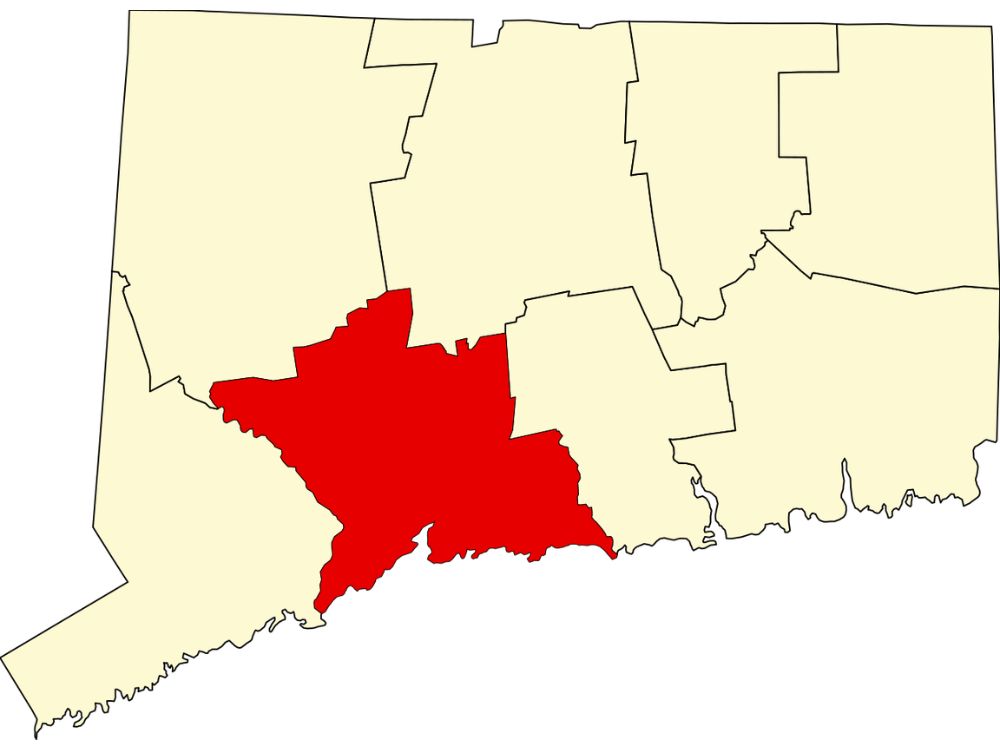
A property in Hamden may have a different path than a property in New Haven, Guilford, Branford, Milford, Cheshire, Madison, Wallingford, North Haven, Orange, Woodbridge, West Haven, East Haven, Seymour, or Bethany.
Some homeowners may be able to build a detached ADU. Others may be better suited for an attached ADU, garage conversion, basement apartment, or interior in-law suite.
The answer usually comes down to three questions:
What does your town allow?
What can your lot physically support?
What project path makes sense for your family, budget, and timeline?
Want to know whether your property is a fit for an ADU? Schedule a consultation to review feasibility, layout options, cost drivers, and next steps for your New Haven County home.
What Is an ADU?
An ADU is a secondary living space on the same property as a primary home.
In plain language, homeowners often call it:
An in-law suite
A backyard home
A small home for mom or dad
A private guest space
A garage apartment
A basement apartment
A rental unit
A downsizing option
A backyard living space
In ADU terminology, it usually includes independent living features such as a sleeping area, bathroom, kitchen or kitchenette, living space, and a separate or clearly defined entrance.
For New Haven County homeowners, the name matters less than the fit. The real question is whether your property can support the type of living space you want.

Why New Haven County ADU Rules Are Not One Size Fits All
Many homeowners search for “ADU New Haven County” or “accessory dwelling unit New Haven County” expecting one simple answer.
But ADU rules are usually handled at the town or city level.
That means New Haven County homeowners need to look at the specific municipality, not just the county. Your local zoning rules may affect:
Whether ADUs are allowed
Whether detached ADUs are allowed
Whether attached or interior ADUs are easier to approve
Maximum ADU size
Parking requirements
Owner occupancy rules
Short-term rental restrictions
Setbacks and lot coverage
Utility requirements
Approval process and permits
This is why an online search can only take you so far. A property-specific ADU feasibility review gives you a clearer answer based on your address, town, lot, and goals.
Can You Build a Detached ADU in New Haven County?
Maybe.
A detached ADU is the separate backyard-home option many people imagine first. It can be a strong fit when the goal is privacy, rental income, aging parent housing, adult-child housing, or long-term flexibility.
A detached ADU may be the right direction if you want:
More privacy from the main house
A separate entrance and independent living setup
A backyard living space for family
A rental unit with clearer separation
A future downsizing option
But detached ADUs also need careful review because they often involve more site conditions than an attached or interior ADU.
Before moving forward with a detached ADU in New Haven County, you need to look at:
Setbacks from property lines
Lot coverage limits
Distance from the main house
Utility trenching
Septic or sewer connection
Foundation and site work
Driveway access
Parking
Wetlands or drainage
Trees, slopes, and ledge
Construction access
A detached ADU can be a great solution, but it should be reviewed through the lens of your property first.
Attached ADU vs Detached ADU in New Haven County
Homeowners often ask which is better: an attached ADU or detached ADU.
The answer depends on your lot, town rules, utility setup, budget, and intended use.
Detached ADU
A detached ADU is a separate structure on the same property as the main home. It often works well for homeowners who want privacy, separation, rental flexibility, or a private small home for a parent.
Detached ADUs may involve more utility planning, site work, and placement review.
Attached ADU
An attached ADU is connected to the main home. It can be a good fit when the homeowner wants multigenerational living, a private in-law suite, or an addition-style living space.
Attached ADUs may make sense when the lot is more constrained, utility connections are easier near the main house, or the family wants closer day-to-day access.
Interior ADU
An interior ADU is created inside an existing home or structure, such as a basement, attic, garage, or unused living area.
This path may be worth exploring when new construction is limited by zoning, lot conditions, or budget.
The best ADU builder for your New Haven County project should help you compare all realistic options before you commit to one path.
What Determines Whether Your New Haven County Property Can Support an ADU?
A property can look like it has plenty of room and still have constraints that affect the project.
Another property can look tight and still have a workable ADU path if the right option is chosen.
Here are the main factors that determine ADU feasibility in New Haven County.
1. Your Town’s ADU Requirements
The first step is checking your local ADU requirements.
Important questions include:
Does your town allow ADUs?
Are detached ADUs, attached ADUs, and interior ADUs allowed?
Is the ADU allowed by right, or does it need a special approval?
How large can the ADU be?
Are there parking requirements?
Are there owner-occupancy rules?
Are there short-term rental restrictions?
Are there design or architectural standards?
What permits are required?
This is where many homeowners need help. ADU regulations can be technical, and even small details can affect whether a project is realistic.
2. Your Zoning District
Rules can change by zoning district, even within the same town.
A home in one residential district may have a different approval path than a home in another district. This can affect the ADU type, size, placement, setbacks, and review process.
That is why a real ADU consultation starts with your property address.
3. Lot Size, Setbacks, and Placement
The ADU needs a legal and practical place to go.
Placement questions include:
Where are the side and rear setbacks?
Is the main house already close to the property line?
Is there enough usable space behind or beside the home?
Are there easements or wetlands?
Is the lot narrow or irregular?
Are there trees, slopes, ledge, or drainage issues?
Can construction crews access the build area?
Will the ADU affect privacy or parking?
This is one of the biggest reasons to start with feasibility instead of design.
You may want the ADU in a certain part of the yard, but the property has to support that placement.
4. Septic or Sewer Setup
Septic and sewer are major ADU cost and feasibility factors.
If your home is on public sewer, the project still needs plumbing and utility planning.
If your property uses septic, the review becomes more important. Septic capacity, system location, bedroom count, and local health requirements can affect both feasibility and cost.
Septic questions should be asked early, especially before choosing a floor plan.
5. Utility Connections and Trenching
Utilities can change the total cost of an ADU project.
A detached ADU may need connections for electric, water, sewer or septic, gas if applicable, internet, and drainage.
If the ADU is far from the main house, trenching and utility runs may become more involved.
This is why two ADUs with similar square footage can have very different budgets.
6. Parking and Access
Parking may matter more than homeowners expect, especially if the ADU will be used for rental income.
You may need to think through:
Existing driveway capacity
Additional parking space
Street parking rules
Safe walkway access
Entrance location
Snow removal
Lighting
Emergency access
Accessibility for an older parent
For an in-law suite or family ADU, access can be just as important as parking.
7. Survey and Property Documents
A current survey or plot plan can help confirm property lines, setbacks, structures, easements, septic location, and buildable area.
Not every homeowner has one available. That is common.
But if you are serious about an ADU, the survey question should come up early because missing property documents can slow down the process.
ADU Cost in New Haven County: What Can Affect the Final Number?
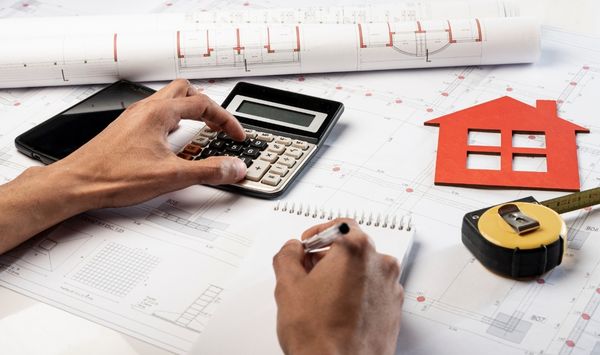
One of the most common questions is, “How much does an ADU cost in New Haven County?”
That is an important question, but it cannot be answered responsibly with square footage alone.
ADU cost depends on both the unit and the property.
Cost drivers can include:
ADU type: detached, attached, interior, garage, or basement
Size and layout
Foundation requirements
Site work and grading
Utility distance
Septic or sewer connection
Electrical service needs
Survey requirements
Permits and town review
Wetlands or drainage issues
Parking or driveway changes
Accessibility features
Finish level
Appliances and fixtures
Custom design choices
This is why “starting price” and “real project investment” are not always the same thing.
A smaller ADU is not automatically the cheapest option if the site work, utility runs, or septic needs are more complex.
A good ADU consultation should help you understand what is included, what may be separate, and what could change after the property review.
In-Law Suite Cost in New Haven County: Why Family Use Changes the Conversation
Many homeowners researching ADUs are really trying to solve a family problem.
They may search for “in law suite New Haven County” or “in law suite cost New Haven County” because they want a private, safe space for a parent, adult child, caregiver, or relative.
Family use often changes the design priorities.
For an aging parent, the ADU may need:
One-level living
Fewer steps or no steps
A safer entrance
A comfortable bathroom layout
Wider circulation paths
Good lighting
Close access to the main house
Privacy without isolation
For adult children or guests, the focus may be independence, privacy, and flexible living.
For long-term family planning, the best ADU may be the one that can serve more than one purpose over time.
Benefits of Building an ADU in New Haven County
An ADU can create practical and emotional value when it is planned correctly.
Common benefits include:
Keeping family close while preserving privacy
Creating a one-level space for a parent
Adding rental income potential
Making better use of existing land
Creating housing for an adult child
Adding guest or caregiver space
Planning for future downsizing
Increasing long-term property flexibility
Avoiding the need to buy a separate property
The biggest benefit is not just more space. It is having a flexible second living area that solves a real-life problem on property you already own.
Common Mistakes Before Building an ADU in New Haven County
Avoiding the wrong first step can save time, money, and frustration.
Mistake 1: Choosing a Floor Plan Before Checking Feasibility
A floor plan only matters if your town and property can support it.
Start with zoning, placement, utilities, septic or sewer, and access before getting attached to a layout.
Mistake 2: Assuming Every Town Has the Same ADU Rules
New Haven County is not one zoning jurisdiction.
A property in Guilford may not follow the same rules as a property in New Haven, Hamden, Milford, Branford, Wallingford, or Cheshire.
Mistake 3: Comparing Prices Without Comparing Scope
One ADU estimate may include different items than another.
Before comparing numbers, ask what is included, what is excluded, and what could change after a site review.
Mistake 4: Waiting Too Long to Talk About Septic
If your home has septic, bring it up early.
Septic can affect layout, approvals, timeline, and cost.
Mistake 5: Not Involving the Real Decision Makers
Many ADU projects involve a spouse, parent, adult child, co-owner, or financial decision maker.
Bring them into the conversation early so the project does not stall later.
Mistake 6: Searching “ADU Builder Near Me” Without Checking Local Experience
If you are looking for an ADU builder near me in New Haven County, do not stop at proximity.
Look for a builder who understands ADU feasibility, town rules, property constraints, utility planning, permits, and how the space will actually be used.
How Long Does It Take to Build an ADU in New Haven County?
Homeowners often ask how long it takes to build an ADU.
A better question is:
How long does the full ADU process take from feasibility to move-in?
The timeline may include:
Initial consultation
Property feasibility review
Zoning review
Survey or document gathering
Concept planning
ADU model or layout selection
Pricing scope
Engineering or site review, if needed
Permit submission
Town review
Utility planning
Site work
Construction
Inspections
Final approvals
Construction is only one phase. Permits, zoning, septic, surveys, utility planning, and town review can also affect timing.
That is why it is better to start early, especially if the ADU is tied to a parent’s move, a rental timeline, a home sale, or a family planning decision.
What to Expect During an ADU Consultation in New Haven County
A good ADU consultation should not feel like a sales pitch for a floor plan.
It should help you answer practical questions about your property.
During a New Haven County ADU consultation, you should expect to discuss:
Your property address and town
Your reason for building
Whether family use, rental income, or future downsizing is the goal
Attached vs detached ADU options
Possible placement on the lot
Setbacks and zoning concerns
Septic or sewer questions
Utility distance and tie-ins
Parking and access
Survey or document needs
Budget expectations
Timeline and next steps
Thinking about an ADU but not sure where to start? Schedule a consultation to review your property, understand your options, and decide whether an ADU, in-law suite, or backyard living space is realistic.
What Should You Gather Before an ADU Feasibility Review?
You do not need to have everything ready before asking questions.
But if available, it helps to gather:
Property address
Survey or plot plan
Septic records, if applicable
Photos of the yard or proposed location
Notes from your town or zoning department
Utility information
Desired use case
Rough budget comfort zone
Preferred timeline
Questions from your spouse or family
Accessibility needs for a parent or relative
If you do not have a survey, that is okay. It may simply become part of the next-step plan.
Is an ADU Right for Rental Income in New Haven County?
An ADU can be a strong rental income strategy when the property, town rules, layout, and parking support the use.
Rental-focused ADUs often need:
A separate entrance
Clear privacy from the main home
Durable finishes
Efficient layout
Practical parking
Smart utility planning
Long-term maintenance planning
A rental ADU should be reviewed differently than a family ADU because the day-to-day use is different.
If your goal is income, the first step is still feasibility. You need to know whether the town allows the use, whether the property can support it, and what cost drivers may affect return on investment.
Is an ADU Right for an Aging Parent or Family Member?
For many New Haven County homeowners, the ADU conversation starts with family.
The goal may be to keep a parent close without moving them into the main house.
A family ADU or in-law suite can help create privacy, independence, and peace of mind when it is planned carefully.
Important questions include:
Does the space need to be one level?
Should the entrance avoid steps?
How close should it be to the main home?
Will the bathroom need accessibility features?
Is privacy more important than connection?
Will this space serve another purpose later?
The right ADU should solve the current family need while leaving room for future flexibility.
So, Can You Build an ADU in New Haven County?
Maybe.
And that is exactly why the first step matters.
Before you compare designs, you need to know:
What your town allows
Whether your zoning district supports the project
Whether your lot can fit the ADU
Whether attached, detached, or interior makes the most sense
Whether septic or sewer creates challenges
How utilities may affect cost
Whether parking or access needs to be addressed
What documents are needed
What the next step should be
A well-planned ADU can be a private small home, in-law suite, rental unit, guest space, or future downsizing option.
But the right project starts with feasibility, not guesswork.
Start With a New Haven County ADU Feasibility Review
If you are thinking about building an ADU, in-law suite, backyard living space, or private small home on your property, start by finding out what is actually possible.
Contemporary Tiny Homes helps New Haven County homeowners move from uncertainty to a clear plan by reviewing feasibility, zoning, layout options, cost drivers, utilities, and next steps.
Schedule a New Haven County ADU consultation to find out whether your property is a fit and what path makes the most sense.
FAQ: ADUs in New Haven County
Can I build an ADU on my property in New Haven County?
Possibly. It depends on your town, zoning district, lot size, setbacks, utilities, septic or sewer setup, parking, and the type of ADU you want to build. A feasibility review is the best way to get a property-specific answer.
How much does an ADU cost in New Haven County?
ADU cost in New Haven County depends on the ADU type, size, site work, foundation, utilities, septic or sewer, permits, survey needs, finishes, and property conditions. A detached ADU with longer utility runs may have a different cost than an attached or interior ADU.
Are detached ADUs allowed in New Haven County?
Detached ADU rules vary by town. Some towns may allow detached ADUs under certain conditions, while others may make attached, interior, garage, or basement ADUs more realistic. Always check the specific municipality and property.
What is the difference between an ADU and an in-law suite?
An in-law suite is a common phrase for a private living space for a parent or family member. If the space has independent living features such as a kitchen, bathroom, sleeping area, and separate living function, it may be treated as an ADU.
Should I choose a floor plan before checking zoning?
No. Start with feasibility first. Once you know what your town and lot can support, you can choose a realistic ADU model, attached ADU, detached ADU, or interior conversion path.
How long does it take to build an ADU in New Haven County?
The timeline depends on feasibility, zoning, design, permits, septic or sewer review, utilities, site work, construction, and inspections. The full process can take longer than construction alone, so homeowners should start with a consultation early.
What should I expect during an ADU consultation?
You should expect to review your property, town rules, intended use, placement options, attached vs detached possibilities, septic or sewer, utilities, cost drivers, timeline, and next steps.
Can an ADU be used for rental income?
In many situations, yes, but rental use depends on local rules, parking, privacy, utility setup, and whether the property is a good fit for tenant occupancy. Short-term rental rules may vary by town.
Can an ADU work for an aging parent?
Yes. An ADU can be planned as a one-level, private living space for an aging parent with safer access, thoughtful bathroom layout, privacy, and proximity to family.


Copyright 2026. All rights reserved. Norwalk, CT
Connecticut's New Home Construction Contractor License: #NHC.0017654
EPA Lead-Safe Certified NAT-F269966-1