



















Knowledge Center: Your Go-To Resource for ADUs and Tiny Living
Knowledge Center: Your Go-To Resource for ADUs and Tiny Living
Email [email protected]
Phone 860-TINY-HOM (es)
How ADUs Are Evolving to Solve Urban Housing Density Challenges
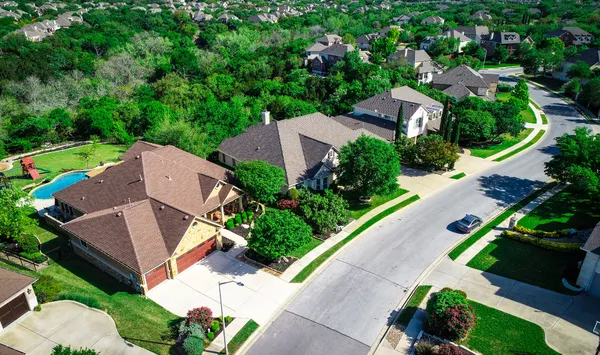
As cities and towns grow, housing gets tighter, land gets more expensive, and families need more flexible ways to live. That is one reason the accessory dwelling unit, or ADU, has become such an important housing solution.
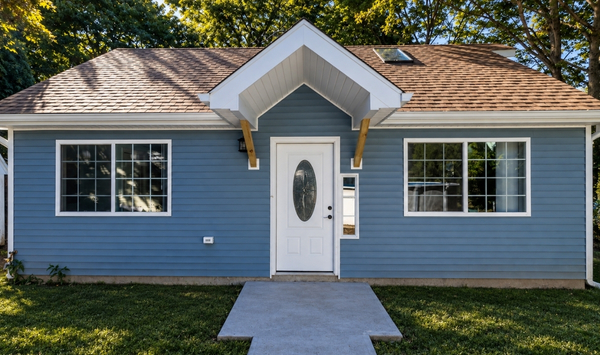
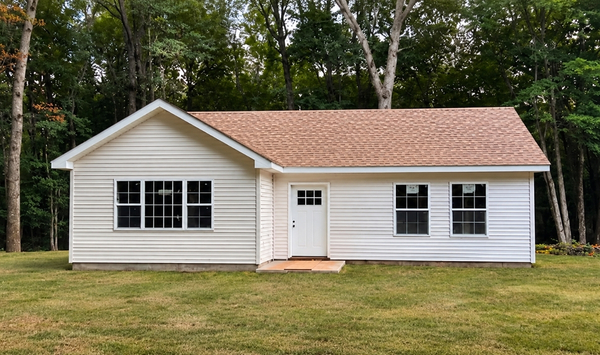
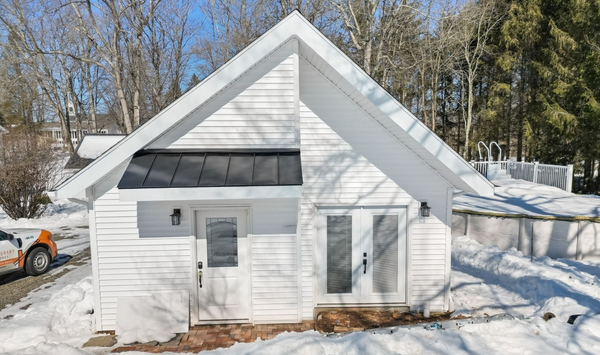
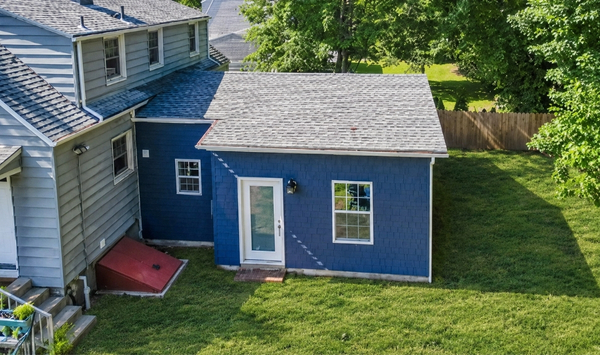
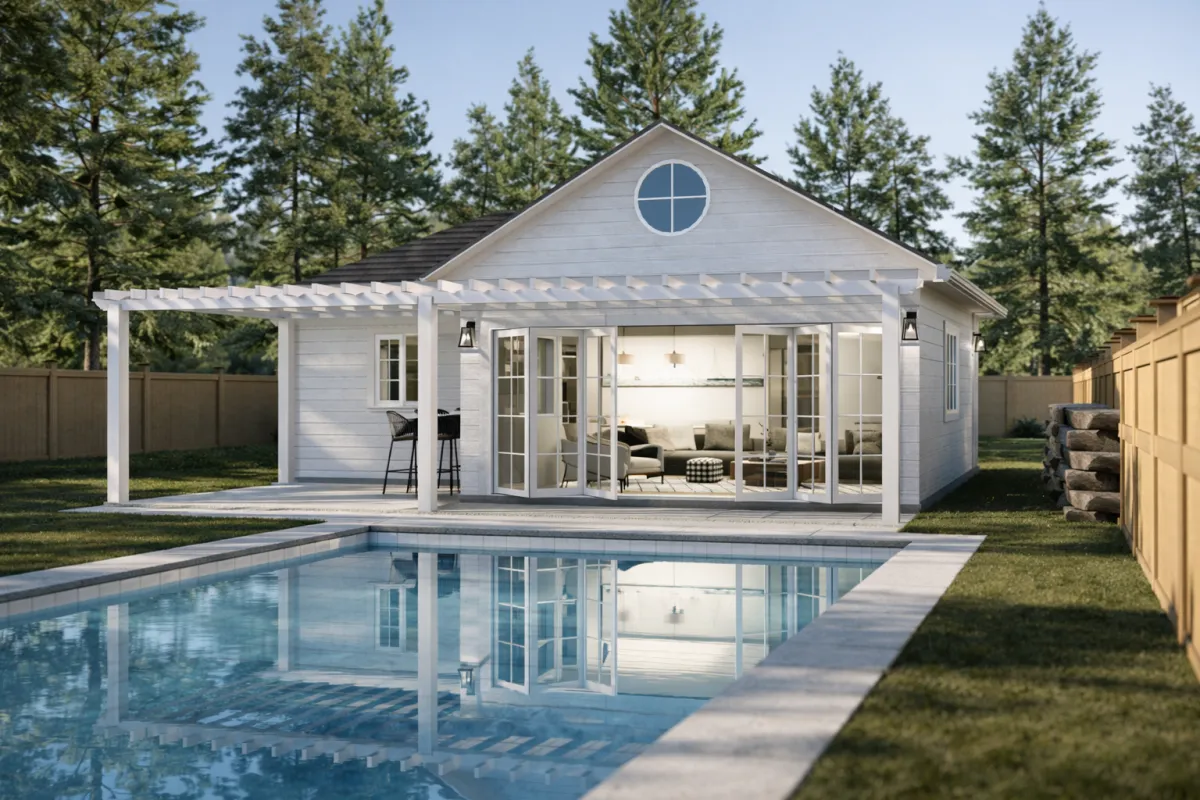
An ADU can be a backyard cottage, in law suite, garage conversion, or small attached home on the same property as a primary residence. In urban and suburban areas, ADUs help homeowners add usable space without buying a second property or leaving the neighborhood they already love.
For Connecticut homeowners, this matters even more. Many families want room for aging parents, adult children, guests, or rental income, but they also need to work through local zoning, setbacks, utilities, and site feasibility before making a move.
ADUs are evolving quickly to meet those demands. Today, they are not just small extra homes. They are becoming a smarter answer to urban housing density, multigenerational living, and long term property flexibility.
Thinking about an ADU, in law suite, or backyard cottage in Connecticut? Start with a property feasibility review to see what your lot can realistically support.
Why ADUs Matter More as Housing Density Increases
Urbanization is increasing pressure on housing supply. As more people want to live near jobs, family, schools, and town centers, it becomes harder to find affordable, practical housing options that do not require major land development.
That is where an accessory dwelling unit stands out.
Instead of relying only on large apartment projects or major subdivisions, homeowners can create a second small home on their property that supports real housing needs. In many cases, an ADU can help with:
multigenerational living
housing for aging parents
private guest space
long term rental income
downsizing without leaving the property
more flexible use of existing land
This is one reason terms like ADU, in law suite, backyard cottage, and detached ADU continue to attract attention from homeowners searching for practical housing solutions.
The Biggest Challenges ADUs Face in Urban Areas
1. Zoning and permit complexity
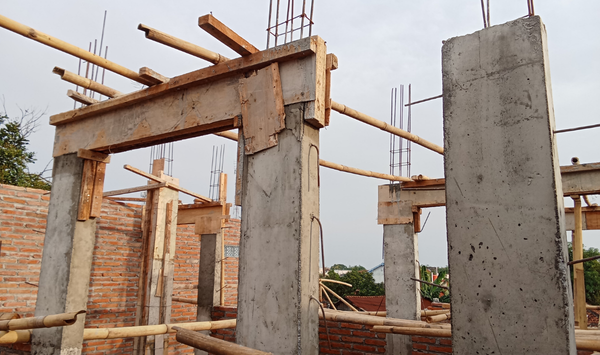
One of the biggest barriers is still ADU zoning. Even when a town allows accessory dwelling units, the details can vary. Setbacks, lot coverage, parking, septic capacity, height limits, owner occupancy rules, and utility connections can all affect whether a project moves forward.
For many homeowners, the challenge is not interest. It is clarity.
That is why feasibility comes first. Before choosing a floor plan or comparing finishes, it is important to understand what your lot can actually support.
2. Site constraints on smaller lots
As housing density rises, available lot space becomes tighter. Smaller lots can create real challenges for:
detached ADU placement
driveway access
utility trenching
privacy between structures
drainage and grading
septic or sewer considerations
Smart siting and early planning are what make an ADU project realistic, not just appealing on paper.
3. Budget uncertainty
Many people search for terms like ADU cost, backyard cottage cost, or tiny home vs ADU because they want to understand what is realistic before they commit.
The real answer is that pricing depends on the property, site work, utility conditions, local requirements, and the type of unit being built. A detached ADU on a simple lot with city utilities is very different from an in law suite on a property that needs septic upgrades or major site work.
4. Approval timelines
Permitting and approvals can slow projects down, especially in areas with more detailed zoning review. Homeowners often want a fast path, but timing usually depends on how quickly site feasibility, design, permitting, and documentation come together.
That is another reason a guided process matters. The faster the right information is gathered up front, the better the project can move.
How ADUs Are Evolving to Meet Urban Housing Needs
Better design for smaller footprints
Modern ADUs are doing more with less space. Instead of treating small square footage like a limitation, today’s designs use open layouts, stronger natural light, better storage, and more efficient kitchens and bathrooms to make compact homes feel comfortable and practical.
A well designed backyard cottage or attached ADU can support full time living without feeling cramped. That matters in urban settings where every square foot has to work harder.
More flexibility for family living
One of the strongest reasons people build an in law suite or family ADU is to keep loved ones close while maintaining privacy. This is especially important for aging parents, adult children, or relatives who need an accessible one level space.
ADUs are evolving beyond simple guest houses. They are now being planned for long term family use, independence, and future life changes.
Smarter rental and dual use planning
Some homeowners build an ADU for family now and rental income later. Others do the reverse. That flexibility is a major part of why ADUs fit modern housing needs so well.
A detached ADU can serve as:
an income producing rental
a future downsizing option
housing for family members
a private work from home space
a long term property value play
When designed well, one structure can support several life stages.
Stronger focus on sustainability
ADUs also fit the push for smarter land use. Adding a smaller home to an existing residential lot can be a more efficient way to create housing than spreading new development farther out.
Many homeowners are also looking for energy efficient features, lower maintenance materials, and durable layouts that support long term living. In that sense, ADUs are not only a housing solution. They are also a practical sustainability strategy.
What Connecticut Homeowners Should Pay Attention To
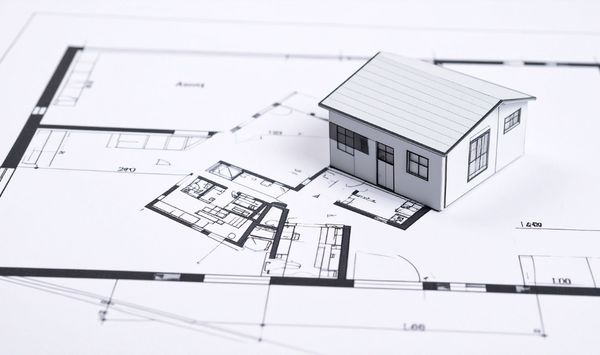
For Connecticut homeowners, the conversation is not just about housing density in general. It is about whether the property can realistically support a legal, comfortable, and well placed ADU.
That means looking closely at:
local ADU zoning and town specific rules
detached ADU vs attached ADU options
lot layout and setbacks
septic, sewer, water, and electrical connections
parking and access
how the space will be used now and later
This is why plain language matters. Many homeowners start by searching tiny home, backyard cottage, or in law suite Connecticut, even if what they really need is a fully permitted Accessory Dwelling Unit.
The right process helps bridge that gap. It keeps the project grounded in real property conditions instead of generic online advice.
If you are exploring a detached or attached ADU in Connecticut, book a consultation to understand zoning, site constraints, and the best path for your property.
Policy and Planning Are Moving the Market Forward
As housing pressure grows, ADUs are becoming a more important part of local planning conversations. More towns and policymakers are looking at how accessory dwelling units can expand housing options without changing neighborhood character the way large scale development might.
That does not mean every project is automatic. Local review still matters. But the direction is clear: ADUs are becoming a more serious and more accepted part of the housing mix.
For homeowners, this makes early action valuable. The people who move forward well are usually the ones who understand the rules, assess the site honestly, and choose a clear process from the start.
The Future of ADUs in Higher Density Areas
ADUs are no longer a niche idea. They are becoming one of the most practical ways to create flexible housing in places where land is limited and family needs are changing.
In the years ahead, expect to see more demand for:
detached ADUs for privacy
attached ADUs for easier utility tie ins
accessible one level layouts
multigenerational housing solutions
rental friendly backyard homes
property specific feasibility planning
For homeowners, the takeaway is simple. An ADU is not just extra square footage. It can be a smarter way to use your property, support family, create long term options, and respond to real housing demand.
Conclusion
As urbanization continues to reshape where and how people live, accessory dwelling units are proving to be more than a trend. They are a flexible, practical response to housing density, changing family needs, and the rising value of usable land.
For Connecticut homeowners, the most successful ADU projects start with the right questions, not just the right floor plan. Feasibility, zoning, utilities, and site layout all matter.
When those pieces are handled well, an ADU can become a private home for family, a long term rental opportunity, or a better way to make your property work harder for the future.
Want to know whether your property is a fit for an ADU? Schedule a consultation to review feasibility, layout options, and next steps for your Connecticut home.
FAQ
What is the difference between a tiny home and an ADU?
A tiny home usually refers to a very small house, while an ADU is a legally recognized secondary residential unit on the same lot as a primary home. In Connecticut, many homeowners use the phrase tiny home casually, but the project may need to be planned and permitted as an accessory dwelling unit.
Are ADUs good for multigenerational living?
Yes. ADUs are one of the best options for multigenerational housing because they help families stay close while giving everyone more privacy and independence.
Is a detached ADU better than an attached ADU?
It depends on the lot, utilities, privacy goals, and local zoning. A detached ADU can offer more independence, while an attached ADU may simplify utility connections and placement.
Do ADUs help with housing density?
Yes. ADUs increase housing capacity on existing residential lots, which can help communities respond to demand without relying only on large new developments.
What should homeowners do before building an ADU?
Start with feasibility. Review zoning, setbacks, utilities, lot constraints, and the intended use of the space before choosing a design. That early planning can save time, cost, and frustration later.

Copyright 2026. All rights reserved. Norwalk, CT
Connecticut's New Home Construction Contractor License: #NHC.0017654
EPA Lead-Safe Certified NAT-F269966-1