

















Knowledge Center: Your Go-To Resource for ADUs and Tiny Living
Knowledge Center: Your Go-To Resource for ADUs and Tiny Living
Email [email protected]
Phone 860-TINY-HOM (es)
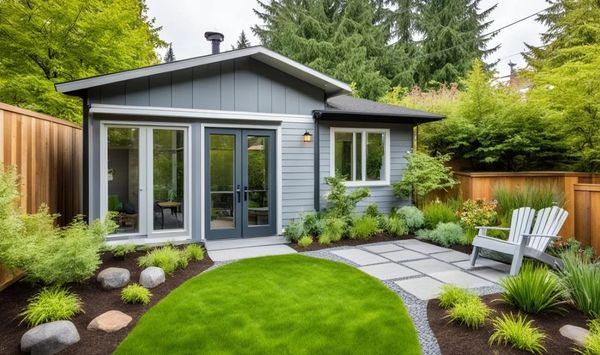
Are ADUs Good for the Environment? A Connecticut Homeowner’s Guide to Sustainable ADU Living
Accessory dwelling units have become one of the most practical answers to today’s housing needs. They create flexible living space, support family living, and give homeowners more ways to use their property well. But there is another reason ADUs continue to gain attention: they can also be a smarter environmental choice.
So, are ADUs good for the environment?
In many cases, yes. A well planned accessory dwelling unit can reduce land consumption, make better use of existing infrastructure, and lower energy demand compared with a full size home. The key is thoughtful design, smart site planning, and the right construction approach for the property.
For Connecticut homeowners, that means looking at more than square footage alone. It means considering setbacks, trees, utilities, drainage, sun exposure, layout efficiency, and how the ADU will actually be used long term.
What is an ADU?
An accessory dwelling unit, or ADU, is a smaller secondary home built on the same property as a primary residence. You may also hear it called an in-law suite, backyard cottage, granny flat, or secondary dwelling unit.
ADUs usually fall into a few common categories:
Detached ADU
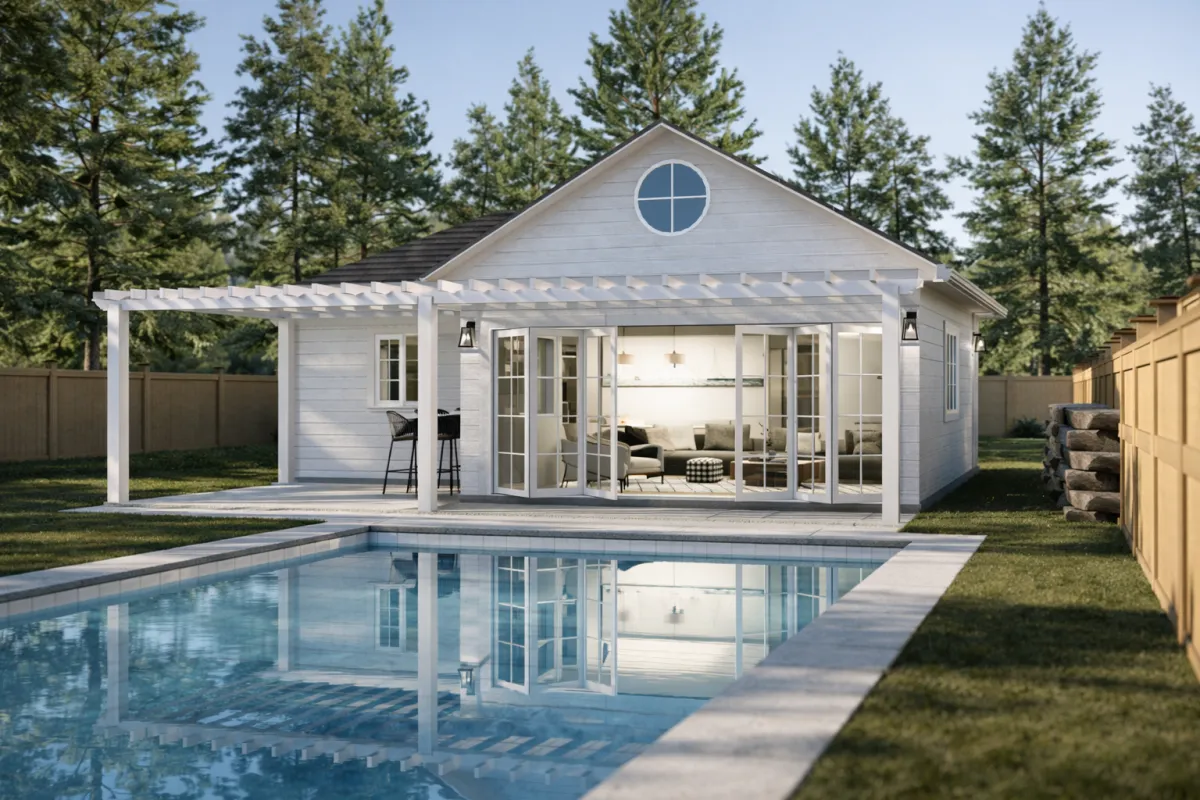
A detached ADU is a separate structure from the main house. It gives the most privacy and can work well for guests, long term rental use, or multigenerational living.
Attached ADU
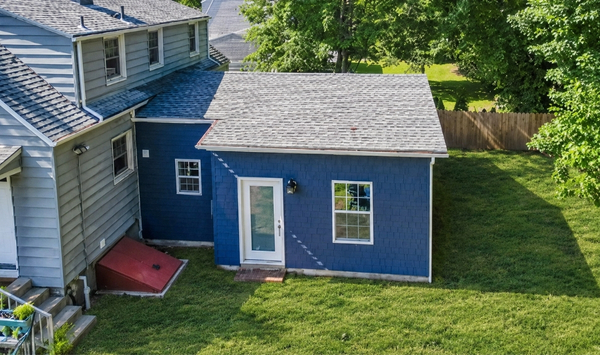
An attached ADU is connected to the main house. It can be a strong option when you want to preserve more yard space, simplify utility connections, or create an integrated family layout.
Converted space
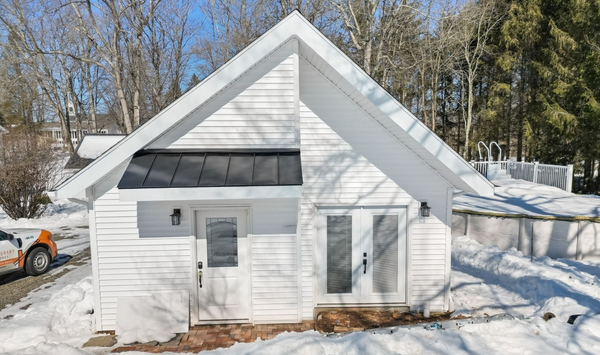
Some ADUs come from existing areas such as a garage, basement, or addition. In many cases, this can reduce material use and preserve more of the lot.
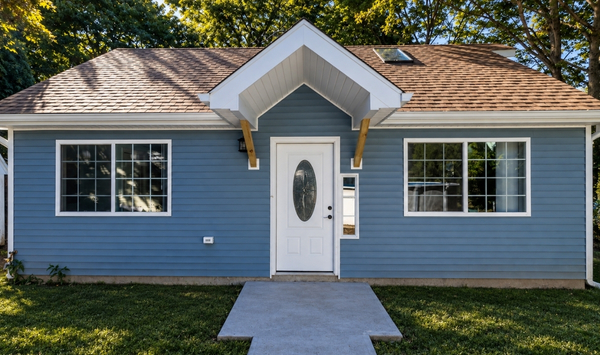
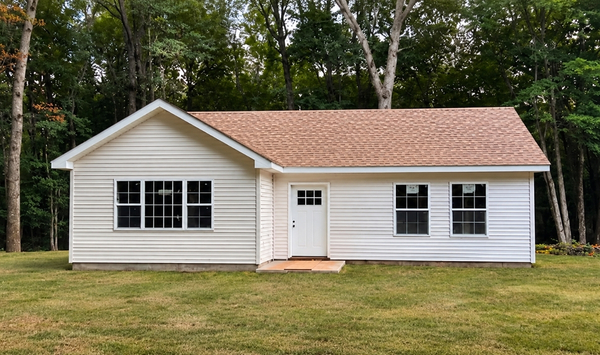
For a real-world example, visit our completed ADU project in Guilford and see each stage from site prep to the finished build.
Why ADUs can be better for the environment
The environmental value of ADUs comes from efficiency. Smaller homes usually require fewer materials, less land disturbance, and less energy to operate. When they are built on an existing residential lot, they can also support a more sustainable form of growth.
1. Smaller footprint, lower resource use
A compact ADU typically needs fewer raw materials than a full size single family home. Less framing, less roofing, less interior finish material, and less conditioned space often lead to a lower overall environmental burden.
This is one reason ADU housing is often part of the broader sustainable housing conversation. The smaller the footprint, the easier it is to control waste, heating loads, cooling loads, and maintenance over time.
2. Better use of existing land
A backyard ADU or attached ADU adds housing without pushing development farther outward. Instead of building on untouched land, homeowners create more livable space on property that already has access to roads, utilities, and community services.
That kind of infill development matters. It helps reduce pressure on undeveloped land and supports more efficient land use inside existing neighborhoods.
3. More efficient use of infrastructure
In many cases, ADU construction makes use of infrastructure that is already there. The lot already exists. Utility access is often nearby. Roads, schools, and local services are already part of the area.
That does not mean every project is simple. Feasibility still depends on property conditions, local rules, and utility capacity. But compared with building new housing in a completely new area, accessory dwelling unit construction can be a more efficient path.
4. Lower energy demand when designed well
A smaller home can be easier to heat and cool efficiently. Pair that with high performance insulation, quality windows, air sealing, and efficient HVAC, and an ADU can become a very comfortable, lower energy living space.
This is where smart accessory dwelling unit designs matter most. Environmental performance is not only about size. It is also about how the home is built.
5. Shared living patterns can reduce waste
ADUs also support more efficient living arrangements. Families can stay close without needing a second full size house nearby. Homeowners can create space for aging parents, adult children, caregivers, or long term tenants while sharing one overall property.
That can reduce duplicated land use, transportation strain, and household consumption in ways that are often overlooked.
Where ADUs can create environmental downsides
ADUs are not automatically green. A poorly planned project can still create unnecessary environmental impact.
Tree removal and site disruption
A detached ADU may require grading, excavation, tree removal, or new hardscape. If the siting is not handled carefully, you can lose shade, reduce stormwater absorption, and disturb the natural character of the lot.
Inefficient design choices
If an ADU has poor insulation, oversized glazing in the wrong areas, or weak ventilation strategy, the small size alone will not save it. Bad design can lead to higher operating costs and avoidable energy use.
Too much paving
Driveways, patios, and access paths can add more impervious surface than homeowners expect. That can increase runoff and reduce the amount of permeable ground on the property.
Wrong fit for the lot
Not every property should use the same ADU solution. A site with mature trees, septic limitations, slope issues, or tight access may need a different layout, building type, or footprint to stay efficient and buildable.
How to make an ADU more sustainable
If your goal is a greener project, the best results come from early planning. Sustainable ADU construction starts before permits and before material selections. It starts with the site and the design brief.
Prioritize energy-efficient design
Focus on the building envelope first. Good insulation, air sealing, high quality windows, right sized HVAC, and all electric systems can make a major difference in long term performance.
Simple design choices also help. Limit unnecessary corners. Keep the layout efficient. Use natural light well. Reduce unused circulation space. Small improvements in planning can have a big impact on comfort and energy use.
Use durable, low maintenance materials
A sustainable home is not only about efficiency on day one. It is also about longevity. Durable siding, long lasting roofing, low maintenance trim, and moisture conscious detailing can reduce replacement cycles and keep the home performing well over time.
Reduce water waste
Low flow fixtures, WaterSense labeled products, efficient appliances, and smart drainage planning can improve water performance. For some sites, rainwater management and landscape planning also deserve attention early in the process.
Keep the site cooler and greener
Shade trees, thoughtful orientation, roof reflectivity, and landscape planning can all help reduce heat gain. This matters for comfort, cooling demand, and the overall feel of the property.
Match the design to real life use
One of the most overlooked sustainability choices is simply building the right size ADU. Bigger is not always better. If the home is for one parent, a couple, or a flexible guest space, a right sized layout may perform better than overbuilding.
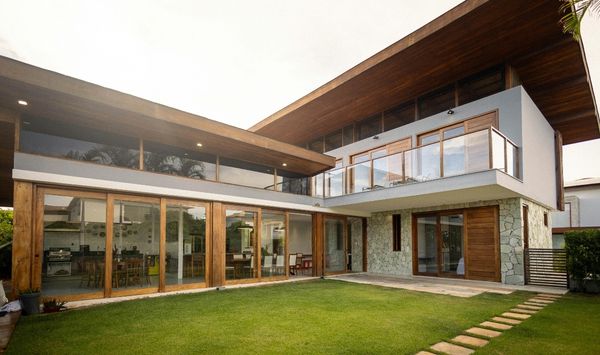
Is a detached ADU or attached ADU better for the environment?
There is no one size fits all answer. The better environmental choice depends on the property and the use case.
When an attached ADU may be the greener option
An attached ADU can be more efficient when it shares a wall with the main home, preserves more open yard area, and reduces the need for new trenching or utility runs. It can also be a smart fit for family use where proximity matters.
When a detached ADU makes sense
A detached ADU may be the better option when privacy is important, when the lot allows low impact placement, or when the homeowner wants a true second home feel. On the right property, a detached ADU can still be an environmentally responsible choice, especially when the footprint is compact and the site plan protects trees, drainage, and usable yard space.
This is why the best ADU solutions begin with feasibility, not assumptions.
If you are weighing a detached ADU versus an attached ADU, book a consultation to compare layout options, utility planning, and the most practical path for your property.
What Connecticut homeowners should think about before building
Connecticut homeowners often ask whether an ADU will fit their lot, their family goals, and their town requirements. Those are the right questions.
A sustainable ADU project should account for:
local zoning and setbacks
septic or sewer capacity
utility access
tree preservation
drainage and grading
driveway and construction access
how the ADU will be used five to ten years from now
This matters because the most successful ADU homes are not only efficient on paper. They are practical to permit, comfortable to live in, and flexible enough to stay useful over time.
For some properties, the best fit is a compact attached unit. For others, a detached backyard ADU may create better privacy, better circulation, and stronger long term value.
If you are still exploring options, browse our Knowledge Center for more guidance on ADU planning, design, and real world use cases.
Final answer: Are ADUs good for the environment?
Yes, ADUs can be good for the environment when they are designed and built thoughtfully.
A well planned accessory dwelling unit can support sustainable housing by using less land, requiring fewer materials, and operating more efficiently than a larger home. It can also support multigenerational living, reduce the pressure for outward development, and make better use of an existing residential property.
That said, the environmental outcome depends on the details. Site planning, energy performance, water efficiency, tree preservation, and right sized design all matter.
For Connecticut homeowners, the best next step is not guessing. It is getting a clear feasibility review and a plan that fits your lot, your goals, and your long term budget.
Want to explore the best ADU solutions for your property? Schedule a consultation to review feasibility, layout ideas, and the next steps for building an energy-conscious ADU in Connecticut.
FAQ
Are ADUs energy-efficient?
They can be. A smaller home often has lower heating and cooling demand, especially when paired with insulation, air sealing, efficient windows, and right sized HVAC equipment.
Do ADUs help reduce urban sprawl?
They can. Because ADUs add housing within existing neighborhoods, they can support more efficient land use and reduce pressure to develop untouched land farther out.
Is an attached ADU more efficient than a detached ADU?
Sometimes. An attached ADU can reduce land disturbance and utility complexity, but the right answer depends on your lot, your layout, and how the space will be used.
Can a detached ADU still be sustainable?
Yes. A detached ADU can still be a strong environmental option if it is compact, well insulated, carefully sited, and designed to preserve drainage, shade, and usable outdoor space.
What is the most sustainable ADU size?
The most sustainable size is usually the smallest one that still supports comfortable daily living. A right sized floor plan often outperforms a larger layout that adds unnecessary square footage.
Should I build an ADU for family or rental use?
Both can work. The best choice depends on your goals, your property, and how flexible you want the space to be over time. Many homeowners choose layouts that support family use now and rental use later.

Copyright 2026. All rights reserved. Norwalk, CT
Connecticut's New Home Construction Contractor License: #NHC.0017654
EPA Lead-Safe Certified NAT-F269966-1