



















Knowledge Center: Your Go-To Resource for ADUs and Tiny Living
Knowledge Center: Your Go-To Resource for ADUs and Tiny Living
Email [email protected]
Phone 860-TINY-HOM (es)

Do Tiny Homes Attract Insects and Pests? What Homeowners Should Know
Tiny homes are appealing for a reason. They offer simpler living, lower maintenance, and a smarter use of space. For many homeowners, they also create flexibility for family living, guest space, rental use, or a private backyard living space.
But one question comes up often: do tiny homes attract insects and pests more than traditional houses?
The honest answer is no. A tiny home does not automatically attract bugs, rodents, or other pests. What it can do is make small issues easier to notice and faster to spread. In a compact layout, crumbs, moisture, clutter, and tiny openings around doors, plumbing, or utility lines can turn into a pest problem more quickly than they would in a larger house.
That is why tiny home pest control is less about reacting after an infestation and more about prevention from the start.
If you are planning a tiny home, backyard cottage, in law suite, or accessory dwelling unit, it helps to understand what attracts pests, what warning signs to watch for, and how to keep your space clean, dry, and protected year round.
Why Pest Problems Can Feel Bigger in a Tiny Home
A tiny home can be easier to clean, but it also gives pests less distance between food, water, storage, and sleeping areas. In a traditional home, a minor issue might stay hidden in a basement, attic, or unused room for a while. In a tiny house, every inch matters.
Here is why tiny house pest control needs a proactive approach:
1. Small gaps become major entry points
Tiny homes often include tight framing details, compact utility penetrations, vent openings, and narrow transitions around doors and windows. Even a very small gap can become an easy entry point for ants, spiders, pantry pests, and mice.
2. Moisture builds up faster in compact spaces
Steam from cooking, showering, and daily living can collect quickly in a small home. That extra humidity can attract moisture loving pests and create the exact environment many insects prefer.
3. Food is closer to everything
In many tiny homes, the kitchen is only a few steps away from storage, seating, and sleeping areas. If food is left out, crumbs collect, or trash is not removed regularly, pests can settle in faster.
4. Outdoor exposure is often higher
Many tiny homes, detached ADUs, and backyard cottages are placed near gardens, wooded areas, lawns, or open yard space. That can increase exposure to seasonal insect activity and rodents looking for warmth and shelter.
Common Pests in Tiny Homes
If you are wondering about the common pests in tiny homes, these are usually the first ones homeowners notice:
Ants
Ants are drawn to sugar, food residue, and moisture. In a small kitchen, even a damp sink area or a few crumbs on the counter can attract them.
Spiders
Spiders usually follow other insects. If small bugs are entering the home, spiders often show up next.
Cockroaches
Roaches are attracted to moisture, dark hiding spots, food particles, and cardboard. A leak under a sink or behind an appliance can become a bigger issue in a small space.
Pantry pests
Open flour, grains, cereal, snacks, and pet food can attract pantry moths and beetles. Because storage is limited in a tiny house, sealed containers matter even more.
Silverfish and other moisture pests
These pests thrive in damp environments and are often linked to poor ventilation, hidden humidity, and condensation.
Mice and other rodents
Rodents look for warmth, shelter, and food. A tiny gap near plumbing, skirting, or the base of the structure can be enough for them to enter.
What Attracts Bugs and Rodents to a Tiny Home?
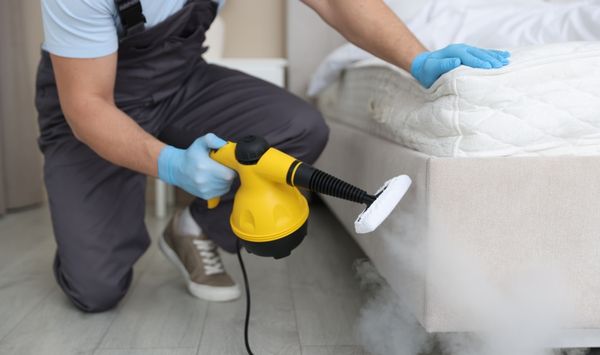
If you want to know how to keep bugs out of a tiny house, start by understanding what attracts them in the first place.
Food sources
Unsealed pantry items, pet food, grease, crumbs, and overflowing trash bins are some of the most common reasons pests move indoors.
Water and humidity
Leaks, condensation, poor ventilation, damp cabinets, and standing water around the structure can make a compact home much more attractive to pests.
Clutter and hidden storage
Tiny homes rely on creative storage, but crowded corners, cardboard boxes, and neglected under bed compartments can become hiding spots.
Gaps and access points
Openings around doors, windows, plumbing lines, vents, utility entries, skirting, and foundation transitions can give pests an easy route indoors.
Landscaping and exterior conditions
Firewood stacked too close to the home, overgrown vegetation, clogged gutters, and poor drainage can all increase pest pressure.
Tiny Home Pest Control Tips That Actually Work
The best tiny home pest control strategy combines prevention, inspection, and fast action. These steps make the biggest difference.
Seal every entry point
Inspect around doors, windows, vent covers, plumbing penetrations, utility lines, and the base of the home. Use the right sealant for each opening and replace worn weatherstripping when needed.
Control moisture every day
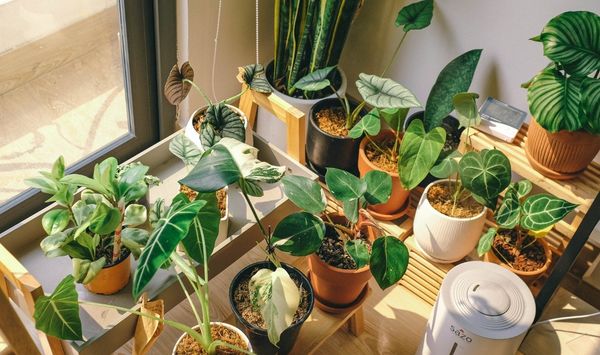
Use exhaust fans, crack windows when appropriate, and watch for condensation near showers, sinks, and windows. In humid seasons, a dehumidifier can help keep the interior drier.
Store food in airtight containers
This is one of the easiest ways to improve tiny house pest control. Dry goods, snacks, baking ingredients, and pet food should stay sealed.
Clean high risk areas often
Wipe down counters, sweep floors, vacuum corners, and clean under appliances. In a small home, small messes do not stay small for long.
Take trash out regularly
Do not let food waste sit indoors. Use a lidded trash can and clean the inside of the bin on a routine basis.
Check the outside of the home
Look for drainage issues, standing water, damaged skirting, foundation gaps, and vegetation touching the structure.
Inspect storage zones
Closets, under bed storage, drawers, and utility compartments should be checked often for chew marks, droppings, webbing, or unusual odors.
Natural and Eco Friendly Pest Control for Tiny Homes
Many homeowners prefer eco friendly pest control options, especially in a compact home where air quality and surface exposure matter.
A smart place to start is a prevention first approach:
Use sticky monitors or traps to catch activity early
Keep indoor humidity under control
Clean spills and crumbs quickly
Remove cardboard and fabric clutter that gives pests cover
Use targeted baits or traps when needed instead of overusing sprays
Natural deterrents like vinegar based cleaning, essential oils, or diatomaceous earth may help in some situations, but they work best when paired with sealing, sanitation, and moisture control. If pests keep returning, the root issue is usually structural or environmental.
Pest Prevention During the Design and Build Stage
The smartest time to think about pest prevention is before the home is finished.
If you are building a backyard cottage, in law suite, detached ADU, attached ADU, or tiny home style accessory dwelling unit, pest prevention should be part of the design conversation from day one.
That includes:
Tight sealing around all utility penetrations
Proper ventilation in kitchens and bathrooms
Moisture control details around the roof, siding, and base of the home
Durable skirting or foundation protection where applicable
Site drainage that moves water away from the structure
Smart placement away from heavy brush, unmanaged wood piles, or standing water
This matters whether you are comparing a detached ADU for more privacy or an attached ADU that connects to the main home. A well designed small home should not just look good. It should also be easier to maintain, monitor, and protect.
Want to know whether your property is a fit for a tiny home style ADU, backyard cottage, or in law suite? Schedule a consultation to review feasibility, layout options, and next steps for your Connecticut home.
Signs You May Already Have a Pest Problem
Catching a pest issue early makes treatment easier and less disruptive.
Watch for signs like:
Droppings in drawers or cabinets
Chewed packaging or materials
Webbing in corners or pantry storage
Musty or unusual odors
Scratching sounds in walls or beneath flooring
Small insects gathering near windows, sinks, or food storage
If you notice repeated activity, do not wait too long. Pest issues in a tiny home can spread quickly because the living space is so compact.
When to Call a Professional
Some pest problems can be handled with sealing, cleaning, and targeted traps. But it is time to call a professional if:
You keep seeing pests after basic prevention steps
You suspect mice, roaches, or termites
Moisture damage is leading to repeat infestations
You want a safer treatment plan for a compact living space
A professional can help identify the true source of the issue, which is often more valuable than simply treating the visible symptoms.
Why This Matters for Connecticut Homeowners Planning an ADU
For Connecticut homeowners, a small home is often more than a trend. It can be a flexible solution for family living, guest space, downsizing, or long term rental use. That is why pest prevention should be part of the bigger planning process, not an afterthought.
When a tiny home ADU is designed with strong ventilation, good drainage, proper sealing, and smart site placement, it becomes easier to maintain and more comfortable to live in over the long term. That kind of planning matters whether you are exploring a detached backyard unit, a connected in law suite, or a custom backyard living space.
If you are still comparing options, this is a good time to look at layout choices, site fit, and the difference between detached ADU and attached ADU designs before you build.
Final Thoughts
So, do tiny homes attract insects and pests? Not by default. But because these homes are compact, efficient, and often placed closer to outdoor elements, pest prevention needs to be part of the plan from the beginning.
The good news is that a well built, well maintained tiny home can absolutely stay clean, comfortable, and pest resistant. The key is staying ahead of the issue with smart design, regular maintenance, and simple daily habits.
If you are exploring a tiny home, backyard cottage, or accessory dwelling unit in Connecticut, the right planning process helps you think beyond layout and finishes. It helps you build a space that is easier to protect, easier to maintain, and better suited for long term living.
Ready to explore your options? Book a consultation to talk through property fit, layout direction, or see our latest project.
FAQs
Are tiny homes more prone to pest infestations than regular houses?
Not automatically. But because tiny homes have less separation between kitchen, storage, and living areas, pest issues can become noticeable faster if food, moisture, and entry points are not managed well.
What is the best tiny home pest control method?
The best approach is prevention first. Seal gaps, store food in airtight containers, reduce humidity, clean often, and inspect both the inside and outside of the home regularly.
How do I keep mice out of a tiny house?
Start by sealing openings around plumbing, skirting, vents, doors, and utility lines. Then reduce food access, remove clutter, and monitor for droppings or chew marks.
Can eco friendly pest control work in a tiny home?
Yes. Low toxicity treatments and natural deterrents can help, especially when combined with sanitation, sealing, and moisture control.
Should pest prevention be part of the building process?
Absolutely. If you are planning a tiny home ADU, detached ADU, attached ADU, or in law suite, details like drainage, ventilation, sealing, and exterior clearance can make a major difference over time.


Copyright 2026. All rights reserved. Norwalk, CT
Connecticut's New Home Construction Contractor License: #NHC.0017654
EPA Lead-Safe Certified NAT-F269966-1