

















Knowledge Center: Your Go-To Resource for ADUs and Tiny Living
Knowledge Center: Your Go-To Resource for ADUs and Tiny Living
Email [email protected]
Phone 860-TINY-HOM (es)
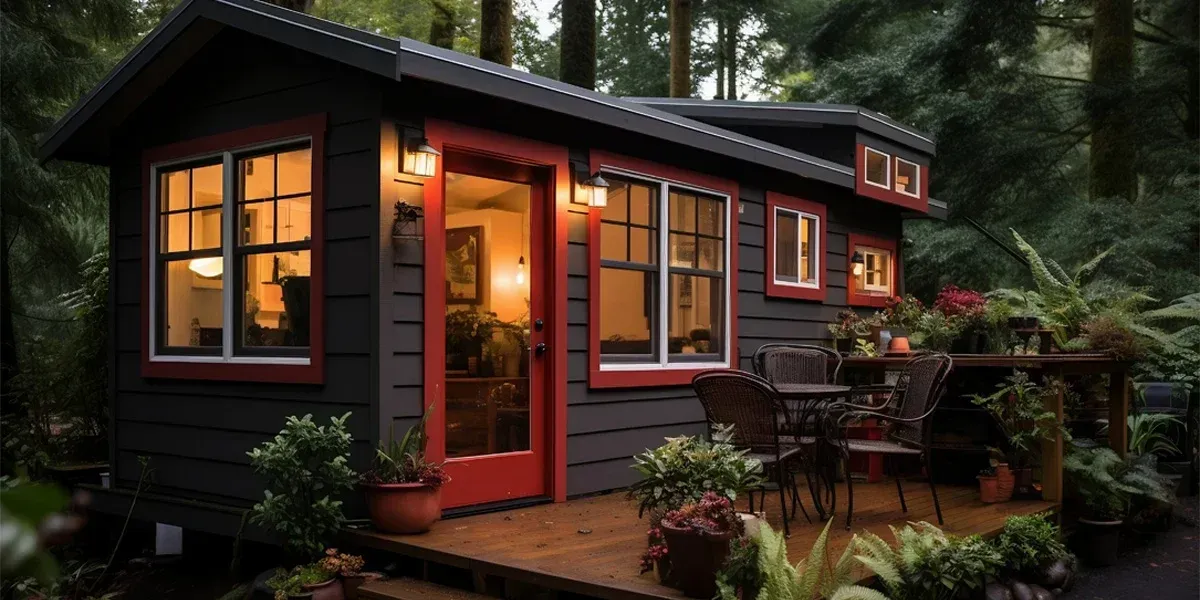
Can You Live in a Tiny Home Year Round in Connecticut?
Yes, you can live in a tiny home year round, but only if the home is designed for full-time living, built to handle your climate, and allowed under local zoning and building rules. For many homeowners, the better question is not just can you live in a tiny home year round, but whether that tiny home works best as a backyard living space, in-law suite, or accessory dwelling unit on your property.
If you are exploring year-round tiny home living in Connecticut, it is important to look beyond the lifestyle appeal. A home that feels great for a weekend getaway may not work well for full-time tiny home living unless it has the right insulation, utilities, storage, ventilation, and legal setup.
This guide breaks down the real benefits, challenges, and planning steps so you can decide whether living in a tiny home year round is the right fit.
Quick Answer: Can You Live in a Tiny Home Year Round?
You can live in a tiny home year round if five things are true:
Your town allows it under local zoning and building rules.
The home is built for four-season comfort.
You have reliable water, power, heating, cooling, and waste management.
The layout supports everyday living, not just short stays.
You are comfortable with the storage, privacy, and lifestyle tradeoffs of a smaller space.
For many Connecticut homeowners, the most practical path is planning a tiny home as an ADU, tiny home ADU, or backyard cottage rather than treating it like a temporary structure.
Benefits of Living in a Tiny Home Year Round
Lower housing and maintenance costs
One of the biggest reasons people choose tiny house living is cost control. A smaller home usually means lower utility use, less maintenance, and fewer materials to repair or replace over time. For homeowners who want to simplify, full-time tiny home living can reduce both financial pressure and daily upkeep.
Simpler lifestyle with less clutter
Living in a tiny home year round pushes you to be more intentional about what you own. With less room for excess, many people find that year-round tiny home living creates a cleaner, simpler routine that feels easier to manage.
Better use of your property
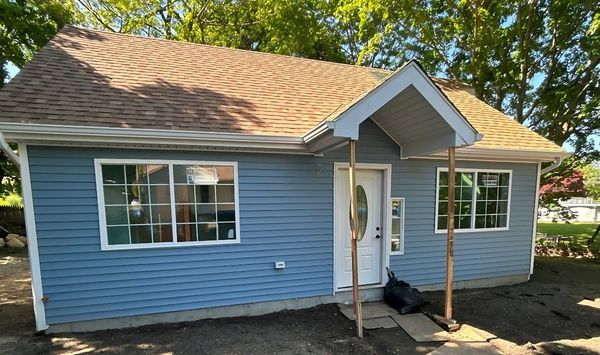
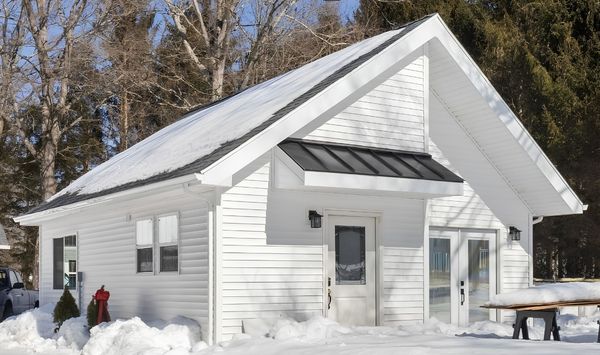
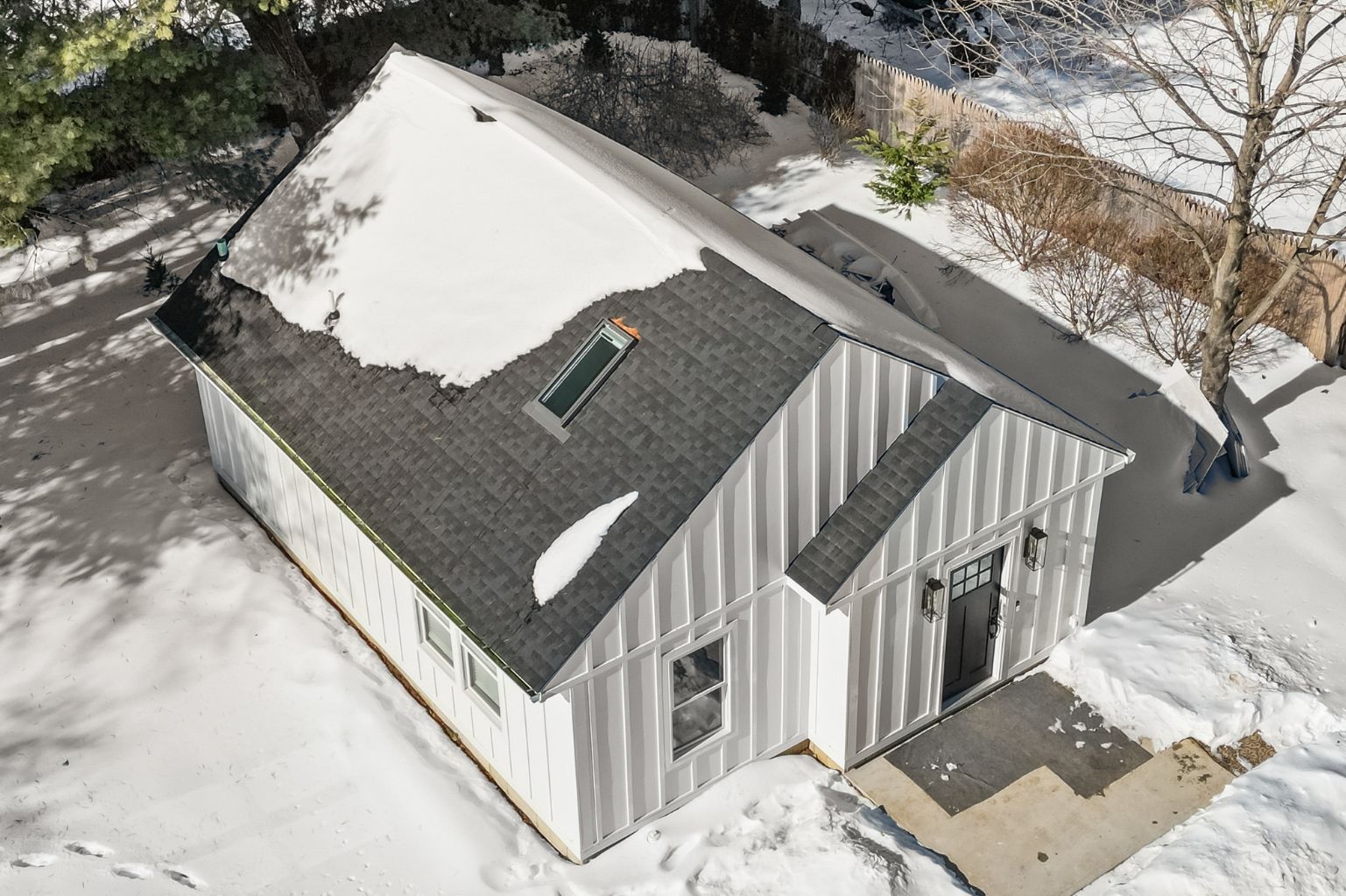
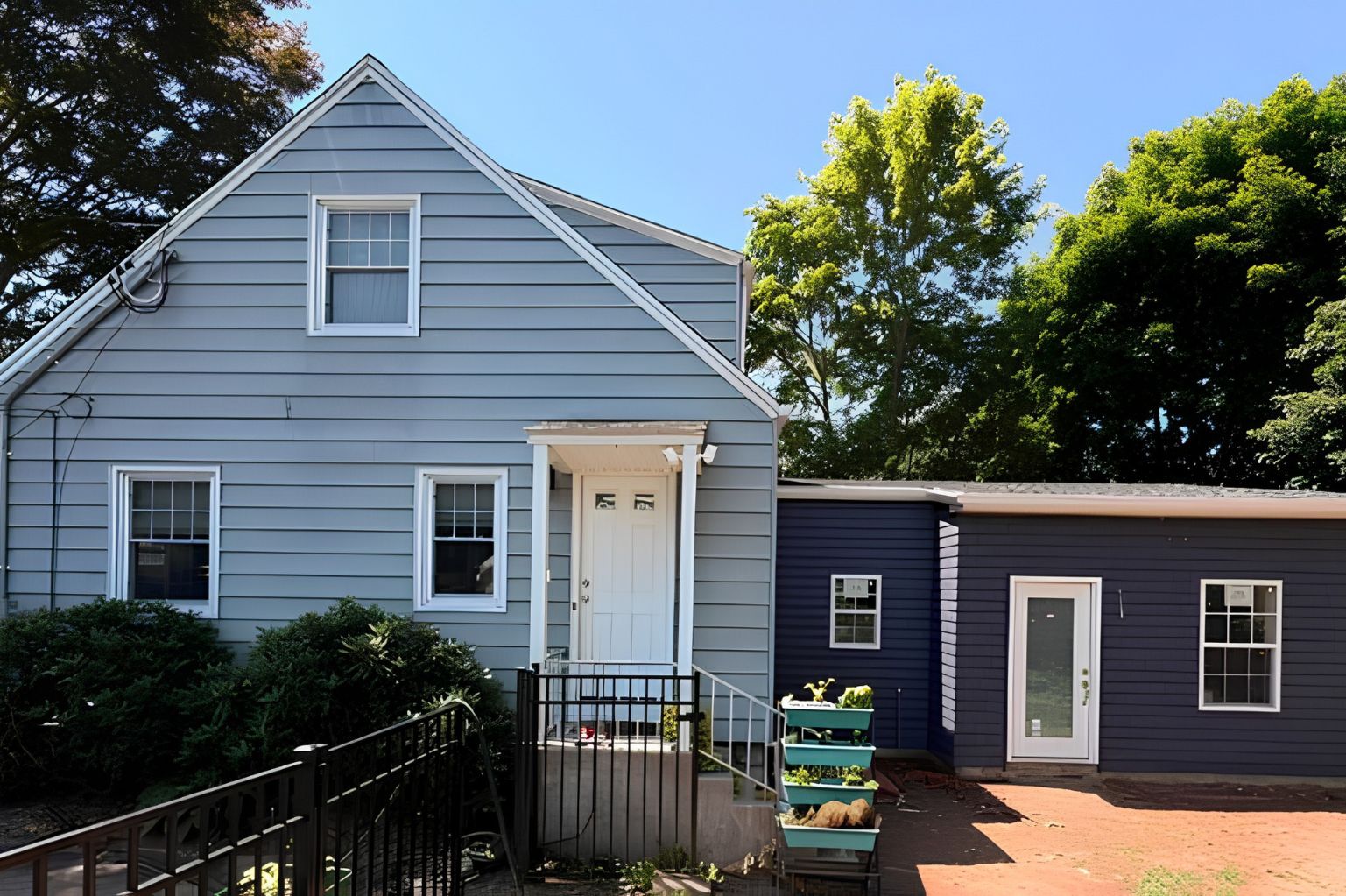
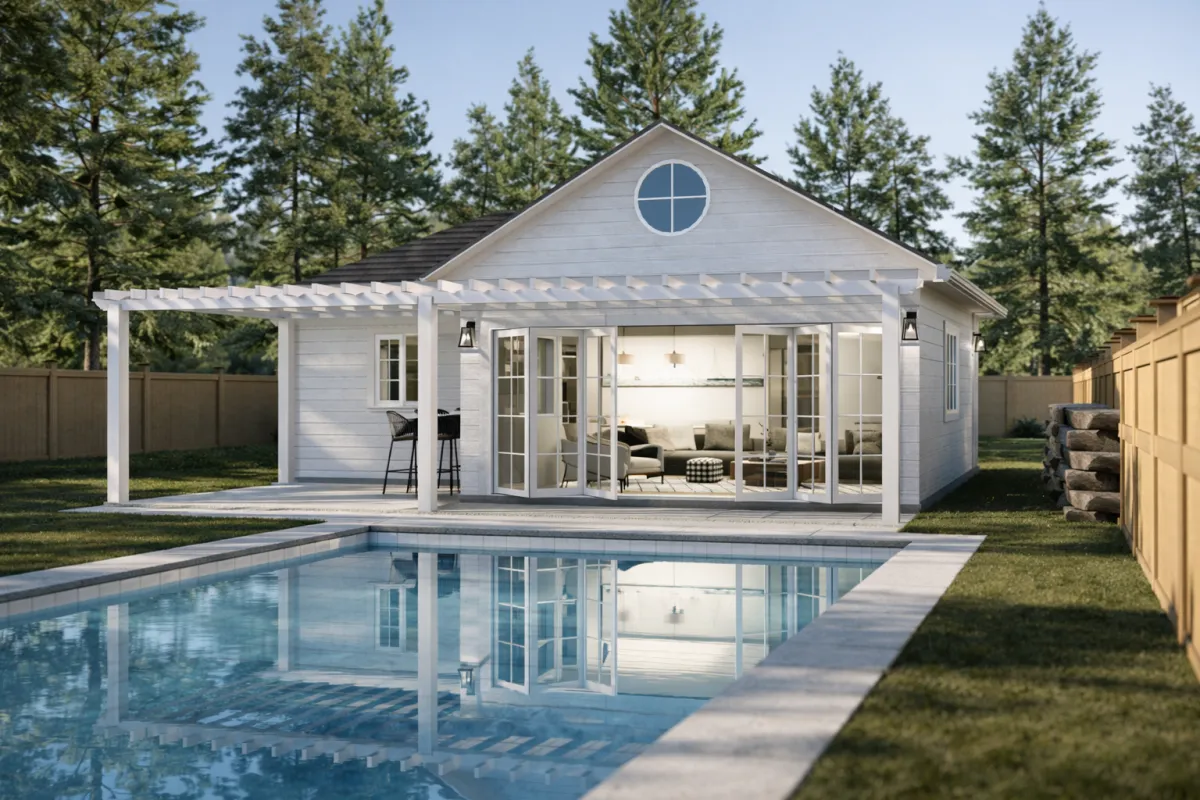
For property owners, a tiny home can create flexible living space without buying another house. Depending on your goals, that space may function as a backyard living space, in-law suite, backyard cottage, or accessory dwelling unit for family, guests, or rental income.
Strong fit for multigenerational living
A tiny home can be a smart way to keep family close while preserving privacy. That is why many homeowners look at a tiny home as an in-law suite or tiny house ADU rather than a stand-alone lifestyle experiment.
Challenges of Full-Time Tiny Home Living
Space limitations and storage pressure
The most obvious challenge is space. When you live in a tiny home year round, every item needs a purpose and a place. Without smart storage, daily life can feel cramped fast. This is where built-ins, vertical storage, and multifunctional furniture become essential.
Privacy and noise concerns
Tiny homes have less separation between rooms and less acoustic privacy. If more than one person lives there full time, sound and personal space can become daily friction points.
Climate control can be harder than expected
A weekend tiny home setup is not always enough for full-time comfort. Tiny home insulation, air sealing, ventilation, and moisture control matter much more when you plan to live there through summer heat, winter cold, and seasonal humidity.
Legal and zoning complexity
One of the biggest search questions today is can you legally live in a tiny home full time. The answer depends on your town, your lot, the type of structure, and how the home is classified. In many areas, tiny home zoning laws and building rules are the deciding factor, not personal preference.
Legal and Zoning Factors to Check First
Is the tiny home allowed where you live?
Before you focus on finishes or floor plans, verify whether your property can legally support a small secondary home. In many cases, homeowners achieve legal full-time use by building an accessory dwelling unit rather than relying on a vague tiny house classification.
How Connecticut homeowners should think about it
In Connecticut, many homeowners explore year-round tiny living through a Connecticut ADU strategy. That may mean creating a detached backyard cottage, a small home for family, or an in-law suite designed for full-time occupancy. Even when ADUs are generally allowed, town-specific rules still matter, including setbacks, lot coverage, utilities, size limits, design standards, and permitting.
Questions to answer before moving forward
Is a detached ADU or backyard cottage allowed on your lot?
Are there minimum or maximum size rules?
Will you need septic, sewer, water, or electrical upgrades?
Is owner occupancy required?
Can the unit be used for family, rental income, or both?
What approvals, permits, or site plans are needed?
Climate and Four-Season Living Requirements
Tiny home insulation matters more than most people expect
If your goal is living in a tiny home year round, insulation is not optional. Good tiny house insulation helps regulate temperature, lower energy use, and improve comfort in every season. You also need proper air sealing, quality windows, and ventilation to manage moisture and condensation.
Heating and cooling for everyday comfort
A year-round tiny home should have a heating and cooling plan built for full-time use. The exact setup depends on your climate and utility access, but the key is designing for daily comfort instead of occasional occupancy.
Weatherproofing and durability
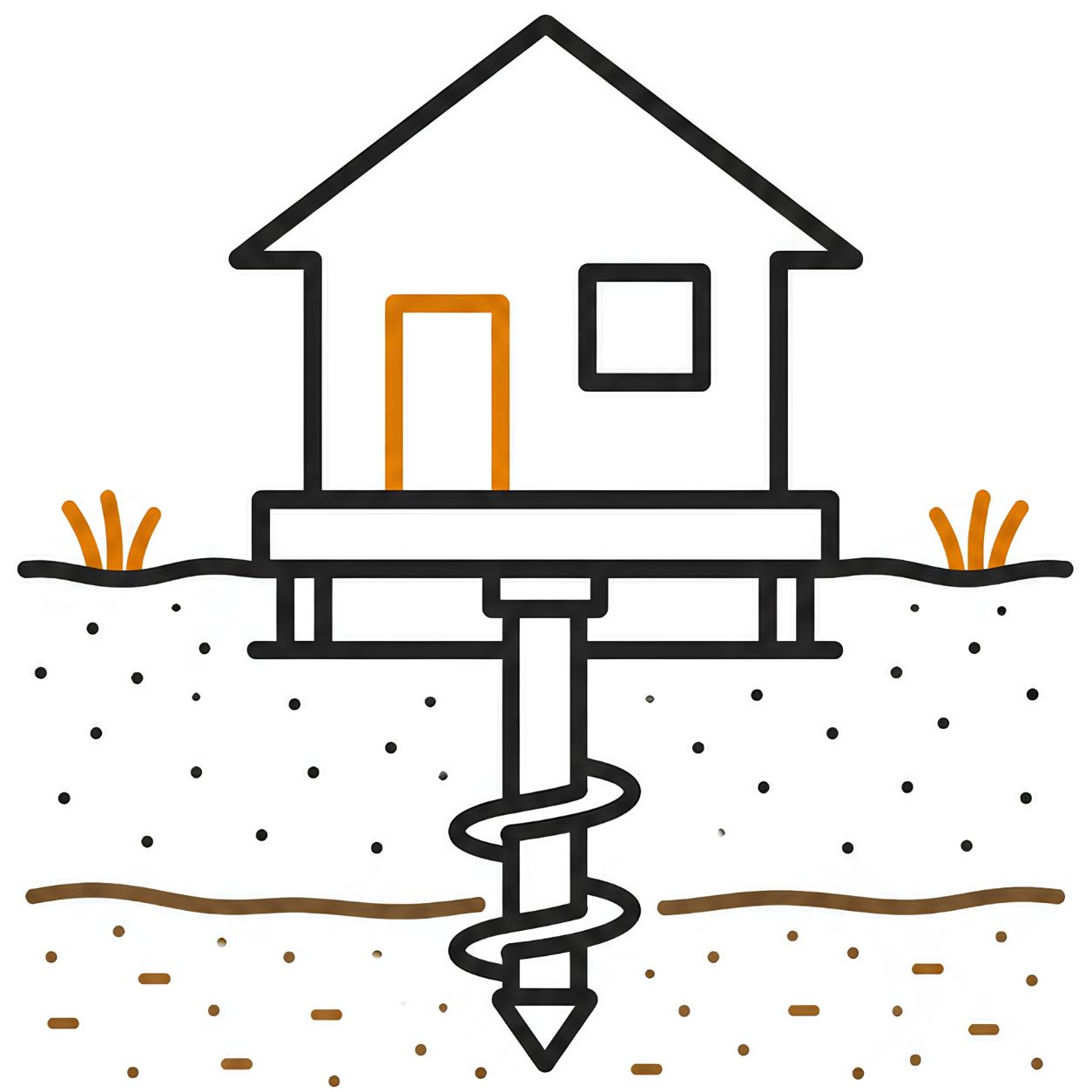
Rain, snow, wind, humidity, and freeze-thaw cycles can put stress on a small structure. Durable exterior materials, a solid foundation strategy, and proper drainage all matter if you want a tiny home that performs well long term.
Design Strategies That Make Tiny Homes Livable Full Time
Multifunctional furniture and built-in storage
The best tiny home ADU layouts make every square foot work harder. Storage under stairs, built-in seating, wall storage, and furniture with dual purposes can make a dramatic difference in how the space feels.
Layouts designed for real life
A tiny home that works year round needs more than a pretty open floor plan. It needs enough kitchen function, bathroom comfort, circulation space, and separation between sleep, work, and living zones.
Accessibility matters for long-term use
For older adults or multigenerational households, a tiny home should be planned with long-term comfort in mind. A one-level layout, wider doorways, low-threshold entries, and a well-designed bathroom can make a small home much more practical as an in-law suite or backyard living space.
Utilities and Off-Grid Considerations
Reliable utilities are essential for full-time use
To live in a tiny home full time, you need a dependable plan for power, water, heating, cooling, hot water, and waste management. That can be through standard utility connections, off-grid systems, or a mix of both.
Off-grid living takes more planning
Some homeowners are drawn to solar power, composting toilets, and water conservation systems. Those features can support sustainability, but they still need to align with local rules and your daily living needs. Off-grid systems should be treated as a serious infrastructure decision, not just a lifestyle add-on.
Is a Tiny Home Better for Seasonal Use or Full-Time Living?
A seasonal tiny home can succeed with lighter infrastructure because it is used occasionally. A full-time tiny home needs stronger planning in every area, including layout, insulation, storage, weatherproofing, utility reliability, and legal compliance.
If you only want a weekend retreat, your requirements may be lower. If you want a home for daily living, aging in place, family housing, or rental income, you need a more durable and legally sound setup.
Who Is a Good Fit for Year-Round Tiny Home Living?
Living in a tiny home year round can be a strong fit for:
Homeowners creating a private space for parents or adult children
People downsizing into a smaller, easier-to-maintain home
Families planning a flexible backyard cottage or in-law suite
Homeowners exploring a legal ADU for family use or rental income
Buyers who value simplicity, efficiency, and intentional living
It may be a weaker fit for people who need a lot of storage, frequent entertaining space, or strong separation between work and home life.
Final Thoughts
So, can you live in a tiny home year round?
Yes, but successful year-round tiny home living depends on much more than square footage. You need the right legal path, the right climate strategy, the right utility plan, and a layout that supports real daily life.
For many Connecticut homeowners, the strongest solution is not just a tiny house. It is a thoughtfully planned accessory dwelling unit, tiny house ADU, or backyard living space that is designed for full-time comfort and built to fit local requirements.
Thinking about a tiny home, in-law suite, or backyard cottage in Connecticut? Start with property feasibility first. The right plan can help you understand zoning, setbacks, utilities, and whether your lot is a fit for a full-time accessory dwelling unit.
FAQ
Can I legally live in a tiny home year round?
Sometimes, yes. Legal year-round living depends on local zoning, building rules, utility access, and how the structure is classified. In many cases, homeowners have a clearer path when the project is planned as an accessory dwelling unit or legal ADU instead of an undefined tiny house.
What are the biggest challenges of full-time tiny home living?
The main challenges are storage, privacy, climate control, moisture management, and legal compliance. A tiny home that works well year round usually needs better design and infrastructure than one used only occasionally.
How do I make a tiny home comfortable in every season?
Focus on tiny home insulation, air sealing, ventilation, quality windows, durable materials, and reliable heating and cooling. Full-time comfort depends on how well the home is designed for your climate.
Is a tiny home the same as an ADU?
Not always. A tiny home describes the size and style of the structure. An ADU describes how the home functions legally on a property. In many cases, a tiny home can be used as a tiny home ADU if it meets local requirements.
Is year-round tiny home living a good option for family use?
Yes, especially when the home is designed as an in-law suite, backyard cottage, or separate family living space. This setup can support privacy, independence, and multigenerational living while making better use of your property.


Copyright 2026. All rights reserved. Norwalk, CT
Connecticut's New Home Construction Contractor License: #NHC.0017654
EPA Lead-Safe Certified NAT-F269966-1