


















Knowledge Center: Your Go-To Resource for ADUs and Tiny Living
Knowledge Center: Your Go-To Resource for ADUs and Tiny Living
Email [email protected]
Phone 860-TINY-HOM (es)
Are Tiny Homes and ADUs Comfortable to Live In? A Connecticut Homeowner’s Guide
Living in a tiny home or accessory dwelling unit can absolutely be comfortable when the space is designed around real daily life, not just square footage. For many Connecticut homeowners, the question is not whether a small home can look good. The real question is whether a tiny home or ADU can feel practical, private, and easy to live in through every season.
The answer depends on layout, storage, insulation, natural light, and how the space will actually be used. A well planned accessory dwelling unit can feel open, efficient, and calm. A poorly planned one can feel cramped fast. That is why comfort in small space living comes down to smart design choices from the start.
In this guide, we will look at what makes tiny homes and ADUs comfortable, where challenges come from, and how Connecticut homeowners can decide whether an attached ADU, detached ADU, or other small living solution fits their property and lifestyle.
What Comfort Really Means in a Tiny Home or ADU
Comfort in a tiny home or ADU is about more than fitting a bed, kitchen, and bathroom into a smaller footprint. A comfortable space supports how people actually live every day. That includes moving easily from room to room, storing essentials without clutter, getting enough daylight, keeping indoor temperatures stable, and having enough privacy for rest and routine.
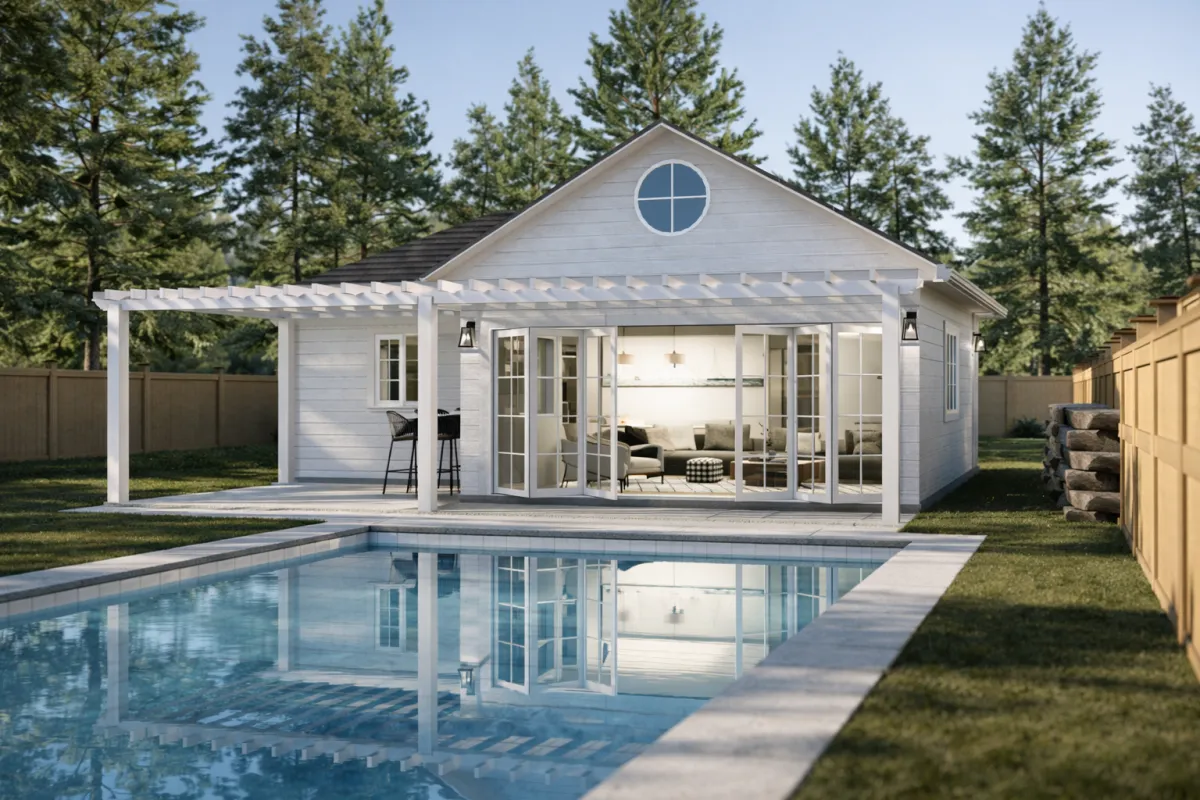
That is one reason ADU design matters so much. Whether you are planning a backyard cottage, in law suite, guest house, or multigenerational living space, the best small homes are designed around flow and function. In many cases, an accessory dwelling unit feels more comfortable than homeowners expect because every area is intentionally planned.
Design Considerations That Make Small Spaces Feel Bigger
1. Layout and floor plan come first
The most comfortable tiny homes and ADUs start with a layout that eliminates wasted space. Open living areas, clear walking paths, and logical placement of the kitchen, bathroom, and sleeping areas make the home easier to use. In a compact footprint, even a few extra inches in the right place can improve daily comfort.
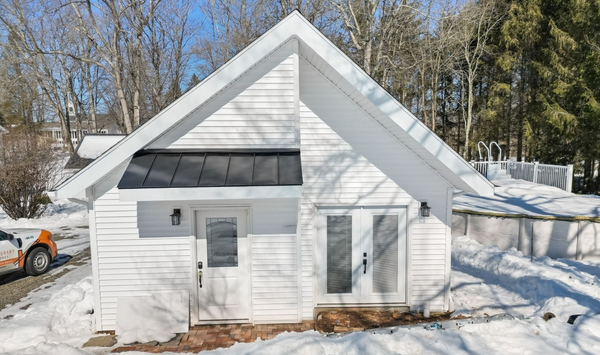
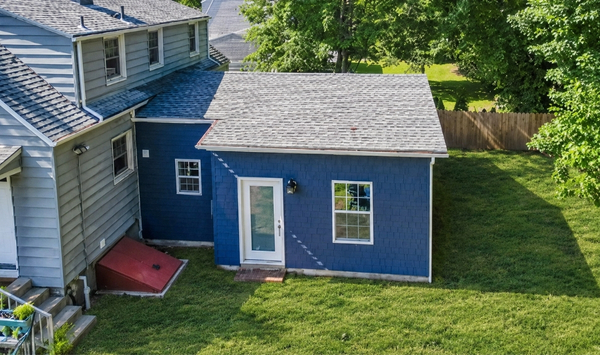
For example, an attached ADU may work well when you want easier access to the main home, while a detached ADU often gives more separation and privacy. Neither is automatically better. The best option depends on the lot, the resident, and the intended use.
2. Natural light changes everything
Natural light is one of the biggest factors in tiny home comfort. Well placed windows, glass doors, and higher ceilings can make a compact home feel brighter and more open. This is especially important in small space living, where dark corners can make a room feel smaller than it is.
3. Ventilation and airflow matter year round
Fresh air and steady airflow help small homes feel healthier and more comfortable. Good window placement, ceiling fans, and efficient HVAC planning can make a major difference in how a tiny home or accessory dwelling unit feels in both summer and winter.
4. Visual simplicity creates calm
Comfort is not only physical. It is also visual. Clean sightlines, uncluttered finishes, and built in storage help a tiny home feel calm instead of crowded. A smaller home often feels better when every element has a purpose.
How Smart Storage Improves Everyday Living
One of the biggest reasons a tiny home or ADU feels comfortable or uncomfortable is storage. Without the right storage plan, clutter builds quickly. With the right storage plan, the same square footage can feel organized and easy to live in.
The most effective small space living strategies usually include:
built in shelving and cabinets
under bed storage
multifunctional furniture
vertical storage that uses wall height well
storage benches, entry nooks, and flexible closet space
These choices are especially useful for homeowners comparing tiny home models or planning a Connecticut ADU for full time living. Storage should support the actual resident, whether that means room for seasonal clothing, mobility aids, work from home equipment, or family essentials.
Are Tiny Homes and ADUs Comfortable for Daily Life?
Yes, when the home is designed for the person living in it.
A tiny home or accessory dwelling unit can support full time daily life with a functional kitchen, private bathroom, sleeping space, living area, laundry options, and strong climate control. The key is making sure the design matches the lifestyle.
For example:
A family ADU may need more privacy, more storage, and a more defined sleeping area.
A guest house may focus more on flexibility and short stay comfort.
A rental focused ADU may need a layout that appeals to a wider range of tenants.
A personal retreat or home office may prioritize quiet, natural light, and separation from the main home.
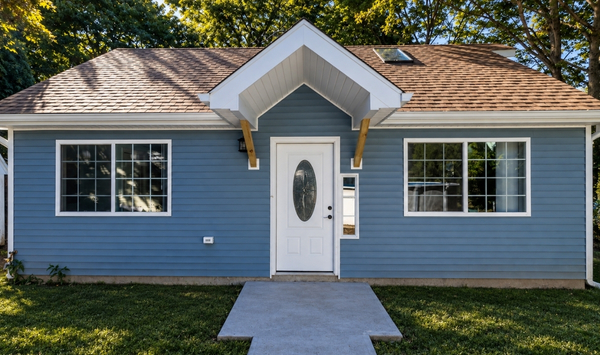
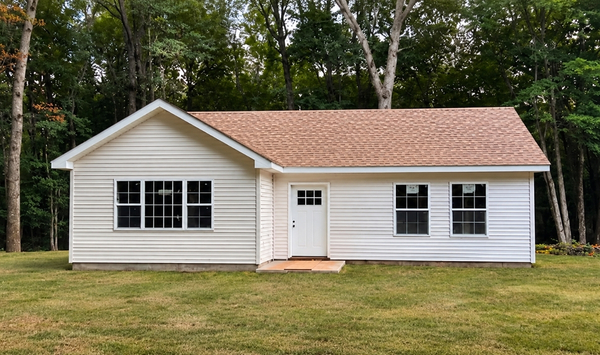
This is where many Connecticut homeowners benefit from reviewing ADU models early. Looking at real layouts helps clarify whether a studio, one bedroom, or two bedroom design will feel right over time. It also helps to compare attached and detached layouts and look at a completed Guilford project to see how comfort, privacy, and flow come together in a real build.
If you want to know whether your property is a fit for a comfortable ADU layout, schedule a consultation to review feasibility, privacy, design options, and next steps for your Connecticut home.
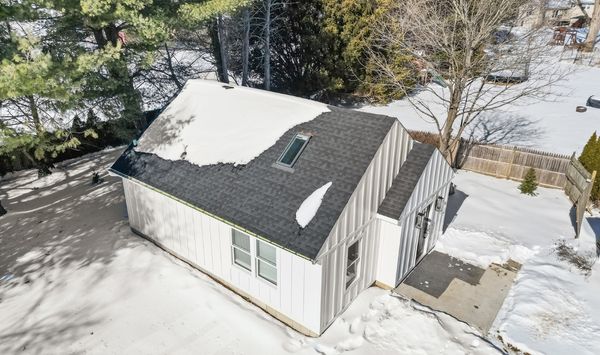
Attached ADU vs Detached ADU: Which One Feels More Comfortable?
This comes down to the type of comfort you value most.
An attached ADU can feel more connected and convenient. It may be a strong option for aging parents, caregiver support, or homeowners who want closer access between the primary home and the secondary living space. It can also be a practical way to expand your home while keeping utilities and access more centralized.
A detached ADU usually creates more independence and privacy. That is often appealing for adult children, long term guests, multigenerational living, or future rental income. Because it stands apart from the main home, a detached ADU often feels more like a fully separate residence.
For many homeowners, the most comfortable choice is the one that best matches the person living there. Privacy, lot size, noise, accessibility, yard layout, and long term use all matter.
Small Spaces Can Still Offer Modern Amenities
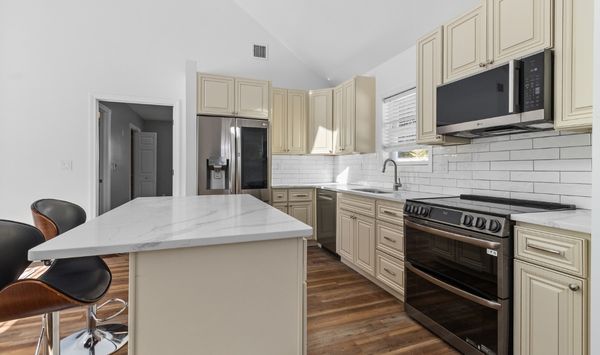
Many people still assume that tiny homes and ADUs are stripped down or inconvenient. In reality, modern ADU design can include the features people care about most, including full kitchens, comfortable bathrooms, efficient laundry setups, heating and cooling systems, quality insulation, and attractive finishes.
That is why comfort is often less about square footage and more about how well the space performs. A smaller, better designed home can feel more livable than a larger space with poor layout and wasted room.
For Connecticut homeowners, year round comfort is especially important. Proper insulation, weatherization, moisture control, and efficient heating and cooling systems play a major role in whether an ADU feels comfortable in every season.
The Psychological Side of Tiny Living
Comfort is also emotional. A well designed tiny home can feel peaceful, efficient, and easier to maintain. Many people enjoy the simplicity of having less space to clean, organize, and manage. Others appreciate the closeness that comes with multigenerational living while still having a separate living area.
At the same time, comfort can suffer when a space lacks privacy or has no room for everyday routines. That is why honest planning matters. Who will live in the home? Full time or part time? Will they need quiet, accessibility, extra storage, or more separation from the main house?
These questions are often more important than the total square footage.

Sustainability and Long Term Value
Tiny homes and ADUs appeal to many homeowners because they can support sustainable living goals. Smaller homes usually require fewer materials, less energy for heating and cooling, and more efficient use of land. An energy-efficient ADU can reduce waste while still creating comfortable living space.
There is also a long term financial angle. A well planned accessory dwelling unit may support multigenerational living, create future rental income opportunities, and strengthen overall property value. That flexibility is one reason more Connecticut homeowners are exploring ADU solutions now.
Want to explore designs that balance comfort, privacy, and long term value? Book a consultation to compare layout options and see what type of ADU makes sense for your property.
Common Challenges and How to Solve Them
Limited space
The solution is not just to make the home smaller. It is to make each area work harder. Open layouts, better storage, and thoughtful furniture choices can solve many common small space frustrations.
Clutter
Clutter is usually a design issue before it becomes a lifestyle issue. Good storage planning, built in cabinetry, and fewer but better furnishings keep the space functional.
Temperature control
Tiny homes and ADUs in Connecticut need proper insulation, weather sealing, and efficient HVAC systems to stay comfortable throughout the year. These are not optional details. They are core comfort features.
Privacy concerns
Privacy can often be improved through better site placement, window positioning, landscaping, separate entrances, and choosing the right attached ADU or detached ADU setup.
Final Thoughts
So, are tiny homes and ADUs comfortable to live in?
Yes, they can be very comfortable when the design matches the resident, the property, and the intended use. The best tiny homes and accessory dwelling units combine smart layout, strong storage, natural light, privacy, and energy efficiency to make small space living feel practical and enjoyable.
For Connecticut homeowners, the smartest first step is not choosing finishes. It is understanding what your lot can support and what type of ADU will feel best long term. A well planned Connecticut ADU can create flexible living space for family, guests, rental use, or future downsizing without sacrificing comfort.
If you are considering an attached ADU, detached ADU, or custom small home, schedule a consultation to review your property, layout options, and the next best step. For more planning ideas, design guidance, and Connecticut ADU education, explore the knowledge center as you compare options.
FAQ
Are tiny homes and ADUs suitable for families with children?
They can be, especially when the layout includes smart storage, defined sleeping areas, and enough daily flexibility. In many cases, two bedroom ADU models or family focused layouts are better suited for households that need more separation.
How do people stay organized in a tiny home or ADU?
The most comfortable small homes rely on built in storage, multifunctional furniture, vertical space, and regular decluttering. Good organization starts with the floor plan, not just storage bins.
Are tiny homes and ADUs comfortable in Connecticut winters?
They can be, as long as the home is built with proper insulation, weatherization, efficient windows, and reliable heating and cooling systems. Seasonal comfort depends heavily on construction quality and design.
Is an attached ADU or detached ADU better for comfort?
It depends on the homeowner’s goals. An attached ADU may feel more convenient and connected, while a detached ADU often gives more privacy and independence.
Can an ADU help with property value or rental income?
In many cases, yes. A well planned accessory dwelling unit can add flexible living space, create long term use options, and support property value depending on location, design quality, and local market demand.


Copyright 2026. All rights reserved. Norwalk, CT
Connecticut's New Home Construction Contractor License: #NHC.0017654
EPA Lead-Safe Certified NAT-F269966-1