



















Knowledge Center: Your Go-To Resource for ADUs and Tiny Living
Knowledge Center: Your Go-To Resource for ADUs and Tiny Living
Email [email protected]
Phone 860-TINY-HOM (es)
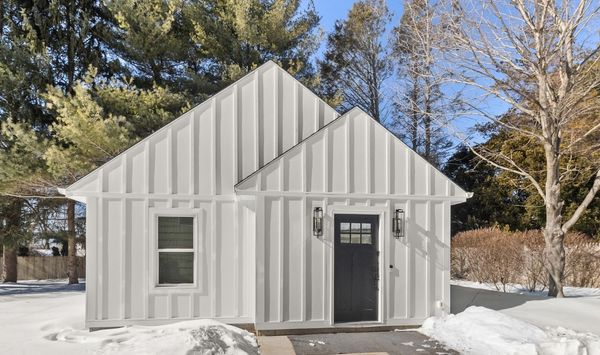
Tiny Homes and Extreme Weather: How Compact Homes Stay Resilient
Tiny homes have gained popularity for their minimalist living approach, but how do these compact accessory dwelling units (ADUs) fare in the face of extreme weather conditions? From scorching heat to freezing cold, tiny homes must be designed and constructed to withstand a variety of environmental challenges.
In this article, we delve into the strategies and solutions employed by owners and builders to ensure that tiny homes can handle the most severe weather conditions.
Explore the design considerations, insulation techniques, heating and cooling systems, and structural integrity enhancements that make tiny homes resilient in the face of nature's extremes.
Introduction to Tiny Homes and Extreme Weather
Tiny homes have become a new housing option for minimalist living and sustainable lifestyles. These compact dwellings typically range from 100 to 400 square feet and are designed to maximize space efficiency.
Despite their charm, tiny homes face unique challenges when it comes to extreme weather conditions. From scorching heat to freezing cold, these compact structures must be well-equipped to handle the elements effectively.
Design Considerations for Extreme Weather Resistance
Compact Design Features
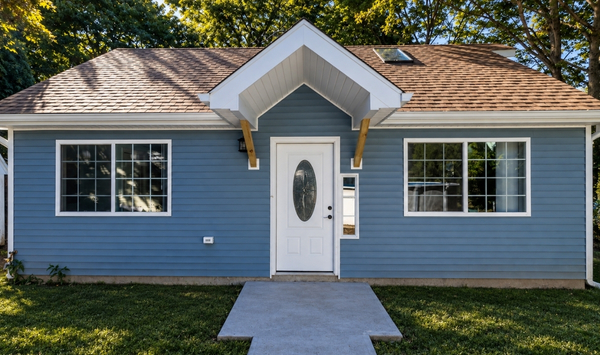
Incorporating smart design features such as sloped roofs, sturdy construction, and strategic placement of windows can help tiny homes withstand extreme weather events like high winds and heavy snow loads.
Material Selection for Weather Resistance
Choosing weather-resistant materials like metal roofing, composite sidings, and high-quality insulation is crucial for protecting tiny homes from moisture, wind, and temperature fluctuations.
Foundation Options for Stability
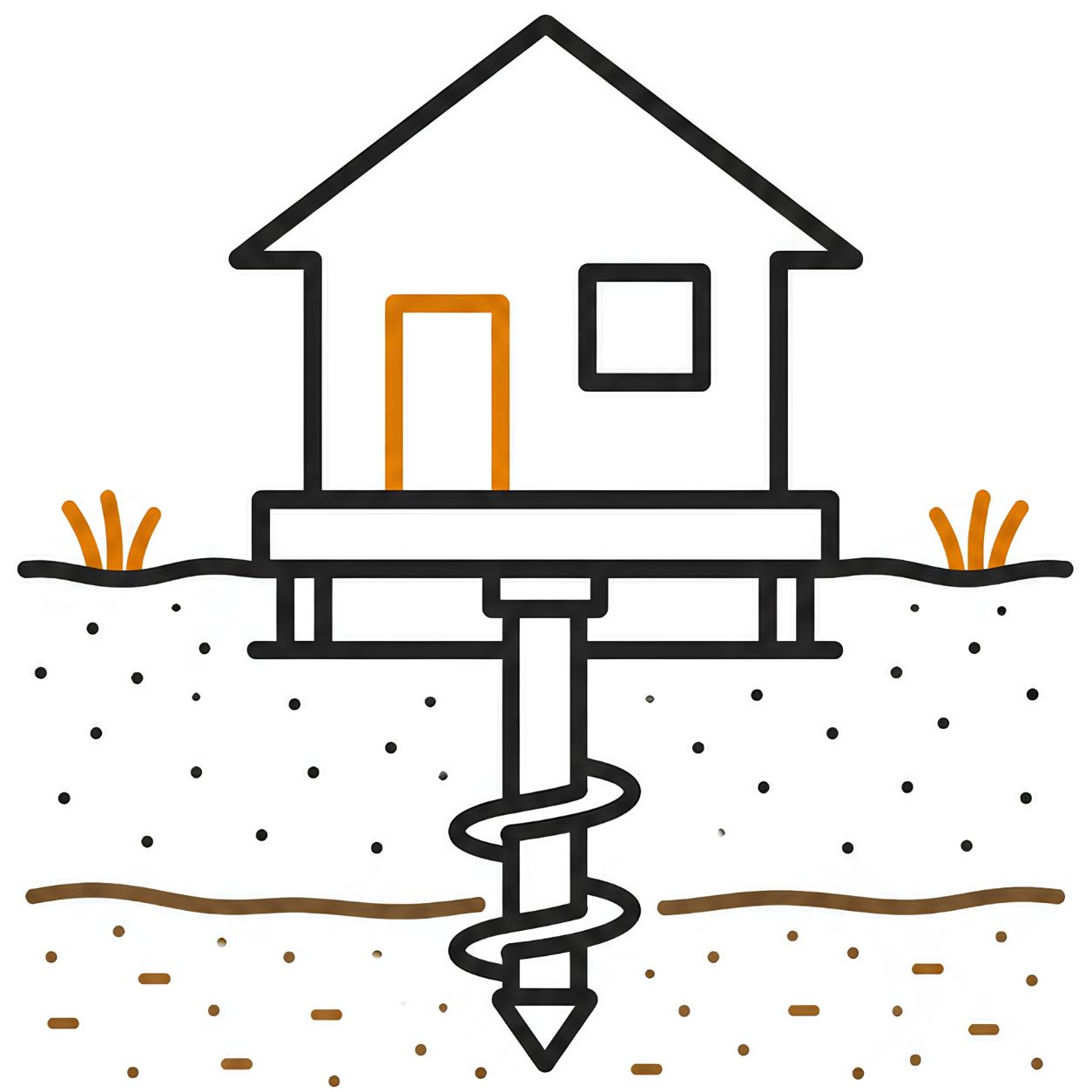
Sturdy foundation options such as concrete piers, skids, or screw piles can provide stability and prevent shifting during severe weather conditions, ensuring the structural integrity of tiny homes.
Insulation and Energy Efficiency in Tiny Homes
Insulation Materials and Techniques
Proper insulation using materials like spray foam, cellulose, or rigid foam boards can help regulate indoor temperatures and reduce energy consumption, making tiny homes more comfortable and energy-efficient.
Energy-efficient Windows and Doors
Installing energy-efficient windows with low-E coatings and weather-stripped doors can minimize heat loss in winter and heat gain in summer, improving overall energy performance in tiny homes.
Heating and Cooling Systems for Extreme Weather
Heating Options for Cold Climates
Tiny homes in cold climates may benefit from heating systems like wood stoves, electric heaters, or radiant floor heating to maintain warmth and comfort during chilly winter months.
Cooling Strategies for Hot Climates
In hot climates, cooling strategies such as ceiling fans, portable air conditioners, or passive cooling techniques like shading and ventilation can help keep tiny homes cool and comfortable in scorching temperatures.
Structural Integrity and Durability in Tiny Homes
Building Codes and Safety Standards
Tiny homes may be small in size, but they're big on safety. Adhering to building codes and safety standards is crucial to ensure the structural integrity of these compact dwellings. From foundation design to electrical wiring, following regulations helps in creating a safe living environment.
Reinforcement Techniques for Severe Weather
When it comes to facing extreme weather conditions, tiny homes need to be prepared. Reinforcement techniques such as hurricane straps, reinforced windows, and sturdy anchors can help these pint-sized abodes weather the storm. By fortifying the structure, tiny homes can stand strong against Mother Nature's fiercest tantrums.
Heavy Snow Complications in Winter Conditions
Heavy snow can introduce complications beyond basic cold weather performance. In many winter storms, snow can be wet and dense, and that added weight can increase roof stress, especially on low slope roofs, flat roof sections, and areas where snow drifts accumulate.
Snow Load, Drifting, and Roof Pitch
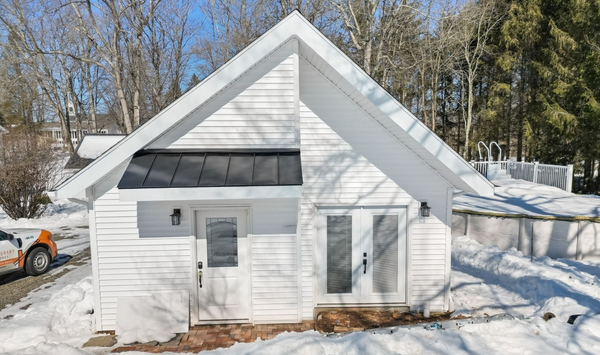
Even when a tiny home is built with strong framing, heavy snow can create uneven loading. Drifts often form on the leeward side of the roof, around dormers, near skylights, and along roof edges. A sloped roof design that sheds snow more easily, combined with a clear load path from roof to walls to foundation, helps reduce risk.
Ice Dams and Freeze Thaw Cycles
Heavy snow can also lead to ice dams when roof surfaces warm and refreeze at the eaves. Ice dams can push water under shingles and into roof assemblies. Proper air sealing, insulation continuity, and ventilation at the roof assembly help reduce the conditions that cause ice dams.
Practical Protection Steps
Simple measures such as high quality underlayment, well detailed flashing, sealed penetrations, and reliable gutter strategy can reduce winter leak risk. In severe conditions, snow guards and safe snow shedding design details can help control snow slide and protect entries and walkways.
Roofing and Waterproofing Solutions
Durable Roofing Materials
Keeping a tiny home cozy and dry starts from the top down. Choosing durable roofing materials like metal, rubber, or composite shingles can provide long-lasting protection against harsh elements. A sturdy roof not only shields the home from rain and snow but also adds to its overall durability.
Waterproofing Techniques for Tiny Homes
Preventing leaks and water damage is essential in maintaining the comfort and longevity of a tiny home. Waterproofing techniques such as proper flashing installation, sealing gaps, and using moisture barriers can help keep the interior dry and cozy, no matter what the weather brings.
Ventilation and Moisture Control Strategies
Importance of Proper Ventilation
In a compact space like a tiny home, proper ventilation is key to maintaining air quality and preventing moisture buildup. Good ventilation not only ensures a breathable environment but also helps in regulating temperature and reducing the risk of mold growth.
Preventing Mold and Mildew in Tiny Homes
Mold and mildew are unwelcome house guests that thrive in damp and poorly ventilated spaces. Implementing moisture control strategies like using dehumidifiers, installing ventilation fans, and regular air circulation can help in preventing these pesky fungi from taking root in your tiny home.
Conclusion
In conclusion, while tiny homes may be small in size, they can be mighty in their ability to weather storms, extreme temperatures, and other environmental adversities. By implementing smart design choices, durable materials, and efficient systems, tiny home owners can enjoy comfort and safety no matter what Mother Nature throws their way.
Whether nestled in a snow-covered landscape or under the blazing sun, these compact abodes prove that with thoughtful planning and innovation, living small doesn't mean compromising on resilience.
If you are planning to build a tiny home style accessory dwelling unit (ADU) on your property, talk with experienced ADU builders about local code requirements, climate design, and roof snow load expectations.
FAQ
Can tiny homes really withstand harsh weather conditions?
Well-built tiny homes can withstand harsh weather, but their durability depends on construction quality, materials, and design. Tiny homes on permanent foundations with reinforced structures generally handle extreme conditions better than those on wheels.
How do insulation and energy efficiency play a role in protecting tiny homes from extreme temperatures?
Proper insulation and energy-efficient windows and doors help maintain a stable indoor temperature, reducing heat loss in winter and keeping interiors cooler in summer. High-quality insulation minimizes energy consumption and adds comfort in both hot and cold climates.
What are some common challenges tiny home owners face in areas prone to severe weather?
Challenges include ensuring structural stability in high winds, protecting against flooding, and managing heating and cooling in extreme temperatures. Limited space for storm-resistant features and securing the home against shifting weather patterns can also be difficult.
Are there specific building techniques or materials that are recommended for ensuring a tiny home's durability in extreme weather?
Recommended techniques include using reinforced framing, hurricane straps, and impact-resistant windows. Durable materials like metal roofing, high-quality siding, and weatherproof sealants also enhance the tiny home’s resilience in harsh conditions.


Copyright 2026. All rights reserved. Norwalk, CT
Connecticut's New Home Construction Contractor License: #NHC.0017654
EPA Lead-Safe Certified NAT-F269966-1