


















Knowledge Center: Your Go-To Resource for ADUs and Tiny Living
Knowledge Center: Your Go-To Resource for ADUs and Tiny Living
Email [email protected]
Phone 860-TINY-HOM (es)
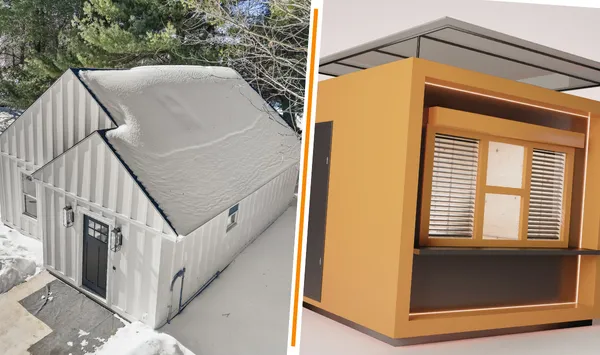
Tiny Home ADUs vs Prefab ADUs in Connecticut
Are Prefabricated ADU Homes the Same as Tiny Home ADUs?
No. Prefabricated ADU homes are usually factory-built or modular structures that are delivered to a property. A tiny home ADU is a small, permanent accessory dwelling unit designed to function as a legal second living space on the same lot as a primary home.
For Connecticut homeowners, the biggest difference is not only how the structure is built. The bigger question is whether the ADU fits the property, meets local zoning rules, works with utilities, and supports the homeowner’s long-term goal.
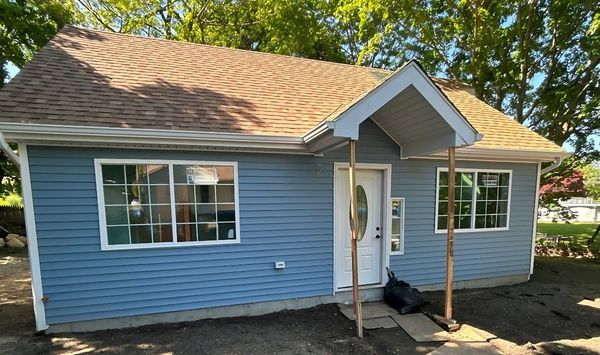
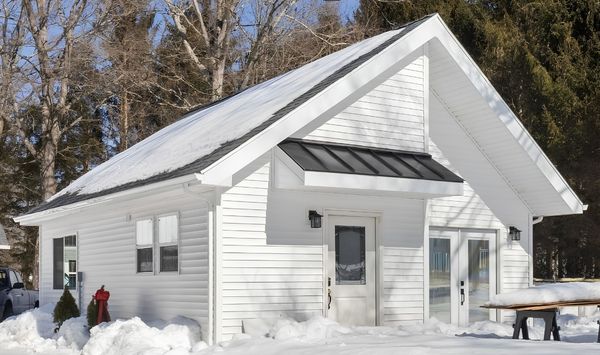
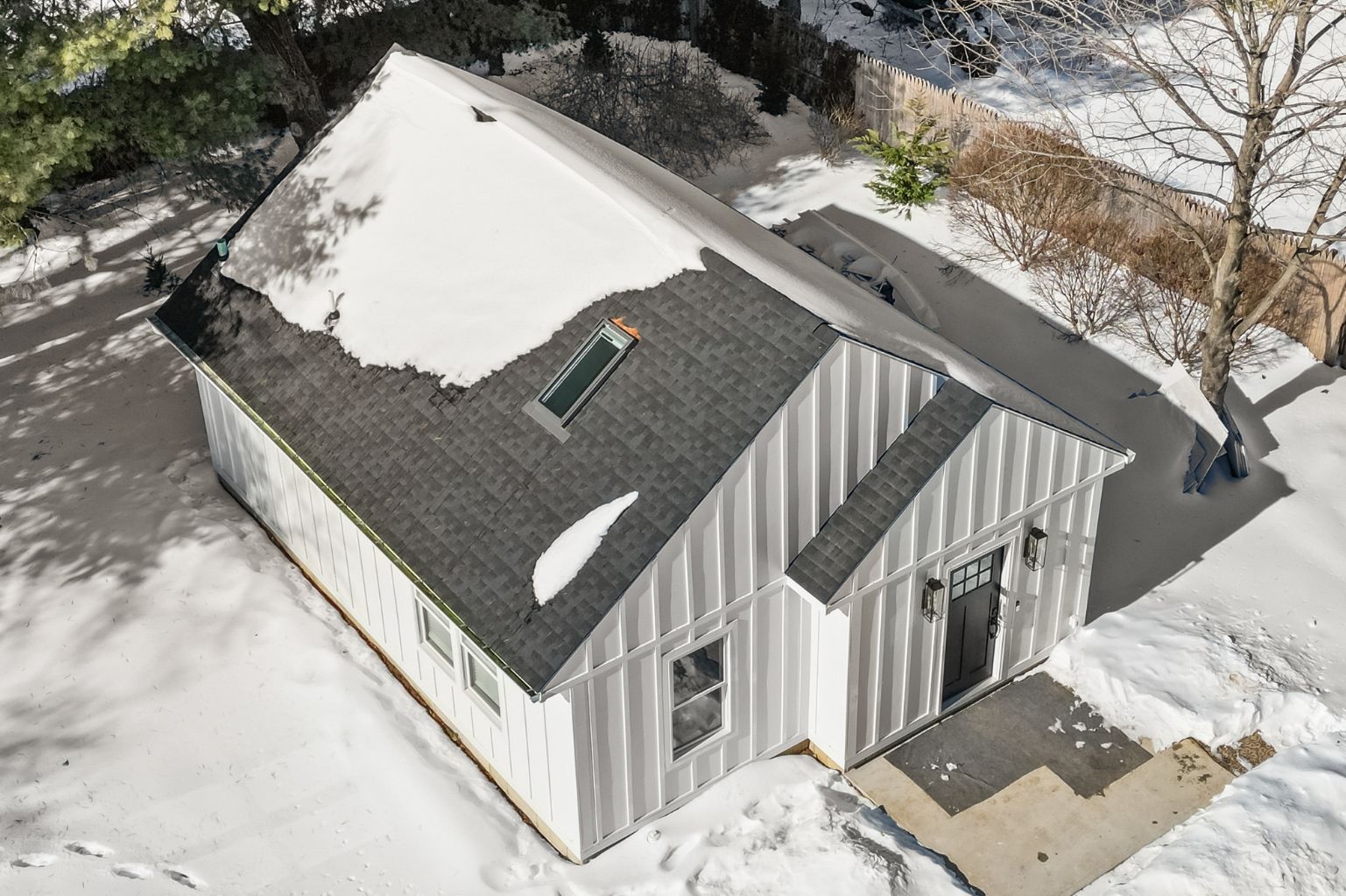
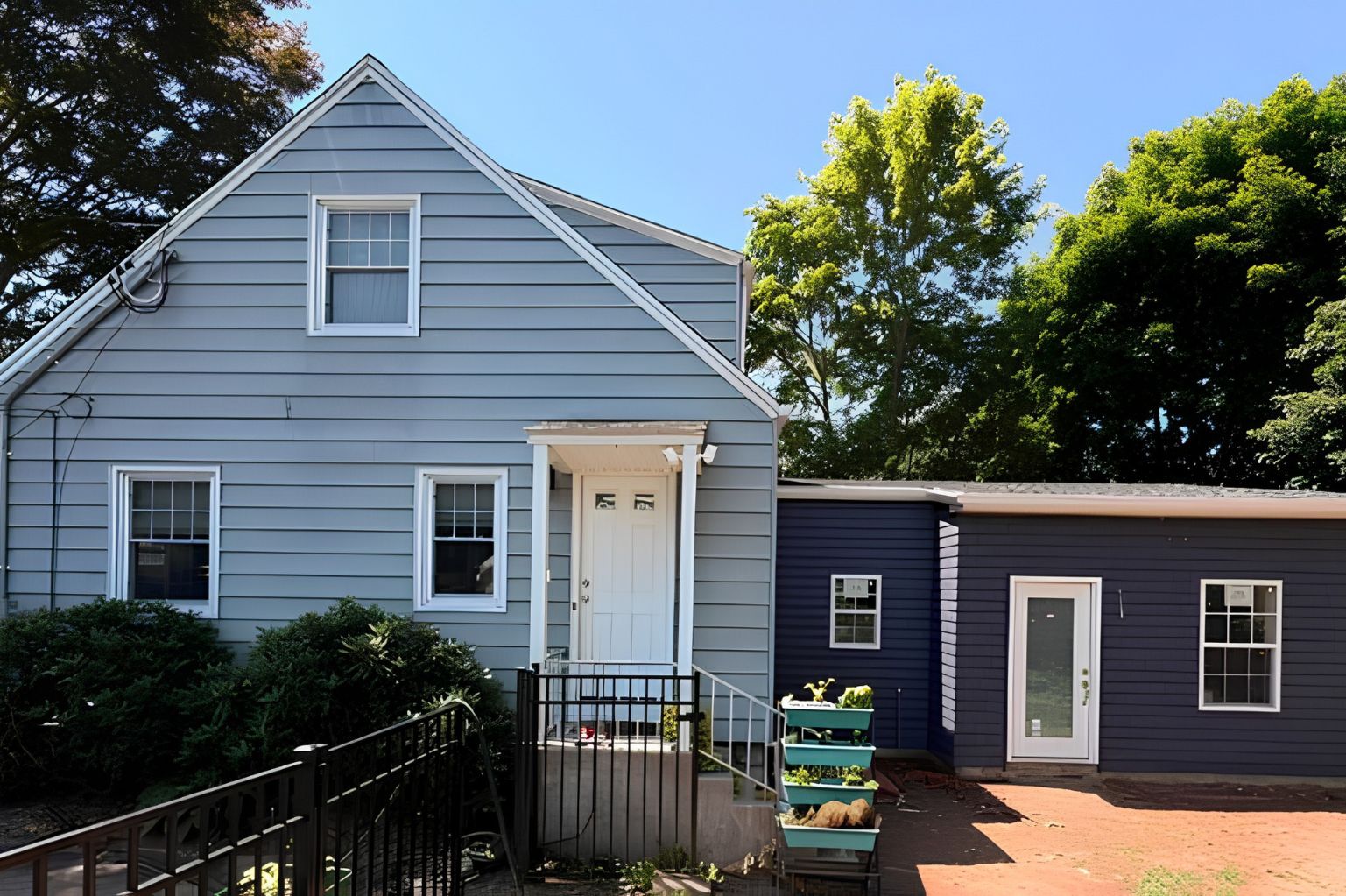
At Contemporary Tiny Homes, we do not sell prefabricated ADU homes or prefab kits. We build tiny home ADUs in Connecticut for homeowners who want a guided, property-specific approach to creating a backyard living space, in law suite, rental unit, or flexible family housing solution.
Why Homeowners Search for Prefabricated ADU Homes
Many people start with “prefabricated ADU homes” because they want the ADU process to feel simple.
Prefab sounds fast. It sounds predictable. It sounds like you can choose a model, place it in the backyard, and have a complete accessory dwelling unit ready to use.
That search usually comes from a real need. Homeowners want more space, more privacy, more family flexibility, or a way to create long-term value from unused land on their property. They may be trying to help aging parents, give adult children a private place to live, generate rental income, or create a downsizing plan without leaving the neighborhood they love.
The issue is that an ADU is not just a product. It is a permitted residential living space. Even a prefab ADU still needs the right placement, foundation, utility plan, local approval, inspections, and finish details.
That is why Connecticut homeowners should compare prefab ADU homes with built-for-your-property tiny home ADUs before making a decision.
What Is a Prefabricated ADU Home?
A prefabricated ADU home is typically built off-site in a factory or controlled construction environment. Depending on the company, it may be delivered as a modular ADU, a panelized structure, or a nearly complete unit that still requires site preparation and final installation.
Common Reasons People Consider Prefab ADUs
Homeowners often look at prefab ADU homes because they want:
A faster construction timeline
A predictable floor plan
A cleaner design process
A smaller second home for family
A backyard rental unit
An alternative to a traditional home addition
A way to compare ADU cost in Connecticut
Those are valid goals. However, the prefab model itself does not automatically solve the local requirements that come with building an accessory dwelling unit in Connecticut.
The Hidden Work Behind a Prefab ADU
Even if the ADU structure is built somewhere else, the property still needs to support the project. A prefab unit may still require:
Zoning review
Building permits
Site access planning
Foundation work
Septic or sewer review
Water and electrical connections
Grading and drainage planning
Setback compliance
Fire and building code compliance
Final inspections
This is where many homeowners realize that the “home” is only one piece of the ADU project.
What Is a Tiny Home ADU?
A tiny home ADU is a compact accessory dwelling unit designed as a permanent, livable space on a residential property. It can serve many of the same goals people associate with prefab ADU homes, but it is planned around the actual property instead of being forced into a standard model.
A tiny home ADU may be used as a:
In law suite for parents or relatives
Backyard cottage for guests
Private living space for adult children
Long-term rental unit
Downsizing option for the homeowner
Flexible family housing solution
Detached ADU for added privacy
For homeowners comparing tiny homes Connecticut options, the most important distinction is this: a tiny home only becomes a true ADU when it is designed, permitted, and built to function as a legal accessory dwelling unit.
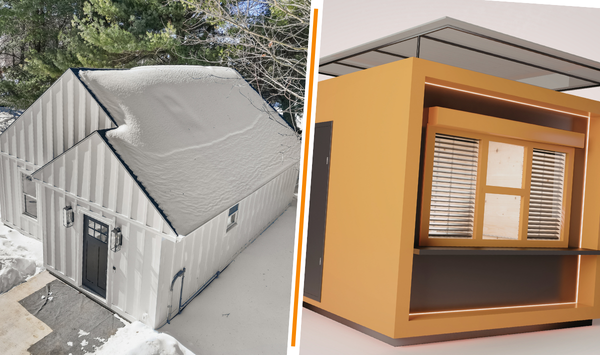
Prefabricated ADU Homes Versus Tiny Home ADUs: Key Differences
1. Prefab Starts With a Model. Tiny Home ADUs Start With the Property.
Prefab ADU companies often begin with a catalog of models. That can be helpful for inspiration, but it may not reflect your town rules, lot shape, driveway access, septic location, or backyard layout.
A tiny home ADU should start with feasibility. Before choosing the look of the home, Connecticut homeowners need to understand whether the property can support an ADU, where it can be placed, and what local requirements may apply.
Want to know whether your property is a fit for an ADU? Schedule a consultation to review feasibility, layout options, and next steps for your Connecticut home.
2. Prefab Can Still Require Major Site Work.
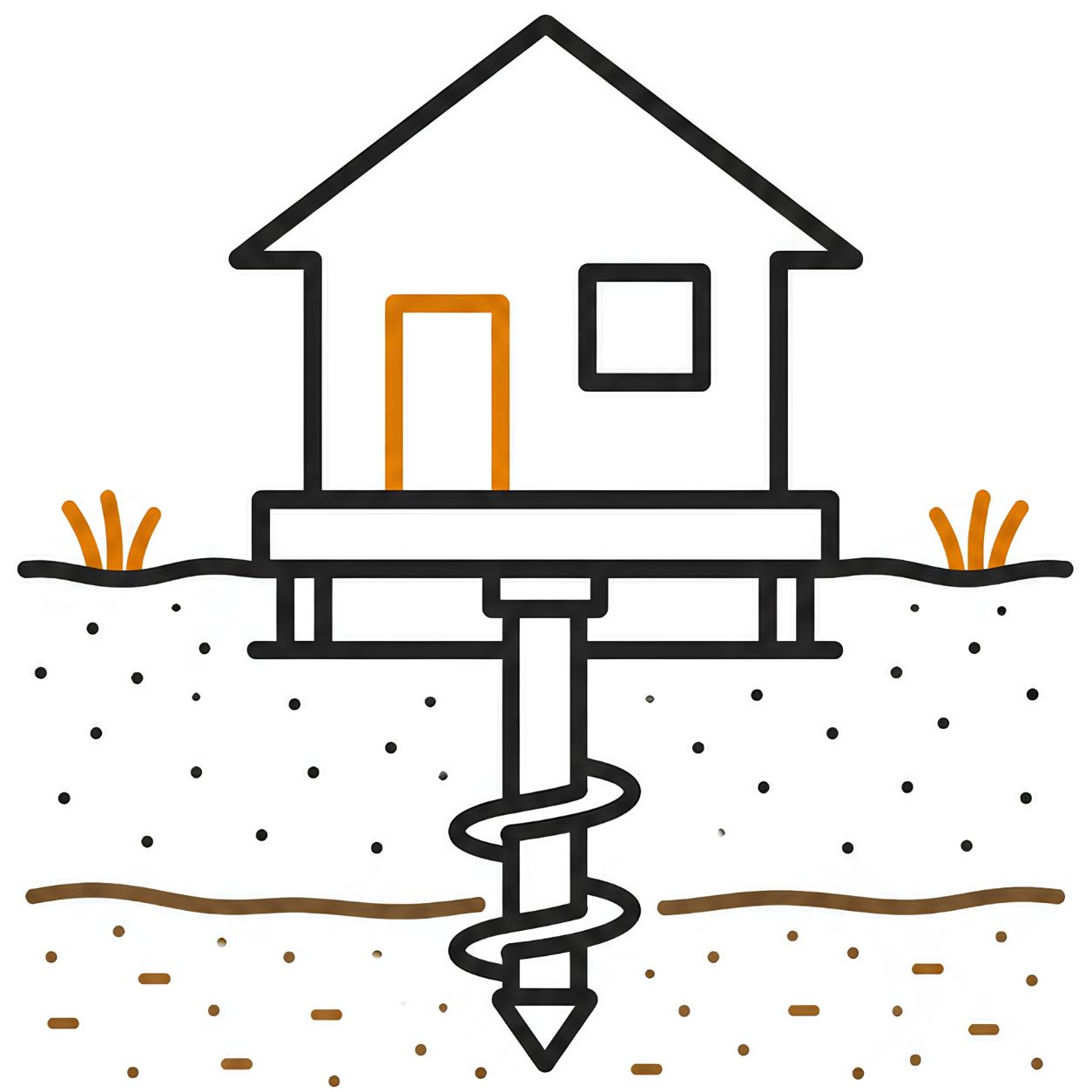
A common misconception is that prefab means the hard work is already done. In reality, the site still needs to be prepared.
A prefabricated ADU home may still need excavation, foundation work, utility connections, access planning, and local inspections. If the property has slope, drainage concerns, limited access, wetlands, septic limitations, or strict local zoning, the process may be more complex than expected.
A tiny home ADU builder looks at these details early so the project can be planned around the land, not just the structure.
3. Tiny Home ADUs Can Be Designed for Real Connecticut Living.
Connecticut homeowners need ADU homes that work through four seasons, fit neighborhood expectations, and serve real household needs.
A backyard tiny home ADU should be comfortable, efficient, and practical. That means thoughtful storage, proper heating and cooling, durable materials, a functional kitchen, a bathroom layout that works, and a design that feels like a real home rather than a temporary backyard structure.
For families, this can make the difference between a small building and a private living space that someone can truly enjoy every day.
4. A Tiny Home ADU Can Support Family, Income, and Property Value Goals.
Many homeowners search for ADU homes in Connecticut because they are thinking beyond extra space. They want a structure that can serve multiple purposes over time.
A tiny home ADU may start as an in law suite, later become housing for an adult child, and eventually become a long-term rental. That flexibility is one of the biggest reasons Connecticut homeowners are exploring accessory dwelling units.
For the right property, a well-planned ADU may also improve the utility and appeal of the home because it adds independent living space on the same lot.
Why Contemporary Tiny Homes Does Not Position Itself as a Prefab ADU Company
Contemporary Tiny Homes does not offer prefabricated ADU homes, prefab kits, or one-size-fits-all backyard units.
That is intentional.
A successful Connecticut ADU project needs more than a floor plan. It needs a clear understanding of what your property can support and how the finished home should function for your family or investment goals.
Instead of selling a prefab box, Contemporary Tiny Homes focuses on helping homeowners create tiny home ADUs in Connecticut that are aligned with the site, the intended use, and the local approval process.
When a Tiny Home ADU May Be a Better Fit Than a Prefabricated ADU Home
A tiny home ADU may be a better fit if you want:
A backyard living space designed for your property
A legal accessory dwelling unit in Connecticut
A detached ADU for privacy
A rental-ready layout for long-term use
Guidance before choosing a design
A builder who understands local ADU planning
A small home that feels permanent, not temporary
Prefab may be useful for some homeowners, but it is not always the right answer. If your property has unique conditions or if your goal is long-term livability, a property-specific tiny home ADU may give you more confidence.
Connecticut ADU Considerations Before You Build
Connecticut ADU rules can vary by town, so homeowners should not assume every property is automatically approved for the same type of unit.
Before choosing between a prefab ADU home and a tiny home ADU, review these factors.
Local Zoning and ADU Approval
Your town may have specific rules for detached ADUs, attached ADUs, owner occupancy, parking, setbacks, size limits, and rental use. Some towns are more ADU-friendly than others, and some have additional requirements that affect the project.
Property Layout and Setbacks
The best ADU location is not always the most obvious spot in the backyard. Setbacks, neighboring homes, trees, septic systems, driveways, slopes, and utility access can all influence placement.
Septic, Sewer, Water, and Electrical Connections
A true accessory dwelling unit needs a utility plan. This is one of the biggest differences between a backyard structure and a functional living space.
Intended Use
An ADU for aging parents may need different features than an ADU for rental income. An ADU for adult children may need privacy, storage, and independent living areas. A future downsizing unit may require long-term comfort and accessibility.
Total Project Scope
The cost of an ADU is not only the cost of the building. Homeowners should also think about permitting, sitework, utility connections, foundation, finishes, and the level of design support needed.
Best Uses for a Backyard Tiny Home ADU
In Law Suite for Aging Parents
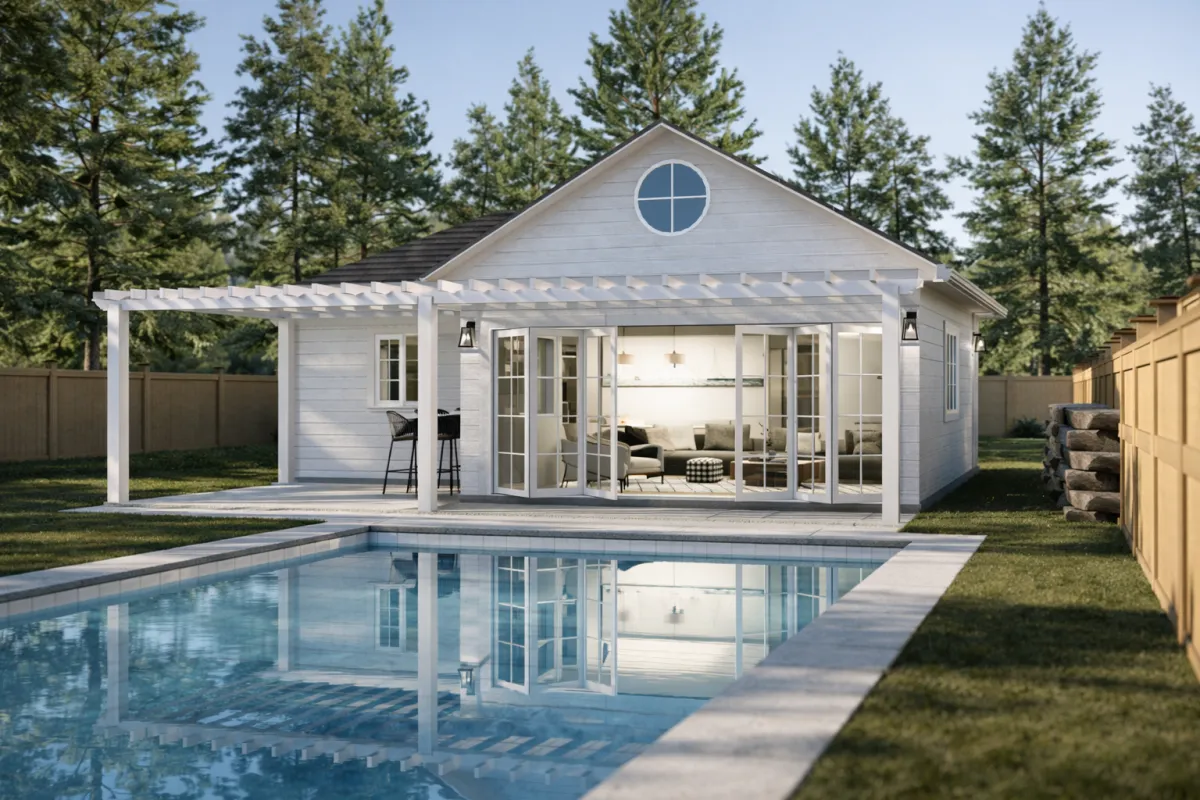
A tiny home ADU can give parents or relatives a private place to live while keeping family nearby. This is one of the most common reasons Connecticut homeowners explore Contemporary tiny homes.
Unlike a spare bedroom or basement conversion, a detached ADU can create independence, privacy, and dignity for everyone involved.
Private Space for Adult Children
Many families are looking for flexible housing solutions as adult children stay home longer, return after college, or need a stepping stone before buying their own home. A tiny home ADU can create separation without creating distance.
Long-Term Rental ADU
Some homeowners consider an ADU because they want potential rental income. A well-planned ADU can create a separate living space that may be attractive to long-term renters, depending on local rules and the property setup.
Before building for rental income, homeowners should confirm local rental regulations, parking requirements, and any town-specific ADU restrictions.
Guest House or Backyard Cottage
A backyard cottage can give visiting family and friends a comfortable private space. This is especially useful for homeowners who host relatives often but do not want to expand the main home.
Future Downsizing Option
Some homeowners build an ADU as part of a long-term plan. They may live in the main house now, then move into the backyard ADU later while a family member lives in the primary home.

The Better Question: Not “Prefab or Tiny Home?” But “What Fits My Property?”
The search for prefabricated ADU homes usually begins with convenience. But the better question is not whether the structure is prefab.
The better question is: What is the smartest way to create a legal, comfortable, long-term backyard living space on this specific Connecticut property?
That question leads to better decisions.
It keeps the focus on feasibility, use, design, approvals, construction, and long-term value.
If you are comparing prefab ADU homes, modular ADUs, tiny homes, backyard cottages, or in law suites, the next step is to evaluate your property before committing to a direction.
Want clarity before choosing a design? Schedule a consultation to review your Connecticut property and learn what type of tiny home ADU may be realistic.
FAQs
Are prefabricated ADU homes legal in Connecticut?
Prefab ADU homes may be possible in Connecticut, but legality depends on the town, property, building code compliance, utility setup, and whether the unit qualifies as an approved accessory dwelling unit. Homeowners should not assume that a prefab model shown online will automatically be allowed on their lot.
Is a tiny home the same as an ADU?
Not always. A tiny home is a small dwelling. An ADU is a legal accessory dwelling unit on the same property as a primary home. A tiny home can function as an ADU when it is properly designed, permitted, placed, and built according to applicable local requirements.
Is a detached ADU better than an attached ADU?
A detached ADU is often better for homeowners who want privacy, rental potential, or a separate family living space. An attached ADU may be a better fit when the property has limited yard space or when connecting to the main home makes more sense. The right option depends on your property and goals.
Can I use a tiny home ADU as an in law suite?
Yes, many homeowners build tiny home ADUs as in law suites. This can allow parents or relatives to live nearby while maintaining privacy and independence.
Can an ADU increase property value?
A well-planned ADU may improve a property’s appeal by adding independent living space, rental potential, and flexible use. The actual impact depends on the local market, project quality, property layout, and buyer demand.
Can I rent out a tiny home ADU in Connecticut?
Rental use depends on local rules. Some Connecticut towns may allow long-term rental ADUs, while others may have restrictions. Homeowners should review town-specific ADU regulations before building for rental income.
What should I do before choosing a prefab ADU or tiny home ADU?
Start with a property feasibility review. Before choosing a model or design, confirm zoning, placement, utility access, septic or sewer conditions, intended use, and the town approval process.
Final Takeaway: Prefab May Be the Search, But a Tiny Home ADU May Be the Solution
Prefabricated ADU homes are popular because they promise simplicity. But building an ADU in Connecticut is about more than choosing a structure.
It is about creating a legal, comfortable, property-specific living space that works for your home, your family, and your future.
Contemporary Tiny Homes helps Connecticut homeowners explore tiny home ADUs with a practical, guided approach. Whether your goal is an in law suite, a detached ADU, a backyard cottage, a rental unit, or a flexible family living space, the best first step is understanding what your property can support.
Want to know whether your property is a fit for an ADU? Schedule a consultation to review feasibility, layout options, and next steps for your Connecticut home.
Copyright 2026. All rights reserved. Norwalk, CT
Connecticut's New Home Construction Contractor License: #NHC.0017654
EPA Lead-Safe Certified NAT-F269966-1