















Knowledge Center: Your Go-To Resource for ADUs and Tiny Living
Knowledge Center: Your Go-To Resource for ADUs and Tiny Living
Email [email protected]
Phone 860-TINY-HOM (es)
17 Space-Saving Ideas for Tiny Homes and ADUs That Make Small Spaces Feel Bigger
Tiny homes, in-law suites, backyard cottages, and ADUs all have one thing in common. Every square foot matters.
That is why the best tiny house storage ideas do more than hide clutter. They make daily life easier, improve flow, and help a small home feel calm instead of cramped. Whether you are planning a compact guest house, a detached ADU, an attached ADU, or a full-time tiny home, smart storage and layout choices can completely change how the space feels.
In this guide, we are breaking down practical tiny home storage ideas, small space living strategies, and multifunctional furniture solutions that help you get more function out of less square footage.
Why Space-Saving Design Matters in Tiny Homes and ADUs
Small space design is not just about fitting more things into a room. It is about creating a home that feels open, useful, and easy to live in every day.
The right tiny home storage ideas can help you:
reduce visual clutter
make cleaning easier
create better traffic flow
improve comfort in multi-use rooms
add flexibility for family, guests, rental use, or aging in place
This matters even more in a tiny home ADU, where one room may need to function as a kitchen, dining area, workspace, and living room all in the same footprint.
1. Choose Multifunctional Furniture That Earns Its Footprint
Multifunctional furniture is one of the smartest investments for small space living. In a tiny home, every piece should do more than one job whenever possible.
A sofa bed gives you daytime seating and a comfortable sleeping area at night. A storage bench creates a place to sit while hiding extra linens, shoes, or seasonal items. An extendable dining table gives you flexibility for everyday living and extra seating when guests visit.
Other strong options include:
fold-down desks for home office use
nesting tables that tuck away when not needed
ottomans with hidden storage
lift-top coffee tables
beds with built-in drawers
The goal is simple. Buy fewer pieces, but make each one work harder.
2. Use Vertical Space Instead of Letting Walls Go to Waste
When floor space is limited, vertical storage ideas become essential. Many of the best tiny home storage hacks come from using wall space that would otherwise sit empty.
Wall-mounted shelves can hold books, baskets, kitchen essentials, or decor without crowding the room. Hooks and rails can organize coats, bags, mugs, utensils, and cleaning tools. Pegboards are especially useful in kitchens, entryways, and tiny home offices because they keep everyday items easy to reach.
Look for places where vertical storage naturally fits:
above a desk
above a washer and dryer
over a toilet
above door frames
beside windows
along stair walls
Tall storage makes a room more functional without taking away valuable walking space.
3. Add Built-In Storage Wherever You Can
Built-in storage often outperforms off-the-shelf furniture in tiny homes because it uses awkward gaps more efficiently.
Think built-in shelving around windows, cabinets under stairs, storage drawers beneath seating, and custom shelving in alcoves that would otherwise be wasted. Even a storage headboard can add room for books, chargers, glasses, and other daily essentials.
In a well-designed tiny home or ADU, built-ins help the space feel intentional. They reduce dead zones and create a cleaner visual line, which can make the interior feel larger.
4. Turn Under-Bed Space Into Real Storage
Under-bed storage is one of the most practical tiny house organization strategies because it keeps bulkier items out of sight without wasting square footage.
Use rolling bins, built-in drawers, vacuum bags, or divided containers to store:
off-season clothing
spare bedding
extra towels
luggage
keepsakes
shoes
If you are designing from scratch, platform beds with integrated drawers are even better than loose bins because they look cleaner and are easier to access.
5. Make Under-Stair Storage Work Harder
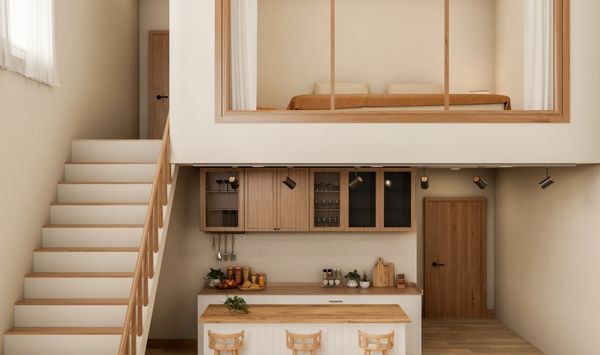
If your tiny home has a loft, the stairs should do more than lead upward. Under-stair storage is one of the best ways to increase function without adding clutter.
You can turn stair cavities into drawers, pull-out pantry storage, cubbies, or closed cabinets. In some layouts, the stair wall can become a full storage feature for books, cleaning supplies, pet gear, or pantry overflow.
This is one of the best examples of how smart design can make a small home feel custom-built for daily life.
6. Use Fold-Down and Wall-Mounted Surfaces
A fold-down table or wall-mounted desk is a simple but powerful small space design move. When you need the surface, it works. When you do not, it disappears.
This works especially well for:
dining nooks
home office corners
craft areas
homework stations
side tables near a sofa or bed
For a tiny home office or guest-ready ADU, fold-down surfaces keep the room flexible without crowding the layout.
7. Create Hidden Storage to Reduce Visual Clutter
Open storage can be helpful, but too much of it can make a small room feel busy. Hidden storage keeps your essentials nearby while helping the space look more relaxed.
Use hidden storage in:
benches
ottomans
coffee tables
window seats
toe-kick drawers in the kitchen
built-in banquettes
This is one of the best tiny home storage ideas for homeowners who want a clean, organized look without constantly seeing every item on display.
8. Upgrade Kitchen Storage With Smart Inserts
The kitchen is usually one of the hardest-working parts of a tiny home, which makes tiny house storage ideas especially important here.
Cabinet organizers, pull-out pantry shelves, drawer dividers, magnetic knife strips, hanging mug racks, and vertical tray storage can dramatically improve a compact kitchen. Cover boards over sinks or cooktops can also create extra prep space when needed.
A small kitchen works better when every item has a home and your most-used tools are easy to grab.
9. Use Seating That Doubles as Storage
Built-in benches and storage seating are ideal for tiny homes because they combine comfort with concealed storage.
A breakfast nook can hold tableware or small appliances underneath. An entry bench can store shoes and bags. A window seat can hide blankets, books, or games.
This is especially useful in family layouts, where a compact home still needs to support real everyday living.
10. Install Pocket Doors When Possible
Traditional doors need swing space. Pocket doors do not.
In a tiny home or attached ADU, pocket doors can free up valuable room for furniture placement, storage, and easier movement. They also help create privacy in bathrooms, bedrooms, and office areas without eating into the floor plan.
11. Use Hanging Organizers Inside Closets and Cabinets
Closets and upper cabinets often hold far less than they could. Hanging organizers add layers of storage without requiring more square footage.
Use them for folded clothes, pantry goods, cleaning products, accessories, or shoes. The same logic applies inside cabinets. Shelf risers, stackable bins, and pull-out baskets can help you use the full height of the space.
12. Give Every Nook a Job
Tiny homes usually have odd corners, low walls, and narrow gaps. Instead of ignoring them, turn them into useful storage zones.
A shallow gap beside a refrigerator can become a pull-out pantry. A corner near the entry can become a drop zone with hooks and a slim shelf. A loft wall can hold cubbies. Even the end of a cabinet run can become open shelving.
When you treat every nook as an opportunity, small spaces start to feel much more efficient.
13. Keep Open Shelving Curated, Not Crowded
Open shelves can make a room feel lighter than bulky upper cabinets, but only if they stay organized.
Use matching containers, baskets, or glass jars to keep open storage visually clean. Display only daily-use items or a few decorative pieces. Too much visual noise can make a tiny room feel smaller.
14. Build Storage Around Real Daily Habits
The best tiny home storage ideas are not generic. They match the way you actually live.
If you work from home, prioritize a mounted desk and hidden office storage. If you cook often, put extra effort into kitchen organization. If the tiny home is for an aging parent or in-law suite, keep frequently used storage at easy reach heights and prioritize one-level functionality where possible.
This is where good design beats random storage hacks. The space should support your routine, not fight it.
15. Use Labels and Zones to Stay Organized
Even the smartest storage system breaks down if items do not return to the same place.
Label bins, create zones by category, and group similar items together. Keep daily-use items in the easiest-to-reach spots and move rarely used items higher up or farther back. Tiny house organization gets easier when there is a simple system behind it.
16. Declutter Regularly So Storage Can Actually Work
No amount of clever storage will solve a clutter problem if you are trying to keep too much in a small home.
One of the best small space living habits is regular editing. Keep what you use, love, or truly need. Donate duplicates. Rotate seasonal items. Be realistic about what deserves valuable square footage.
A tidy tiny home feels bigger not because it has more space, but because it has less friction.
17. Plan Storage at the Layout Stage, Not as an Afterthought
The best tiny home storage hacks usually start long before move-in day.
Storage works better when it is built into the floor plan from the beginning. That includes bed placement, kitchen layout, stair design, closet depth, utility locations, and furniture clearances. This matters whether you are designing a tiny house for personal use, a detached ADU for family, or an attached ADU for rental income.
If you are exploring tiny home models or ADU solutions, smart storage planning should be part of the conversation from day one.
Want to know whether your property is a fit for a tiny home, backyard cottage, or ADU? Schedule a consultation to review feasibility, layout options, and next steps for your Connecticut home.
Final Thoughts on Tiny Home Storage Ideas
The best tiny home storage ideas are the ones that make your space feel easier to live in every single day. Multifunctional furniture, hidden storage, vertical shelving, under-bed drawers, and built-in cabinetry all help maximize space, but the real win comes from combining smart design with smart habits.
A well-planned tiny home does not just look organized. It feels more comfortable, flexible, and livable.
If you are comparing layouts, exploring tiny home models, or planning a detached ADU or attached ADU in Connecticut, a thoughtful floor plan can make all the difference. Book a consultation to talk through your goals, your property, and the best path forward.
FAQ
What is the best storage for a tiny home?
The best storage for a tiny home is usually a mix of built-in storage, multifunctional furniture, vertical shelving, and hidden storage. The right combination depends on your layout and your daily routine.
How do I maximize space in a tiny house?
Start with multifunctional furniture, wall-mounted storage, fold-down surfaces, and under-bed storage. Then declutter regularly and organize your home by zones so each item has a designated place.
What furniture works best in small spaces?
Furniture that serves two or more functions tends to work best in small spaces. Sofa beds, storage benches, extendable tables, nesting tables, and ottomans with hidden storage are all strong options.
Are built-ins worth it in a tiny home or ADU?
Yes, built-ins are often worth it because they use awkward areas more efficiently than standard furniture. They can also make a tiny home or ADU feel cleaner, more customized, and easier to organize.
What is the difference between a tiny home and an ADU?
A tiny home describes the size and style of the living space. An ADU, or Accessory Dwelling Unit, refers to a secondary residential unit on the same property as a main house. Some tiny homes can function as ADUs, depending on local rules and property conditions.


Copyright 2026. All rights reserved. Norwalk, CT
Connecticut's New Home Construction Contractor License: #NHC.0017654
EPA Lead-Safe Certified NAT-F269966-1