

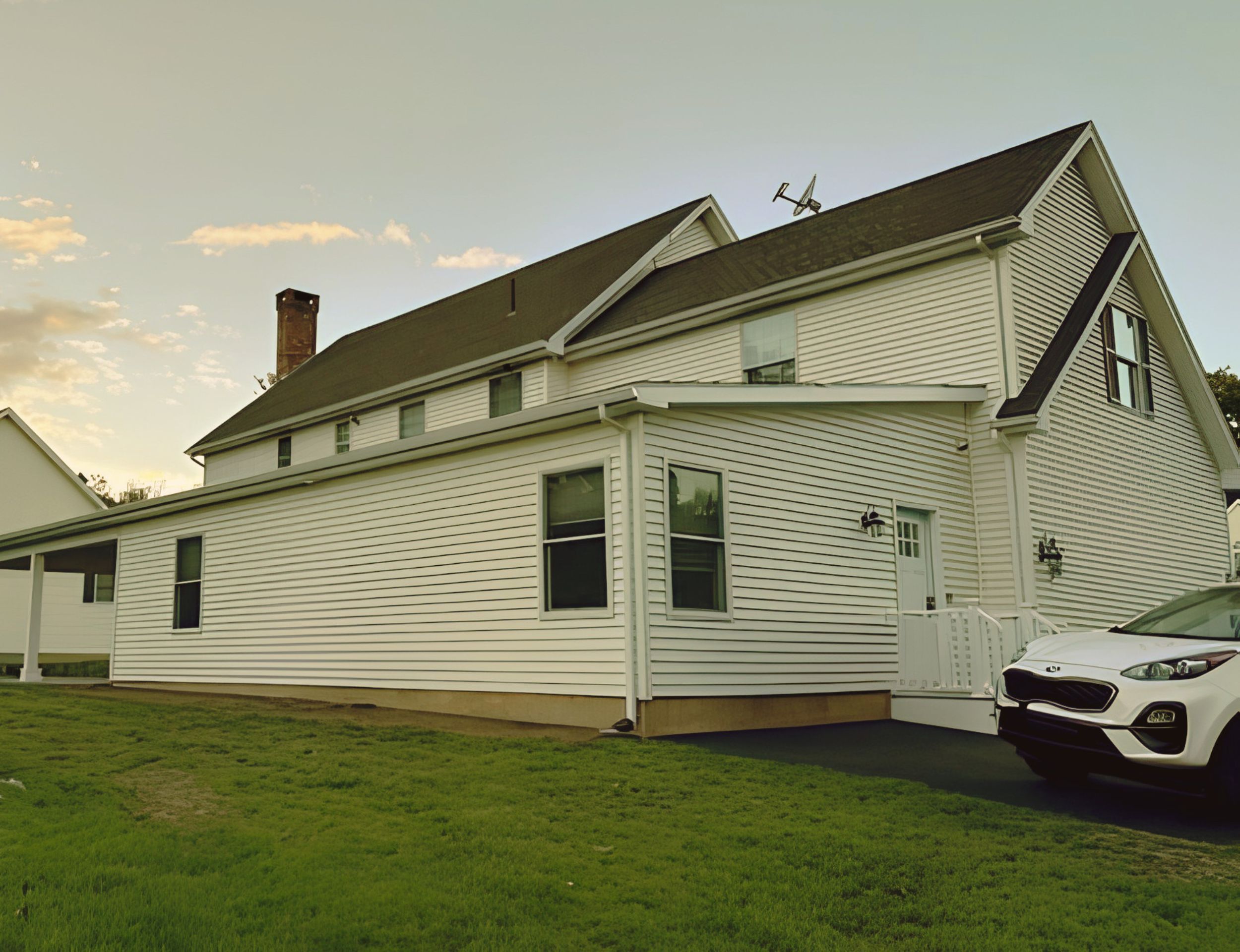
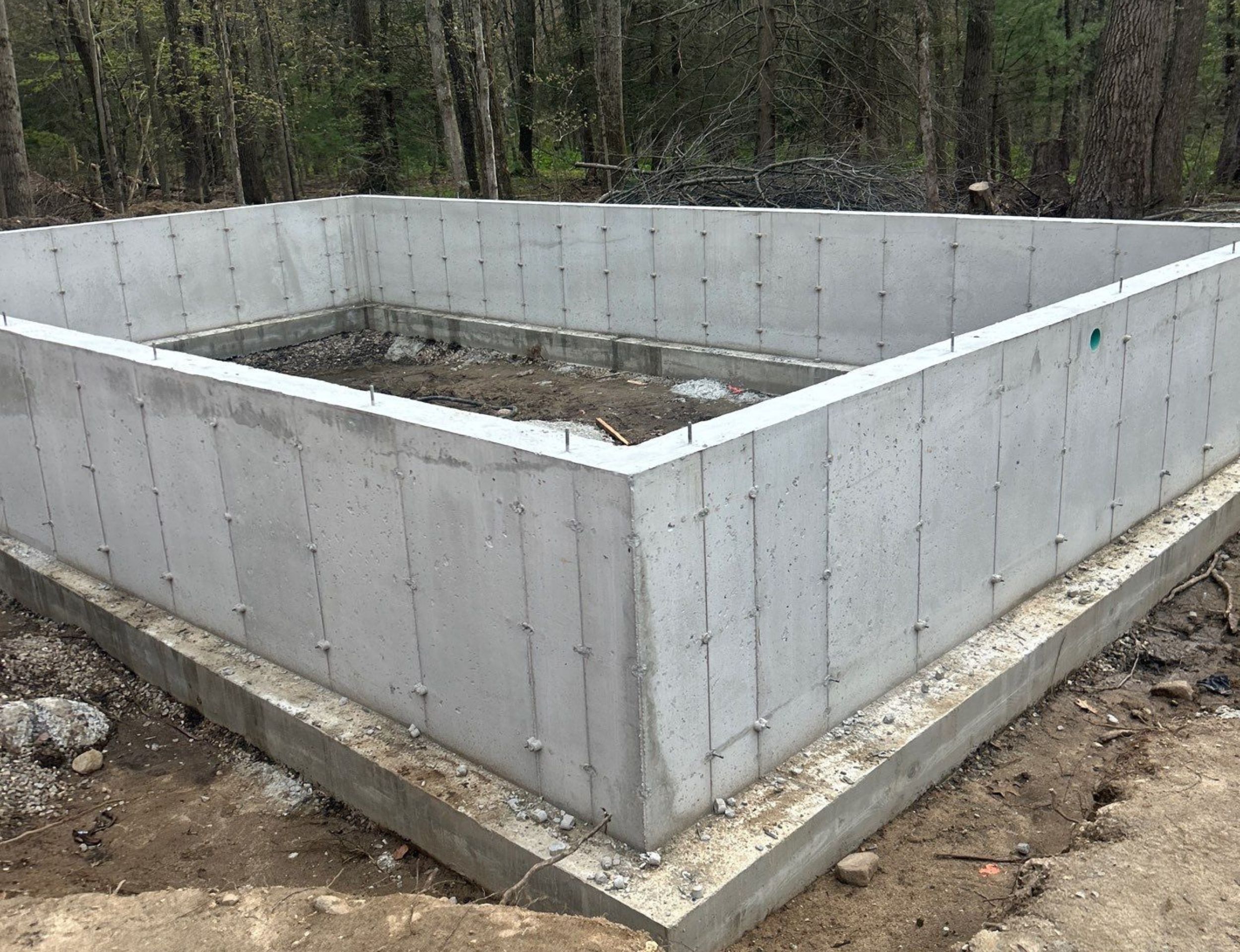
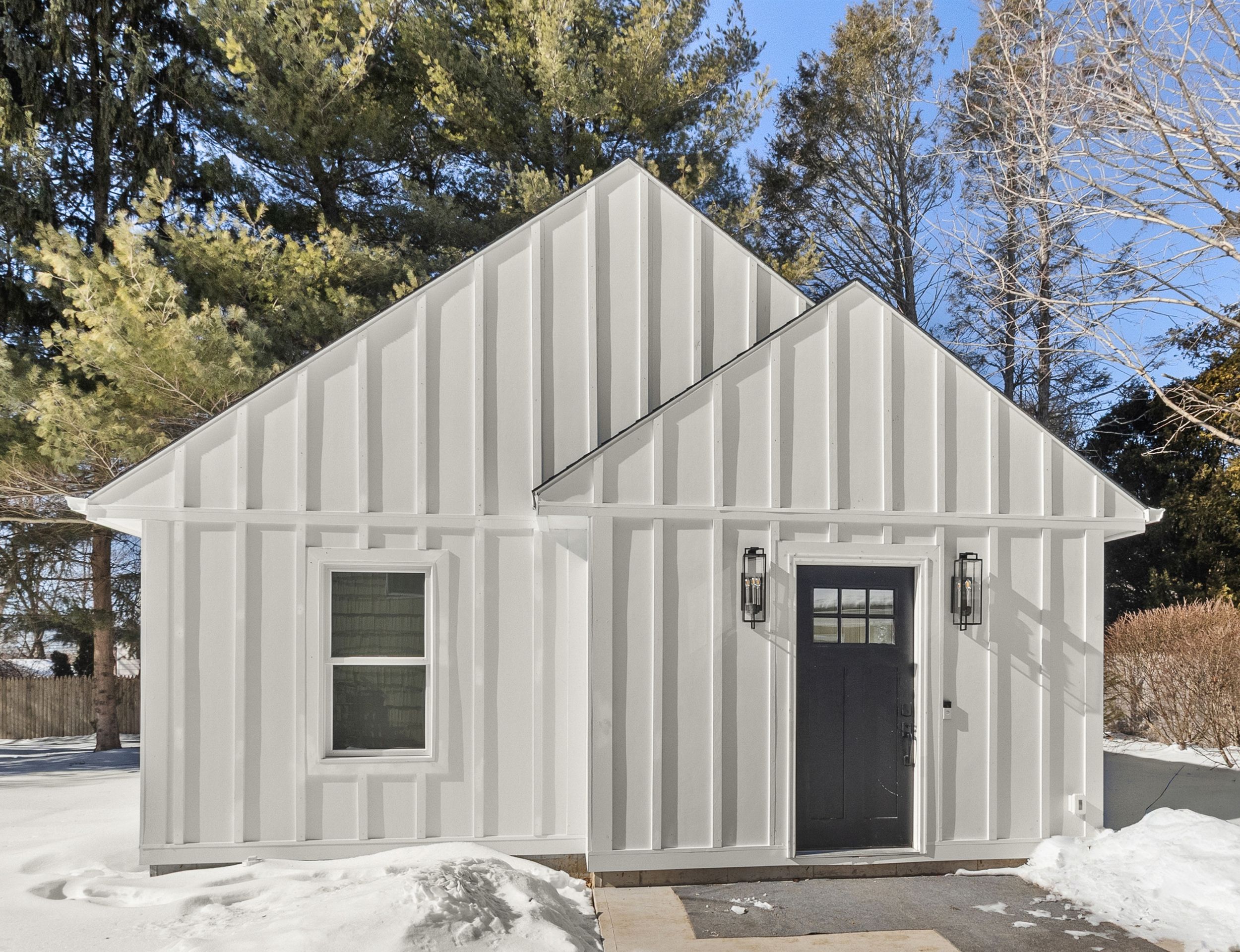
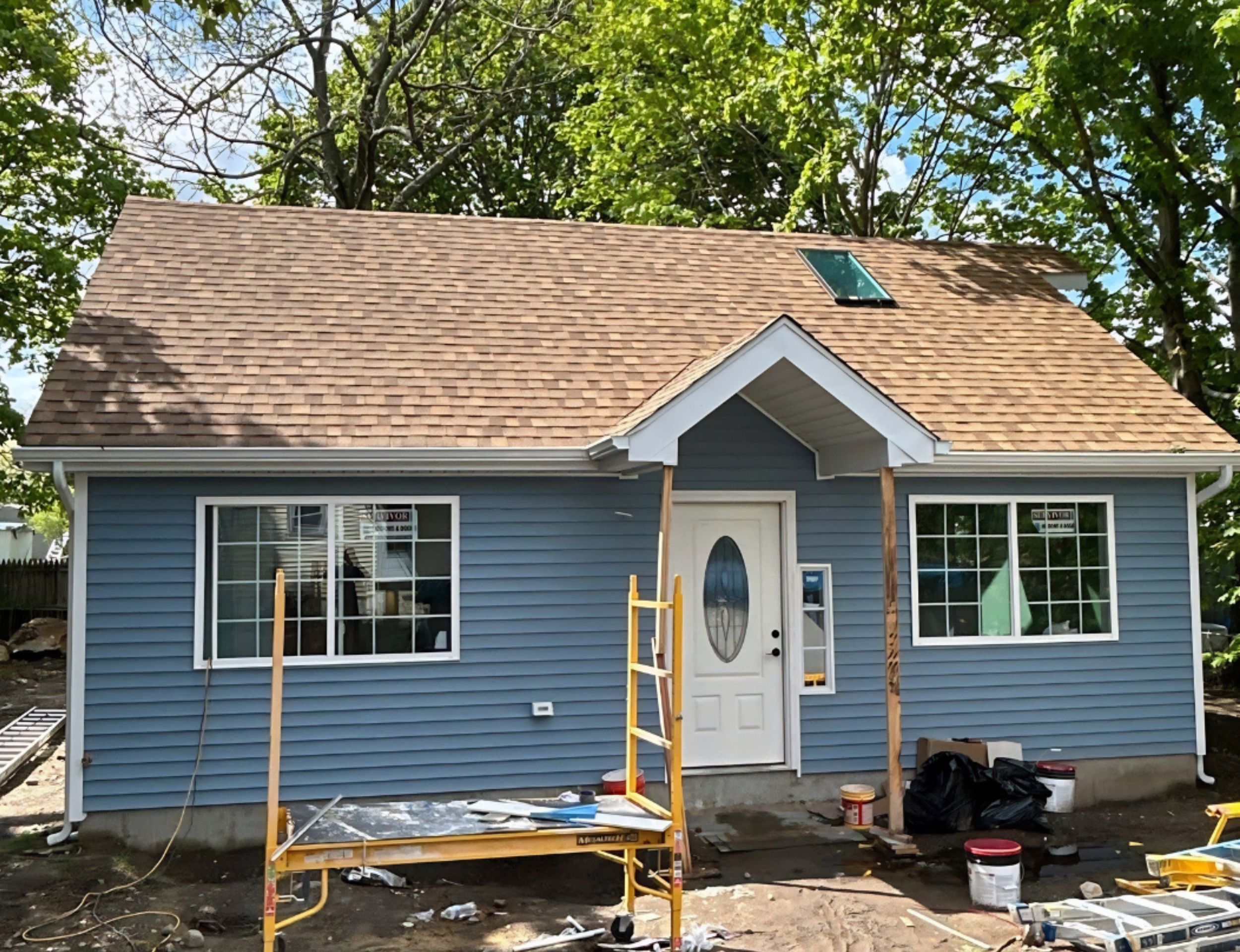

















Knowledge Center: Your Go-To Resource for ADUs and Tiny Living
Knowledge Center: Your Go-To Resource for ADUs and Tiny Living
Email [email protected]
Phone 860-TINY-HOM (es)
Can I Rent Out My ADU to Tenants?
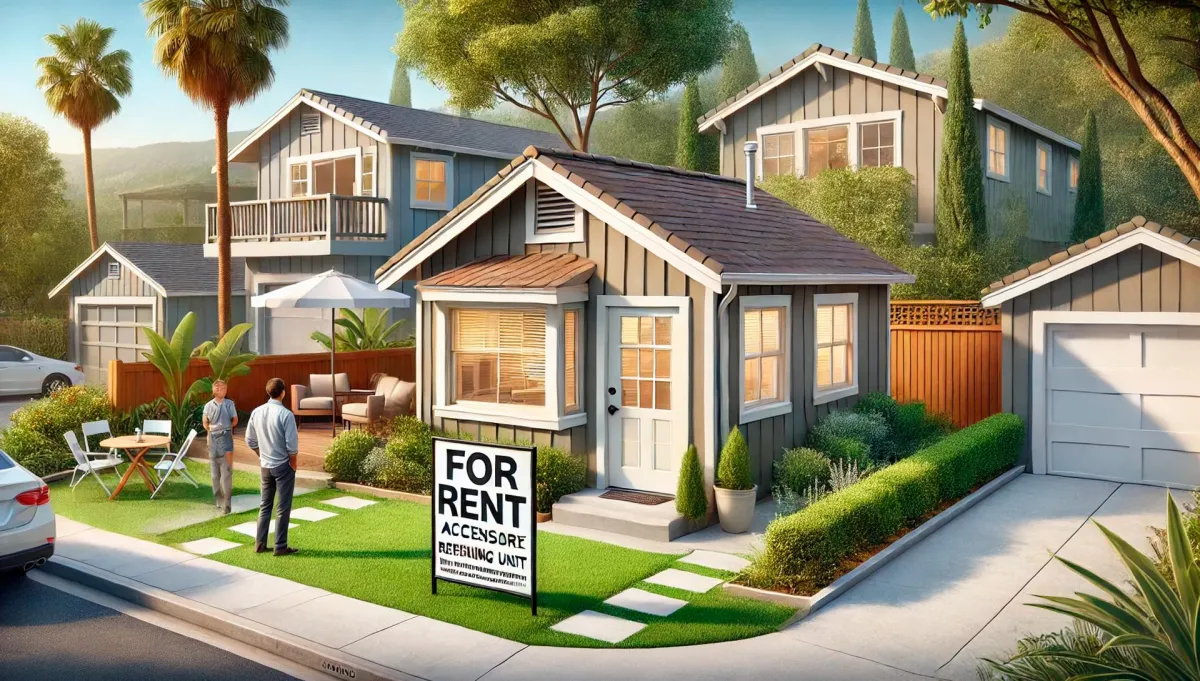
Many homeowners are exploring whether they can rent out an ADU to generate additional income and create more housing options in their communities.
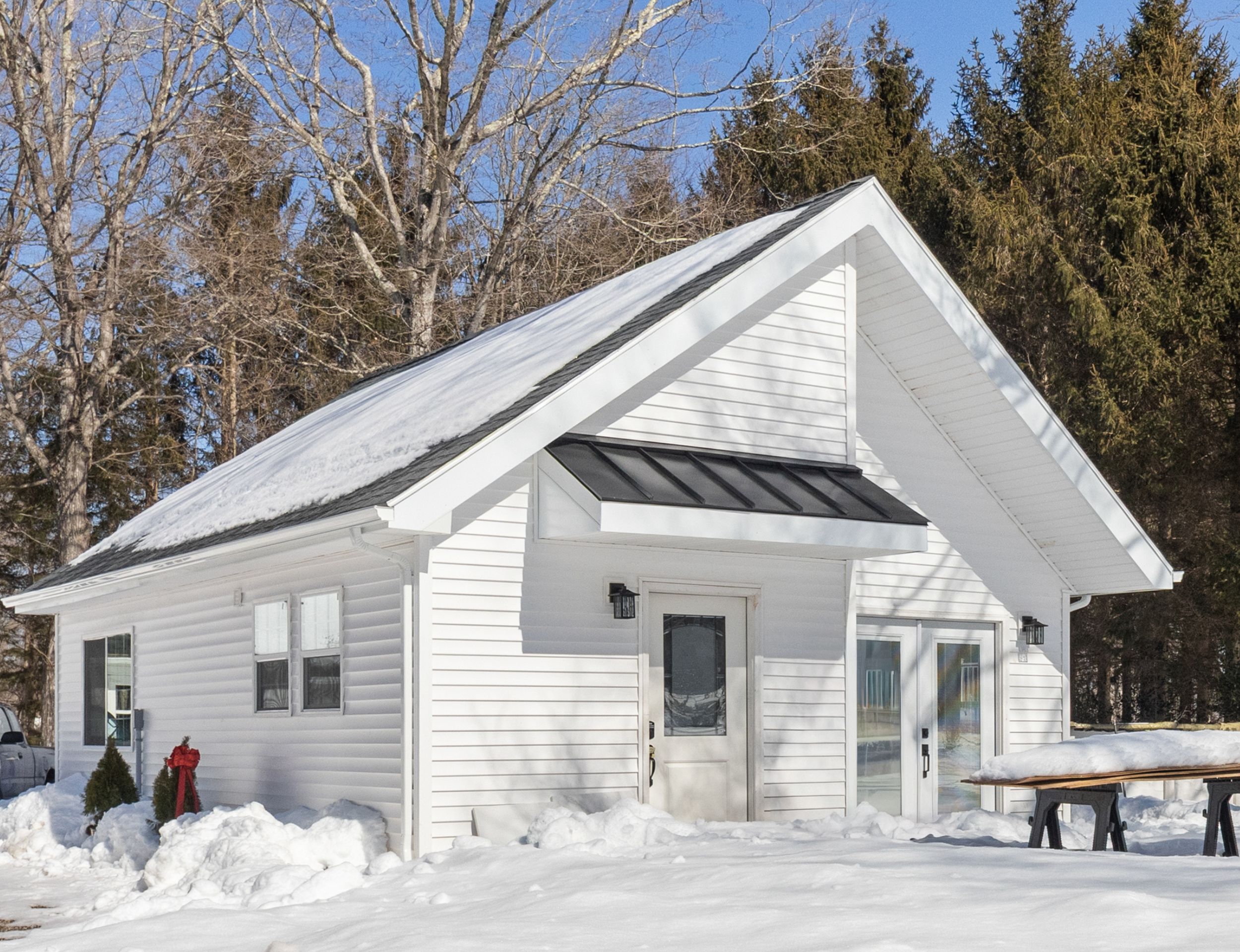
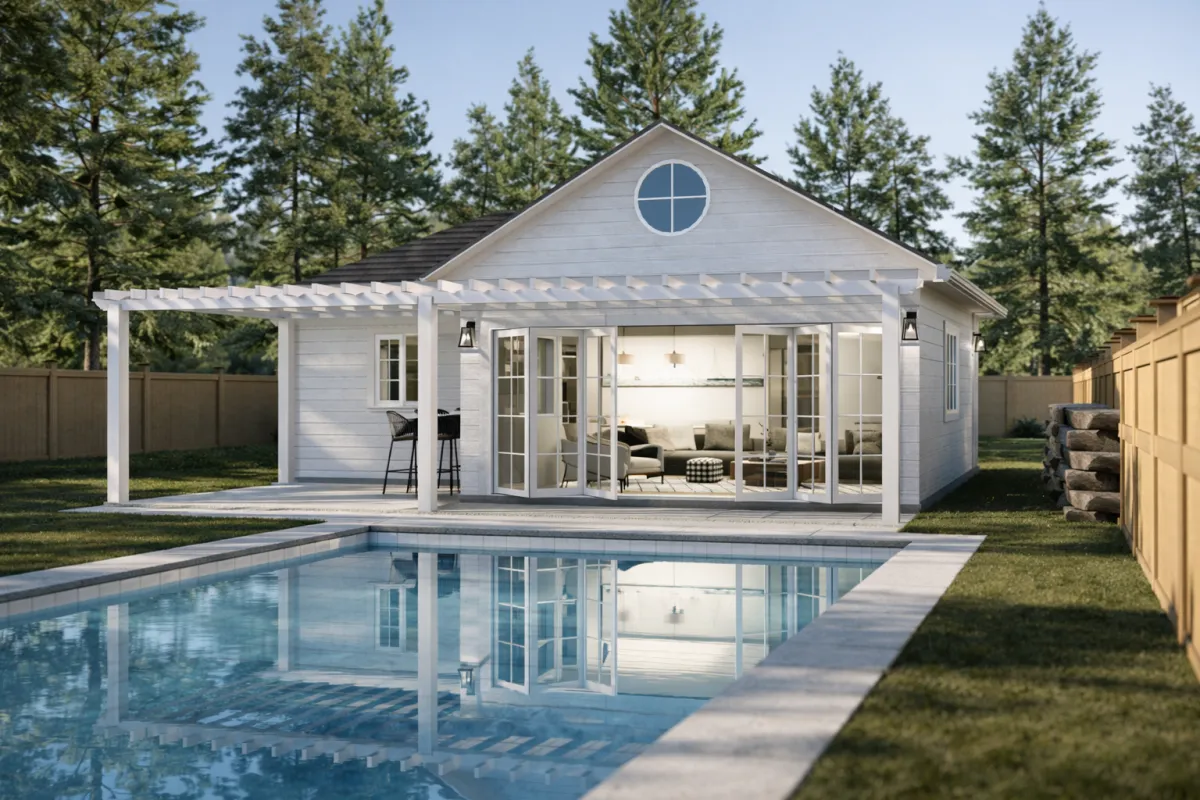
An Accessory Dwelling Unit (ADU), sometimes called a backyard home, in-law suite, or secondary dwelling, can provide a flexible living space while also serving as a valuable rental property.
In this guide, we will explain the legal considerations, steps to renting out an accessory dwelling unit, potential benefits, and challenges so homeowners can better understand whether renting out an ADU is the right move.
Can You Legally Rent Out an ADU?
Before listing your ADU as a rental property, it is important to understand whether local laws allow homeowners to rent out an accessory dwelling unit.
Zoning and Permitting Requirements
Local zoning rules determine whether a homeowner can legally rent out an ADU. These regulations vary by city and municipality, and they often include requirements related to:
Property size and zoning districts
Parking requirements
Owner occupancy rules
Permits and building approvals
Before advertising your unit as a backyard ADU rental, check with your local planning department to ensure the unit is properly permitted and compliant with local regulations.
Understanding Landlord Tenant Laws for ADUs
Once you decide to rent out your ADU, you become a landlord. This means you must follow local landlord tenant laws and rental regulations.
Important considerations include:
Lease agreements
Tenant rights and protections
Security deposits
Maintenance responsibilities
Understanding these rules helps protect both the homeowner and the tenant while ensuring your ADU rental property operates legally.
Steps to Renting Out Your ADU
If local regulations allow it, the next step is preparing your accessory dwelling unit for tenants.
Assessing the Rental Potential of Your ADU
Before listing your ADU for rent, evaluate the rental potential of the property. Consider factors such as:
Location and neighborhood demand
Unit size and layout
Available amenities
Local rental market rates
Researching comparable listings can help you determine a fair price while maximizing ADU rental income.
Preparing Your ADU for Tenants
To attract reliable tenants, your ADU should be safe, functional, and comfortable. Preparing your unit may include:
Completing repairs and maintenance
Ensuring building and safety compliance
Updating appliances or finishes
Cleaning and staging the space
A well prepared accessory dwelling unit rental is more likely to attract long term tenants.
Pros and Cons of Renting Out an Accessory Dwelling Unit
Like any rental investment, renting out an ADU comes with both benefits and responsibilities.
Advantages of ADU Rental Income
One of the biggest advantages of renting an ADU is the potential for consistent rental income.
Benefits can include:
Generating additional monthly income
Increasing overall property value
Creating flexible living space for the future
Helping address housing shortages in many communities
Many homeowners view their ADU rental property as both a financial asset and a long term housing solution.
Challenges of Renting Out a Backyard ADU
However, there are also challenges to consider before deciding to rent out your ADU.
Common challenges include:
Managing tenant relationships
Handling maintenance and repairs
Navigating legal and zoning regulations
Ensuring privacy between the main house and the rental unit
Carefully weighing these factors helps homeowners determine whether becoming an ADU landlord fits their goals.
Tips for Managing Tenants in an ADU
Once you begin renting your ADU, effective tenant management becomes important.
Setting Clear Rental Policies
Clear rental policies can prevent misunderstandings and help maintain a positive landlord tenant relationship.
Consider establishing policies for:
Rent payment schedules
Parking rules
Noise expectations
Maintenance requests
Clear expectations make managing an ADU rental property much easier.
Handling Tenant Concerns and Disputes
Even with clear policies, tenant issues may occasionally arise. Address concerns promptly and maintain open communication.
A professional and respectful approach helps maintain a stable and successful accessory dwelling unit rental.
How to Maximize Rental Income From Your ADU
If your goal is to generate consistent income, there are several ways to increase the value of your ADU rental.
Strategies for Setting ADU Rent Prices
To determine the right rental price:
Research similar listings in your area
Compare square footage and amenities
Evaluate demand for small rental units
Finding the right price helps maximize ADU rental income while still attracting qualified tenants. If you want to estimate potential returns, you can use our ADU rental ROI calculator.
Upgrades and Amenities That Attract Tenants
Certain features can make your ADU stand out in the rental market.
Popular amenities include:
In unit laundry
Private entrances
High speed internet
Outdoor space or patios
Dedicated parking
These upgrades can make your backyard ADU rental more attractive to tenants.
Is Renting Out an ADU the Right Move?
For many homeowners, choosing to rent out an ADU can provide financial flexibility and make better use of their property.
However, it also requires responsibility, planning, and an understanding of local regulations. Before listing your unit, make sure your accessory dwelling unit rental complies with zoning rules and landlord tenant laws.
When managed properly, an ADU rental can provide both steady income and long term housing flexibility.
If you want a clear next step, schedule a free feasibility call to review your property and rental goals.
FAQ About Renting Out an ADU
Can I rent out my ADU if it is not permitted?
Renting out an unpermitted accessory dwelling unit can create legal and financial risks. Many cities require proper permits and inspections before a unit can be legally rented.
How do I determine the rental price for an ADU?
To set a fair price, research comparable rental units in your area and consider factors such as location, amenities, and square footage.
What challenges do ADU landlords face?
Common challenges include navigating zoning regulations, maintaining the property, finding reliable tenants, and managing repairs or tenant concerns.
Not sure how your town handles ADU rentals? Schedule a quick call and we will point you in the right direction.

Copyright 2026. All rights reserved. Norwalk, CT
Connecticut's New Home Construction Contractor License: #NHC.0017654
EPA Lead-Safe Certified NAT-F269966-1