











Knowledge Center: Your Go-To Resource for ADUs and Tiny Living
Knowledge Center: Your Go-To Resource for ADUs and Tiny Living
Email [email protected]
Phone 860-TINY-HOM (es)
What are the most innovative uses for ADUs beyond Housing?
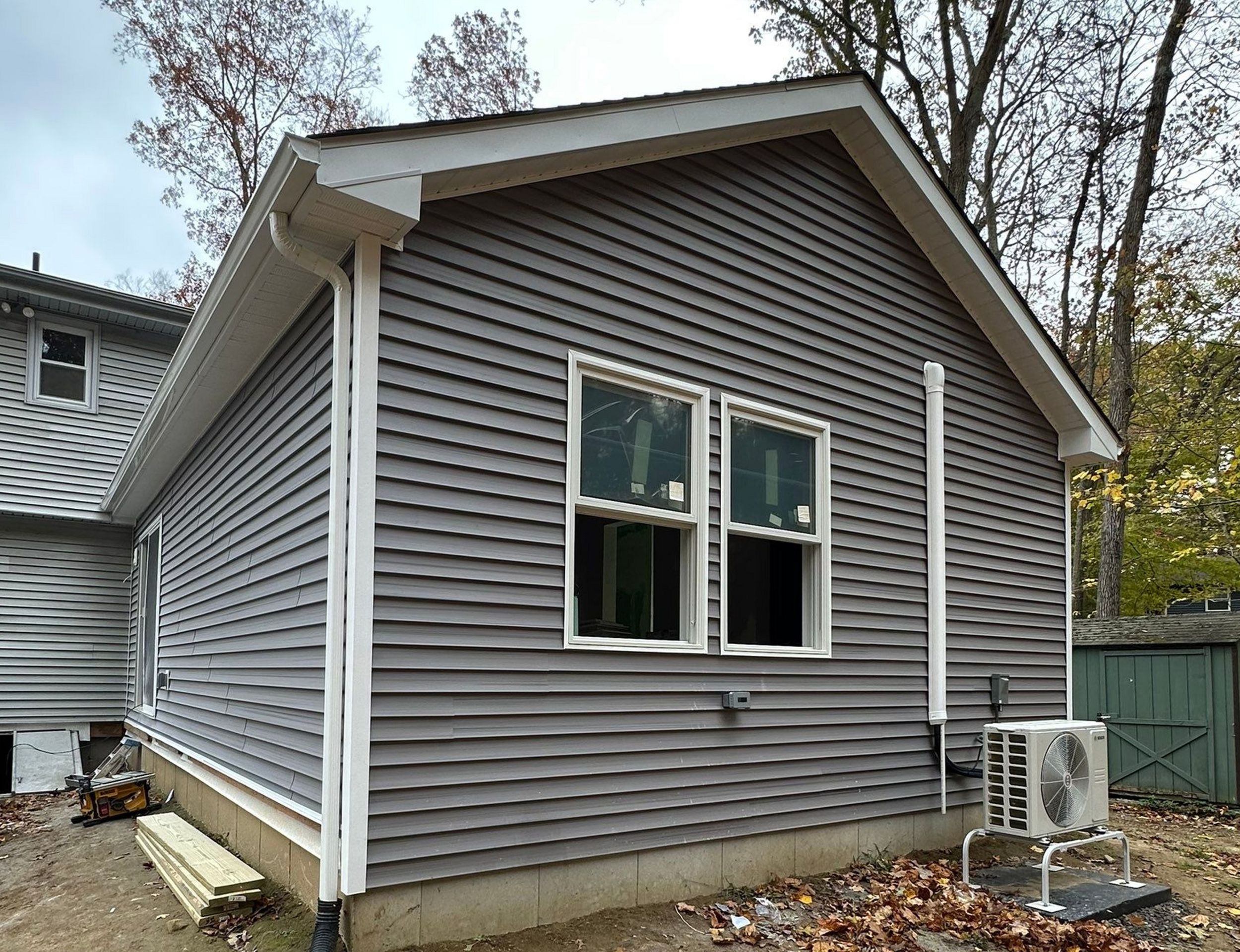
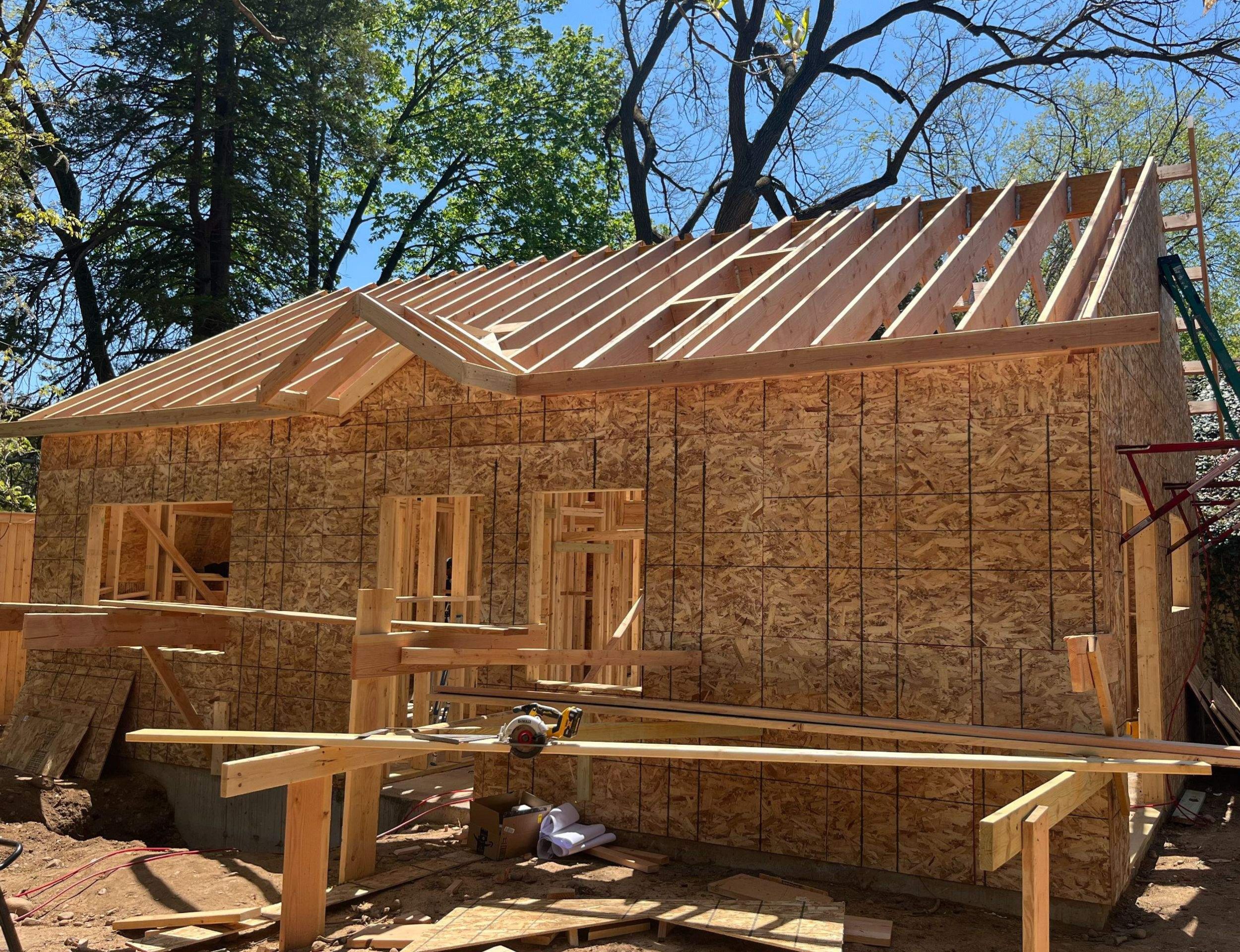
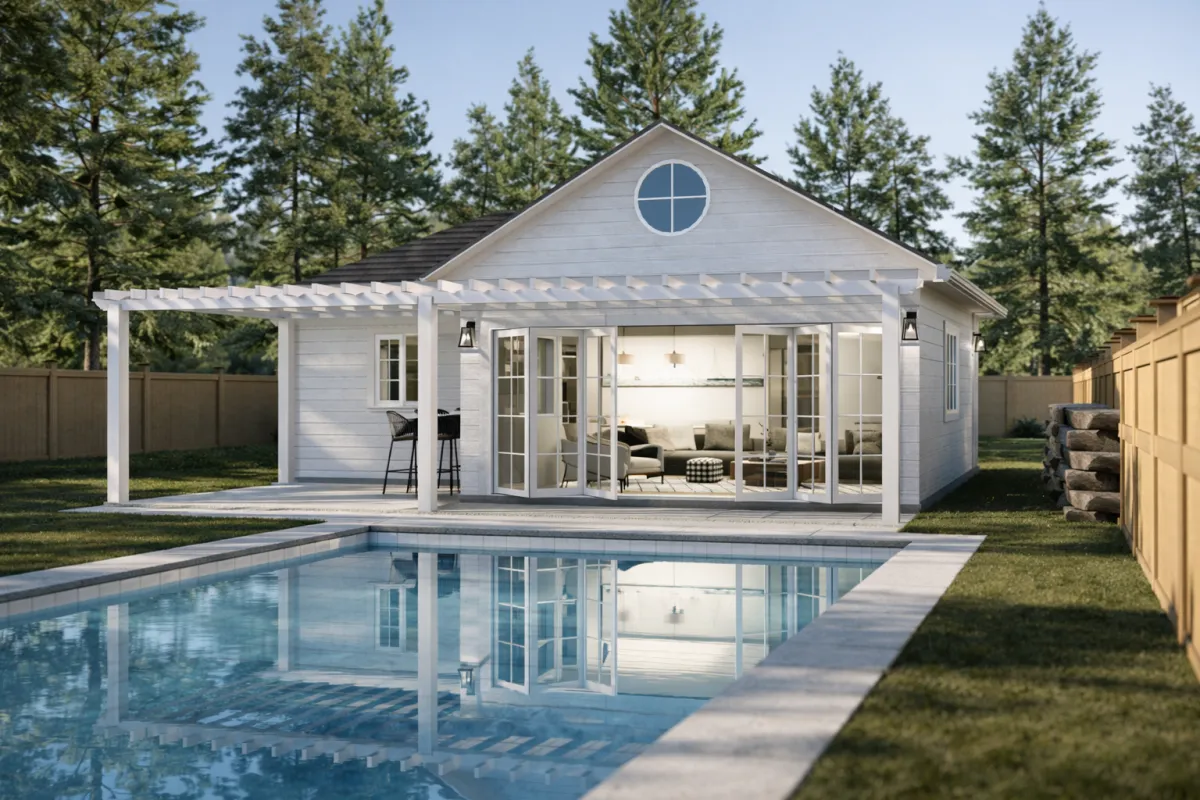
Accessory Dwelling Units (ADUs) have long been recognized as a versatile solution to housing challenges, offering additional space on residential properties. But the innovative potential of an accessory dwelling unit (ADU) goes far beyond a traditional second home. Today, homeowners are using a backyard ADU or backyard cottage as a flexible extension of their lifestyle, work, and community.
Below are cutting edge, practical ways Connecticut homeowners are using ADUs beyond housing, plus design ideas that make these small structures feel surprisingly expansive.
1) Innovative ADU Designs for Multi-Functional Spaces
Compact “Flex Space” Layouts
The best multi use ADUs start with a simple goal: design one space that can shift roles without feeling cramped. Smart layouts with built in zones let the same room work as an office by day and a creative space at night.
Space maximizing ideas:
Murphy beds or wall beds to reclaim floor space
Built in banquettes that double as storage
Sliding doors to separate “work” from “life” when needed
Flexible Furniture and Storage Solutions
Many homeowners underestimate how much storage changes the experience of an ADU. Thoughtful built ins keep the floor clear and make a backyard dwelling unit feel calm, not cluttered.
Consider:
Floor to ceiling cabinetry
Under bench storage
Wall mounted shelving for tools, art supplies, or tech gear
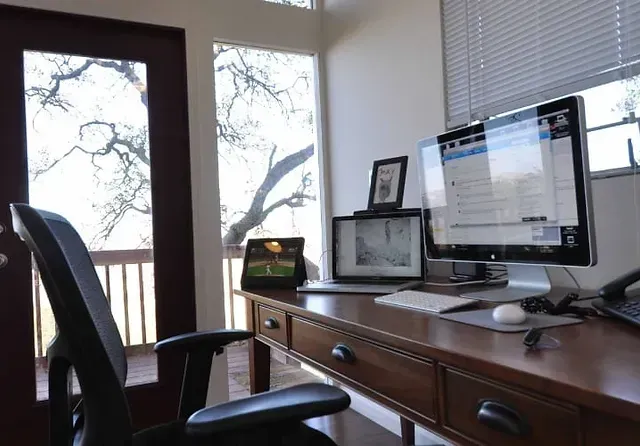
2) ADUs as Home Offices and Remote Workspaces
Designing an ADU for Productivity
A dedicated workspace is one of the most popular “beyond housing” uses because it removes distraction and protects focus. A backyard cottage office is also easier to “leave” at the end of the day, which helps with work life boundaries.
High impact features:
Natural light positioned behind your desk (better for video calls)
Sound control (insulation, solid core doors, acoustic panels)
Enough outlets and a clean cable plan
Technology Integration That Actually Matters
If you are building an ADU as a workspace, plan tech early so it is clean and future proof:
Hardwired internet where possible
Zoned lighting (task lighting plus ambient)
Smart thermostat for consistent comfort during long work sessions
If you are already thinking about ADU construction, this is one of the easiest “value add” use cases to justify the project.
3) ADUs as Wellness Studios and Health Focused Spaces
Not everything “beyond housing” needs to be commercial. Many homeowners use an ADU as a private wellness studio that supports long term health.
Examples:
Home gym and mobility training space
Yoga and meditation studio
Sauna plus cold plunge room (with the right utilities and ventilation)
Quiet recovery space for injury rehab or post surgery routines
Design considerations:
Durable flooring
Ventilation and humidity control
Storage for equipment
Privacy glass or window placement that feels secluded
4) ADUs as Creative Studios, Maker Spaces, and Workshops
Creative Studio Layouts
An ADU can be the perfect studio for painting, writing, photography, or music. The key is designing for the craft, not just the square footage.
Studio friendly features:
North facing light (ideal for many visual arts)
Wash sink and easy clean surfaces
Display walls and gallery lighting for finished work
Workshop and Small Business Functionality
For hands on builders, an ADU can become a workshop that feels more professional than a garage corner.
Add:
Sturdy workbenches
Tool wall storage
Dust management and ventilation
Sound control if you are using power tools
If your property layout makes a detached build difficult, some homeowners explore a garage conversion ADU concept as a path to create a workshop or studio while reusing existing structure, when zoning allows.
5) ADUs for Learning, Coaching, and Client Based Services
A private, separate structure can support services that need quiet and trust. Depending on local rules, homeowners use ADUs for:
Tutoring and study space
Coaching sessions (career, fitness, life coaching)
Podcast or content studio
Small classes or workshops (limited group size)
If you plan to welcome clients, confirm town rules, parking needs, and accessibility basics early. This is where a guided feasibility process helps, because compliance varies by location.
6) Community Friendly Uses for ADUs
Some of the most innovative ADU ideas are community oriented and surprisingly simple:
Micro library or book exchange space
Neighborhood meeting room for small groups
Nonprofit admin workspace
Youth art studio or mentorship space
These uses are especially compelling when your ADU is positioned as a “shared benefit” for the neighborhood, while still staying within local regulations.
7) Sustainability and Resilience Features That Expand ADU Value
Sustainability is no longer just about materials. Many ADUs are designed to reduce long term operating costs and add resilience.
Green Building Materials
Common sustainability upgrades in accessory dwelling unit construction include:
Low VOC paints and healthier interior finishes
Energy efficient windows and insulation
Durable exterior materials that reduce maintenance
Energy Efficient Systems
Depending on site conditions and budget:
Heat pumps for efficient heating and cooling
Smart controls to reduce waste
Solar ready electrical planning (even if solar is not installed day one)
Trends and Opportunities Driving ADU Innovation
Emerging Tech Shaping ADU Development
ADUs are becoming more modular in how they function, even when they are custom built. Expect more demand for:
Flexible interior partitions
Better sound separation
Cleaner tech integration for work and media
Policy Shifts That May Encourage New Uses
Many towns are still evolving how they regulate ADUs. Streamlined approvals and clearer guidelines can open the door to more creative, compliant use cases. Always verify what applies to your specific property and town.
Conclusion
The most exciting thing about an ADU is not just the extra square footage. It is the flexibility. A well planned ADU can become a home office, studio, wellness space, workshop, learning hub, or community asset, all while adding long term property value.
If you are in Connecticut and exploring what is possible, the best first step is feasibility clarity: what your town allows, where the unit can sit, and what utilities and site work may be required. That is the foundation for any successful project, whether you work with ADU builders or an ADU contractor who handles design, permits, and construction.
You can also book for an appointment with us to discuss the potential of your space and see what you can use your ADU for that is aligned with your needs.
FAQ
What are some unique ways ADUs can be used beyond housing?
Popular non housing uses include a dedicated home office, wellness studio, art or music studio, workshop, podcast studio, tutoring space, or small community meeting space. The best option depends on zoning, site constraints, and how you want the space to function day to day.
Are there design considerations for a truly multi functional ADU?
Yes. Plan storage early, use flexible furniture, and create clear zones inside the floor plan. Sound control and lighting matter more than most people expect, especially if you want the space to switch between work and personal use.
How can ADUs support sustainability?
ADUs can reduce sprawl by using existing lots and infrastructure. Efficient insulation, windows, heat pumps, and smart controls can lower energy use, and healthier materials can improve indoor air quality.
Copyright 2026. All rights reserved. Norwalk, CT
Connecticut's New Home Construction Contractor License: #NHC.0017654
EPA Lead-Safe Certified NAT-F269966-1