


















Knowledge Center: Your Go-To Resource for ADUs and Tiny Living
Knowledge Center: Your Go-To Resource for ADUs and Tiny Living
Email [email protected]
Phone 860-TINY-HOM (es)

How Much Does an ADU Cost in Connecticut in 2026? Real Pricing, Hidden Fees, and What Most Builders Leave Out
If you are planning a backyard living space, in-law suite, or second small home on your property, you are probably asking the same question other Connecticut homeowners are searching right now.
How much does an ADU cost in Connecticut?
It is the right question.
It is also the question that gets answered badly most of the time.
Many online estimates make ADU pricing sound simple. It is not. Some builders advertise a low starting number, then the real costs show up later. Septic. Utility trenching. Site work. Permits. Driveway changes. Appliances. Engineering. Wetlands review. Accessibility upgrades. Suddenly that low quote is not the real cost to build an ADU in Connecticut at all.
At Contemporary Tiny Homes, we believe ADU pricing should be transparent, realistic, and based on your actual property. We do not compete by cutting corners on materials or labor. We compete by building high quality ADUs that are designed to last, priced with more honesty, and planned with fewer surprises.
In this guide, we will break down the average ADU cost in Connecticut, what drives your budget up or down, the hidden fees homeowners often miss, and how to compare quotes from ADU builders without getting fooled by a number that was never complete.
What Counts as an ADU in Connecticut?
A lot of homeowners search for a tiny house ADU, in-law suite cost, backyard cottage cost, or tiny home price when they are really trying to understand the price of an accessory dwelling unit.
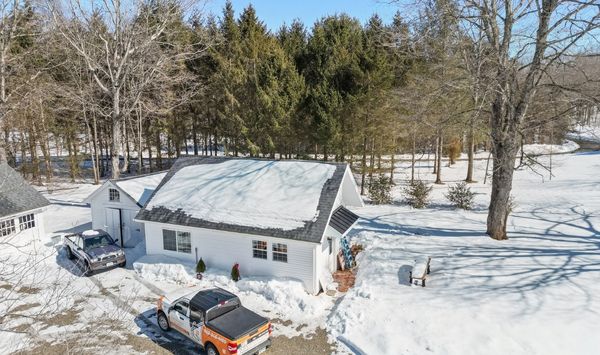
An Accessory Dwelling Unit, or ADU, is a secondary residential unit on the same property as a main home.
In Connecticut, an ADU can be:
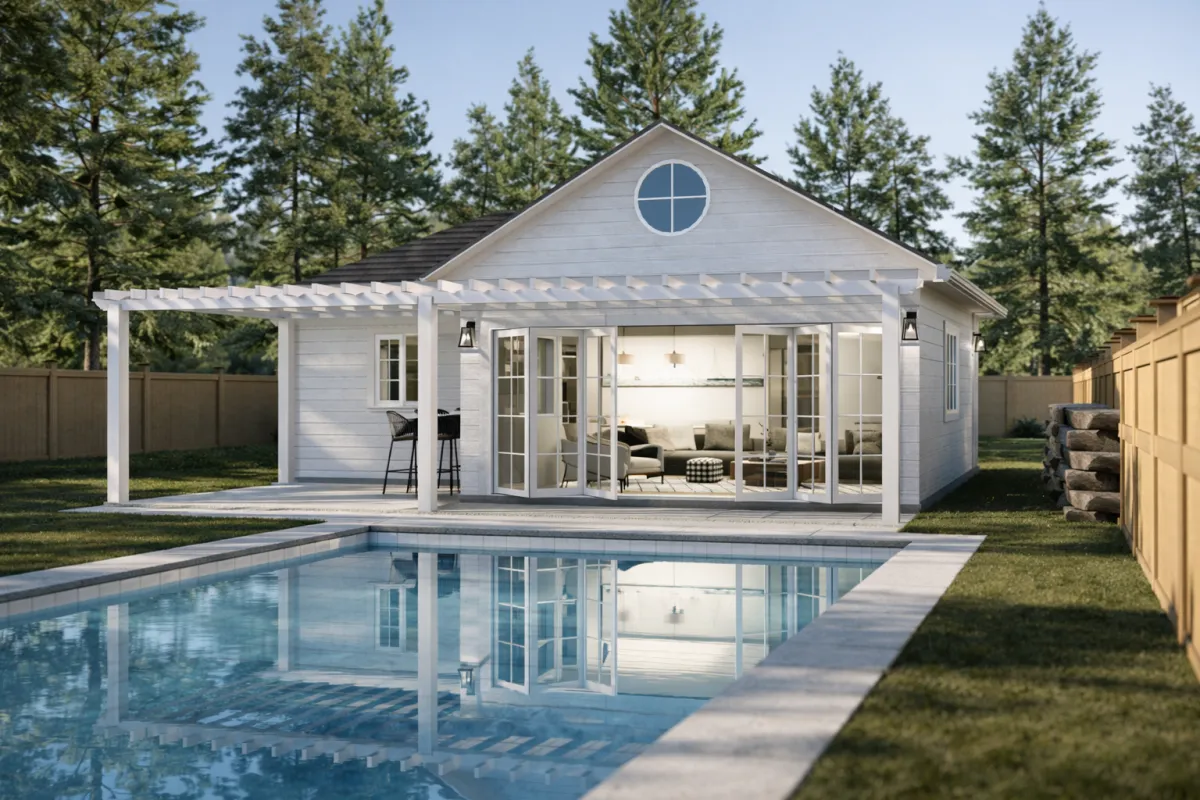
A detached ADU in the backyard
An attached ADU connected to the main house
A garage conversion ADU
A basement ADU when local rules and existing conditions allow it
That matters because the accessory dwelling unit cost can vary significantly depending on the type of ADU, your site conditions, utilities, zoning, and finish level.
What Is the Average ADU Cost in Connecticut?
For most homeowners, the real answer is a range, not a flat number.
There is no honest one-size-fits-all number for ADU cost in Connecticut.
The real cost to build an ADU in Connecticut depends on the type of unit, the size, the finish level, your lot conditions, utility access, town requirements, and how much site work is needed.
That is why a serious pricing conversation should start with three things:
The type of ADU you want
The approximate square footage you need
The real conditions of your property
If you are comparing ADU prices online, treat any generic estimate that ignores those three variables as a teaser, not a real budget.
Detached ADU Cost in Connecticut
A detached ADU is usually the highest-cost path because you are building a separate structure from the ground up.
That means foundation work, framing, roofing, insulation, plumbing, electrical, HVAC, kitchen, bathroom, finishes, and site coordination.
For many Connecticut properties, detached ADU cost is typically higher than other ADU types because you are creating a full, independent structure with its own building systems, utility planning, and site coordination.
Detached ADUs are usually the premium option because they require more from the property and more from the construction process.
Detached ADUs are popular because they offer privacy, flexibility, and strong long-term use cases. They work well for parents, adult children, long-term rental income, guest space, or future downsizing.
Attached ADU Cost in Connecticut
An attached ADU can sometimes cost less than a detached unit, but not always.
Why?
Because tying into an existing structure still requires design work, structural coordination, permit review, utility planning, and often more complicated sequencing than homeowners expect.
The attached ADU cost in Connecticut is often influenced by how easily the new space can connect to the existing home, how much structural coordination is needed, and how complex the utility tie-ins will be.
Attached ADUs can sometimes be more efficient than detached units, but they still require careful planning, permitting, and construction coordination.
Attached ADUs can be a strong option if you want easier access to utilities, less yard disruption, and a design that stays closely connected to the main home.
Garage Conversion ADU Cost in Connecticut
A garage conversion ADU appeals to homeowners who want a more budget-conscious starting point.
Sometimes that works.
Sometimes it does not.
The shell may already exist, but you may still need slab corrections, insulation upgrades, windows, plumbing, electrical, HVAC, fire separation, kitchen build-out, bathroom work, and code-compliant egress.
That is why garage conversion ADU cost can still become a serious investment. Recent 2026 guidance notes that garage conversions are often less expensive than detached new builds, but structural repairs, utility upgrades, and permitting still add meaningful cost.
Basement ADU Cost in Connecticut
A basement ADU can look affordable on paper, but it is not automatically the cheapest route.
Ceiling height, moisture control, egress, insulation, fire separation, ventilation, and layout limitations all matter.
A basement conversion can be a smart path if the existing conditions are strong and the town allows it. But if the basement needs significant corrections, the price advantage can disappear quickly. Contemporary Tiny Homes positions basement ADUs as a cost-effective investment when the existing space is usable, but still notes that zoning, building, electrical, and plumbing approvals are required.
A Better Way to Budget for ADU Construction Cost
Instead of searching for one magic number, it is smarter to think in project tiers.
Tier 1: Simpler Conversion Project
Usually a garage or basement conversion with favorable existing conditions and limited site complications.
Tier 2: Straightforward Attached ADU
A new connected addition with manageable tie-ins, fewer site obstacles, and a clear permit path.
Tier 3: Detached Backyard ADU With Moderate Site Work
This is where many family ADU and rental ADU projects land. You are creating a private backyard ADU with normal construction conditions.
Tier 4: Detached ADU With Complex Site Conditions
This is where budgets can move up quickly because of slope, wetlands, utility runs, septic upgrades, retaining walls, driveway changes, and challenging setbacks.
What Drives ADU Construction Cost Up or Down?
If two homeowners both want an 800 square foot ADU, they still may end up with very different budgets.
That is because ADU construction cost is shaped by more than square footage.
1. ADU Type
Detached ADUs usually cost more than attached ADUs or conversions because they require a full building system from the ground up.
2. Site Work
This is one of the biggest gaps between a teaser quote and a real project budget.
Site work may include grading, excavation, drainage, tree removal, retaining walls, foundation prep, trenching, access improvements, and driveway changes.
3. Utilities
The farther your ADU is from existing connections, the more your budget can move. Water, sewer or septic, electrical, gas, and HVAC planning all matter.
4. Septic Capacity
For many Connecticut homeowners, septic is one of the biggest hidden-cost categories. In your own sales files, septic upgrades, driveway access, wetlands, and leach-field constraints repeatedly show up as the site-work issues buyers worry about most when they ask whether the quote includes everything. That is why this article keeps bringing the conversation back to total project cost, not just base build cost.
5. Accessibility Needs
Aging-in-place design, single-level layouts, zero-step entry, wider doors, safer bathrooms, and easier circulation all shape the budget. These should be planned early, not added at the end.
6. Finish Level
Not every homeowner wants the same kitchen, bathroom, windows, siding, flooring, or appliance package. The real question is whether the quote includes the finish level you actually expect.
7. Town-Specific Zoning and Permitting
Connecticut homeowners cannot rely on a statewide number alone. Local setbacks, parking requirements, lot coverage, utility review, and permit conditions still affect project cost and feasibility. Contemporary Tiny Homes' Connecticut zoning resource stresses that town-level rules, parking, and utility considerations still shape the path forward even where ADUs are generally allowed.
The Hidden Fees That Catch Homeowners Off Guard
This is where pricing gets real.
A low quote can feel attractive because it gives you momentum. But if important categories were never properly scoped, the price was never truly lower. It was just incomplete.
Here are the most common hidden fees and underexplained costs:
Septic Upgrades
If your property is not on city sewer, septic review can change the budget fast. Some projects need little adjustment. Others may require major upgrades.
Utility Trenching and Connection Distance
A detached unit may need longer runs for electrical, water, gas, or sewer tie-ins. The distance matters.
Driveway and Site Access
Can equipment reach the build area? Does the driveway need to be extended or rerouted? Will it cross a septic area or constrained site condition?
Survey, Engineering, and Plan Development
If your survey is old, incomplete, or missing, the project can slow down and get more expensive.
Appliances and Final Selections
Some homeowners assume the builder's number includes every appliance and finish they have in mind. That is not always true.
Accessibility Upgrades
Zero-step entry, graded walkways, walk-in showers, grab bar blocking, and wider circulation space should be budgeted early.
Why Some ADU Builders Look Cheaper at First
This is the part many homeowners already suspect.
A lower starting price is not always a better value.
Sometimes it simply means the quote leaves out difficult categories until later.
That can include:
Site work not fully scoped
Utility connection costs not clarified
Septic review not addressed
Appliances not included
Parking or zoning complications not discussed
Lower-grade materials assumed
Labor quality or supervision standards left vague
Limited support with feasibility, permits, and coordination
When homeowners search ADU builders, ADU contractors, or even ADU builders near me, they are not just comparing price. They are comparing who will actually help them understand feasibility, permits, site work, and total project scope.
Contemporary Tiny Homes does not aim to be the cheapest quote in the market. We aim to be one of the most reliable Connecticut ADU builders for homeowners who want quality materials, experienced labor, clearer pricing, and a more guided process.
Need a realistic number instead of a generic online estimate? Book a consultation to review your lot, compare detached and attached ADU options, and get a budget conversation built around your actual property.
What Model Types Tell You About ADU Budget Planning
Looking at model types can still help homeowners understand how pricing typically works, even without relying on generic numbers.
Smaller ADUs, simpler layouts, and more straightforward site conditions are usually easier to budget for than larger units with more bedrooms, more plumbing, or more demanding site work.
That is why base model research can be useful in the early stage, but it should never replace a property-specific conversation.
The real question is not just what model you like.
It is whether your lot can support it efficiently, what local approvals may be required, and what project-specific costs may sit outside the base build scope.
That is where many homeowners get misled.
A builder can talk about a model, but if the quote does not account for site work, utilities, septic, access, appliances, and permitting realities, you still do not have a complete picture.

What Connecticut Homeowners Should Ask Before Comparing Quotes
If you are gathering quotes for an accessory dwelling unit cost comparison, ask these questions before choosing a builder.
What exactly is included in the price?
Ask about site work, engineering, appliances, permits, utility tie-ins, finish allowances, and whether the number includes real property-specific review.
What site conditions could change the price?
Ask specifically about slope, wetlands, driveway access, septic, setback issues, and utility distance.
Does the builder help with zoning and permitting?
A lower number loses value fast if the builder leaves you to manage approvals alone.
What finish level is assumed?
Make sure you are not comparing a durable, move-in-ready scope with a stripped-down allowance that only looks cheaper on paper.
What is the process after the quote?
A good Connecticut ADU builder should be able to explain the next steps clearly: feasibility, site review, design, permitting, construction, and final completion.
How to Budget Smartly for a 500 or 800 Sq Ft ADU
Some of the most useful long-tail searches are not broad phrases like ADU cost. They are specific questions like 500 sq ft ADU cost or 800 sq ft ADU cost.
That is because homeowners want to translate a floor plan into a realistic budget.
Here is the smarter way to do that:
Start with the use case: family, rental income, guest space, future downsizing, or accessibility
Decide on the unit type: detached ADU, attached ADU, garage conversion, or basement conversion
Review your site conditions and utilities
Match the finish level to your real expectations
Compare builders based on total scope, not just base price
If you want accurate pricing for a 500 sq ft ADU cost or 800 sq ft ADU cost conversation, the next step is not another generic calculator. It is a feasibility-led review of your property.
Why Homeowners Choose Contemporary Tiny Homes for Honest ADU Pricing
Homeowners are not just buying a structure.
They are buying clarity.
They are buying help with feasibility, zoning, layout decisions, permitting, site constraints, and the many small choices that affect total cost.
That is where Contemporary Tiny Homes stands out.
We focus on durable materials, experienced labor, practical design, and a guided process built around Connecticut homeowners. Our work is designed for real long-term use, whether you need a private space for family, a flexible backyard ADU, or a high-quality rental unit that supports property value over time.
Contemporary Tiny Homes also frames ADUs as solutions for multigenerational living, rental income, and property value growth across its site, while emphasizing feasibility, permitting, and design support as part of the process.
Final Answer: How Much Does It Cost to Build an ADU in Connecticut?
If you want the most honest answer, it is this:
There is no reliable flat price for an ADU in Connecticut unless someone has looked at your actual property and project goals.
A simpler conversion may be more straightforward than a detached backyard home.
A detached ADU with septic concerns, access work, utility trenching, and more complex permitting will require a very different budget conversation than a clean lot with easier utility access.
That is why the right next step is not chasing a generic number.
It is getting a feasibility-based conversation built around your actual property.
Ready to Price Your ADU the Right Way?
If you want a clearer answer than a generic online estimate, schedule a consultation with Contemporary Tiny Homes.
We will help you evaluate whether your property is a fit, compare layout options, identify likely hidden costs, and understand what your ADU may realistically cost in Connecticut before you move too far down the wrong path.
FAQ
How much does it cost to build an ADU in Connecticut?
The only honest answer is that it depends on the type of ADU, your site conditions, utilities, town requirements, finish level, and how much work your property needs before construction can begin.
What is the average detached ADU cost in Connecticut?
Detached ADUs are usually one of the more involved project types because they require a separate structure, full utilities, site coordination, and more independent construction scope.
Is an attached ADU cheaper than a detached ADU?
Often, yes. But not always by as much as homeowners expect. Attached ADUs can reduce some site and utility costs, but tie-in complexity can still make them a substantial investment.
What is the typical 500 sq ft ADU cost?
A smaller ADU is not automatically inexpensive. Even compact units still involve core costs like permits, utilities, site work, and code-compliant construction.
What is the typical 800 sq ft ADU cost?
An 800 sq ft ADU can vary widely based on whether it is detached, attached, or part of a conversion, along with the finish level, utility needs, and site complexity.
Why do some ADU builders quote much lower prices?
Some lower quotes leave out project-specific costs such as septic upgrades, utility trenching, site work, appliances, engineering, or permit-related coordination. The price looks lower upfront but becomes much higher once the full scope is revealed.
Does an ADU increase property value?
An ADU can increase property value by adding flexible living space, multigenerational functionality, and in some cases rental potential, but the impact depends on location, quality, zoning, and market demand.
Is an in-law suite the same as an ADU?
In everyday conversation, many homeowners use the terms interchangeably. In practice, an in-law suite is often the plain-language version of an ADU when the goal is a separate living space for family on the same property.

Copyright 2026. All rights reserved. Norwalk, CT
Connecticut's New Home Construction Contractor License: #NHC.0017654
EPA Lead-Safe Certified NAT-F269966-1