












Knowledge Center: Your Go-To Resource for ADUs and Tiny Living
Knowledge Center: Your Go-To Resource for ADUs and Tiny Living
Email [email protected]
Phone 860-TINY-HOM (es)
How Much Can I Charge for Renting Out an ADU?
Deciding how much to charge for renting out an ADU can feel like a big question for any homeowner. Whether you call it an ADU, an accessory dwelling unit, a backyard cottage, or an in-law suite, the goal is the same: set a rental price that is competitive, attracts the right tenant, and helps you maximize rental income.
The right ADU rental rate depends on more than just square footage. Local demand, unit features, privacy, utilities, and neighborhood appeal all play a role in what renters are willing to pay. If you price your unit too high, it may sit vacant longer. If you price it too low, you could leave monthly income on the table.
This guide breaks down the main factors that affect ADU rental pricing, how to estimate fair market rent, and how to position your accessory dwelling unit as a valuable rental property.
What Affects ADU Rental Rates?
Several factors influence how much you can charge for an ADU rental. Understanding these variables will help you set a rate that reflects the value of your unit and the local rental market.
Local Rental Market Trends
The first step is to research rental prices in your area. Look at comparable small homes, studio apartments, one bedroom rentals, guest houses, and other ADU style units nearby. Pay attention to current demand, vacancy rates, and how quickly listings are being rented.
If similar units are renting quickly, you may have room to charge more. If the market is slower, competitive pricing may help you secure a tenant faster.
Size, Layout, and Privacy
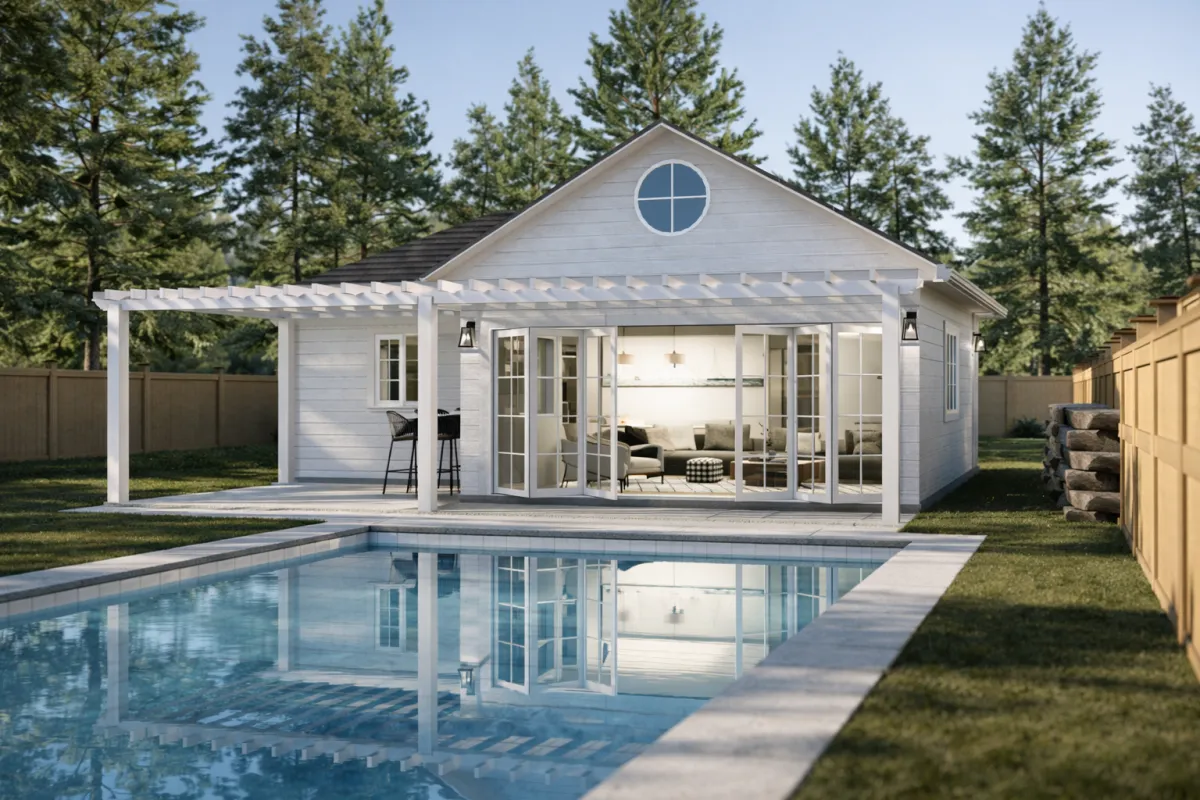
The size and layout of your accessory dwelling unit will directly impact the monthly rent. A detached ADU with a private entrance, separate outdoor area, and strong privacy often commands more than an attached unit with shared access.
Renters also tend to value:
One bedroom or two bedroom layouts
In-unit laundry
Full kitchen
Dedicated parking
Storage space
Modern finishes
Private patio or yard area
Amenities and Utilities
Amenities can increase perceived value and justify a higher monthly rental rate. If utilities are included, that convenience may support stronger pricing. High speed internet, newer appliances, air conditioning, and updated design can also improve your ADU rental appeal.
Neighborhood Desirability
Location matters. An ADU in a neighborhood close to schools, shopping, public transportation, hospitals, or major employers may support higher rent. Safety, walkability, and overall neighborhood appeal also affect how much tenants are willing to pay.
How to Calculate a Fair Rental Price for Your ADU
There is no one size fits all number for ADU pricing. A strong rental strategy usually combines cost awareness with market research.
Use a Market Based Approach
The best way to estimate ADU rental income is to compare your unit to similar rentals in your area. Search for units with similar size, features, privacy level, and location. This gives you a realistic view of current ADU rental rates.
When reviewing comparable listings, ask:
How many bedrooms and bathrooms does the unit have?
Is it detached or attached?
Are utilities included?
Does it have parking?
Is it newly built or older?
How private is the living space?
This helps you position your ADU competitively without guessing.
Factor in Your Ownership Costs
Even if the market sets the rent ceiling, you should still understand your own costs. Consider:
Mortgage or financing costs
Property taxes
Insurance
Maintenance and repairs
Utilities
Landscaping
Property management, if applicable
This will help you determine whether the rental price supports your income goals and long term return on investment.
Balance Monthly Cash Flow and Vacancy Risk
Many homeowners focus only on charging the highest possible rent. But the best outcome is often a balance between strong monthly income and low vacancy. A slightly lower rate that keeps your ADU occupied can outperform a higher asking price that leaves the unit empty for weeks.
Ways to Increase the Rental Value of an ADU
If you want to charge more for your backyard cottage or in-law suite, small upgrades can make a meaningful difference.
Add Features Renters Actually Want
Features that often improve ADU rental value include:
Private entrance
Washer and dryer
Dishwasher
Air conditioning
Good natural light
Sound separation
Dedicated parking
Outdoor seating area
These details can help your unit stand out in a competitive rental market.
Improve Functionality and Comfort
Even a smaller accessory dwelling unit can feel more valuable when it is designed well. Open layouts, smart storage, durable finishes, and a comfortable bathroom layout can all support better rent.
Offer Flexible Lease Terms Carefully
Some homeowners increase occupancy by offering flexible lease terms. For example, a 12 month lease may appeal to long term tenants, while furnished options may attract professionals or family members in transition. Just make sure your lease structure matches local rules and your own management preferences.
Legal and Local Rules to Consider Before Setting Rent
Before listing your ADU for rent, make sure you understand the rules that may affect pricing and occupancy.
Rental Regulations
Depending on your area, local laws may impact how you rent your ADU. These can include:
Lease requirements
Occupancy limits
Short term rental restrictions
Rent control rules, where applicable
Tenant rights and notice requirements
Zoning and Permitting Compliance
Your accessory dwelling unit should be fully permitted and compliant before renting it out. If the unit was built without proper approvals, that can create legal and financial risk. A legal, properly built ADU is not only safer but also easier to market with confidence.
How Location Impacts ADU Rental Income
Location is one of the biggest drivers of rental value.
Urban vs. Suburban ADU Pricing
In more urban areas, ADUs may earn higher rent because tenants want access to jobs, restaurants, and transportation. In suburban areas, renters may pay for added privacy, quieter surroundings, and extra parking.
Access to Everyday Amenities
An ADU near grocery stores, medical offices, schools, parks, and highways may be more appealing than a unit in a less convenient location. Tenants often pay more for convenience and accessibility.
How to Market Your ADU to Attract Better Tenants
Pricing matters, but presentation matters too. The way you market your ADU can influence both the quality of applicants and the rent you can command.
Highlight the Right Keywords in Your Listing
Use clear, natural phrases in your rental listing such as:
ADU for rent
accessory dwelling unit
backyard cottage
in-law suite
private rental unit
detached guest house
small home with private entrance
This helps your listing match what renters are actually searching for while keeping the copy easy to read.
Emphasize Privacy and Lifestyle Benefits
Many renters are drawn to ADUs because they offer something traditional apartments do not. Focus on benefits like:
More privacy
Separate entrance
Quiet residential setting
Comfortable small home feel
Flexible living space
These lifestyle benefits can help justify premium pricing.
How to Estimate the Return on Your ADU Rental
If your goal is long term rental income, it helps to look beyond just monthly rent.
Compare Income Against Expenses
Estimate your annual rental income, then subtract your expected yearly expenses. This gives you a clearer picture of net income and whether your ADU is performing the way you want.
Think Long Term
An ADU can do more than generate rent. It can add flexibility to your property, support multi generational living later on, and increase overall property usefulness. For many homeowners, the value of an accessory dwelling unit includes both monthly cash flow and long term lifestyle options.
We, at Contemporary Tiny Homes, created an ROI Calculator for renting out an ADU to give you a ballpark estimate on how you might be profiting out of your rental ADU.
Conclusion
So, how much can you charge for renting out an ADU? The answer depends on your market, your unit, your location, and the overall rental experience you offer.
A well designed accessory dwelling unit with privacy, modern amenities, and a strong location can often command competitive rent and produce reliable rental income. The key is to study local comparables, understand your costs, and position your ADU in a way that matches what renters are actively looking for.
Whether your unit is a detached backyard cottage, an in-law suite, or a fully independent ADU rental, thoughtful pricing can help you attract better tenants and maximize the value of your investment.
If you want yo see if your property is eligible for an ADU, schedule a call to see the possiblities.
FAQ
How do I determine the right rental price for my ADU?
Start by researching comparable rentals in your area. Look at similar ADUs, small homes, guest houses, and apartments with similar features, privacy, and location. Then compare that market data against your costs and income goals.
Does a detached ADU rent for more than an attached ADU?
In many cases, yes. A detached ADU often offers better privacy, a separate entrance, and a more independent living experience, which can support higher rent.
Can amenities increase ADU rental value?
Yes. Features like in-unit laundry, parking, outdoor space, updated appliances, and included utilities can all improve rental appeal and support stronger pricing.
Is an ADU a good rental income opportunity?
It can be. A well located, properly designed accessory dwelling unit can create steady rental income while adding flexibility and long term value to your property.

Copyright 2026. All rights reserved. Norwalk, CT
Connecticut's New Home Construction Contractor License: #NHC.0017654
EPA Lead-Safe Certified NAT-F269966-1