

















Knowledge Center: Your Go-To Resource for ADUs and Tiny Living
Knowledge Center: Your Go-To Resource for ADUs and Tiny Living
Email [email protected]
Phone 860-TINY-HOM (es)
How ADUs Support Local Economies While Increasing Property Value
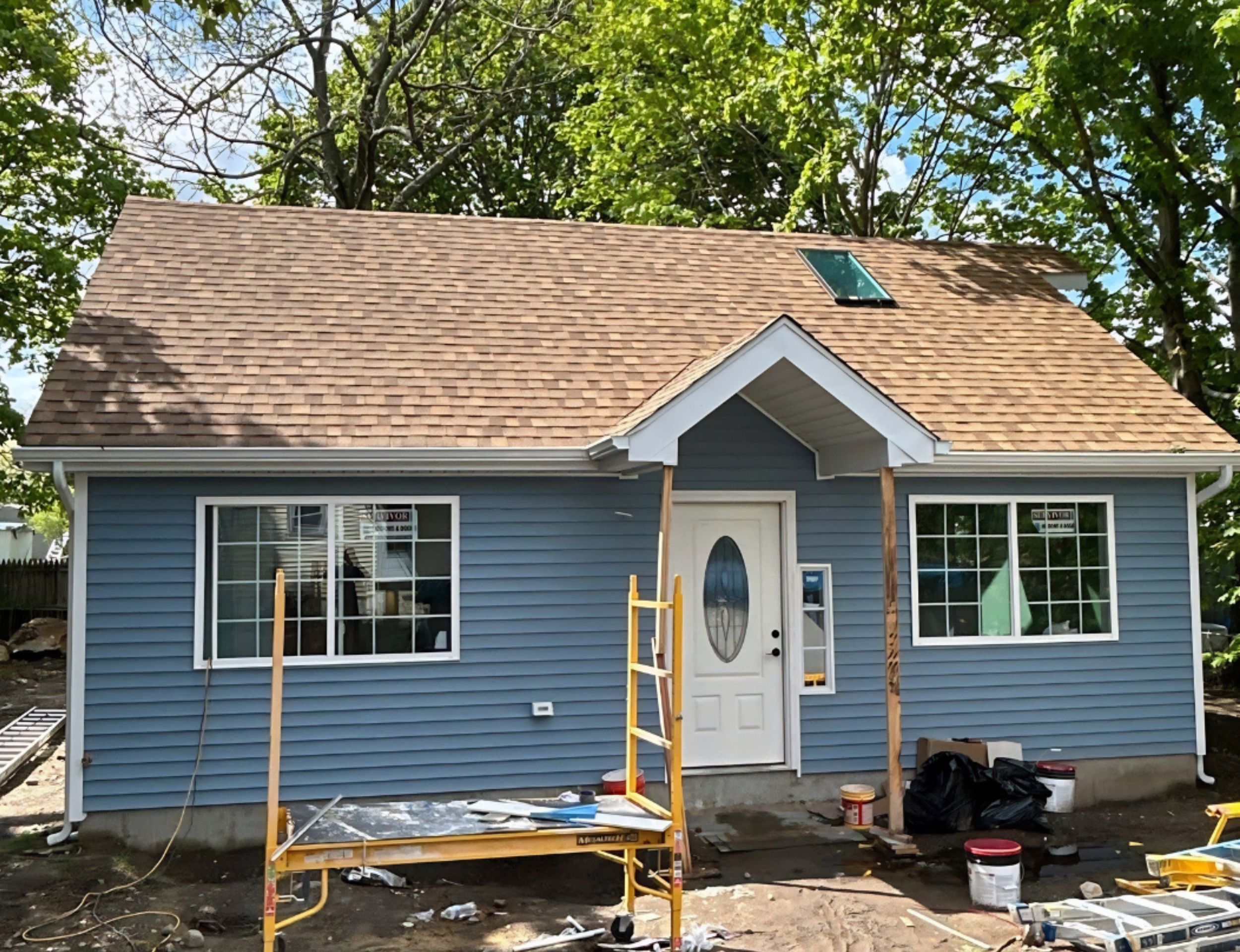
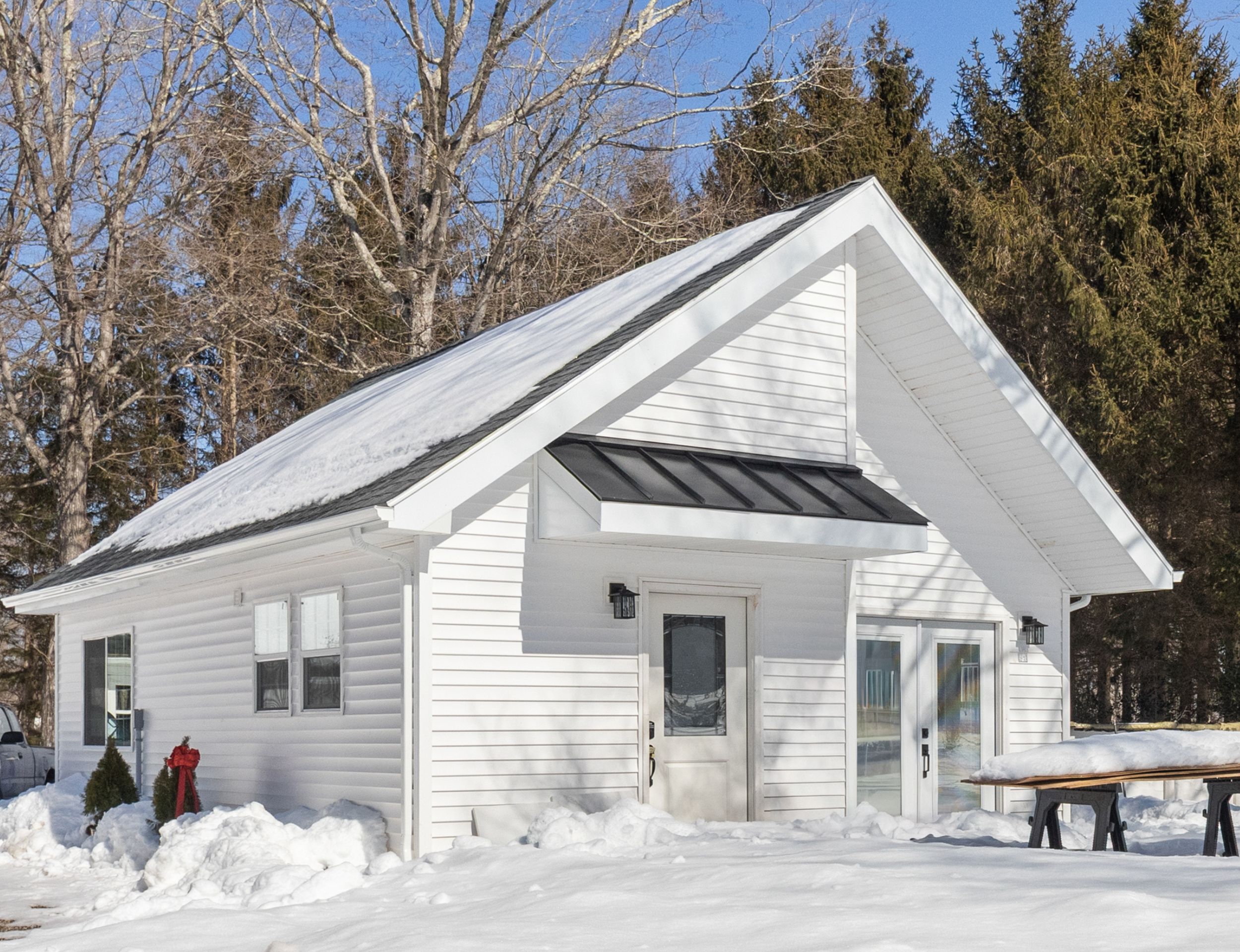
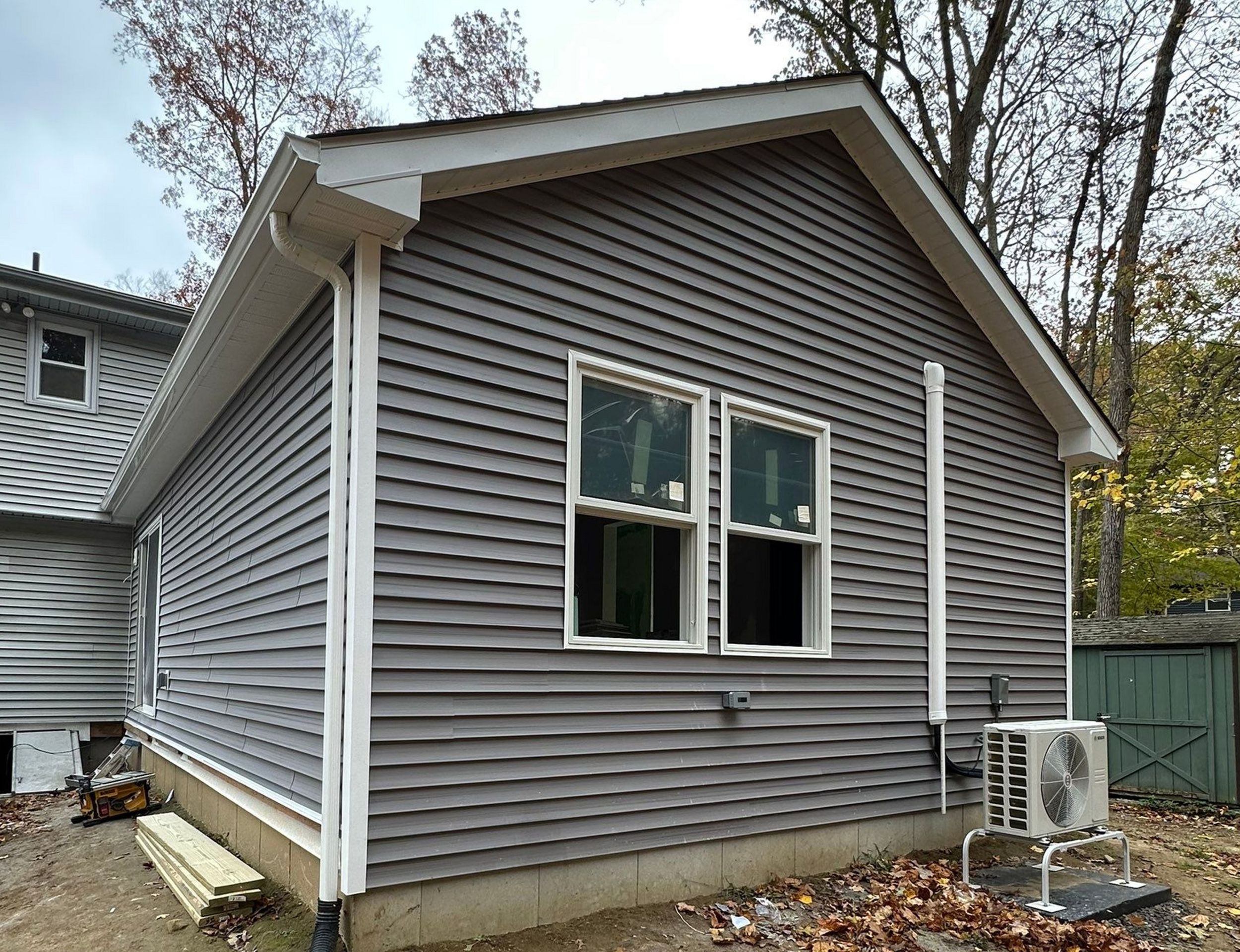
With the increasing demand for affordable housing options and sustainable urban development, Accessory Dwelling Units (ADUs) have become a practical solution for homeowners and communities alike. Also known as an in-law suite, backyard living space, or a second small home on your property, an ADU can help address housing shortages while creating meaningful economic benefits.
This article explores how ADUs can support local economic growth, create jobs, increase property value, and strengthen the long-term financial health of neighborhoods and municipalities.
Economic Benefits of ADUs
Increased Rental Income
One of the biggest financial benefits of an ADU is the opportunity to generate rental income. Homeowners can use an accessory dwelling unit as a long-term rental, a private living space for family, or flexible housing for changing household needs.
For many property owners, this added income can help offset mortgage costs, improve monthly cash flow, or support long-term financial planning. In areas where housing demand remains strong, an ADU can turn unused yard space into a valuable income-producing asset.
Property Value Appreciation
Adding an ADU can also increase the appeal and functionality of a property. Homes with an ADU, in-law apartment, or backyard cottage are often more attractive to buyers looking for flexible living arrangements, multi-generational housing, or rental income potential.
Because of that added versatility, properties with well-designed accessory dwelling units may see stronger buyer interest and improved market value over time.
Job Creation and Local Businesses
Construction and Maintenance Jobs
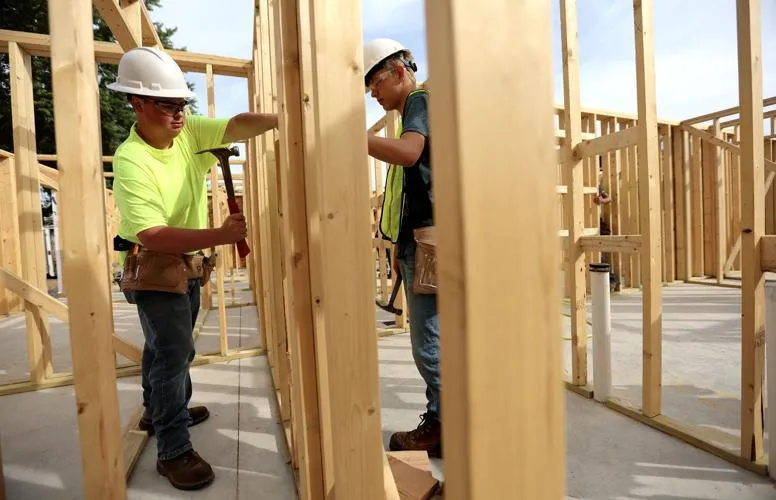
Building an ADU supports a wide range of local jobs. From designers and project managers to builders, electricians, plumbers, and finish crews, every ADU construction project creates work for skilled professionals in the community.
Even after the build is complete, accessory dwelling units can continue to support the local economy through ongoing maintenance, repairs, landscaping, and home services.
Support for Local Businesses
As more people live within existing neighborhoods, local businesses often benefit. Residents of ADUs contribute to demand for nearby restaurants, coffee shops, grocery stores, healthcare providers, and service-based businesses.
This makes ADU development more than a housing strategy. It can also be a way to strengthen neighborhood commerce without relying only on large-scale development.
Increased Property Values and Tax Revenue
Effect on Property Values
As mentioned earlier, ADUs can improve property value by making a home more useful and adaptable. A property with a detached ADU, in-law suite, or backyard home may offer greater flexibility for families, renters, aging parents, or future downsizing plans.
That added function can make the property more competitive in the real estate market and support stronger valuations.
Impact on Local Tax Revenue
When property values rise, local governments may also see increased tax revenue. That additional revenue can help support public services, infrastructure improvements, schools, and community programs.
In this way, ADUs can create economic value not just for individual homeowners, but also for towns and municipalities looking for smart, lower-impact housing growth.
ADUs as Affordable Housing Solutions
Addressing Housing Affordability Challenges
ADUs can help expand the housing supply without requiring major land acquisition or large new subdivisions. Because they are built on existing residential lots, they offer a more efficient way to add housing within established communities.
For homeowners, an accessory dwelling unit can create space for family members, aging parents, adult children, or renters. For communities, ADUs offer a way to increase housing flexibility while preserving neighborhood character.
Potential for More Attainable Rental Options
In some cases, homeowners may choose to rent an ADU at a rate below larger single-family housing options in the same area. While not always formally below market, ADUs can still provide a more attainable rental option because of their smaller size and efficient footprint.
This can help support a wider mix of residents and contribute to more inclusive communities.
Supporting Local Infrastructure and Services
More Efficient Use of Existing Neighborhoods
Compared with major housing developments, ADUs often place less strain on infrastructure because they make use of existing lots, roads, and utility connections. This can reduce the pressure associated with expanding outward into undeveloped land.
When properly planned, an ADU can add housing in a way that feels more gradual, practical, and community-friendly.
Contributions to Local Service Providers
More residents in established neighborhoods can also increase demand for nearby schools, medical services, trades, and small businesses. That steady demand helps circulate money within the local economy and can support a more resilient local service network.
Regulatory Considerations for ADUs
Zoning and Permitting Regulations
Like any residential construction project, ADUs must comply with local zoning, permitting, and building requirements. Clear local rules are essential for encouraging responsible ADU development while protecting safety and neighborhood standards.
For homeowners, understanding these requirements early is important. Working with an experienced ADU builder or team that can guide zoning, permitting, and construction can help reduce delays and uncertainty.
Policy Implications for ADU Development
Local leaders should consider how ADU policy affects housing affordability, neighborhood character, infrastructure, and long-term economic growth. The most effective policies are the ones that make room for more housing options while still maintaining thoughtful standards.
When cities and towns create a clear path for accessory dwelling units, they make it easier for homeowners to invest in their property and contribute to the local economy.
Closing Thoughts
ADUs can be a powerful tool for economic growth at both the household and community level. They can create rental income, support local jobs, strengthen small businesses, increase property value, and expand housing options in a more flexible way.
Whether someone is planning an in-law suite, a backyard living space, or a second small home on their property, an accessory dwelling unit can do more than add square footage. It can create long-term value for the homeowner and the neighborhood around them.
If you are exploring whether an ADU makes sense for your property, a good next step is to talk with a team that can help you understand zoning, site feasibility, design options, and the full building process. Schedule a consultation to discuss your property and see what may be possible.
FAQ
How can ADUs benefit local businesses and job creation?
ADUs support local economies by creating work for contractors, tradespeople, designers, and maintenance professionals. They also bring more residents into existing neighborhoods, which can increase spending at nearby local businesses.
Do ADUs impact property taxes?
They can. In some cases, adding an ADU may increase the assessed value of a property, which can affect property taxes. However, the added functionality, value, and potential rental income may also improve the property’s overall financial return.
What are some common challenges homeowners face when building ADUs?
Common challenges include understanding zoning regulations, securing permits, evaluating site constraints, and managing construction costs. That is why many homeowners look for guidance early in the process before making major decisions.
Can an ADU be used for family and rental purposes?
Yes. Many homeowners build an ADU for flexible use. It may serve as housing for parents, adult children, guests, or renters depending on current needs and local regulations.

Copyright 2026. All rights reserved. Norwalk, CT
Connecticut's New Home Construction Contractor License: #NHC.0017654
EPA Lead-Safe Certified NAT-F269966-1