






















Knowledge Center: Your Go-To Resource for ADUs and Tiny Living
Knowledge Center: Your Go-To Resource for ADUs and Tiny Living
Email [email protected]
Phone 860-TINY-HOM (es)
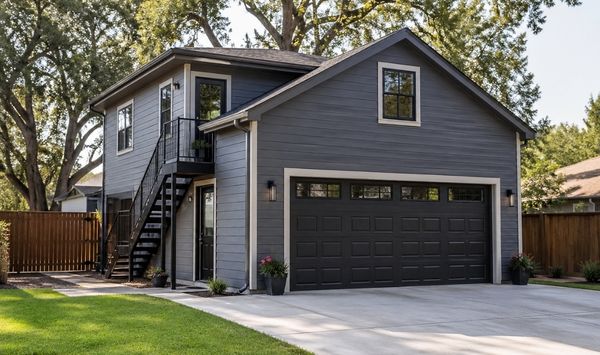
How to Convert a Garage Into an ADU in Connecticut
A garage can become much more than a place for storage, tools, or an unused vehicle.
For many Connecticut homeowners, it can become a private in law suite, a long-term rental, a guest apartment, a home office with living space, or a second small home on the property.
That type of space is usually called an Accessory Dwelling Unit, or ADU.
A garage conversion ADU can be a smart way to use space you already have. The structure is already there, which may make the project feel more approachable than building a new detached ADU from the ground up. But a legal ADU is not the same as a finished garage. It needs to meet zoning, building code, safety, utility, and town approval requirements.
In Connecticut, the best first step is not choosing flooring or cabinets. It is finding out whether your specific garage, on your specific property, can legally and safely become an ADU.
Can You Convert a Garage Into an ADU in Connecticut?
Yes, many Connecticut homeowners can convert a garage into an ADU, but approval depends on your town, your lot, the garage structure, and the utilities available on the property.
A garage conversion ADU in Connecticut typically needs:
Local zoning approval or zoning confirmation
Building permits
A code-compliant kitchen or kitchenette
A bathroom
A sleeping area or bedroom
Heating, cooling, and ventilation
Insulation suitable for living space
Safe electrical and plumbing systems
Proper windows, doors, and emergency egress where required
Fire safety compliance
Septic, sewer, water, and utility review
A final inspection or certificate of occupancy process
This is why working with an experienced ADU builder in Connecticut matters. A garage-to-ADU conversion is both a construction project and a local approval project.
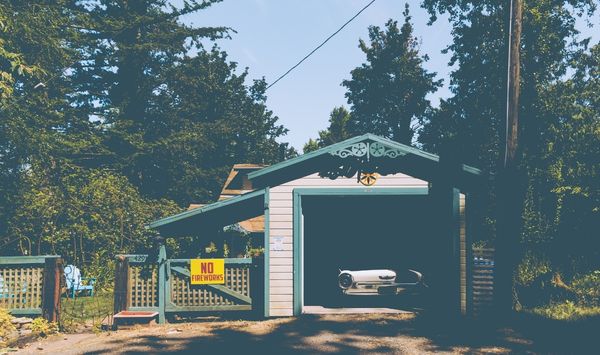
What Is a Garage Conversion ADU?
A garage conversion ADU is an existing attached or detached garage that is converted into a legal, self-contained living unit on the same property as the main home.
A Legal ADU Is More Than Finished Space
A finished garage may have drywall, flooring, lights, and heat. An ADU needs more than that.
A legal accessory dwelling unit usually includes:
A place to sleep
A kitchen or kitchenette
A bathroom
Living space
A private or practical entry
Code-compliant utilities
Approval for residential use
That means a garage ADU must function like a real small home, not just an upgraded bonus room.
Common Garage ADU Uses in Connecticut
Connecticut homeowners often consider a garage conversion ADU for:
An in law suite for aging parents
A private space for adult children
A long-term rental ADU
Guest housing
Caregiver quarters
A downsizing plan for the future
A flexible backyard living space
A tiny home ADU connected to a larger property strategy
The strongest layout depends on who will live there and how long the space needs to work.
Step 1: Check Your Connecticut Town’s ADU Rules
Before you design a garage conversion, check the ADU rules in your municipality.
Connecticut has statewide ADU standards, but towns still play a major role. Your local zoning regulations may affect whether your garage can be converted, how large the ADU can be, how it is accessed, whether parking is required, and whether the unit can be used as a rental.
Local Zoning Questions to Ask First
Ask these questions before spending money on drawings:
Does my town allow garage conversion ADUs?
Is my garage attached or detached, and does that matter locally?
What zoning district is my property in?
What is the maximum ADU size allowed?
Does the town limit the number of bedrooms?
Are there setback, lot coverage, or height issues?
Will I need additional parking?
Are short-term rentals limited or prohibited?
Does my property have wetlands, flood zone, historic district, or coastal review concerns?
If I have septic or a private well, can the system support another dwelling unit?
For many homeowners, this is where the process becomes confusing. A garage may look like an easy conversion, but town rules can determine whether it is actually feasible.
Start With Feasibility Before Design
Want to know whether your property is a fit for an ADU? Schedule a consultation to review feasibility, layout options, town requirements, and next steps for your Connecticut home.
Step 2: Inspect the Garage Structure
Garages are usually built for vehicles and storage. ADUs are built for people to live in.
That difference matters.
A garage conversion ADU must be reviewed for structure, safety, comfort, and code compliance. Some garages are strong candidates. Others need enough upgrades that a new attached ADU or detached ADU may be a better investment.
What an ADU Contractor Should Review
A qualified Connecticut ADU contractor should inspect:
Foundation and slab condition
Wall framing and roof framing
Ceiling height
Moisture or drainage problems
Garage door opening and wall conversion options
Window placement and natural light
Fire separation from the main house, if attached
Electrical panel capacity
Plumbing access
HVAC options
Insulation path
Exterior siding and roof condition
Safe entry and walkway access
If the garage has slab issues, poor drainage, low ceiling height, or limited utility access, the conversion may become more complex.
Attached vs Detached Garage ADU
An attached garage ADU is connected to the main house. It may be convenient for utilities and access, but it can require careful planning for privacy, fire separation, sound control, and entry design.
A detached garage ADU is separate from the main house. It often feels more private and independent, which can be useful for rental income, family privacy, or guest housing. It may require more utility trenching or site work.
Both can work in Connecticut. The right option depends on your town, your property, and your goals.
Step 3: Design the Layout Around Real Daily Living
A strong garage conversion ADU does not feel like someone is living in a former garage. It feels intentional, comfortable, and private.
The layout should be planned around the person who will use the space.
For an In Law Suite
If you are building for a parent or relative, focus on comfort, safety, and independence.
Helpful features may include:
One-level living
A low or no-step entry where site conditions allow
A full bathroom with easy access
A comfortable bedroom
Simple kitchen layout
Good lighting
Laundry access
Privacy from the main home
Space for daily routines, not just sleeping
This is where an in law suite builder in Connecticut can help. The goal is not just extra space. The goal is dignity, privacy, and long-term livability.
For Long-Term Rental Income
If the ADU may become a long-term rental, the design needs to support privacy, durability, and tenant appeal.
Consider:
Separate entry
Sound control
Durable flooring
Efficient kitchen storage
Dedicated bathroom ventilation
Laundry plan
Clear parking and walkway access
Outdoor lighting
Low-maintenance finishes
A well-planned long-term rental ADU can create flexible monthly income, but it still needs to comply with local zoning and rental rules.
For Guest Space or Future Downsizing
Some homeowners want a garage ADU for guests now and a future downsizing option later.
In that case, avoid designing the space too narrowly. A better plan may include a full kitchen, a real bedroom, storage, natural light, and finishes that feel like a small home instead of a temporary suite.
Step 4: Plan Utilities Early
Utility planning can make or break a garage conversion ADU.
A legal accessory dwelling unit needs safe, reliable systems for daily living. That usually means reviewing water, sewer or septic, electrical, heating, cooling, ventilation, and internet needs early in the process.
Utility Items to Confirm
Your ADU builder should review:
Existing electrical service capacity
New circuits for kitchen, bath, laundry, and HVAC
Plumbing path for bathroom and kitchen
Sewer connection or septic capacity
Water supply
Hot water system
Heating and cooling strategy
Exhaust fans and ventilation
Utility trenching if the garage is detached
Whether separate metering is needed or useful
A garage close to the main home’s plumbing may be easier to convert. A detached garage far from the house may require more trenching and site work. A property on septic may need additional review before the town will approve a new living unit.
Step 5: Budget for the Real Cost Drivers
Homeowners often search for garage conversion ADU cost, but the honest answer is that cost varies by structure, town, utilities, layout, and finish level.
A simple finished room is not the same as a legal ADU with kitchen, bath, sleeping space, heating, cooling, insulation, permits, and inspections.
Common Cost Drivers in a Garage Conversion ADU
The largest cost factors often include:
Condition of the garage foundation and slab
Structural upgrades
Plumbing distance
Sewer or septic requirements
Electrical upgrades
Insulation and energy code needs
HVAC installation
Window and door changes
Fire safety requirements
Kitchen and bathroom buildout
Site drainage
Permit and design requirements
Finish level
The lowest online number is rarely the number that matters. What matters is whether the garage can become a legal, comfortable, code-compliant ADU that supports your actual goal.
Should You Convert the Garage or Build New?
A garage conversion may make sense if the structure is sound, utilities are close, the layout works, and the town allows the use.
A new detached ADU may make more sense if the garage is too small, poorly located, structurally weak, needed for parking, or expensive to upgrade.
This is why a feasibility review should come before a design decision.
Step 6: Get the Right Permits
Converting a garage into living space usually requires permits. Converting a garage into a legal ADU requires even more care because the use is changing from vehicle or storage space to residential living space.
Permit requirements can include:
Zoning review
Building permit
Electrical permit
Plumbing permit
Mechanical permit
Health department or septic review
Wetlands or environmental review, when applicable
Fire safety review, when applicable
Final inspection
A strong accessory dwelling unit builder will help coordinate these steps and reduce the chance of missed requirements.
Why Permits Matter
Permits protect the homeowner, the future occupant, and the long-term value of the property.
Unapproved work can create problems when selling, refinancing, renting, insuring, or responding to town complaints. A permitted ADU is a cleaner asset because it has been reviewed for legal use and safety.
Step 7: Build With Long-Term Value in Mind
A garage conversion ADU should not be treated like a quick room remodel. It should be built like a small home.
That means thinking beyond the first use.
Will the space work for family now and rental later? Will it still feel comfortable in ten years? Will it support property value? Will it feel private enough for an adult to live there full-time?
Build Priorities That Help ADUs Age Well
Focus on:
Natural light
Durable finishes
Efficient storage
Sound control
Strong bathroom ventilation
Comfortable heating and cooling
Practical kitchen layout
Good exterior lighting
Safe walkways
Flexible sleeping and living areas
A design that matches the main home where possible
A well-planned ADU can support family living, long-term rental income, and increased property functionality.

Common Mistakes to Avoid When Converting a Garage Into an ADU
Garage conversions can go wrong when homeowners move too fast or treat the project like a basic interior renovation.
Avoid these mistakes:
Mistake 1: Starting Before Zoning Review
Do not assume your town allows your preferred layout. Confirm the rules first.
Mistake 2: Ignoring Septic or Sewer Capacity
For Connecticut homes with septic, this can be one of the biggest feasibility questions. Check early.
Mistake 3: Underestimating Utilities
A garage may not have enough plumbing, electrical, heating, cooling, or ventilation to support a true dwelling unit.
Mistake 4: Designing Without Privacy
An ADU should feel separate enough for real daily living, especially if it will house a parent, tenant, caregiver, or adult child.
Mistake 5: Choosing Finishes Before Solving Code Issues
The structure, permits, utilities, and layout matter before materials and colors.
Is a Garage Conversion ADU Worth It in Connecticut?
A garage conversion ADU can be worth it when the property, structure, and town rules line up.
It can help homeowners create:
A private in law apartment
A safe space for aging parents
A backyard living space for family
A long-term rental ADU
A guest house alternative
More usable square footage
A future downsizing option
Stronger property flexibility
For many Connecticut homeowners, the real value is choice. An ADU can give your family more ways to live on the same property without moving.
When a Garage Conversion May Not Be the Best Option
A garage conversion is not always the right answer.
It may not be the best path if:
The garage is too small for a livable layout
The slab or foundation needs major work
The ceiling height is too low
Utilities are too far away
The town does not allow the use
Parking loss creates a zoning issue
The garage location does not provide privacy
A new detached ADU would create a better long-term result
A good ADU company should help you compare options honestly. The goal is not to force a garage conversion. The goal is to choose the best ADU solution for your Connecticut property.
Work With a Connecticut ADU Builder That Handles the Process
A garage conversion ADU has many moving parts: zoning, feasibility, design, permits, utilities, inspections, and construction.
Contemporary Tiny Homes helps Connecticut homeowners simplify that process. Instead of asking you to figure out the town rules, utility questions, and build sequence alone, the team helps guide the project from early feasibility through planning and construction.
That matters because most homeowners are not just looking for more square footage. They are looking for peace of mind.
Thinking about a garage conversion ADU in Connecticut? Schedule a free consultation to review your property, garage condition, possible layouts, zoning considerations, and next steps.
FAQs
Can I convert my garage into an ADU in Connecticut?
Yes, it may be possible if your town allows ADUs, your garage can meet residential code, and your property can support utilities, access, parking, and septic or sewer requirements.
Do I need a permit to convert a garage into an ADU?
Yes. A garage conversion ADU typically requires zoning review, building permits, trade permits, and final inspections. Requirements vary by town and property.
Can an attached garage become an ADU?
Yes, an attached garage can sometimes become an attached ADU if local zoning allows it and the design meets building code, fire safety, privacy, and utility requirements.
Can a detached garage become an ADU?
Yes, a detached garage may be converted into a detached garage ADU if it meets town zoning, setback, structure, access, and utility requirements.
Does a garage ADU need a kitchen and bathroom?
Yes, a legal ADU generally needs independent living features, including cooking facilities and sanitation. That means a kitchen or kitchenette and a bathroom are usually required.
Is a garage conversion cheaper than building a detached ADU?
Sometimes, but not always. Reusing an existing structure can help, but structural repairs, slab work, plumbing, electrical upgrades, insulation, drainage, and code requirements can change the budget.
Can I rent out a garage conversion ADU in Connecticut?
Many Connecticut towns allow some form of ADU rental, but rules vary. Some municipalities restrict short-term rentals or apply additional local requirements. Confirm your town’s rules before designing the unit around rental income.
What is the first step to convert a garage into an ADU?
The first step is a feasibility review. Confirm your town’s ADU rules, inspect the garage, review utilities, and determine whether a garage conversion, attached ADU, or detached ADU is the best fit.
Final Thoughts
Your garage may already be the starting point for a private in law suite, rental-ready ADU, or flexible second living space.
The key is knowing what is possible before you spend money on the wrong plan.
Schedule a free ADU consultation with Contemporary Tiny Homes to review your Connecticut property, your garage conversion options, and the clearest path forward.


Copyright 2026. All rights reserved. Norwalk, CT
Connecticut's New Home Construction Contractor License: #NHC.0017654
EPA Lead-Safe Certified NAT-F269966-1