



















Knowledge Center: Your Go-To Resource for ADUs and Tiny Living
Knowledge Center: Your Go-To Resource for ADUs and Tiny Living
Email [email protected]
Phone 860-TINY-HOM (es)

Connecticut ADU Planning: What to Know If You Have A Septic System or Well on your property
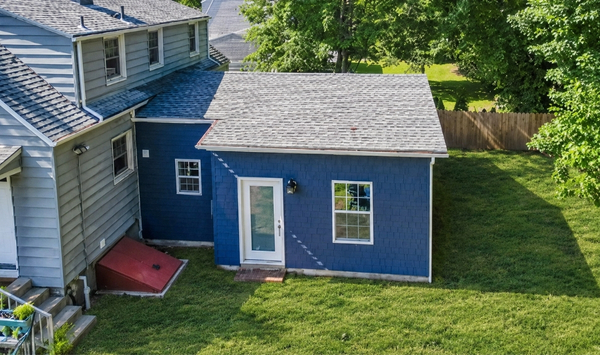
If you are thinking about building an ADU in Connecticut, picking out the floor plan is just as important as determining if it is feasible with the systems you have in place
Whether you are considering an Accessory Dwelling Unit (ADU), home addition, or newly built home in Connecticut, there are some important questions for you to consider from the start:
Can I build an ADU on my property?
If I can, how do I determine if the mechanical systems I have in place are sufficient?
What are the costs involved in this determination and what will it cost to get my property ready to build?
These questions are important because in Connecticut, septic systems, private wells, lot layout, property setback lines, and wetlands can all affect what is possible, how long approvals take, and what the project may really cost.
Find out if your Connecticut property is actually fit for an ADU. Book a feasibility consultation to review your septic, well, layout, and next steps.

Quick Answers:
Can I build an ADU on my property?
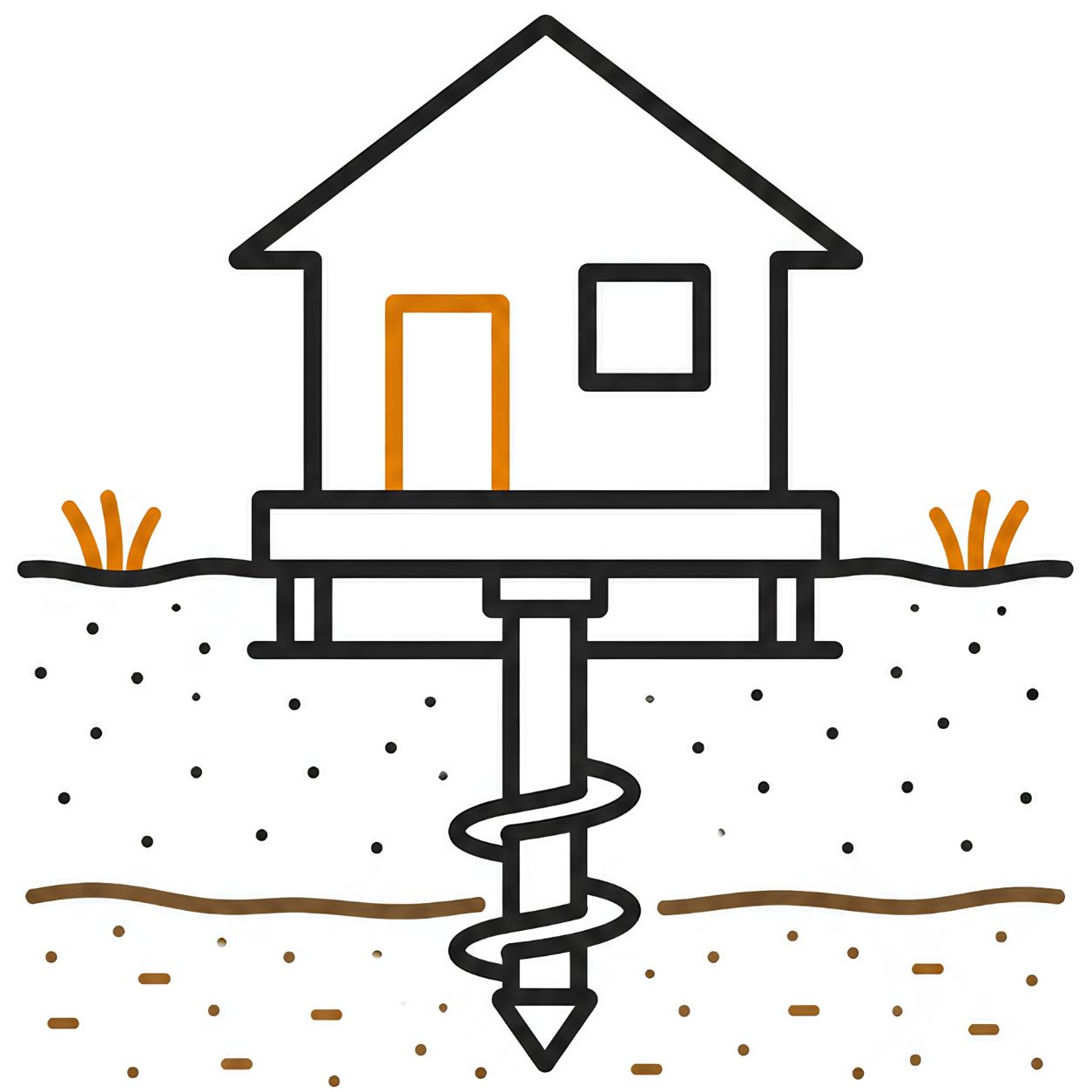
If your property utilizes a septic system or private well, building on your land in Connecticut may need a more detailed feasibility review before you move forward. Septic and Well capacity and location need to be addressed before you can move forward. Generally, no physical structures can be built on leaching fields, so locating them on your property is important.
How do I determine if the mechanical systems I have in place are sufficient?
If you have a septic system and or well on your property, sometimes the easiest way to begin finding out feasibility, is to ask the companies that service them. Finding out the size, location, and capacity of the existing systems is the first step to finding out if they are sufficient, need to be replaced, or need to be added on to.
A second valuable resource is your local health department. In many towns and cities in Connecticut, the health department is the authority that determines requirements for septic systems and wells.
Typically, a septic system size is determined by the number of bedrooms in the property. Finding out if the existing system can accommodate 1 or 2 more bedrooms being added on to it, is a great question to ask.
Something to keep in mind- the larger the septic tank, the larger the required leaching field that comes with it, this will take up more and reduce buildable area on your land
What are the costs involved in this determination and what will it cost to get my property ready to build?
There are a lot of factors that go into the determination of the cost of septic systems and wells, some of the most important that will come into consideration are:
The land itself: heavily wooded, rocky, and steep lots can cause issues with placement of the system and leaching field
Distance from the home- the farther away the system, the more mechanical systems will be needed to connect it to the house
Long term costs involved in maintaining the system
Something that is of great value for all of these considerations is having an A2 Survey. In some cases properties in Connecticut may have one already done. If you don’t physically have one or know if one was done, you can call your local town or city and see if they have a copy of an A2 survey on file and you can request a copy
This survey is the most accurate map of where everything on your property (septic and well included) is located, and makes the building process much quicker and easier. If you don’t have an A2 survey and the town or city doesn’t have one on record, you can hire a local surveyor to have one made.
Something to be aware of and prepared for is the cost. A2 Surveys typically cost over $1,000, but they are an invaluable asset in the short and long term. If you plan to do any work on your property, many municipalities will require you to have an A2 survey on file before they will issue any permits.
Do Connecticut ADU laws help with any of these issues automatically?
Not completely.
Connecticut ADU laws have opened the door for more homeowners to build an accessory dwelling unit, but property-specific conditions still matter. Septic systems, private wells, setbacks, survey clarity, utility runs, and town-level review can all shape the outcome.
That means the real question is not just whether ADUs are allowed in Connecticut.
The real question is whether your specific lot is a fit for the type of ADU you want to build.
That is especially true if your goal is one of these common use cases:
housing a parent while keeping family close with privacy
creating rental income from existing property
building a one-level space with no steps
planning for future downsizing

What to gather before an ADU feasibility review
If you want a faster and more accurate answer, gather as much of this as you can before your consultation:
existing survey or plot plan
septic records, if available
well records, if available
property address and assessor information
any prior site plans or permits
photos of the yard, driveway, and existing home
a rough intended use, such as family ADU, rental income, guest space, or future downsizing
You do not need every document to start. But the clearer the property picture, the easier it is to identify likely issues early.
Final thought
If you are planning a Connecticut ADU, in-law suite, or backyard living space, septic systems, private wells, and A-2 surveys are not side issues. They are often the factors that decide whether a project is simple, more complex than expected, or not feasible in its current form.
The homeowners who move forward with the most confidence usually start with feasibility first.
If you want a clearer answer for your lot, your use case, and your next step, schedule a consultation to review feasibility, layout options, and whether your Connecticut property is a fit for an ADU.


Copyright 2026. All rights reserved. Norwalk, CT
Connecticut's New Home Construction Contractor License: #NHC.0017654
EPA Lead-Safe Certified NAT-F269966-1