



















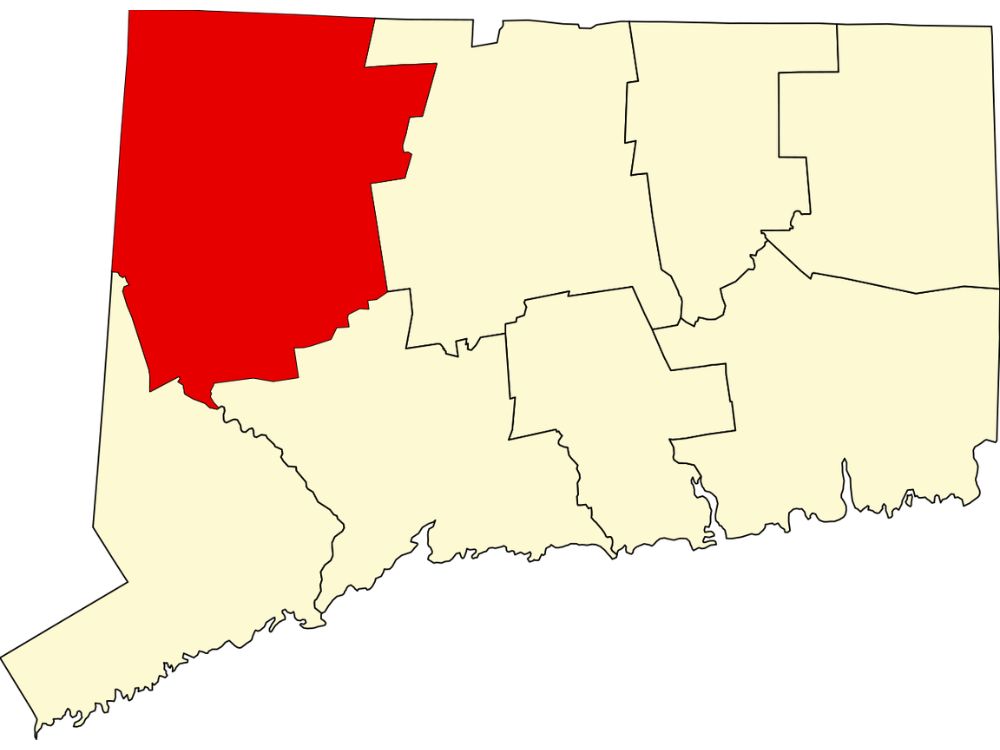
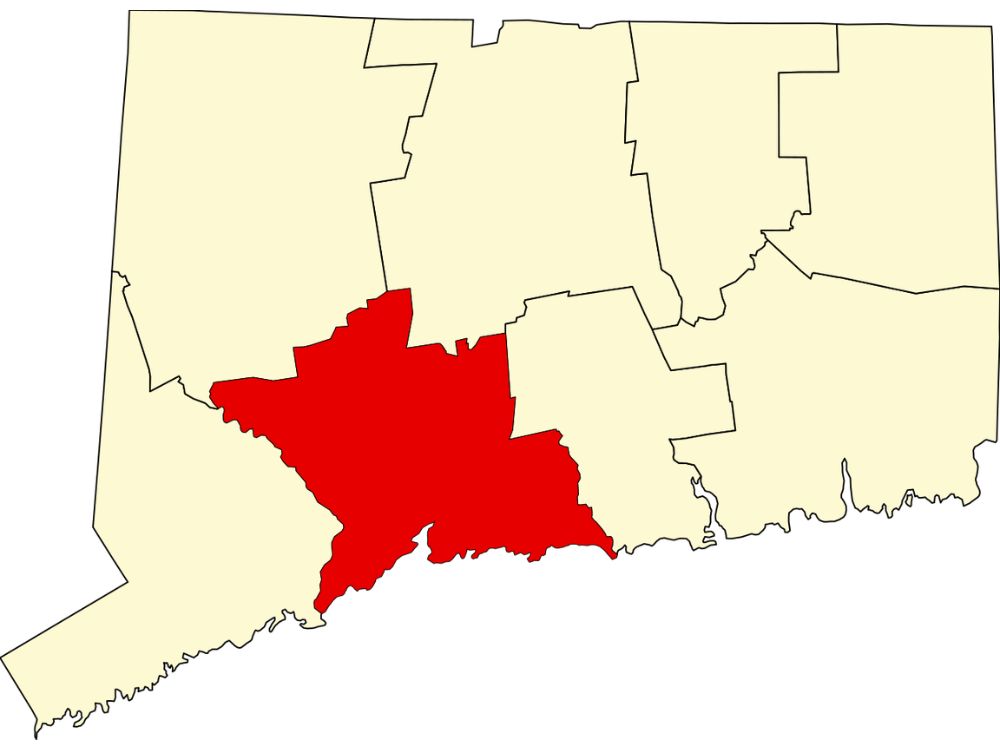
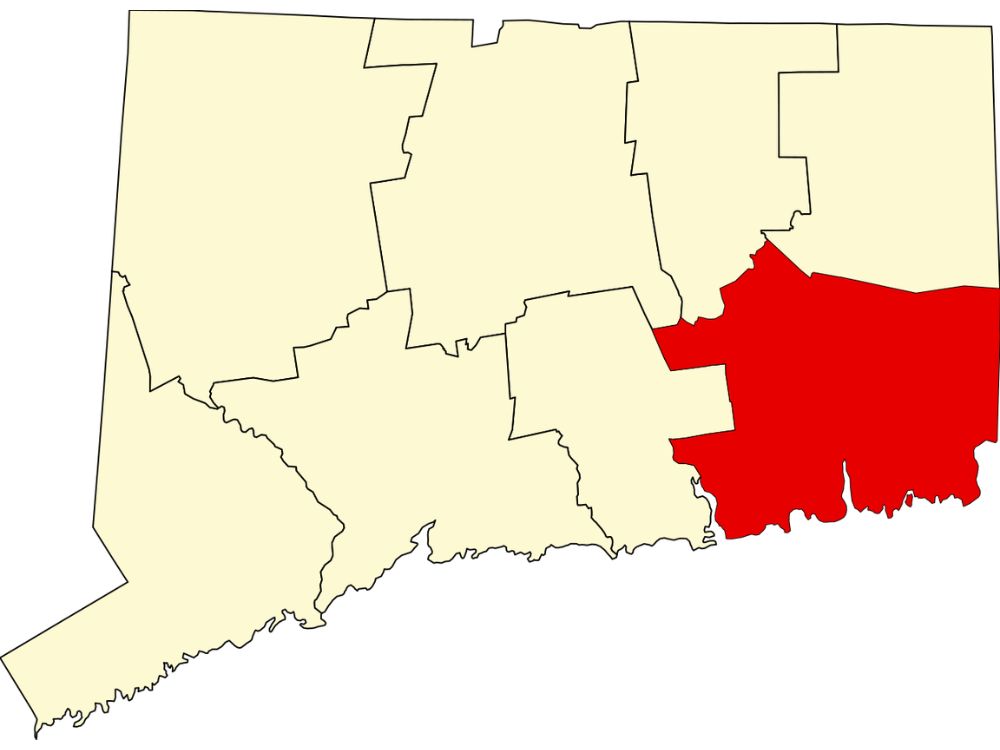
Knowledge Center: Your Go-To Resource for ADUs and Tiny Living
Knowledge Center: Your Go-To Resource for ADUs and Tiny Living
Email [email protected]
Phone 860-TINY-HOM (es)
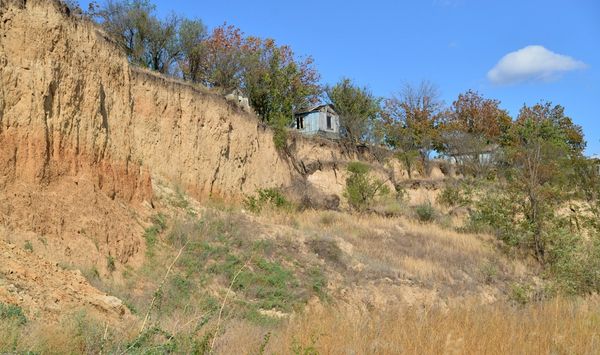
Is it possible to build an ADU on challenging terrain?
If your property is not flat, you are not automatically ruled out of building an Accessory Dwelling Unit. In many cases, a sloped lot ADU is possible with the right planning, engineering, and permitting strategy.
For Connecticut homeowners, the real question is not simply, "Can I build an ADU on a slope or cliff?" The better question is, "Is my property a fit for a safe, code-compliant backyard living space, and what will it take to build it well?"
A hillside ADU or cliff-side ADU can absolutely work. But uneven terrain usually adds more complexity to ADU construction. You may need a more specialized foundation, drainage planning, retaining walls, utility coordination, and a closer look at zoning and site feasibility before construction begins.
Why Sloped Lots and Cliff-Side Properties Require More Planning
Building a detached ADU on a flat backyard is typically more straightforward. When the lot slopes, drops off, or has uneven grade changes, the project often requires more detailed analysis before you can move into design and permits.
Here are the biggest reasons terrain matters:
1. Foundation design changes
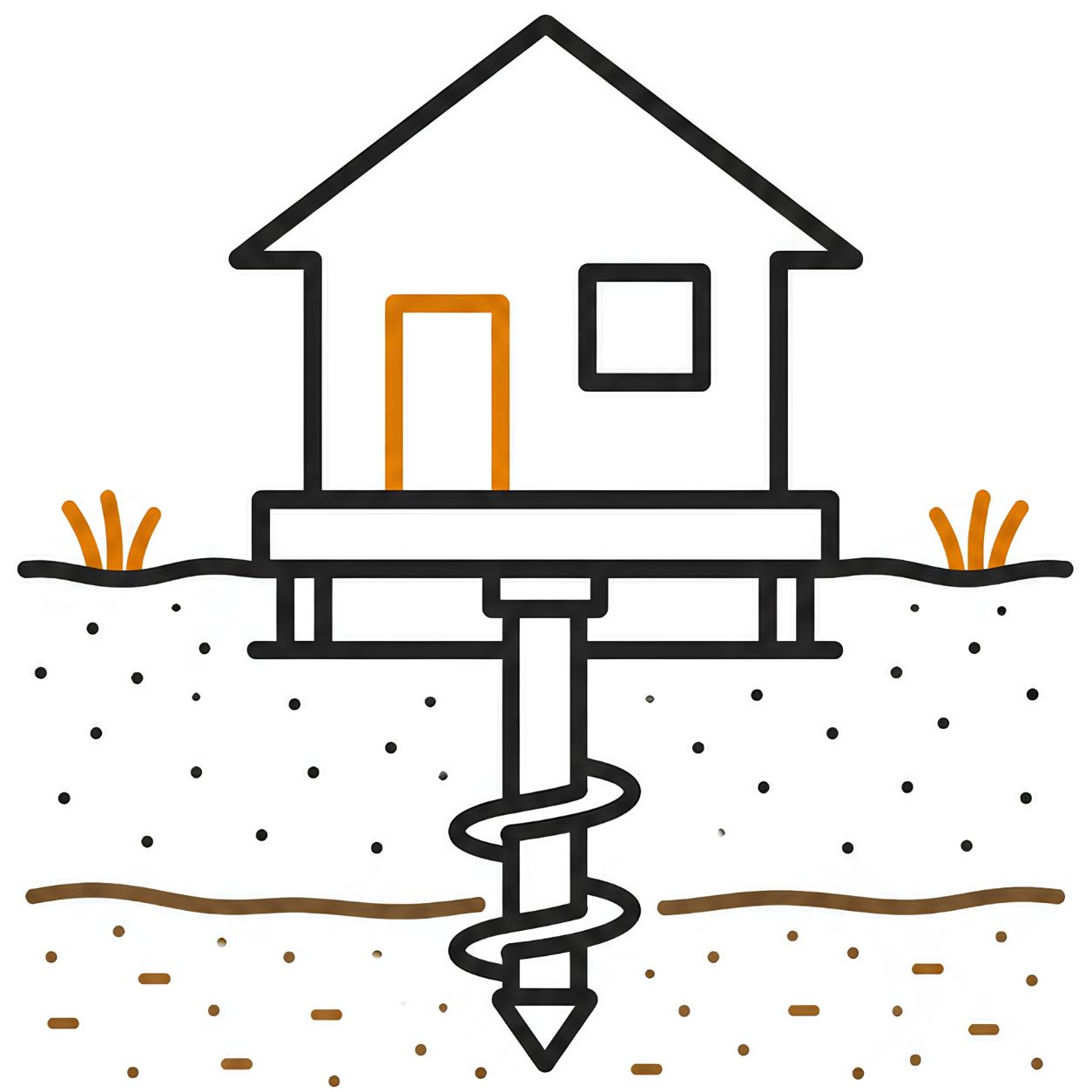
A standard slab foundation may not be the best fit for a sloped site. Depending on the grade, soil conditions, and layout, the project may require stepped foundations, piers, grade beams, or other structural solutions to create a stable base.
2. Drainage becomes a major issue
Water movement matters on any property, but it matters even more on a hillside ADU. Poor drainage can lead to erosion, water intrusion, and long-term maintenance problems. A smart drainage plan should be part of the early feasibility review, not an afterthought.
3. Access can affect the build
On a sloped lot, the challenge is not only where the ADU sits. It is also how crews, equipment, and materials get there. Driveway access, staging space, utility trenching, and safe entry paths all affect the final budget and construction plan.
4. Site work can add cost
Retaining walls, excavation, grading, tree protection, and utility adjustments can all increase project costs. This is one reason early site feasibility is so important for homeowners comparing ADU options.
Can You Build an ADU on a Cliff?
Possibly, yes. But cliff-side properties usually need even more scrutiny than a standard sloped lot ADU.
If your home sits near a steep drop, ledge, or unstable edge, the project team may need to evaluate soil stability, setbacks, erosion risk, drainage patterns, and structural load requirements before a design can move forward. In some cases, the safest path is to shift the ADU location, reduce the footprint, or consider an attached ADU instead of a detached ADU.
That does not mean the project is off the table. It means the property should be reviewed carefully before you spend money on the wrong plan.
Key Site Factors That Determine Feasibility
When homeowners ask about building an accessory dwelling unit on uneven terrain, these are usually the first issues that shape the answer:
Slope steepness
A gentle slope is very different from a steep hillside or cliff-side lot. The steeper the grade, the more likely the project will require additional engineering, grading, or structural support.
Soil and drainage conditions
Soil movement, runoff, and moisture all affect how an ADU foundation should be designed. If the site holds water or channels stormwater downhill, drainage planning becomes even more important.
Septic, sewer, and utility layout
A Connecticut ADU project may involve septic upgrades, tie-in distance issues, or utility routing challenges depending on the location of the main home and the build area. This can be especially important on rural or partially wooded properties.
Setbacks and zoning
ADU zoning rules, setbacks, and municipal requirements still apply, even on difficult terrain. A property may have enough land overall but still face limits based on side yard setbacks, front yard restrictions, wetlands, easements, or buildable area.
Access and usability
A good design is not only about fitting the unit on the lot. It should also work for daily life. That includes walkways, stairs, parking, privacy, and accessibility. For many homeowners building an in-law suite or family ADU, single-level access is a major priority.
Common Engineering and Design Solutions for a Sloped Lot ADU
Every site is different, but there are several common ways a project team may adapt ADU construction to uneven terrain:
Retaining walls
Retaining walls can help create a level building pad and stabilize grade changes around the structure.
Pier or raised foundation systems
On some lots, a raised system makes more sense than extensive excavation. This can help the structure adapt to existing topography instead of forcing the whole site flat.
Stepped foundations
A stepped foundation can follow the natural grade more efficiently than a single flat slab in certain conditions.
Drainage and erosion control
Swales, drains, grading adjustments, waterproofing details, and stormwater planning may all be part of the final design.
Smarter placement on the lot
Sometimes the best solution is not a more complicated structure. It is a better location. Shifting the footprint can reduce grading, protect drainage flow, improve privacy, and simplify permitting.
Detached ADU vs Attached ADU on a Challenging Lot
A detached ADU is often the first choice for homeowners who want privacy, flexible placement, and a separate backyard cottage feel. But on a steep or constrained property, an attached ADU can sometimes be the more efficient path.
A detached ADU may be a better fit when:
there is a buildable area with enough separation from the main home
you want stronger privacy for family, guests, or rental use
the site allows manageable utility access and drainage planning
An attached ADU may be worth considering when:
the slope limits the usable build area elsewhere on the lot
extending the main home reduces site work
you want to preserve more yard space
accessibility is easier to solve closer to the primary residence
The right choice depends on the property, the terrain, and the use case.

Connecticut ADU Permits, Zoning, and Local Review
Even if the terrain is buildable, the project still has to align with local rules. That usually means reviewing zoning, setbacks, lot conditions, utilities, and the specific requirements of your municipality before finalizing the design.
For many homeowners, the biggest mistake is assuming the lot is buildable just because there is open space. On uneven terrain, the real question is whether the specific area you want to use is practical, safe, and likely to gain approval.
This is why early feasibility matters so much. It helps uncover issues like:
front, side, or rear setback conflicts
wetlands or environmental constraints
septic capacity concerns
utility connection challenges
grading and access issues that change the cost
If you are planning a Connecticut ADU, it helps to work with a team that looks at zoning, permitting, site work, and build strategy together instead of treating them as separate steps.
Want a clear next step before making a big commitment? Book a consultation to review your lot, your goals, and the smartest path forward for your ADU project.
Cost Factors for Building an ADU on a Slope
One of the biggest questions homeowners ask is whether a sloped lot ADU costs more than a typical ADU. In many cases, yes.
The reason is not the living space itself. It is the extra work around the living space.
Common cost drivers include:
grading and excavation
retaining walls
specialized foundation systems
drainage improvements
utility trenching and tie-ins
access challenges for equipment and materials
septic upgrades or site corrections where needed
That is why it is smart to treat early numbers as a starting range, not a final project price. Terrain can change the scope.
Best Uses for an ADU on an Uneven Property
A well-planned accessory dwelling unit can still deliver strong value on a sloped property. Homeowners often use these projects for:
an in-law suite for aging parents
a private backyard living space for adult children or guests
a detached ADU for rental income
a one-level living option for future downsizing
a flexible home office or guest house
In many cases, the property challenge is worth solving because the long-term use case is strong. A well-planned ADU may also support long-term property value, especially when it adds flexible living space for family or future use.
Final Thoughts
Yes, you can build an ADU on a slope or cliff in Connecticut. But success depends on more than the idea. It depends on feasibility, engineering, drainage, lot layout, permitting, and choosing the right ADU design for the terrain.
The best first move is not picking a floor plan. It is confirming whether your lot can support the kind of ADU you want to build.
If you are exploring a detached ADU, attached ADU, in-law suite, or backyard cottage on a sloped property, the smartest next step is a feasibility conversation.
Schedule a consultation to find out what is possible on your property, what challenges to expect, and how to move forward with confidence.
FAQ
Can an ADU be built safely on a steep slope?
Yes, in many cases it can. The key is proper site evaluation, engineering, foundation design, and drainage planning before construction begins.
Is a detached ADU better than an attached ADU for a sloped lot?
Not always. A detached ADU offers more privacy and flexibility, but an attached ADU may reduce site work and simplify access on a challenging lot.
Do sloped lot ADUs cost more?
They often do. Extra grading, retaining walls, drainage work, and foundation requirements can increase the cost compared with a similar ADU on flat land.
What should I check first before planning an ADU on uneven terrain?
Start with site feasibility. Look at slope, drainage, utilities, setbacks, septic or sewer layout, and how the ADU will actually be accessed and used.
Is this type of ADU project common for family use?
Yes. Many homeowners explore this option to create an in-law suite, multigenerational living space, or private backyard living space while staying on the same property.

Copyright 2026. All rights reserved. Norwalk, CT
Connecticut's New Home Construction Contractor License: #NHC.0017654
EPA Lead-Safe Certified NAT-F269966-1