


















Knowledge Center: Your Go-To Resource for ADUs and Tiny Living
Knowledge Center: Your Go-To Resource for ADUs and Tiny Living
Email [email protected]
Phone 860-TINY-HOM (es)
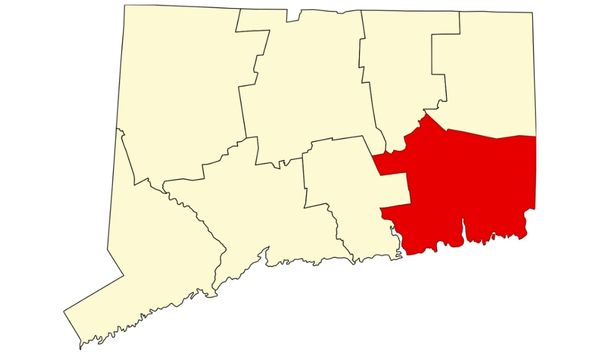
Can I Build an ADU in New London County, CT?
For many New London County homeowners, the first question is simple:
Can I build an ADU on my property?
The honest answer is: possibly, but it depends on your town, your lot, your utilities, and the type of accessory dwelling unit you want to build.
An ADU, also called an accessory dwelling unit, accessory apartment, in law suite, backyard cottage, guest house, private small home, or tiny home ADU, is a secondary living space on the same property as a primary home. In New London County, ADUs can be a practical solution for family housing, aging parents, adult children, long-term rental income, guest space, or future downsizing.
But ADU approval in Connecticut is not based on countywide rules alone. Your project depends on the town where the property is located, your zoning district, setbacks, parking, septic or sewer capacity, water service, wetlands, lot layout, and whether you want an attached ADU, detached ADU, or interior accessory apartment.
That is why the best first step is not choosing a floor plan. It is confirming what is actually possible on your property.
Can You Build an ADU in New London County?
You may be able to build an ADU in New London County if your town allows accessory dwelling units and your property meets local zoning, building code, septic, utility, parking, and setback requirements.
Some New London County towns allow both attached and detached ADUs. Some allow only attached accessory apartments. Others allow detached ADUs with restrictions, special permit requirements, existing structure rules, owner occupancy rules, or size limits. A few locations may not allow standard ADUs in the way homeowners expect.
If you are searching for “ADU builders near me,” “ADU builder Connecticut,” or “can I build an ADU in CT,” the real answer comes down to your exact address. A property specific ADU feasibility review can help clarify whether your town allows ADUs, whether your lot can support one, and what zoning, utilities, parking, or septic issues may affect the project.
What Is an ADU in Connecticut?
An accessory dwelling unit is a secondary dwelling unit located on the same lot as a larger principal home. It usually includes living space, a bathroom, sleeping area, and kitchen or cooking facilities.
Connecticut homeowners often use several terms when researching ADUs, including accessory apartment, in law suite, mother-in-law apartment, backyard cottage, guest house, detached ADU, attached ADU, and tiny home ADU. These phrases may sound different, but the town will care about how the space is built, occupied, connected to utilities, and permitted.
For zoning and permitting, wording matters. A “tiny home” in New London County is not automatically an approved ADU. A tiny home can only function as an ADU when it is designed, permitted, connected to utilities, and built as a code compliant accessory dwelling unit.
Connecticut’s Connecticut ADU laws provide a broader framework for accessory apartments, but local towns still play a major role in ADU regulations, zoning approval, permit review, parking, septic, and design requirements.
Why New London County ADU Rules Are Town Specific
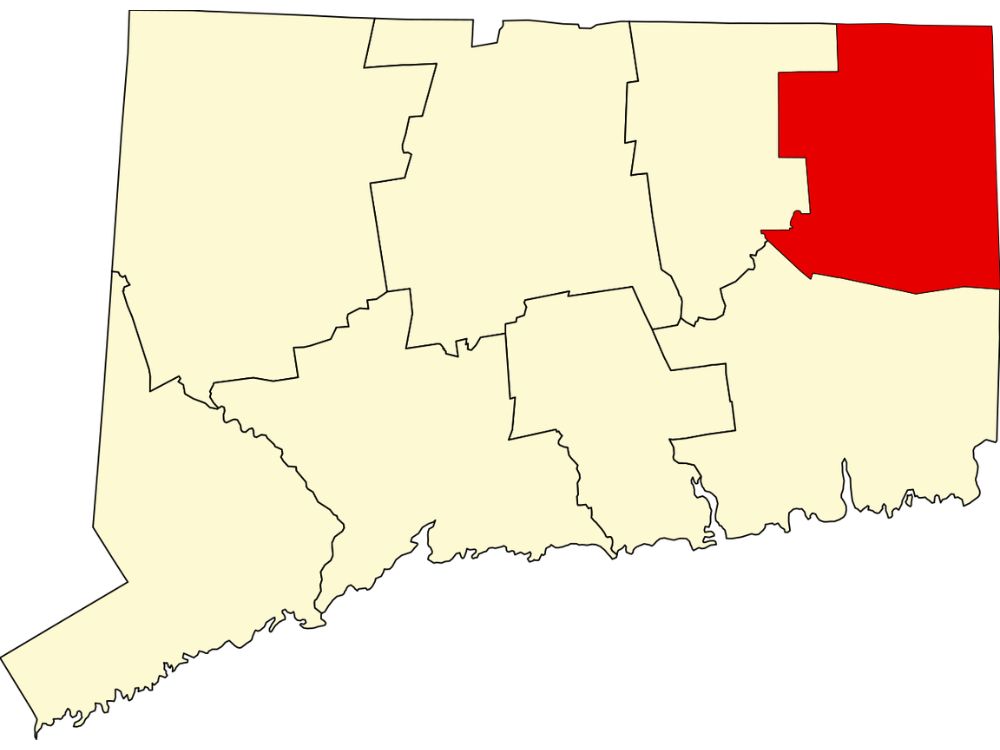
New London County includes New London, Groton, Norwich, Waterford, Stonington, Ledyard, East Lyme, Colchester, Griswold, Lebanon, Old Lyme, Preston, Salem, Sprague, Voluntown, Franklin, Lyme, North Stonington, Lisbon, Bozrah, and Mystic.
Each municipality has its own zoning regulations. That means a homeowner in Waterford may have a different ADU path than a homeowner in Groton, Norwich, New London, Stonington, or Old Lyme.
One town may allow a detached backyard cottage up to a certain square footage. Another may limit the ADU to a percentage of the main house. Another may require owner occupancy, added parking, health district review, or a special permit. Some towns may treat family apartments differently than rental ADUs, which is important if your goal is rental income.
Instead of asking only, “Are ADUs allowed in Connecticut?” New London County homeowners should ask: What does my town allow, and will my property qualify? That question should be answered before investing in detailed designs, engineering, surveys, or construction planning.
Attached ADU vs Detached ADU in New London County
One of the first decisions is whether your property is a better fit for an attached ADU or a detached ADU. Both can work in Connecticut, but the right choice depends on zoning, budget, privacy goals, utilities, and site conditions.
What Is an Attached ADU?
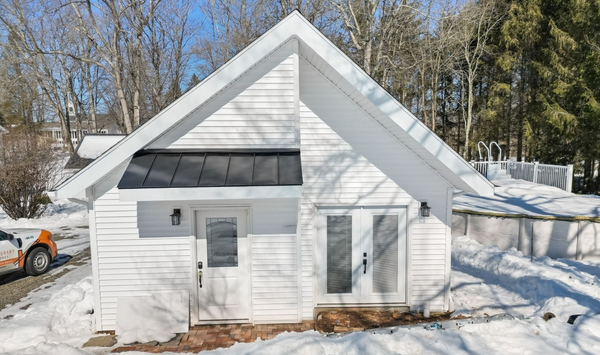
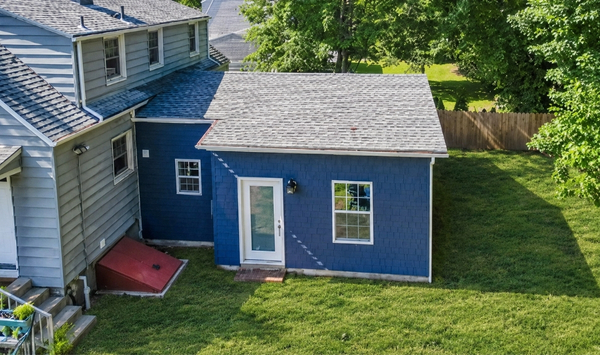
An attached ADU is connected to the main home. It may be built as an addition, converted basement, converted garage, or in law suite with a separate entrance.
An attached ADU can be a strong fit when the town allows attached accessory apartments, the homeowner wants family close by, utility access is easier through the main house, or the lot has limited backyard space. It can also work well for a parent, adult child, or family member who needs privacy but does not need a fully separate backyard structure.
What Is a Detached ADU?
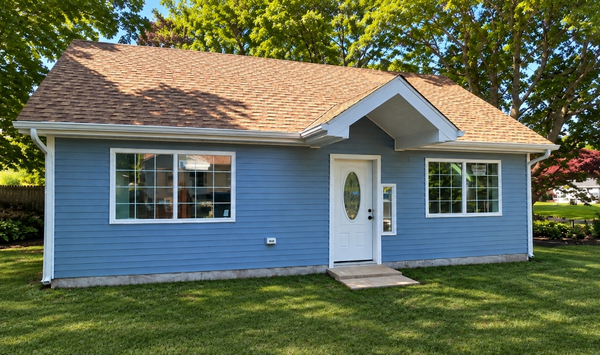
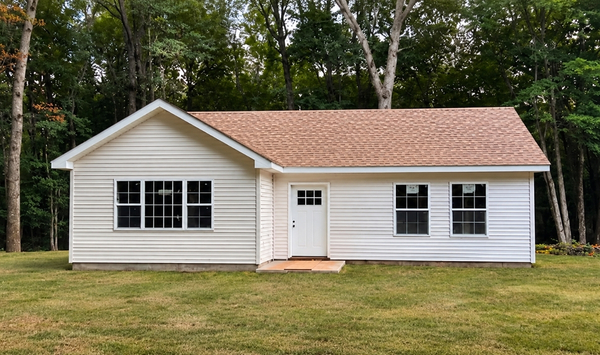
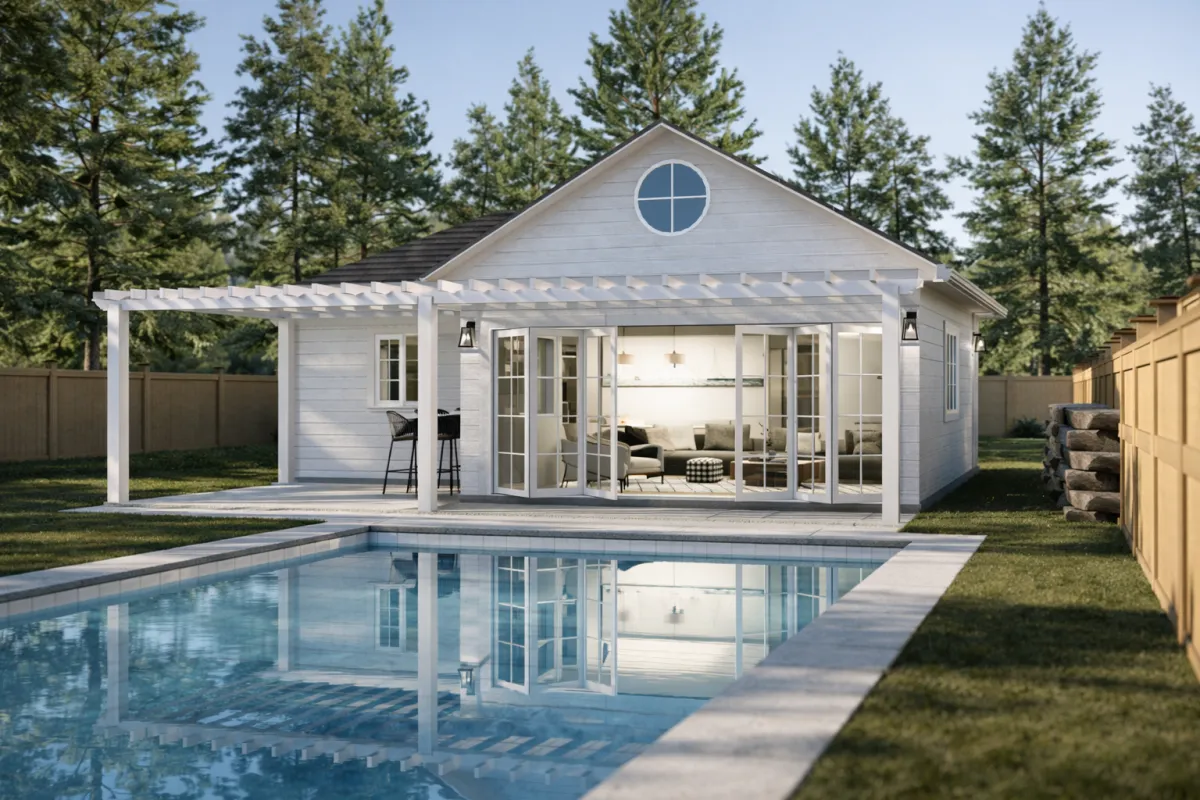
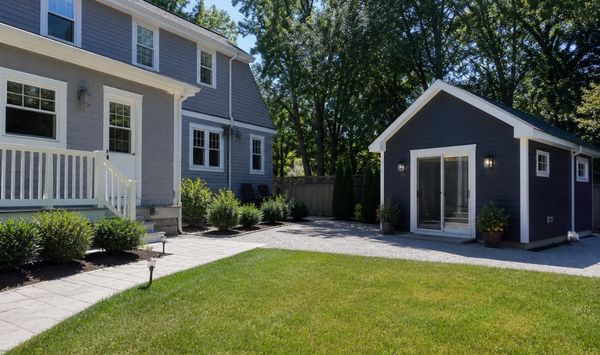
A detached ADU is a separate residential structure on the same property as the main home. Homeowners often describe it as a backyard cottage, guest house, backyard home, or private small home on the property.
A detached ADU can be a strong fit when the town allows detached ADUs, the lot has enough buildable space, privacy is a major priority, or the homeowner wants long-term rental potential. Detached ADUs often require a closer look at utility trenching, septic or sewer capacity, driveway access, grading, trees, wetlands, and construction staging.
Can a Tiny Home Be Used as an ADU?
Sometimes, but only if it is a permitted, code compliant ADU. A tiny home ADU in Connecticut must meet applicable zoning, building, health, safety, utility, and occupancy requirements. A movable tiny house, recreational vehicle, or unpermitted backyard structure is not the same as an approved accessory dwelling unit.
The safest way to think about it is this: a tiny home can be part of an ADU solution when it is designed, permitted, and built as a code compliant accessory dwelling unit in Connecticut.

What Determines Whether Your Property Can Support an ADU?
Most homeowners want a clear yes or no. The reality is that ADU feasibility is a combination of zoning, site conditions, utilities, permits, and use case.
1. Town Zoning and ADU Type
Your town may treat attached ADUs, detached ADUs, interior accessory apartments, garage conversions, and basement apartments differently. Before choosing a design, confirm whether an ADU is allowed, whether detached ADUs are permitted, whether a special permit is required, whether owner occupancy applies, and whether rentals are allowed.
2. Setbacks and Buildable Area
Setbacks determine how close a structure can be to property lines, roads, wetlands, and other buildings. Even a large property may have a small buildable area once setbacks, slopes, easements, wetlands, septic reserve areas, and existing structures are considered.
This is where many homeowners get stuck. The question is not only, “Do I have enough land?” The better question is: Where can the ADU actually go?
3. Septic, Sewer, and Water Capacity
In New London County, septic review can be one of the biggest ADU feasibility factors. If your property has public sewer and public water, utility review may be more direct, although permits and connection requirements still matter.
If your property has septic, the health district or town sanitarian may need to confirm whether the system can support the added bedroom count, fixtures, and wastewater load. Existing septic records, well location, soil conditions, and available reserve area can all affect the answer.
Many New London County towns fall under either Ledge Light Health District or Uncas Health District, depending on the municipality. This makes local health review an important early step for ADU planning.
4. Parking and Driveway Access
Many towns require one or more off street parking spaces for an accessory apartment or ADU. Parking may also need to fit outside certain setback areas. A feasibility review should look at the existing driveway, added parking space requirements, turning access, emergency access, walkways, and the privacy between the main home and the ADU.
5. Wetlands, Coastal, Flood Zone, and Historic Review
New London County includes coastal towns, riverfront areas, wooded lots, wetlands, and older neighborhoods. Some properties may require additional review because of inland wetlands, coastal management, FEMA flood zones, or historic district restrictions.
If your property has or may be near wetlands and watercourses, this should be reviewed before deciding where an ADU can go. These conditions do not always stop an ADU project, but they can affect timeline, placement, cost, and approvals.
6. Building Code and Permit Requirements
Zoning approval is only one part of the process. An ADU must also meet applicable building code requirements, health requirements, safety rules, and local permit standards.
Depending on the property, permits may involve zoning, building, electrical, plumbing, mechanical, septic, sewer, wetlands, driveway, or other local approvals. This is why a guided ADU process is valuable before construction begins.
Why Homeowners Build ADUs in New London County
Most homeowners are not just adding space. They are solving a family, lifestyle, or income problem.
Common ADU goals in New London County include creating an in law suite for a parent, keeping family close with privacy, building a one level living space for aging in place, creating a private backyard living space, making room for adult children, adding guest space, planning for future downsizing, or using extra land more intelligently.
Some homeowners also want long-term rental income. A rental focused ADU should be planned differently than a family only in law suite because the layout, privacy, parking, utilities, and town rental rules may affect the project.
Before planning around rental income, confirm whether the town allows rental use, whether owner occupancy applies, whether the rental must be long-term, whether short-term rentals are restricted, and whether parking is enough for tenants.
For many families, an ADU is not just construction. It is a way to give someone independence without making them feel far away.
What Can Delay an ADU Project in New London County?
Even when ADUs are allowed, the process can slow down if important details are unclear. Common delays include no clear zoning answer, confusion between attached and detached ADU rules, missing or outdated surveys, septic uncertainty, wetlands review, long utility runs, parking limitations, narrow side yards, driveway access issues, slope, drainage, tree conflicts, or budget assumptions that do not include site work.
A guided feasibility review helps uncover these issues before they become expensive surprises.
You do not need every document before asking questions, but it helps to gather your property address, existing survey if available, septic records or as built drawing if applicable, well location, property card, photos of the yard and driveway, utility notes, and your preferred use case.
If you do not have a current survey or septic records, that does not automatically end the conversation. It simply means those items may need to be part of the next step.
When Should You Talk to an ADU Builder?
You should talk to an ADU builder before you spend money on detailed designs, engineering, or a model that may not fit your property.
A good ADU builder in Connecticut should help you understand what your town may allow, whether attached or detached makes more sense, where the ADU may fit on the lot, what site conditions could affect the project, what utilities may need review, what documents you should gather, what permits may be required, and what cost categories to expect beyond the structure itself.
This is especially important in New London County because coastal, rural, suburban, and city properties can have very different site conditions.
Want to know whether your New London County property is a fit for an ADU? Schedule a consultation to review feasibility, layout options, zoning considerations, and next steps for your Connecticut home.
FAQ: ADUs in New London County, CT
Can I build an ADU in New London County?
Possibly. Many New London County towns allow ADUs or accessory apartments in some form, but approval depends on your town, zoning district, lot layout, setbacks, utilities, septic or sewer capacity, parking, and the type of ADU you want to build.
Are detached ADUs allowed in New London County?
Detached ADUs are allowed in some New London County towns, restricted in others, and not available in every situation. Some towns may allow detached ADUs only by special permit or only through conversion of an existing structure.
Do I need a permit to build an ADU in Connecticut?
Yes. An ADU generally requires zoning approval, building permits, and any applicable health, septic, sewer, wetlands, or utility approvals. The exact permit path depends on the town and the property.
How big can an ADU be in New London County?
ADU size limits vary by town. Some towns use a maximum square footage, while others limit the ADU to a percentage of the main house. Common limits in New London County can range from smaller family apartments to ADUs around 1,000 square feet or more, depending on the town and lot.
Can I use an ADU for rental income?
Possibly, but rental rules are town specific. Some towns allow long-term rental use, while others may have family use, owner occupancy, or short-term rental restrictions. Confirm rental rules before building the ADU around an income plan.
What is the first step if I want an ADU?
The first step is a property specific feasibility review. Confirm your town rules, lot fit, setbacks, parking, septic or sewer capacity, utilities, and whether an attached or detached ADU is realistic for your property.
Final Thoughts: Start With Feasibility, Not Guesswork
You may be able to build an ADU in New London County, but the right answer depends on your town and your property.
Before choosing a model, confirm what is allowed, where the ADU could go, what utilities may require, and what site conditions could affect cost or timing.
Contemporary Tiny Homes helps Connecticut homeowners move from uncertainty to a clear next step with a guided ADU process focused on zoning, permits, feasibility, design, and construction.
Ready to find out what is possible on your property? Schedule a consultation to review your ADU options in New London County and get a clearer path forward.


Copyright 2026. All rights reserved. Norwalk, CT
Connecticut's New Home Construction Contractor License: #NHC.0017654
EPA Lead-Safe Certified NAT-F269966-1