



















Knowledge Center: Your Go-To Resource for ADUs and Tiny Living
Knowledge Center: Your Go-To Resource for ADUs and Tiny Living
Email [email protected]
Phone 860-TINY-HOM (es)
Can I Build an ADU in Hartford County?
For many Hartford County homeowners, the first question is simple:
Can I build an ADU on my property?
The answer is: possibly, but it depends on your town, your lot, your utilities, and the type of ADU you want to build.
An Accessory Dwelling Unit, or ADU, is a secondary living space on the same property as a primary home. Homeowners often describe it as an in law suite, backyard living space, private small home, accessory apartment, or tiny home ADU.
In Hartford County, the right answer is not based on countywide rules alone. It comes from a property specific review of your town’s zoning requirements, the buildable area of your lot, and the practical conditions that affect construction.
Can You Build an ADU in Hartford County, CT?
You may be able to build an ADU in Hartford County if your local zoning allows it and your property can support the project.
A feasible ADU usually depends on:
Town zoning rules
Attached vs detached ADU requirements
Setbacks and lot coverage
Parking and driveway access
Water and electric connections
Your intended use, such as family living, rental income, or future downsizing
Some homeowners may be a fit for an attached ADU. Others may qualify for a detached ADU, interior accessory apartment, garage conversion, or basement ADU. The best first step is to confirm what is actually possible before choosing a layout.
For homeowners exploring options, Contemporary Tiny Homes offers Connecticut-focused ADU solutions that start with feasibility, not guesswork.
Why Hartford County ADU Rules Are Town Specific
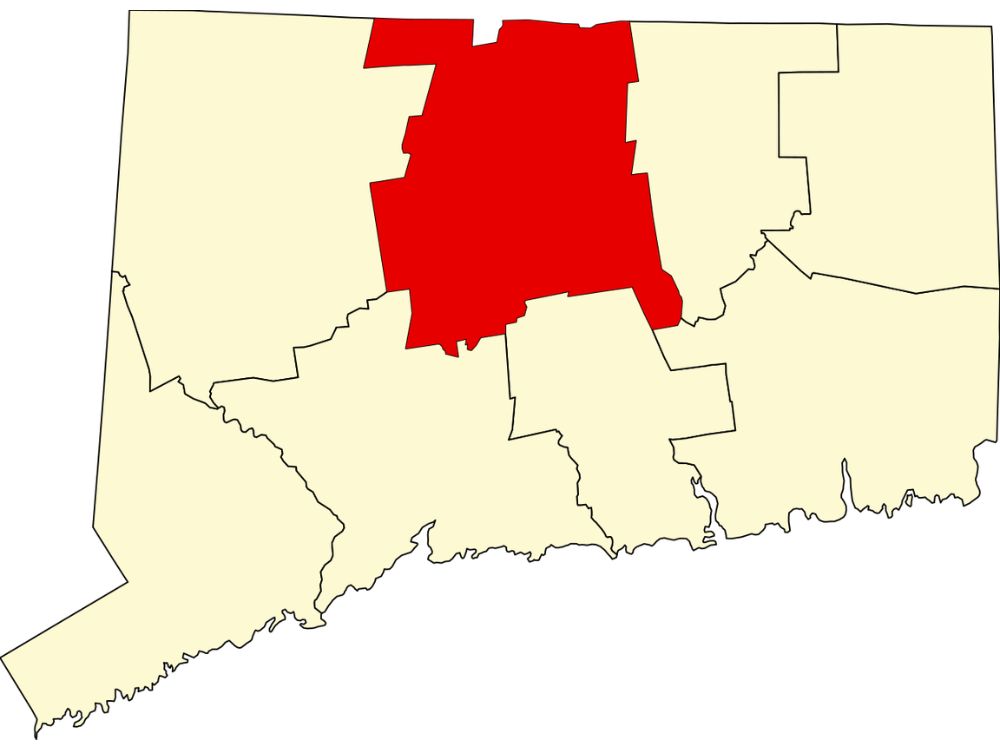
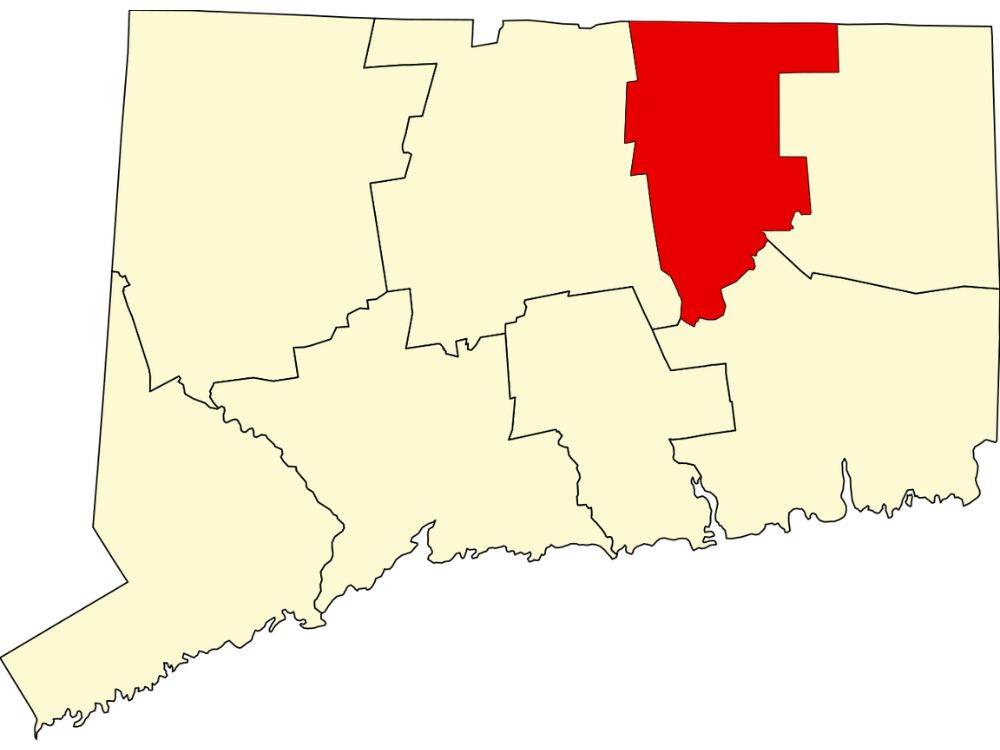
Hartford County includes many towns and cities, but each municipality handles zoning locally. A property in Bristol may have different ADU requirements than a property in West Hartford, Southington, Farmington, Manchester, Glastonbury, New Britain, Wethersfield, Simsbury, or Windsor.
That means two homes in the same county can have very different paths depending on the zoning district, lot layout, utilities, and town standards.
What your town may regulate
Your town may have rules for:
Whether ADUs are allowed in your zoning district
Whether the unit can be attached, detached, or located inside the main home
Maximum square footage and bedroom count
Parking requirements
Owner occupancy rules
Short term rental restrictions
Setbacks, lot coverage, and building height
Septic, sewer, water, and electric requirements
Wetlands or conservation review
Permit documentation and approval process
This is why searching for an “ADU builder near me” is only a starting point. You need a Connecticut ADU builder who understands zoning, site work, utilities, permitting, and construction.
What Counts as an ADU in Connecticut?
An ADU is a separate dwelling unit that is accessory to the main home. It typically includes sleeping space, a bathroom, cooking facilities, and a private living area.
Connecticut homeowners may use different names for the same concept, including:
Accessory dwelling unit
Accessory apartment
In law suite
Backyard cottage
Backyard living space
Tiny home ADU
Garage ADU
Basement ADU
Private small home on the property
The name matters less than whether the structure meets zoning, building code, utility, and permit requirements. A tiny home can only function as an ADU when it is code compliant and approved for that use.
After your property has been reviewed, comparing ADU models can help you understand layouts, square footage, and design direction.
Attached ADU vs Detached ADU in Hartford County
One of the first questions is whether your property is a better fit for an attached ADU or a detached ADU.
What is an attached ADU?
An attached ADU is connected to the main home. It may be built as an addition, basement apartment, converted living area, or connected in law suite.
This option may work well when the homeowner wants easier utility access, the lot has limited backyard space, or the goal is to keep family close while still creating privacy.
What is a detached ADU?
A detached ADU is a separate structure on the same property as the main home. Homeowners often think of it as a backyard cottage, guest house, rental unit, or private small home.
This option may work well when the town allows detached ADUs, the lot has enough buildable space, and privacy is a major goal. Detached ADUs often require closer review of setbacks, utility trenching, parking, septic, access, and wetlands.
What Determines ADU Feasibility on Your Property?
Most Hartford County ADU projects begin with one important question:
Will this work on my actual property?
A strong feasibility review should look at the following before design decisions are made.
Zoning and ADU type
Your town may treat attached, detached, interior, garage, and basement ADUs differently. This matters if you are specifically looking for a detached ADU in Connecticut or a tiny home ADU in Hartford County.
Placement and setbacks
The ADU must fit within the buildable area of the lot. Property lines, side yards, rear yards, existing structures, slopes, trees, wetlands, driveways, and easements can all affect where the unit can go.
Size and layout
The maximum size may depend on town rules, the principal home, bedroom limits, lot coverage, sewer or septic capacity, and available buildable area.
Utilities and site work
Water, sewer, electric, gas, trenching distance, panel capacity, drainage, and driveway access can affect both feasibility and cost. Detached ADUs usually need more site planning than interior or attached units.
Septic or sewer
If your property uses septic, the system may need review before an ADU can move forward. Septic capacity, soil conditions, health department requirements, and existing records can all affect the project.
Survey and documentation
A current survey can help confirm boundaries, setbacks, easements, and possible ADU placement. Missing documents often slow the process, especially when the lot is narrow, irregular, or close to zoning limits.
Want to know whether your Hartford County property is a fit for an ADU? Schedule a consultation to review feasibility, layout options, zoning considerations, and next steps for your Connecticut home.
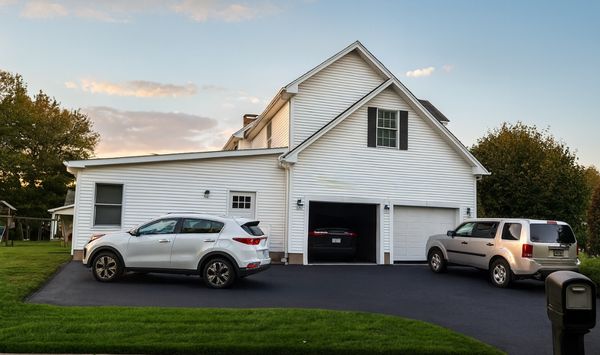
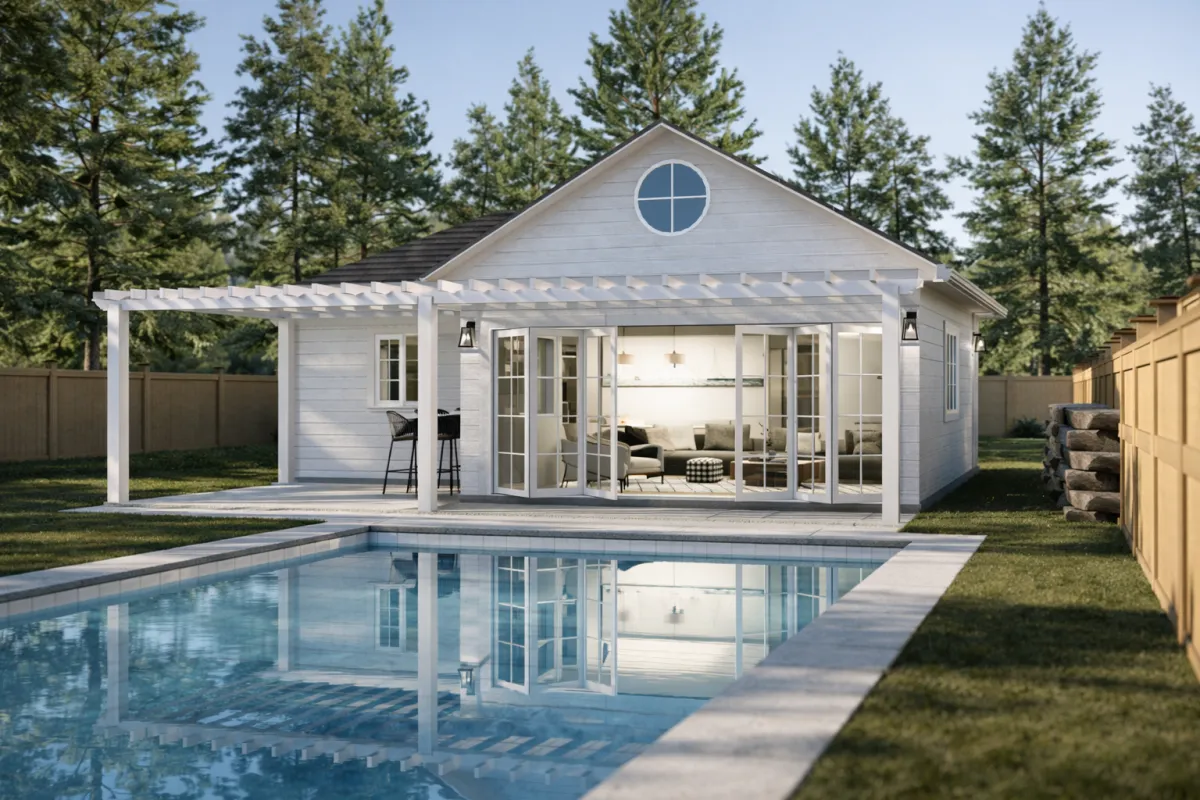
Project Showcase: A Contemporary Tiny Homes Project in Bristol, CT
A real project helps homeowners see what a thoughtfully designed small home can feel like beyond the zoning language.
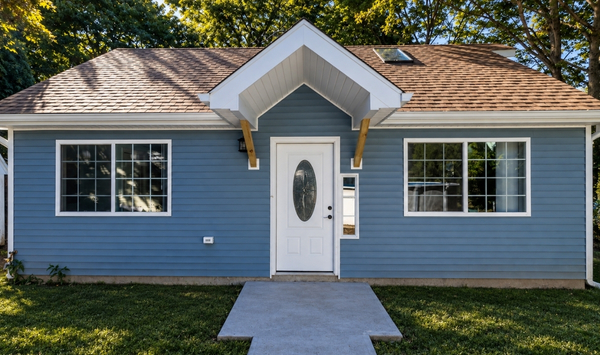
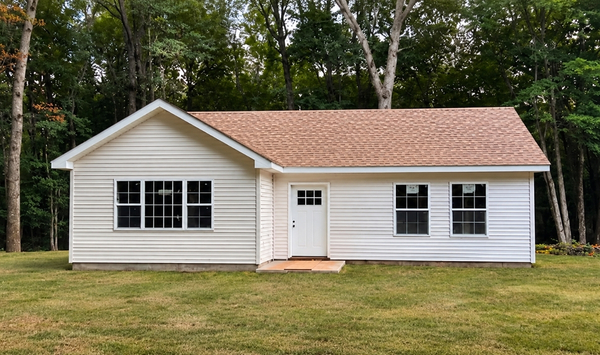
Our Bristol project is a strong example to showcase for Hartford County homeowners who want more usable living space, better flexibility, and a comfortable design that fits real life.
Bristol project overview
Project Location: Bristol, Connecticut
Project Type: Contemporary Tiny Homes project showcase
Best Use Case to Feature: Family living, guest space, rental potential, downsizing flexibility, or a private small home on the property
Recommended Visuals: Exterior photo, kitchen photo, living area photo, bathroom photo, bedroom photo, and one image that shows scale and comfort
What this Bristol project can show homeowners
This project can help readers understand:
How a compact layout can still feel complete
How one level living can support comfort and accessibility
How private space can help family stay close without giving up independence
How thoughtful finishes make a small footprint feel intentional
How design choices affect storage, privacy, and daily use
This Bristol project gives Hartford County homeowners a clearer picture of what is possible when a small home is designed around real life. The goal is not just extra square footage. The goal is a private, comfortable, useful space that supports the way a family wants to use the property now and in the future.
Why Homeowners Build ADUs in Hartford County
Homeowners build ADUs for both practical and personal reasons. The most common motivations include keeping family close, creating privacy, using extra land more intelligently, adding rental potential, and planning for future flexibility.
Keeping family close with privacy
An ADU can give a parent, adult child, or loved one a private living area while keeping them close to the main household. For many homeowners, the real goal is family living with privacy, not just adding another structure.
Creating long term rental potential
A rental ready ADU can help homeowners use existing property in a more productive way. Before designing the space, review local rental rules, parking, privacy, utilities, and tenant access.
Planning for future downsizing
Some homeowners build an ADU for a family member today and plan to use it themselves later. Others may use it for guests or long term rental income first, then change the use over time.
Adding usable living space
Improving the property you already own can feel more realistic than buying another home. A well planned ADU may also support long term property value by adding flexible living space to the existing home site.
What Can Delay an ADU in Hartford County?
Even when an ADU is allowed, delays can happen when important details are discovered too late.
Common ADU blockers include:
No clear zoning answer for the actual property
Unclear attached vs detached ADU rules
Missing or outdated survey
Septic uncertainty
Long utility tie in distances
Wetlands or conservation review
Parking limitations
Narrow side yards or unusual lot shape
Driveway access challenges
Slope, ledge, drainage, or tree conflicts
Cost expectations that do not include site work
Family decision makers not aligned before the consultation
Reviewing these items early helps avoid wasted time, unrealistic plans, and budget surprises.
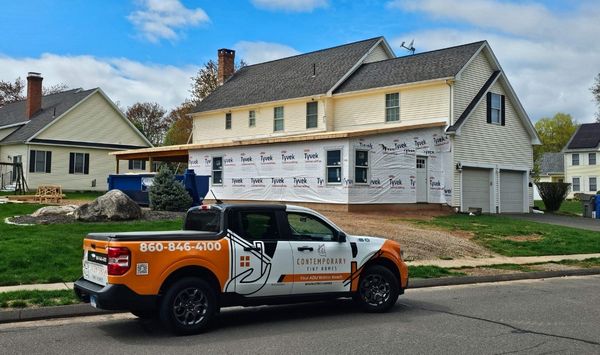
How the Contemporary Tiny Homes Process Works
Contemporary Tiny Homes is built around making the ADU process easier to understand and easier to manage. Instead of leaving homeowners to figure out design, permits, site work, utilities, and construction separately, our team helps guide the project from the first feasibility conversation through final delivery.
The process is designed for Connecticut homeowners who want a clearer path from “Can I build this?” to “When can I move in?”
Start with a free consultation
The first step is a conversation about your property, your goals, and the type of ADU you are considering. This is where we begin looking at whether your Hartford County home may be a better fit for an attached ADU, detached ADU, basement ADU, garage ADU, or another accessory living space.
This step is especially helpful if you are still comparing options for family living, rental income, guest space, or future downsizing.
Phase 1: Feasibility and design
During the feasibility and design phase, Contemporary Tiny Homes works with you to refine the design and specifications of your ADU. This can include colors, flooring, cabinetry, fixtures, lighting, and floor plan adjustments.
A site survey is also coordinated to evaluate the property. If the home uses a well or septic system, additional engineering may be needed to review water and sewer capacity.
This phase is where the project starts moving from a general idea to a more realistic plan.
Phase 2: Permit application
After the design and site survey are complete, the required permit documentation is prepared and submitted to the local town authorities.
This may include:
Site survey data
Finalized plans and specifications
Required engineering reports
Construction documents
Town specific permit materials
Permit timelines vary by town, which is why a Hartford County ADU project should always be planned around the local approval process.
Phase 3: Construction
Once permits are approved, construction begins. Contemporary Tiny Homes manages the major build steps, including site preparation, excavation, foundation work, framing, roofing, siding, doors, windows, plumbing, electrical, HVAC, insulation, drywall, flooring, cabinetry, countertops, fixtures, and optional appliances.
This is when the ADU starts to take shape as a finished living space. The goal is a complete, move in ready home that matches the approved plans and agreed specifications.
Phase 4: Final walkthrough and delivery
Before the project is complete, you walk through the ADU with the team. This final step is used to confirm that the work is completed as agreed, review details, and address any final adjustments that may be needed.
Once approved, the ADU is ready to use.
Why this process matters for Hartford County homeowners
ADU projects involve more than choosing a model. Town rules, permits, utilities, site work, septic, surveys, and construction sequencing all affect the final path.
A guided process helps reduce confusion by putting the major steps in order:
Consultation
Feasibility and design
Survey and engineering review when needed
Permit application
Site preparation
Construction
Final walkthrough
Delivery
Want a clearer path for your own ADU project? Schedule a consultation with Contemporary Tiny Homes to review your Hartford County property, your goals, and the next steps in the process. You can also learn more about our process before starting your ADU consultation.
FAQ: Can I Build an ADU in Hartford County?
Can I build an ADU in Hartford County, CT?
Possibly. Many Hartford County homeowners may have a path to build an ADU, but the answer depends on the town, zoning district, lot, setbacks, utilities, parking, septic or sewer, and whether the ADU is attached, detached, or inside the main home.
Are detached ADUs allowed everywhere in Hartford County?
No. Detached ADU rules vary by town. Some towns may allow detached ADUs, while others may limit ADUs to attached or interior units. Detached ADU feasibility should always be checked at the town and property level.
Can I build a tiny home as an ADU in Hartford County?
Sometimes. A tiny home can only function as an ADU when it meets zoning, building code, utility, foundation, permit, and occupancy requirements. In Connecticut, it is better to think in terms of a code compliant ADU rather than a generic tiny home.
Can I use an ADU for rental income in Hartford County?
Possibly, depending on your town’s rules and the type of rental. Long term rental use may be treated differently than short term rental or vacation use. Parking, privacy, separate entrance, utilities, and tenant access should be reviewed early.
What is the first step if I want to build an ADU?
The first step is confirming feasibility. Start by reviewing your town, zoning district, lot layout, utility conditions, septic or sewer, parking, and whether an attached or detached ADU is realistic.
Final Thoughts
You may be able to build an ADU in Hartford County, but the answer depends on your town, property, utilities, and project goals.
Before choosing a model or layout, confirm what is allowed, where the ADU could go, what utilities may require, and what site conditions could affect cost or timing.
Contemporary Tiny Homes helps Connecticut homeowners move from uncertainty to a clear next step.
Want to know whether your property is a fit for an ADU? Schedule a consultation to review feasibility, layout options, and next steps for your Connecticut home.


Copyright 2026. All rights reserved. Norwalk, CT
Connecticut's New Home Construction Contractor License: #NHC.0017654
EPA Lead-Safe Certified NAT-F269966-1