



















Knowledge Center: Your Go-To Resource for ADUs and Tiny Living
Knowledge Center: Your Go-To Resource for ADUs and Tiny Living
Email [email protected]
Phone 860-TINY-HOM (es)
Can I Build an ADU in Middlesex County, CT?
If you are asking, “Can I build an ADU in Middlesex?” the answer is: possibly, but it depends on your town, your property, and the type of accessory dwelling unit you want to build.
Many Middlesex County homeowners are looking at ADUs because they want more usable living space without buying another home. For some families, that means a private in law suite for a parent. For others, it means a detached backyard cottage, rental ADU, guest space, adult child housing, or a future downsizing option.
But before you choose a layout, you need to know whether your specific property can support the project. ADU approval depends on zoning, setbacks, septic or sewer capacity, utility access, lot shape, wetlands, parking, and building requirements.
Can You Build an ADU in Middlesex County?
Yes, many homeowners may be able to build an ADU in Middlesex County, CT, but approval is not automatic. Your town may allow accessory dwelling units, but your lot still has to meet local zoning, health, utility, and site requirements.
That means a homeowner in Middletown may have different ADU options than a homeowner in Old Saybrook, Cromwell, Portland, Chester, Haddam, Clinton, East Hampton, or Westbrook. Even two homes in the same town can have different answers because the property layout, septic system, setbacks, and buildable area may be completely different.
The most accurate question is not just, “Are ADUs allowed in Middlesex County?”
The better question is, “Can my property support the ADU I want to build?”
What Is an ADU in Connecticut?
An ADU, or accessory dwelling unit, is a separate living space on the same property as a main home. In Connecticut, homeowners may also hear ADUs called accessory apartments, in law suites, backyard cottages, granny flats, garage apartments, basement apartments, or tiny home style ADUs.
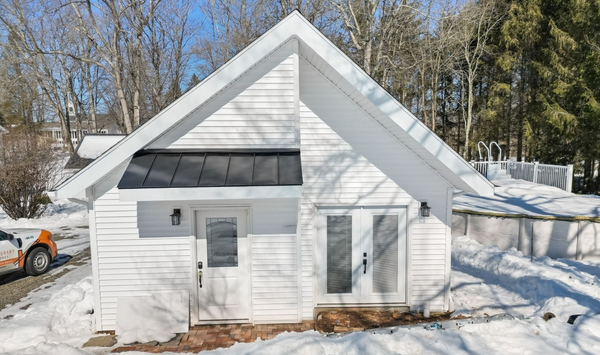
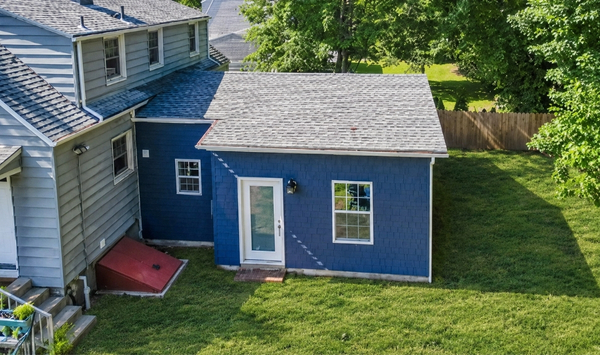
An ADU usually has its own living area, sleeping area, bathroom, and kitchen or cooking facilities. It can be attached to the main house, located inside the existing home, converted from a garage or basement, or built as a separate backyard structure.
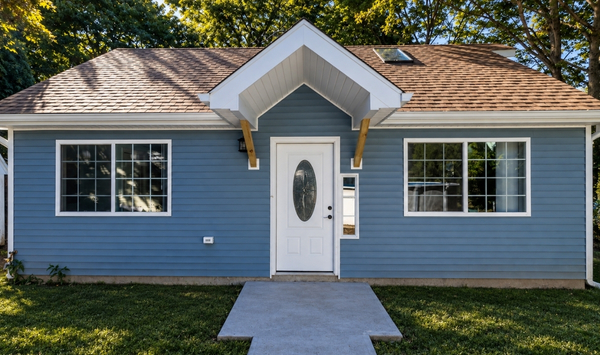
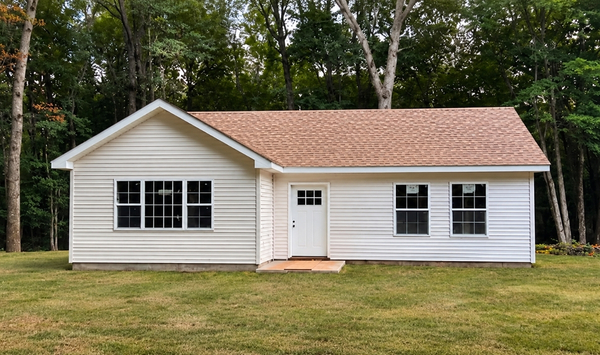
For homeowners comparing their options, Contemporary Tiny Homes offers several ADU solutions based on property layout, family needs, rental goals, and long-term use.

Why Middlesex County Homeowners Are Interested in ADUs
ADUs are becoming more popular across Connecticut because they solve real housing problems. Many homeowners already have land, but they need a smarter way to use it.
In Middlesex County, common reasons people ask about accessory dwelling units include:
Creating a private in law suite for a parent
Building a one-level backyard living space for aging family
Giving an adult child an independent place to live
Adding guest space without changing the main home
Creating long-term rental income
Planning for future downsizing
Making better use of a large or underused lot
Adding flexible living space that can serve more than one purpose over time
The strongest ADU projects start with the reason for building. A backyard ADU for a parent may need a different layout than a rental ADU. An attached in law apartment may need different planning than a detached ADU. A tiny home style ADU needs to be designed as a legal dwelling, not treated like a temporary backyard structure.
Middlesex County Towns Where ADU Feasibility Should Be Reviewed
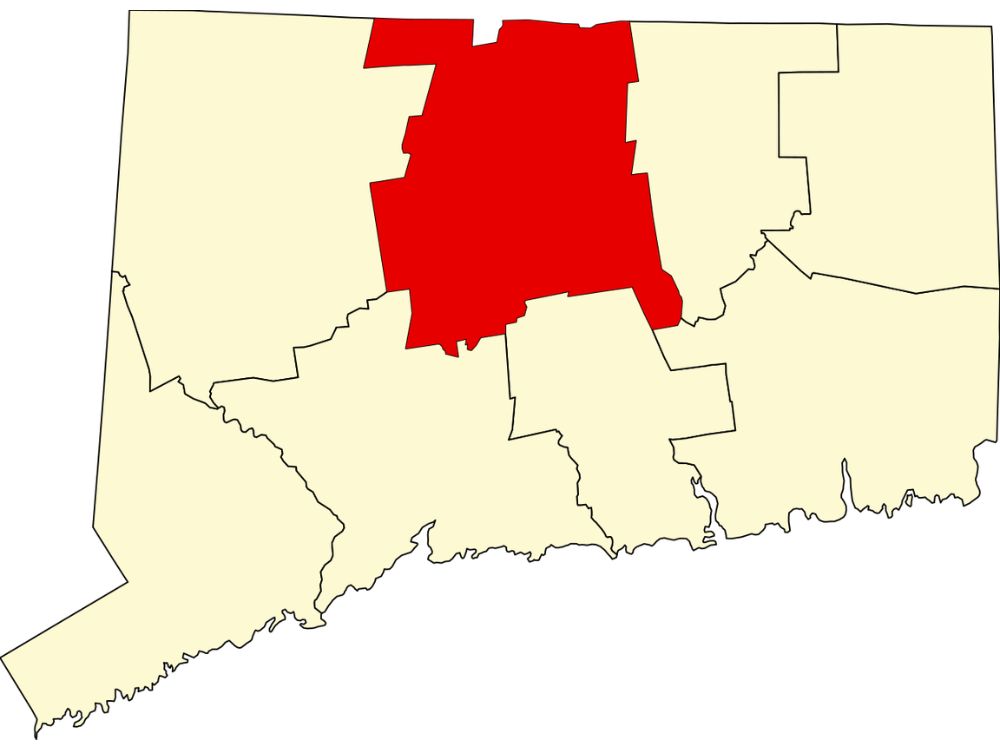
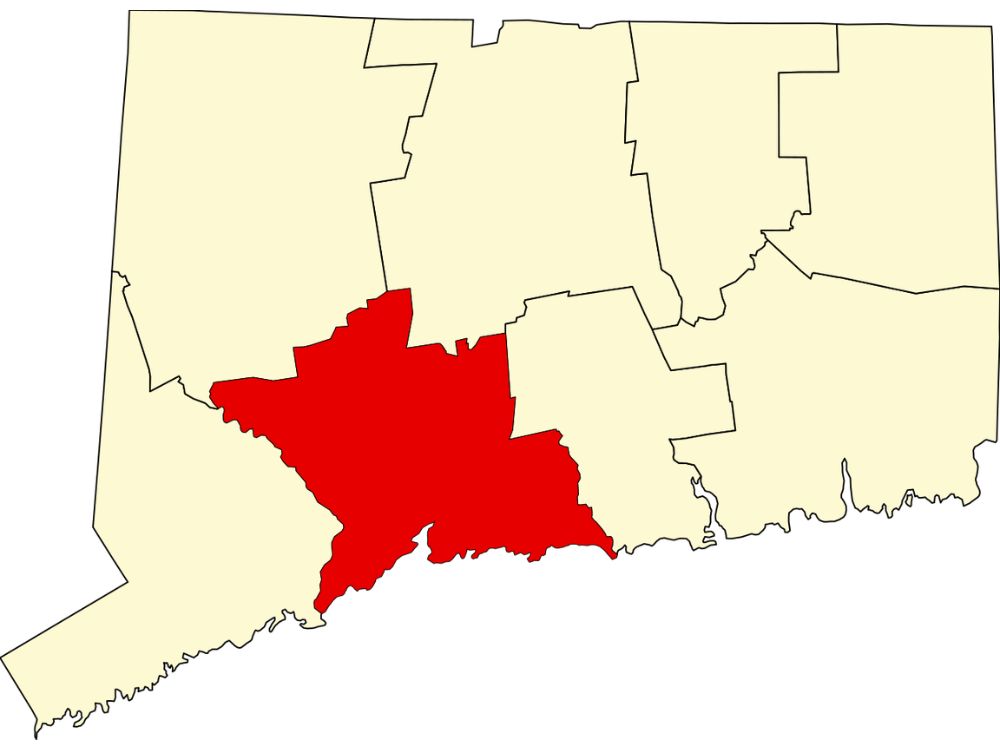
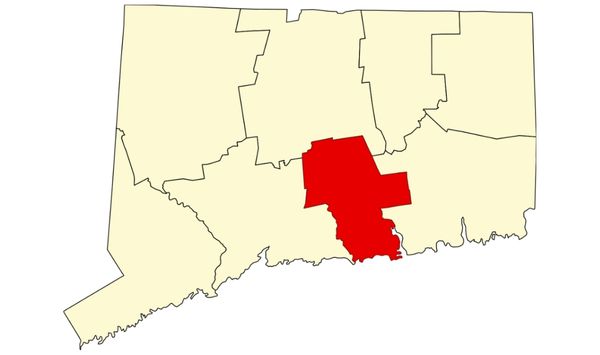
Middlesex County includes towns such as Chester, Clinton, Cromwell, Deep River, Durham, East Haddam, East Hampton, Essex, Haddam, Killingworth, Middlefield, Middletown, Old Saybrook, Portland, and Westbrook.
Each town may have its own accessory dwelling unit rules. Some towns may allow detached ADUs. Others may place more limits on size, location, parking, or how the ADU can be used. Some properties may be better suited for an attached ADU, garage conversion, basement ADU, or interior accessory apartment.
This is why a property-specific ADU feasibility review matters. A general online answer can tell you what may be possible, but it cannot confirm whether your lot, utilities, setbacks, septic system, or site conditions will work.

What Determines Whether You Can Build an ADU in Middlesex County?
Several factors determine whether you can build an ADU in Middlesex County. These are the issues that usually need to be reviewed before design begins.
1. Your Town’s ADU Zoning Rules
Your town’s zoning regulations are the first place to look. These rules may affect whether an ADU is allowed, where it can go, how large it can be, and whether it can be attached or detached.
Local ADU rules may address:
Zoning district eligibility
Maximum square footage
Number of bedrooms
Attached versus detached structures
Height limits
Lot coverage
Owner occupancy requirements
Parking requirements
Long-term rental rules
Short-term rental restrictions
This is where many homeowners get confused. They search “can I build an ADU in Middlesex County CT” and find broad information, but the real answer depends on the town and the property.
2. Attached ADU vs Detached ADU Options
One of the biggest decisions is whether your home is better suited for an attached ADU or a detached ADU.
A detached ADU is a separate structure on the same property. It may work well if you want privacy, a separate entrance, a backyard cottage, long-term rental potential, or a private small home for a parent or adult child.
An attached ADU is connected to the main home. It may be a better fit if you want an in law apartment, easier access between homes, a connected family layout, or a simpler utility path.
Neither option is automatically better. The right choice depends on your zoning, property layout, budget, family goals, and how the space will be used.
3. Setbacks and Buildable Area
Your ADU cannot be placed anywhere you want on the lot. Every property has a buildable area shaped by zoning setbacks, property lines, wells, septic areas, wetlands, easements, driveways, slopes, and existing structures.
A lot may look large enough at first, but the actual buildable area may be smaller once restrictions are reviewed.
Common placement issues include:
Side yard and rear yard setbacks
Narrow or irregular lot shape
Steep slopes or ledge
Existing septic tank or leach field location
Well separation requirements
Trees, patios, pools, sheds, or garages
Limited access for construction equipment
This is one reason homeowners should avoid choosing a final ADU plan before the property is reviewed. The best floor plan is the one that fits both the family need and the site conditions.
4. Septic, Sewer, and Water Capacity
Septic and sewer capacity can have a major impact on an ADU project in Middlesex County.
If your home is connected to public sewer, the review may focus on sewer connection location, capacity, trenching, and local sewer authority requirements.
If your property uses a septic system, the review may be more detailed. The local health authority may need to confirm whether the existing septic system can support the added living space, water use, and bedroom count. They may also review the reserve septic area, well location, soil conditions, and whether a septic upgrade is needed.
Septic can affect:
Whether the ADU can be approved
How many bedrooms are realistic
Where the ADU can be placed
Whether soil testing is needed
Whether the current septic system is enough
Whether the project budget needs to include upgrades
Septic does not automatically stop an ADU project. It simply needs to be reviewed early so the homeowner has realistic expectations before moving deeper into design.
5. Utilities and Trenching
A backyard ADU needs utility planning. This may include electric, water, sewer or septic connection, heating and cooling, internet, and sometimes gas or propane.
The distance from the main house to the ADU can affect cost and complexity. A detached backyard cottage at the far end of a long lot may require more trenching than an attached ADU or a unit placed closer to the home.
Utility planning should answer questions such as:
Where will electric service come from?
Is the existing electrical service enough?
How will water reach the ADU?
Will the unit connect to sewer or septic?
Will trenching cross a driveway, patio, or landscaped area?
Will the ADU need separate metering?
These details can affect the site plan, budget, and timeline.
6. Parking, Access, and Daily Living
Parking and access are also important. Some towns may require additional parking for an accessory dwelling unit. Even when parking is not a major zoning issue, the property still needs to function well for daily life.
Think through where the ADU occupant will park, whether the driveway needs to be expanded, how someone will walk to the unit, and whether the entrance feels private and safe.
For family ADUs, privacy matters. A parent may want to live close, but still have independence. An adult child may need separation from the main home. A renter needs clear access that does not interrupt the homeowner’s day-to-day living.
This is why ADU design is not just about square footage. It is about how the space will actually work.
Can a Tiny Home Be Used as an ADU in Middlesex County?
A tiny home may be possible in Middlesex County if it is designed, built, and permitted as a legal accessory dwelling unit.
This distinction is important. A tiny home on wheels, shed conversion, or temporary backyard structure is not the same as a permitted ADU. If the goal is a legal living space, the project must meet zoning, building code, health, safety, and utility requirements.
For many homeowners, a tiny home style ADU is really a compact second home on the property. It may be designed as a studio, one-bedroom, or two-bedroom layout depending on town rules and site conditions. You can review available ADU models to compare layout options, square footage, and use cases.
Can You Build an In Law Suite in Middlesex County?
Yes, an in law suite may be possible in Middlesex County if your town rules and property conditions support it.
An in law suite can be attached, detached, or created from an existing part of the home. For families, the best layout often includes one-level living, a private bathroom, a sleeping area, a small kitchen or kitchenette, a separate entrance, and a comfortable living area.
A family ADU is not only about adding space. It is about keeping loved ones close while protecting privacy, comfort, and independence.
For aging parents, accessibility should be considered early. A no-step or low-step entry, wider paths, easy bathroom access, and a simple one-level layout can make the ADU more useful over time.
Can You Use an ADU for Rental Income in Middlesex County?
Possibly. Many homeowners explore ADUs because they want to create long-term rental income from property they already own.
A rental ADU may help offset housing costs, create a new income stream, and add flexibility for the future. But rental rules vary by town, so they should be reviewed before design begins.
Before planning a long-term rental ADU, consider:
Whether long-term rentals are allowed
Whether short-term rentals are restricted
Whether owner occupancy is required
Parking for the tenant
Privacy between the main home and ADU
Utility setup
Storage and maintenance needs
A layout that works for renters
A rental-ready ADU should be designed differently from a casual guest space. Privacy, durability, parking, and independent access all matter.
How Big Can an ADU Be in Middlesex County?
ADU size depends on the town, zoning district, property layout, and utility conditions. Some towns may allow larger accessory dwelling units, while others may limit square footage based on a fixed maximum, the size of the main home, bedroom count, or other standards.
Many homeowners start by asking for a one-bedroom or two-bedroom ADU. That is a useful starting point, but the final size should be based on what the town allows and what the property can support.
A smaller ADU may work well as a studio, guest space, or compact rental. A larger ADU may make sense for a parent, couple, adult child, or long-term rental use. The goal is not to build the biggest unit possible. The goal is to build the right unit for the property and the purpose.
What Documents Help With an ADU Feasibility Review?
You do not need every document before your first conversation, but the right information can make the review more productive.
Helpful documents include:
Property survey
Plot plan
Septic records
Well location information
Sewer connection information
Photos of the proposed ADU area
Existing floor plans, if available
Wetlands or flood zone information
Utility location information
Notes about where you want the ADU to go
Many homeowners do not have a current survey or full septic records at the start. That is common. The important thing is knowing what may be needed before design and permitting move forward.
Common Reasons ADU Projects Get Delayed
ADU projects often slow down when property-specific issues are discovered too late.
Common delay points include unclear town rules, missing surveys, septic uncertainty, wetland review, setback conflicts, utility trenching questions, driveway or parking issues, unclear project scope, and budget assumptions made before a site review.
Another common delay is family alignment. Many ADU decisions involve a spouse, parent, adult child, or co-owner. If the people involved have not seen the plan, cost range, or property limitations, the project can stall.
This is why the best first step is not picking finishes. It is understanding what is possible on the property.
Find Out Whether Your Middlesex County Property Is a Fit
Want to know whether your property is a fit for an ADU? Schedule a consultation to review feasibility, layout options, zoning considerations, utilities, and next steps for your Middlesex County home.
A property-specific conversation can help you understand whether an attached ADU, detached ADU, in law suite, garage conversion, basement ADU, or tiny home style ADU is the best path.
How Contemporary Tiny Homes Helps Middlesex County Homeowners
Contemporary Tiny Homes helps Connecticut homeowners move from uncertainty to a clear ADU plan.
The process starts with feasibility. That means reviewing your town, property layout, intended use, ADU type, and site conditions that could affect approval, cost, and placement.
From there, you can better understand what may be allowed, where the ADU could go, what size range may be realistic, whether attached or detached makes sense, what site issues need attention, and what documents may be needed.
For more education on ADU planning, zoning, costs, septic considerations, family use, and rental strategies, visit the Knowledge Center.
Final Answer: Can I Build an ADU in Middlesex?
You may be able to build an ADU in Middlesex County if your town allows the type of accessory dwelling unit you want and your property can support the required setbacks, utilities, septic or sewer capacity, parking, site access, and building requirements.
The best answer comes from a property-specific review.
If you are considering a detached backyard ADU, attached in law suite, tiny home style ADU, or rental unit in Middlesex County, start with feasibility. That gives you a clearer path before you invest time, money, or emotion into a layout that may not fit your property.
Ready to see what is possible? Book a free ADU consultation and review the next steps for your Middlesex County property.
FAQ: Building an ADU in Middlesex County, CT
Can I build an ADU in Middlesex County, CT?
Possibly. Many Middlesex County homeowners may be able to build an ADU, but the answer depends on town zoning, setbacks, septic or sewer capacity, utilities, lot layout, parking, and whether the ADU is attached, detached, or inside the main home.
Can I build a detached ADU in Middlesex County?
A detached ADU may be possible if your town rules and property conditions support it. Setbacks, yard space, septic or sewer location, wetlands, driveway access, and utility trenching can all affect whether a detached backyard ADU is realistic.
Can I build an in law suite in Middlesex County?
Yes, an in law suite may be possible if the home, zoning district, utilities, and property layout support it. In law suites can be attached, detached, or created from existing space inside the home.
Can I use a tiny home as an ADU in Connecticut?
A tiny home may be used as an ADU if it is designed and permitted as a legal accessory dwelling unit. It must meet applicable zoning, building code, health, utility, and safety requirements.
Do I need septic approval for an ADU?
If your home is on septic, septic review is usually an important part of ADU feasibility. The local health authority may need to review septic records, bedrooms, design flow, reserve area, and whether the property can support the proposed use.
Can I rent out an ADU in Middlesex County?
A long-term rental ADU may be possible, but rental rules vary by town. Review local zoning, owner occupancy requirements, parking rules, rental restrictions, and utility setup before designing the ADU.


Copyright 2026. All rights reserved. Norwalk, CT
Connecticut's New Home Construction Contractor License: #NHC.0017654
EPA Lead-Safe Certified NAT-F269966-1