

















Knowledge Center: Your Go-To Resource for ADUs and Tiny Living
Knowledge Center: Your Go-To Resource for ADUs and Tiny Living
Email [email protected]
Phone 860-TINY-HOM (es)
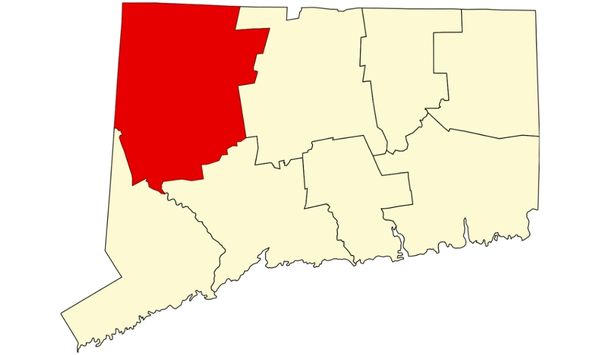
Can I Build an ADU in Litchfield County, CT?
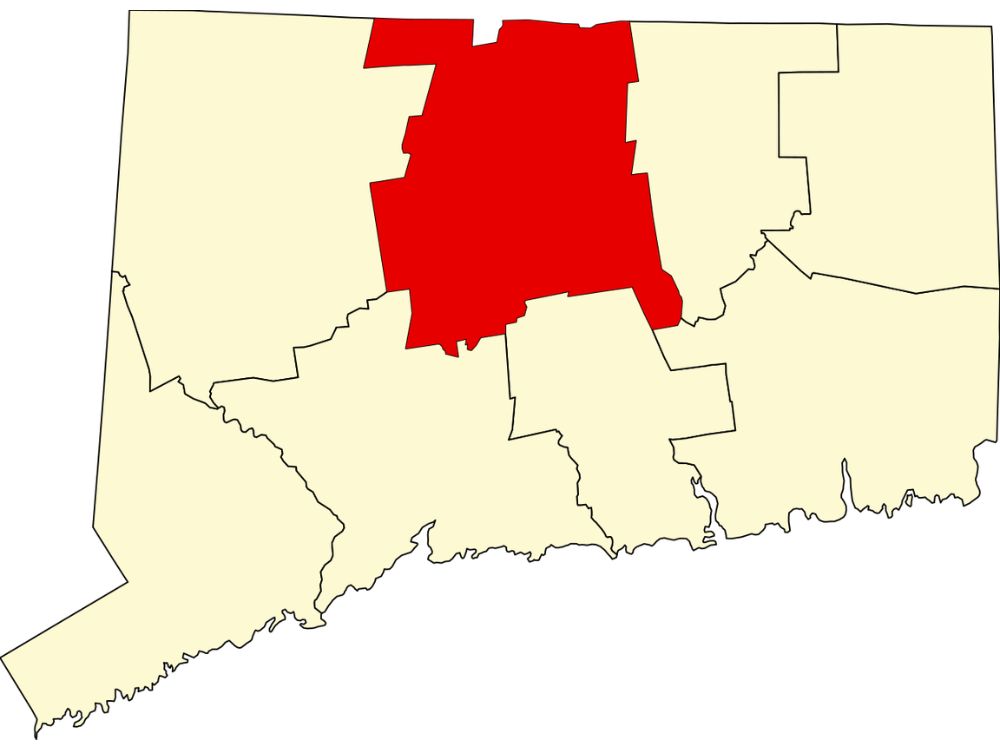
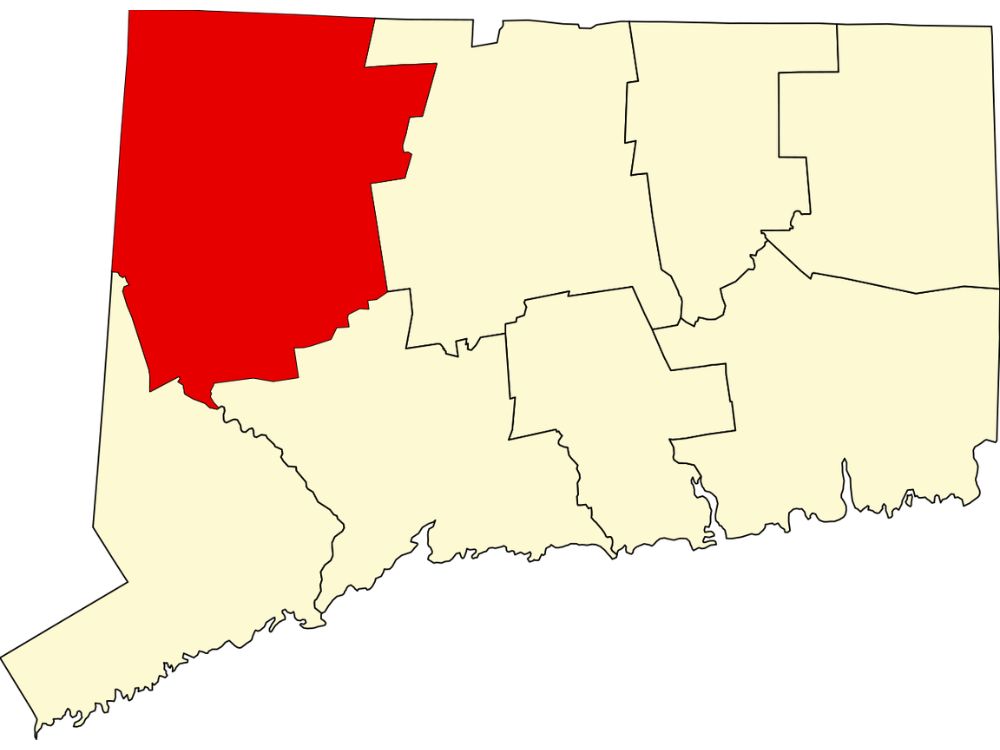
If you own a home in Litchfield County and are wondering, “Can I build an ADU on my property?” the honest answer is yes, it may be possible. But the real answer depends on your town, your lot, your septic or sewer situation, setbacks, utilities, parking, wetlands, and the type of accessory dwelling unit you want to build.
An ADU, or accessory dwelling unit, can be a detached backyard cottage, an attached in law suite, a garage conversion, a basement apartment, or a private small home on the same property as your main house. For many Connecticut homeowners, an ADU is not just an extra structure. It is a way to keep family close, create a safe one level home for a parent, add long term rental potential, or make better use of land they already own.
Before you choose a layout or compare models, the first step is simple: find out what is actually possible on your property.
Can You Build an ADU in Litchfield County?
Many homeowners can build an ADU in Litchfield County, but not every property qualifies the same way. Connecticut has a statewide ADU framework, but local town rules still matter. Your property may need to meet requirements related to zoning, unit size, setbacks, lot coverage, parking, septic, sewer, water, utilities, wetlands, and building code.
That means an ADU project in Torrington may look different from one in Litchfield, New Milford, Washington, Kent, Salisbury, Woodbury, Watertown, Winchester, Thomaston, Harwinton, Morris, or Norfolk.
This is why a property-specific ADU feasibility review matters. A general “yes” does not tell you where the unit can go, whether the septic system can support it, what type of ADU makes sense, or what could affect your total project cost.
Want to know whether your property is a fit for an ADU? Schedule a consultation to review feasibility, layout options, and next steps for your Connecticut home.
What Is an ADU in Connecticut?
An accessory dwelling unit is a separate living space on the same lot as a primary home. It usually includes a sleeping area, bathroom, kitchen or cooking facilities, and a private living area.
Homeowners may describe an ADU in different ways. Some call it a backyard living space, in law suite, guest house, garage apartment, basement apartment, granny flat, tiny home ADU, or private small home on the property. In zoning and permitting conversations, the formal term is usually accessory dwelling unit.
If you are still learning the basics, Contemporary Tiny Homes’ accessory dwelling unit resources can help you understand how ADUs are used for family living, rental flexibility, and long term property planning.

Why Litchfield County ADU Rules Need a Local Review
Litchfield County does not have one single ADU rule that applies the same way everywhere. Each town can have its own zoning process, health department review, wetlands review, and building permit requirements.
The most important question is not just “Are ADUs allowed in Connecticut?” It is, “Can my exact property support the ADU I want to build?”
Your Town’s ADU Rules
Your town may have rules that affect the type, size, placement, and use of an ADU. Some towns may allow attached and detached ADUs. Others may have more specific requirements or may require a special permit, site plan review, or health authority approval.
Common town-level questions include:
Are ADUs allowed in my zoning district?
Can I build a detached ADU, attached ADU, or both?
Is there a maximum square footage limit?
Does the ADU need to be smaller than the main home?
Are there owner occupancy requirements?
Is extra parking required?
Are short term rentals restricted?
Does the town require a special permit or public hearing?
This is why ADU zoning in Connecticut should be reviewed town by town before any major design decision is made.
Your Lot and Buildable Area
Even when ADUs are allowed, your lot still needs a legal and practical place for the unit to go. A property may look large enough at first glance, but setbacks, wetlands, slopes, easements, trees, septic location, and driveway access can reduce the actual buildable area.
A feasibility review should look at property lines, side and rear yard setbacks, existing structures, parking, grading, access, and utility routes. This helps determine whether the better option is a detached backyard ADU, an attached in law suite, a garage conversion, or another type of ADU.
Attached ADU vs Detached ADU in Litchfield County
One of the biggest early decisions is whether your ADU should be attached or detached. Both can work well, but they solve different problems and come with different site requirements.
What Is an Attached ADU?
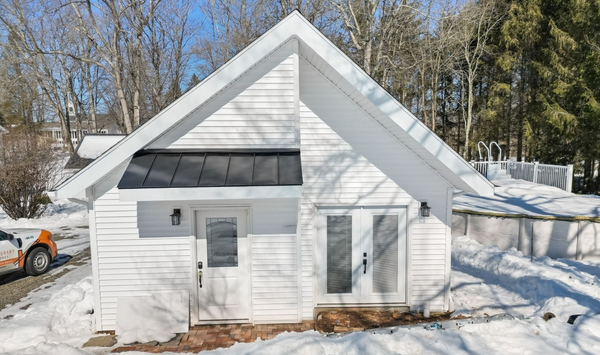
An attached ADU is connected to the main home or built within the existing home. This could be a basement apartment, first floor in law suite, converted living area, or home addition.
An attached ADU may be a strong fit if your lot has limited backyard space, utilities are easier to connect through the main home, or you want a connected living arrangement for a parent, caregiver, guest, or family member.
Attached ADUs can be practical for homeowners who want privacy without creating a completely separate backyard structure. They may also be easier to consider on lots where setbacks or detached placement are difficult.
What Is a Detached ADU?
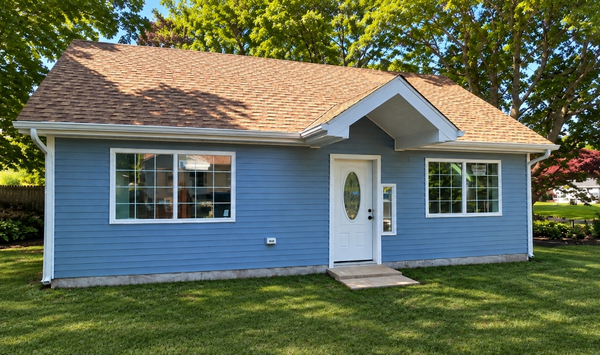
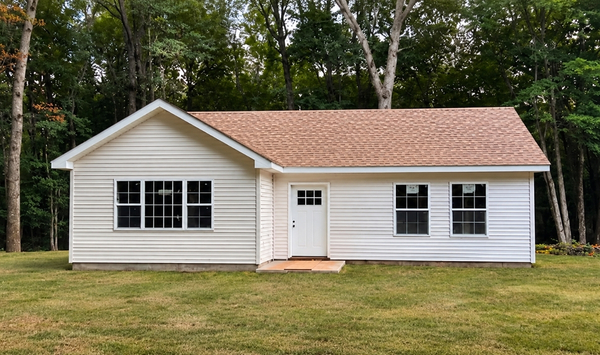
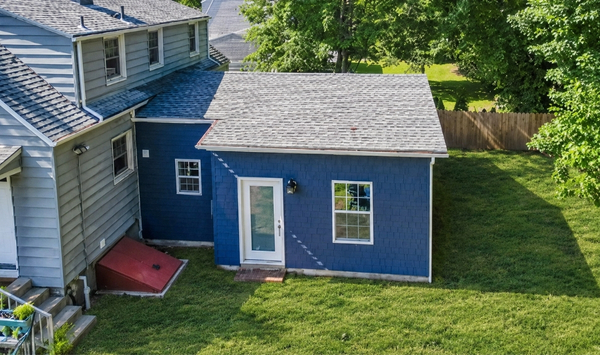
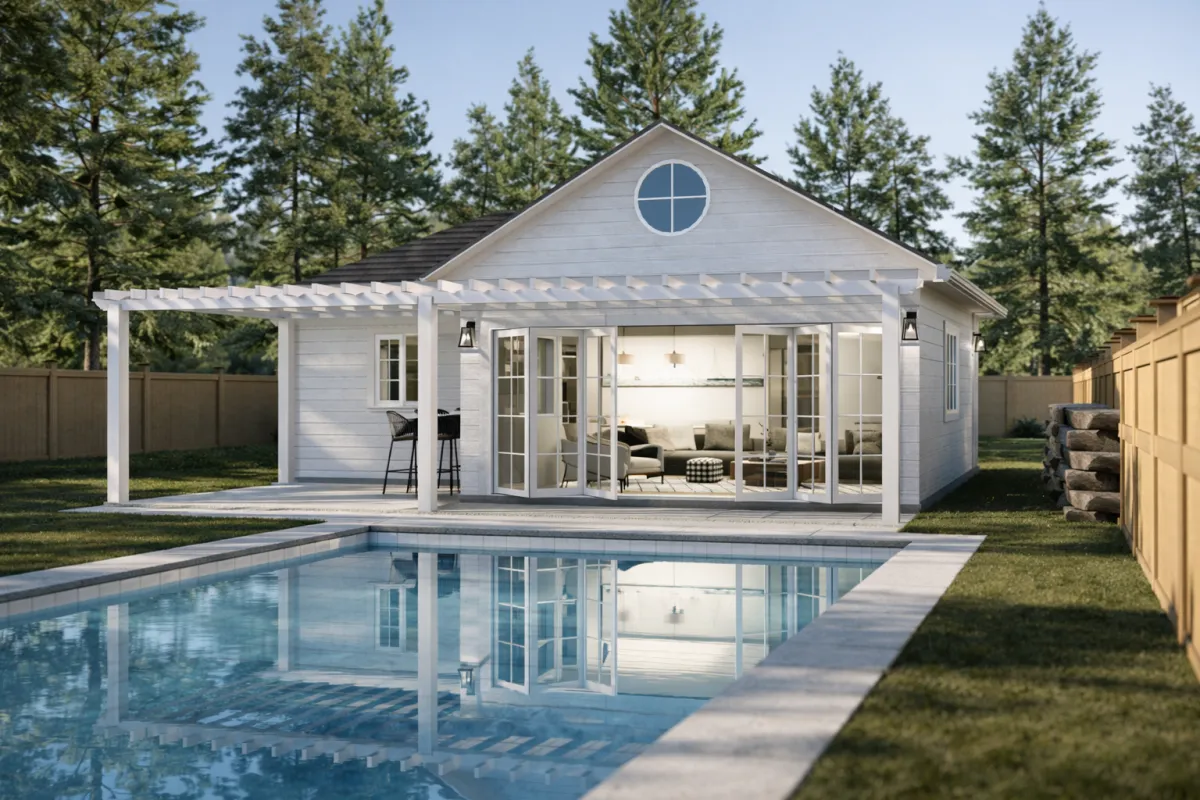
A detached ADU is a separate small home on the same property as the main house. It may be used as a backyard cottage, guest house, in law suite, rental unit, or future downsizing option.
A detached ADU in Connecticut may be ideal if you want more privacy, a separate entrance, and a more independent living space. Many homeowners prefer detached ADUs for aging parents, adult children, long term renters, or future owner use.
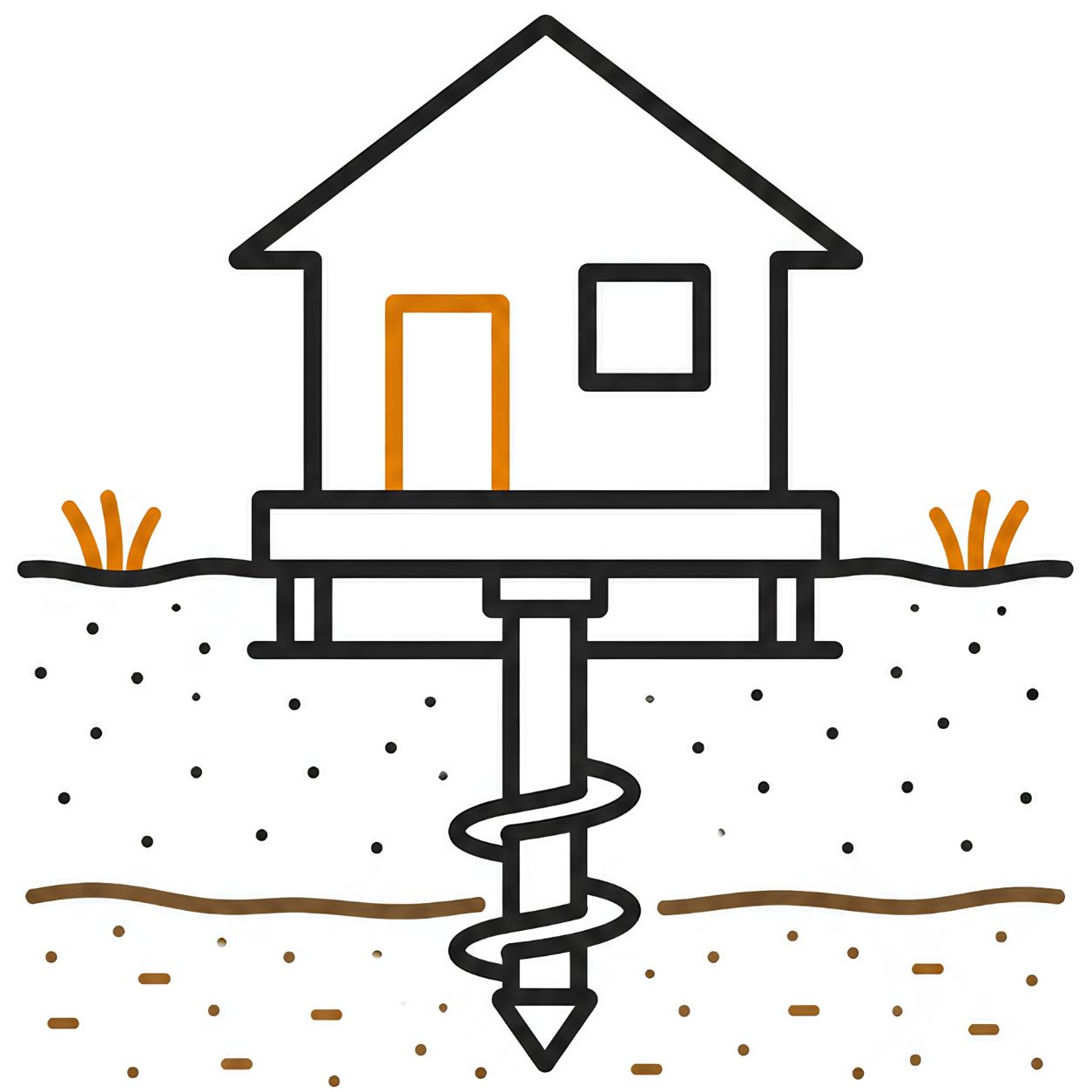
The tradeoff is that detached ADUs usually require more site planning. Setbacks, septic, sewer, utility trenching, driveway access, grading, foundation needs, and placement all become important.
Septic, Sewer, and Utilities Can Decide the Project
In Litchfield County, septic is often one of the biggest ADU feasibility questions. Many homes in the area are on private septic systems, especially in rural or lower-density towns. If your property uses septic, the local health department or health district may need to confirm whether your system can support an additional dwelling unit.
Septic review may look at the number of bedrooms, tank size, leaching area, reserve area, soil conditions, well location, and separation distances. If upgrades are needed, that can affect cost, timeline, and layout.
If your home is on public sewer, that does not mean the project is automatically clear. Sewer connection, water service, electric routing, trenching distance, and utility capacity still need to be reviewed.
This is one of the biggest reasons to start with feasibility before design. A beautiful ADU layout will not help if the property cannot support the utilities required to make it livable and code-compliant.
What Requirements Affect ADU Approval?
Most ADU projects in Litchfield County are shaped by a mix of zoning, health, building, and site conditions. The most common requirements include zoning district, unit size, setbacks, lot coverage, parking, septic or sewer approval, wetlands review, survey information, and building permits.
Zoning and Setbacks
Your zoning district determines whether an accessory dwelling unit may be allowed and what review process is needed. Setbacks determine how far the ADU must be from property lines, roads, wetlands, and other structures.
A lot can be large but still difficult to build on if the usable area is limited. This is especially true on wooded, sloped, narrow, or irregular lots.
Wetlands and Site Conditions
Wetlands, streams, ponds, drainage areas, steep slopes, ledge, and mature trees can all affect where an ADU can be placed. Some properties may need wetlands review before zoning or construction can move forward.
Building Code and Permits
An ADU must meet Connecticut building code requirements. That can include structure, foundation, electrical, plumbing, HVAC, insulation, energy code, fire safety, and final inspections. A guided ADU builder can help homeowners understand what is needed before the project moves too far.

Can I Build an ADU for My Parent or Family Member?
Yes, many Litchfield County homeowners explore ADUs because they want to keep family close while preserving privacy. This is one of the strongest reasons to build an ADU in Connecticut.
A family ADU may be used for an aging parent, adult child, caregiver, long term guest, or relative who needs a safer and more independent living space. For many families, the goal is not luxury. The goal is comfort, privacy, safety, and flexibility.
A family ADU in Connecticut should be designed around the person who will actually live there. For an aging parent, that may mean one level living, fewer steps, a separate entrance, wider movement areas, a comfortable bathroom, and easy access to the main home. For an adult child or renter, privacy and independence may matter more.
The best ADU is not always the largest one. It is the one that fits the property, the town rules, the budget, and the real-life use case.
Can I Rent Out an ADU in Litchfield County?
Possibly, but rental rules should be checked locally. Some homeowners want an ADU for long term rental income, while others want flexibility for family now and rental use later.
An ADU can create options such as parent now, rental later, rental now, downsizing later, guest space now, or adult child now. That flexibility is one reason ADUs are attractive to Connecticut homeowners.
If your goal is long term rental income, make sure your town’s rules support that use. If your goal is short term rental use, such as vacation stays, you need to be even more careful. Towns may treat short term rental use differently from long term rental housing.
For many homeowners, the strongest plan is not relying only on short term rental income. It is building a flexible accessory dwelling unit that can serve different needs over time.
How Much Does an ADU Cost in Connecticut?
A common search is “How much does an ADU cost in Connecticut?” But for Litchfield County homeowners, the better question is, “What will affect the all-in cost on my property?”
ADU cost can vary because every property is different. The model or structure is only part of the investment. Site work, utilities, septic, sewer, foundation, permitting, grading, driveway improvements, tree removal, electrical upgrades, design choices, and accessibility features can all affect the final number.
Common cost variables include:
Septic upgrades or review
Sewer connection work
Long utility trenching
Electrical service upgrades
Site grading or drainage
Foundation requirements
Tree removal
Driveway or parking improvements
Wetlands review
Survey needs
Accessibility features
Custom layout requirements
This is why homeowners should be careful with any price that sounds too simple. A realistic ADU conversation should explain what is included, what is not included, and what site-specific conditions could change the investment.
What Should You Gather Before an ADU Consultation?
You do not need every document before the first conversation, but having the right information can make the review more useful.
Helpful items include your property address, a survey if available, septic records if available, sewer or water information if known, photos of the yard, notes about slopes or wetlands, your intended use, your rough investment range, and any timing goals.
If you do not have a current survey or septic records, that does not automatically stop the project. It simply means those questions may need to be answered early.
You can also start comparing ADU models once you have a better sense of what your property can support. The right model should follow the feasibility review, not replace it.
How Contemporary Tiny Homes Helps Litchfield County Homeowners
Contemporary Tiny Homes helps Connecticut homeowners move from uncertainty to a clearer ADU plan. The process starts with your property, your town, and your reason for building.
A guided ADU process can help you understand whether an attached or detached ADU is realistic, where the unit may fit, what zoning or health questions need review, how utilities may work, what layout fits your use case, and what next step makes sense.
This matters because most homeowners are not looking for hype. They want plain language, realistic expectations, and someone who can help them understand the process before they spend time and money in the wrong direction.
Still wondering what is possible on your property? Schedule a consultation with Contemporary Tiny Homes to review your ADU feasibility, attached or detached layout options, and next steps.
FAQ: Building an ADU in Litchfield County
Can I build an ADU in Litchfield County?
Many homeowners may be able to build an ADU in Litchfield County, but approval depends on town rules, zoning district, setbacks, septic or sewer, utilities, parking, wetlands, and building code requirements.
Are detached ADUs allowed in Litchfield County?
Detached ADUs may be allowed in some towns, but rules vary. A detached ADU needs review for zoning, setbacks, buildable area, septic or sewer, utilities, access, and parking.
Do I need septic approval for an ADU?
If your property uses septic, septic approval may be one of the most important early steps. The local health department or health district may need to confirm whether your system can support the ADU.
Can an ADU be used as an in law suite?
Yes. Many homeowners build ADUs as in law suites for parents, adult children, relatives, caregivers, or long term guests. The best design depends on privacy, accessibility, daily living needs, and town rules.
What is the first step to building an ADU in Connecticut?
The first step is a feasibility review. Before choosing a model, review your town rules, lot layout, septic or sewer, utilities, setbacks, parking, and goals.
Final Answer: Is Your Litchfield County Property a Fit?
You may be able to build an ADU in Litchfield County if your town allows the type of unit you want and your property can support the required zoning, septic, sewer, utility, parking, setback, and building code requirements.
The real answer is property-specific.
A detached ADU may be perfect for one homeowner. An attached ADU may be smarter for another. A garage conversion may be the best path on a tight lot. A one-level backyard cottage may be the right solution for an aging parent.
The key is to get clarity before you invest time, money, and emotion into a plan that may need to change.
Want to know whether your property is a fit for an ADU? Schedule a consultation to review feasibility, layout options, town requirements, and next steps for your Litchfield County home.


Copyright 2026. All rights reserved. Norwalk, CT
Connecticut's New Home Construction Contractor License: #NHC.0017654
EPA Lead-Safe Certified NAT-F269966-1