














Knowledge Center: Your Go-To Resource for ADUs and Tiny Living
Knowledge Center: Your Go-To Resource for ADUs and Tiny Living
Email [email protected]
Phone 860-TINY-HOM (es)
Building an ADU in Fairfield CT: What Homeowners Need to Know Before They Start
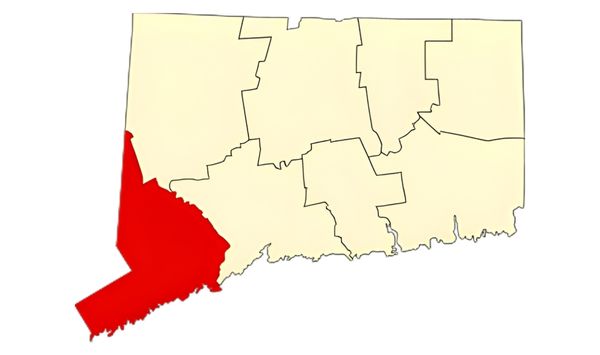
If you are thinking about building an ADU in Fairfield CT, you are probably not starting with finishes or floor plans. You are starting with questions. Can you legally build on your property? What will the real cost look like? Will the project actually solve the family or financial need behind it?
That is how most Connecticut homeowners approach an accessory dwelling unit. They want clarity before they want design. In Fairfield, that makes sense. The town has published ADU resources, zoning guidance, and planning information, which shows that accessory dwelling units are firmly part of the local housing conversation. At the same time, every property is different. Setbacks, utilities, lot shape, wetlands, septic, and zoning details can change what is possible.
For that reason, the smartest way to think about a Fairfield ADU is not as a generic backyard project. It is a property-specific housing solution that should match your lot, your goals, and your long-term plans.
Why Fairfield Homeowners Are Considering ADUs
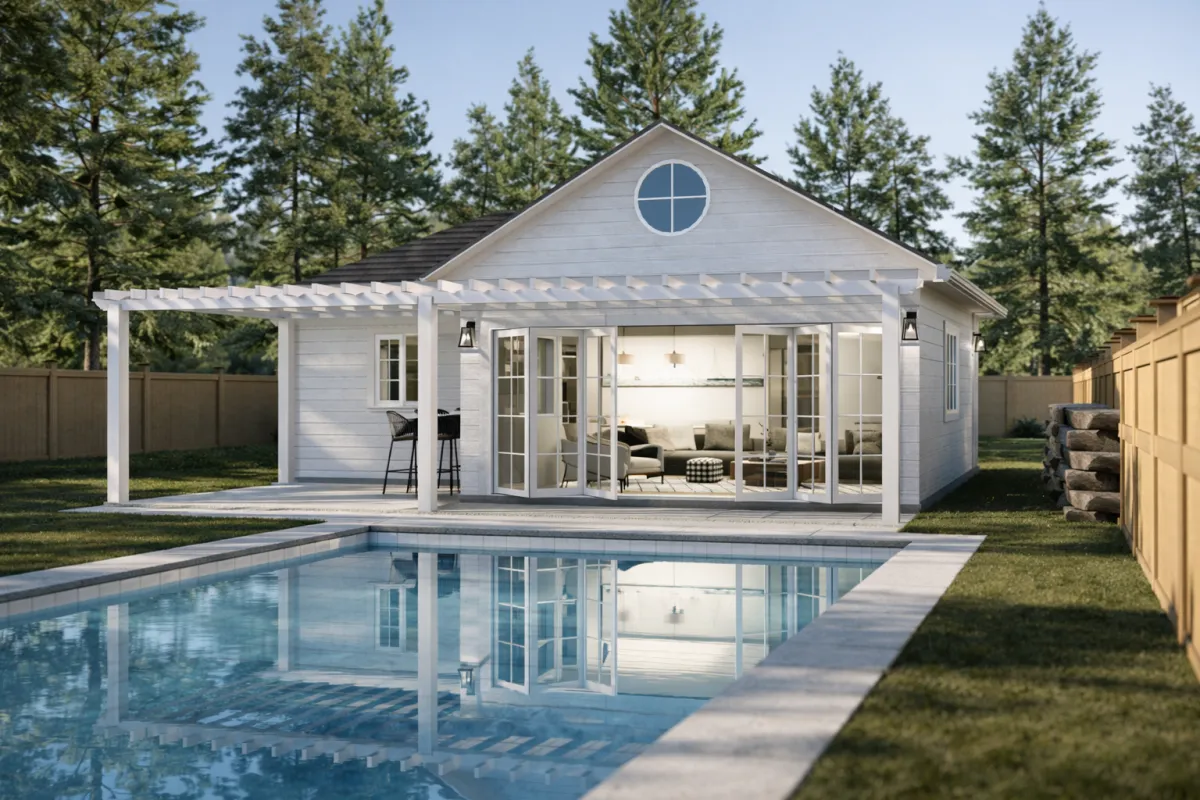
For many families, an ADU is not just extra square footage. It is a more flexible way to live. Some Fairfield homeowners want a private in-law suite for a parent. Others want a one-level backyard living space for family members who need independence without being far from home. Some are thinking about rental income now and a downsizing option later.
This is why search behavior around ADUs often overlaps with terms like backyard cottage, second small home on your property, family ADU, and in-law apartment. People are not only looking for a structure. They are looking for a solution that supports privacy, accessibility, flexibility, and long-term comfort.
In Fairfield, the strongest ADU motivations are usually both emotional and practical. A homeowner may want to keep family close with privacy. They may want more usable space for multigenerational living. They may also want a project that can support future property value, flexible housing, or long-term rental use.
Start With Feasibility, Not Floor Plans
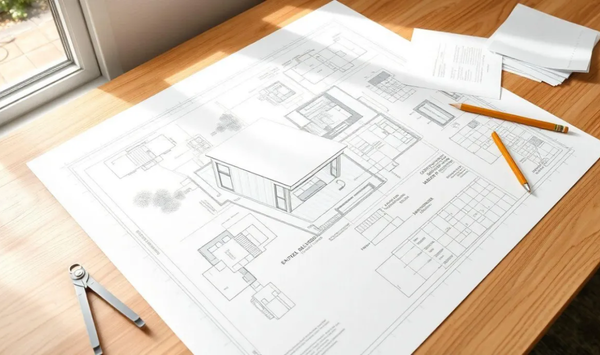
The first question is not what style you want. The first question is what your property can support.
That is where many Fairfield ADU projects either gain momentum or stall out. The biggest blocker is usually unanswered feasibility questions. Homeowners want to know if their lot can support the concept they have in mind, where the unit could go, and whether the best path is a detached ADU, an attached ADU, or a conversion of existing space.
Fairfield properties can vary a lot. Some lots have straightforward access to utilities. Others have constraints that affect placement and budget. The details matter early.
Questions to Answer Before You Get Attached to a Plan
Before moving into design mode, it helps to answer a few basic but high-value questions:
Can your zoning district support the ADU concept you want?
Is your lot better suited for an attached layout, a detached backyard home, or a garage conversion?
How much usable build area is left after setbacks and other site constraints?
Will utility tie-ins be simple, or will distance and trenching add cost?
Could septic, slope, wetlands, or lot configuration reduce your options?
These are the questions that reduce risk early. They also help you avoid falling in love with a plan that does not fit the property.
Want to know whether your property is a fit for an ADU? Schedule a consultation to review feasibility, layout options, and next steps for your Connecticut home.
What an ADU in Fairfield CT Really Costs
One of the biggest mistakes in ADU planning is focusing too much on a starting number and not enough on total project scope.
Fairfield homeowners usually do not just want to know the price of the unit. They want to know what the number includes, what it excludes, and what could affect the final investment. That is a smart way to evaluate a project.
A real ADU budget may include more than the structure itself. Depending on the site, cost can be shaped by surveys, permitting, engineering, utility work, septic-related work, drainage, grading, driveway access, and finish selections. The farther the unit is from tie-ins, the more those site conditions can matter.
That is why a true feasibility review often matters more than a generic online estimate. A low starting price does not tell you enough. Fairfield homeowners usually move forward with more confidence when they understand the likely cost drivers from the beginning.
Why Scope Clarity Builds Trust
Homeowners are not only price-sensitive. They are scope-sensitive.
They want to know whether the quote covers planning, permits, site review, utility coordination, appliances, and common add-ons. They want fewer surprises. That is especially important if the ADU is meant to house a parent, create a long-term rental, or support a future downsizing move.
A clearer process does not guarantee a fixed price. It does give you a better way to plan, compare options, and make a decision based on the full picture.
Detached ADU, Attached ADU, or Conversion?
Many Fairfield homeowners are not deciding between building and doing nothing. They are deciding between several imperfect options.
Should you create a detached ADU in the backyard? Should you build an attached ADU connected to the main home? Should you convert a garage, lower level, or other existing space? Or would a traditional addition make more sense?
The right answer depends on the property and the use case.
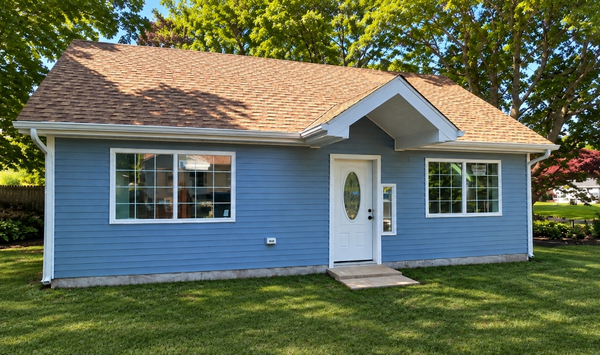
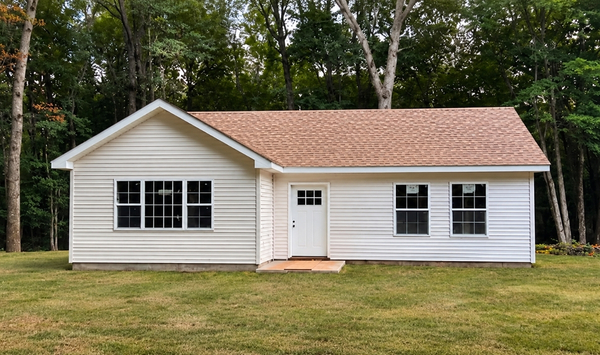
A detached ADU can create stronger privacy and separation. That often makes it appealing for an aging parent, adult child, guest use, or long-term rental income.
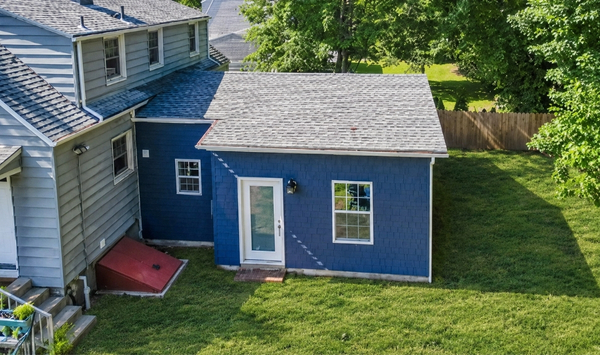
An attached ADU can be a strong choice when the lot has limited buildable area or when utility connections can be simpler through the main house.
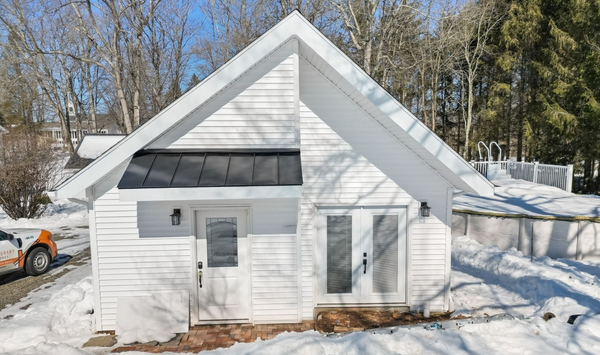
A conversion may make sense if you already have usable square footage and want to reduce new construction complexity. But conversions still require code compliance, layout fit, and a realistic understanding of access, parking, and utility needs.
This is where it helps to review your ADU solutions in the context of the property, not just the floor plan. The best option is the one that solves the real problem without creating new ones.

What a Better Fairfield ADU Planning Process Looks Like
The most effective ADU planning process is not luxury-first or speed-first. It is clarity-first.
Homeowners want plain language, realistic guidance, and a process that helps them understand what is feasible before they commit. In Fairfield, that usually means working through the project in the right order.
1. Define the Use Case
Start with the reason behind the project. Is this for a parent? Rental income? A guest space? A downsizing plan? A flexible one-level home for the future? Your goal should shape the layout, level of privacy, accessibility needs, and parking strategy.
2. Review Zoning and Lot Fit
Look at the property itself. Confirm local zoning direction, setbacks, lot conditions, and whether the best path is attached, detached, or a conversion. This is also the stage where surveys, site conditions, and utility access become important.
3. Identify the Likely Cost Drivers
On many projects, the biggest cost questions are not inside the unit. They are outside it. Site work, utilities, driveway access, septic issues, drainage, grading, and permitting can all affect the investment.
4. Narrow the Right Path
Once feasibility and cost drivers are clearer, it becomes easier to compare options. You can look at detached ADU layouts, attached ADU concepts, or standard tiny home models with a more realistic view of what fits the site.
That sequence helps homeowners make better decisions. It also reduces the chances of wasted time, vague pricing, and avoidable surprises.
The Fairfield Homeowners Who Move Fastest Usually Get These Answers Early
Projects tend to move faster when the homeowner has early clarity around the basics. That includes what is allowed, where the ADU could realistically go, what documents may be needed, and what site conditions could affect the budget and timeline.
Momentum often slows when people are missing a current survey, do not fully understand the local review path, or still feel uncertain about feasibility. It can also slow down when one spouse or family member has not seen enough examples, layouts, or project visuals to feel confident.
That is why the early phase matters so much. A stronger start gives you a better filter for what is realistic and what is not.
FAQs
Can I build a detached ADU in Fairfield?
In some Fairfield situations, a detached ADU may be possible, but the answer depends on your zoning district, lot characteristics, and site-specific requirements. That is why a property review comes first.
Do I need a survey before building an accessory dwelling unit?
In many cases, a survey is one of the most useful documents you can have early. It can help clarify setbacks, usable area, siting options, and risk factors before design work moves too far.
Is an ADU better for family use or rental income?
It can work for either. Some homeowners build for a parent or adult child first. Others prioritize long-term rental income. Some want both flexibility and future downsizing options. The best layout depends on who will use the space now and later.
Should I start by choosing a floor plan?
Usually, no. It is better to start with the property, the use case, and a feasibility review. Once you know what the site can support, floor plans become more useful.
Thinking About Building an ADU in Fairfield CT?
The best place to start is not with a generic plan. It is with your property, your goals, and a realistic review of what is possible.
Whether you want an in-law suite, a backyard home for a parent, a one-level living space, or a unit that supports future rental income, the biggest advantage is getting clear answers early. That includes feasibility, zoning direction, likely cost drivers, and the most practical layout path for your lot.
If you want a clearer next step, schedule a consultation to review your property, compare attached and detached options, and map out the smartest path forward for your Connecticut home.


Copyright 2026. All rights reserved. Norwalk, CT
Connecticut's New Home Construction Contractor License: #NHC.0017654
EPA Lead-Safe Certified NAT-F269966-1