

















Knowledge Center: Your Go-To Resource for ADUs and Tiny Living
Knowledge Center: Your Go-To Resource for ADUs and Tiny Living
Email [email protected]
Phone 860-TINY-HOM (es)

What’s it like living in an ADU in a city vs. a rural area?
Choosing where and how to build an accessory dwelling unit can shape your day to day life just as much as the floor plan itself. For Connecticut homeowners, the decision often comes down to this: will your ADU living experience feel better in a more urban setting or on a quieter rural property?
An ADU can work well in both environments, but the lifestyle is different. In a city or denser neighborhood, an attached ADU or compact backyard ADU may offer better access to restaurants, public transportation, healthcare, and daily errands. In a rural setting, a detached ADU or backyard cottage may deliver more privacy, more open space, and a calmer pace of life.
The right choice depends on your goals. Some homeowners want an in-law suite for aging parents. Others want flexible ADU housing for adult children, guests, or future rental income. Some are focused on comfort and independence. Others care most about convenience and long term property value.
In this guide, we break down the real differences between city and rural ADU living so you can decide what makes the most sense for your property, your family, and your long term plans.
Quick Take: City vs Rural ADU Living
If you want convenience, shorter trips, and close access to services, city ADU living usually wins.
If you want privacy, more outdoor space, and a quieter environment, rural ADU living usually wins.
If you are still deciding what type of ADU fits your lot, your best path is to evaluate zoning, site layout, utility access, privacy needs, and who will actually live in the space.
What Is ADU Living, Exactly?
An accessory dwelling unit, often called an in-law suite, backyard cottage, or second small home on your property, is a self-contained living space built on the same lot as a primary residence. It may be attached to the main home or fully separate.
For many Connecticut families, ADU living is attractive because it creates flexibility without requiring a move. It can support multigenerational living, give a loved one more independence, create room for guests, or open the door to future rental use.

ADU Living in a City: The Biggest Benefits and Tradeoffs
1. Convenience is hard to beat
Urban and denser suburban properties often put an ADU resident closer to grocery stores, restaurants, medical offices, schools, and public transportation. That daily convenience can be a major benefit for seniors, working professionals, or anyone who wants less driving and easier access to services.
For homeowners planning an attached ADU or smaller backyard ADU, city lots can also make it easier to create a connected living arrangement where support is nearby but privacy still exists.
2. Smaller lots usually demand smarter design
In city settings, lot size matters. A smaller yard may limit what is possible for a detached ADU, which is why some homeowners lean toward an attached ADU, garage conversion, or other compact accessory dwelling unit layout. Smart storage, natural light, and flexible rooms become more important when every square foot has to work harder.
3. Privacy may be more limited
One of the biggest tradeoffs in city ADU living is privacy. Homes are closer together. Outdoor space is tighter. Noise from traffic, neighbors, and surrounding activity can affect the feel of the unit. For some people, that energy is a benefit. For others, it becomes a drawback over time.
4. Access to utilities can be simpler
In many more developed areas, utility connections may be more straightforward than on rural properties. That can help reduce complexity during planning, though every site is different and local zoning still matters.
ADU Living in a Rural Area: The Biggest Benefits and Tradeoffs
1. Privacy and independence are stronger
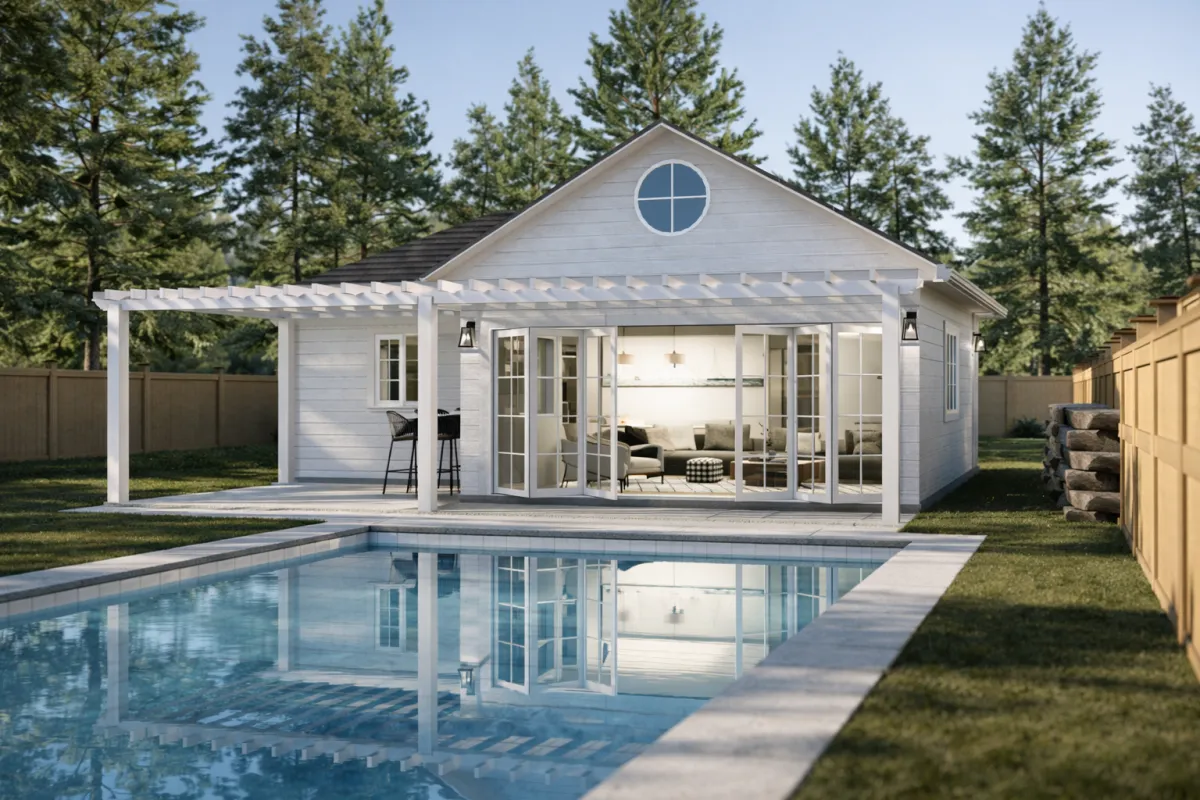
A rural detached ADU often gives residents what many people want most: quiet, separation, and breathing room. If your goal is a peaceful in-law suite, guest house, or backyard cottage for family use, the rural experience can feel more comfortable and more private.
This can be especially appealing for multigenerational living. Family stays close, but everyone still has a sense of independence.
2. Larger lots can create more design freedom
A bigger property may allow for a larger backyard ADU, better placement for windows and parking, and more outdoor living space. It can also make a detached ADU more practical if you want clear separation from the main house.
That said, more land does not always mean an easier project. Trees, slopes, wetlands, septic layout, driveway access, and utility distances can all affect what is realistic.
3. Everyday errands may take more planning
The biggest downside to rural ADU living is convenience. Residents may need to drive farther for groceries, appointments, and social activities. For some households, that is a minor issue. For others, especially older adults or renters who prefer walkability, it can shape whether the space truly works long term.
4. Site work can have a bigger impact on cost
On rural properties, the building itself is only part of the story. Septic upgrades, trenching, grading, driveway extensions, and site preparation can become major cost factors. That is why feasibility matters so much before anyone gets attached to a layout.
Cost of Living and Build Considerations: City vs Rural ADUs
When comparing city and rural ADU housing, many homeowners focus only on construction cost. The better comparison is total project reality.
In a city or denser neighborhood, land is tighter but utility access may be easier. In a rural area, you may have more freedom for a detached ADU, but more site work can increase the budget.
Common cost factors include:
zoning and permit requirements
utility connections
septic or sewer conditions
grading and drainage
driveway access and parking
landscaping and exterior work
attached ADU versus detached ADU build type
This is one reason homeowners should not think only in terms of square footage. A smaller accessory dwelling unit on a simple site may be more efficient than a larger unit on a difficult rural property.
Not sure whether an attached ADU or detached ADU makes more sense for your property? Schedule a consultation to compare feasibility, privacy, site conditions, and next steps for your Connecticut home.

Community, Family, and Lifestyle Differences
City ADU living often supports convenience-first lifestyles
If the resident values being close to work, transit, healthcare, coffee shops, or social activity, urban ADU living can feel easier. This is often a good fit for adult children, professionals, caregivers, or renters.
Rural ADU living often supports privacy-first lifestyles
If the resident values calm surroundings, outdoor space, and a little more separation from the main household, a rural backyard cottage or detached ADU may be the better match. This is often a strong fit for parents, extended family, guests, or homeowners planning for aging in place.
Which ADU Type Fits Best in Each Setting?
Best fit for many city properties
An attached ADU is often a strong option when yard space is limited and keeping construction close to the main house makes sense. It can work well for family use, aging parents, or a rental setup where efficient layout matters.
Best fit for many rural properties
A detached ADU is often a strong option when you want privacy, flexible placement, and a true sense of independent living. It can work well as an in-law suite, a guest house, or a space built with future rental income in mind.
Sustainability and Long Term Property Value
From a sustainability standpoint, city ADU living may reduce driving and daily travel time. Rural living may offer more natural surroundings and more room for thoughtful site orientation. The better option depends on how the resident will actually live.
From an investment standpoint, both attached and detached ADUs can strengthen property value when they are well planned, legally compliant, and designed for real use. Buyers often see value in flexible living space, family housing options, and income potential.
How Connecticut Homeowners Should Make the Decision
If you are choosing between city and rural ADU living, ask these questions first:
Who will live in the ADU full time?
Do they care more about convenience or privacy?
Is your lot better suited for an attached ADU or detached ADU?
Are utilities, septic, setbacks, or site access likely to affect feasibility?
Are you building for family, future downsizing, or rental income?
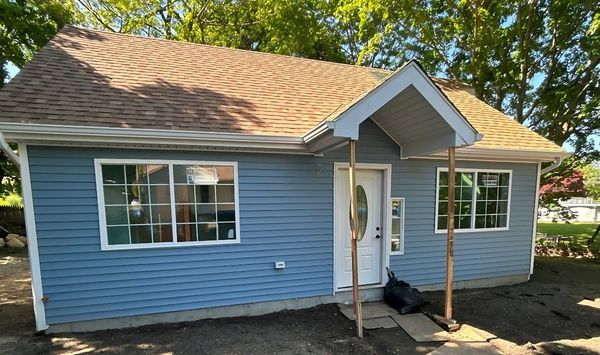
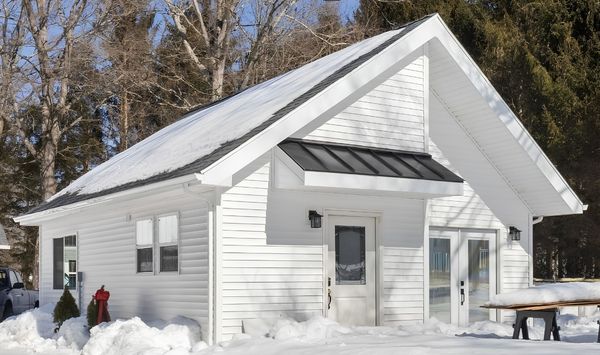
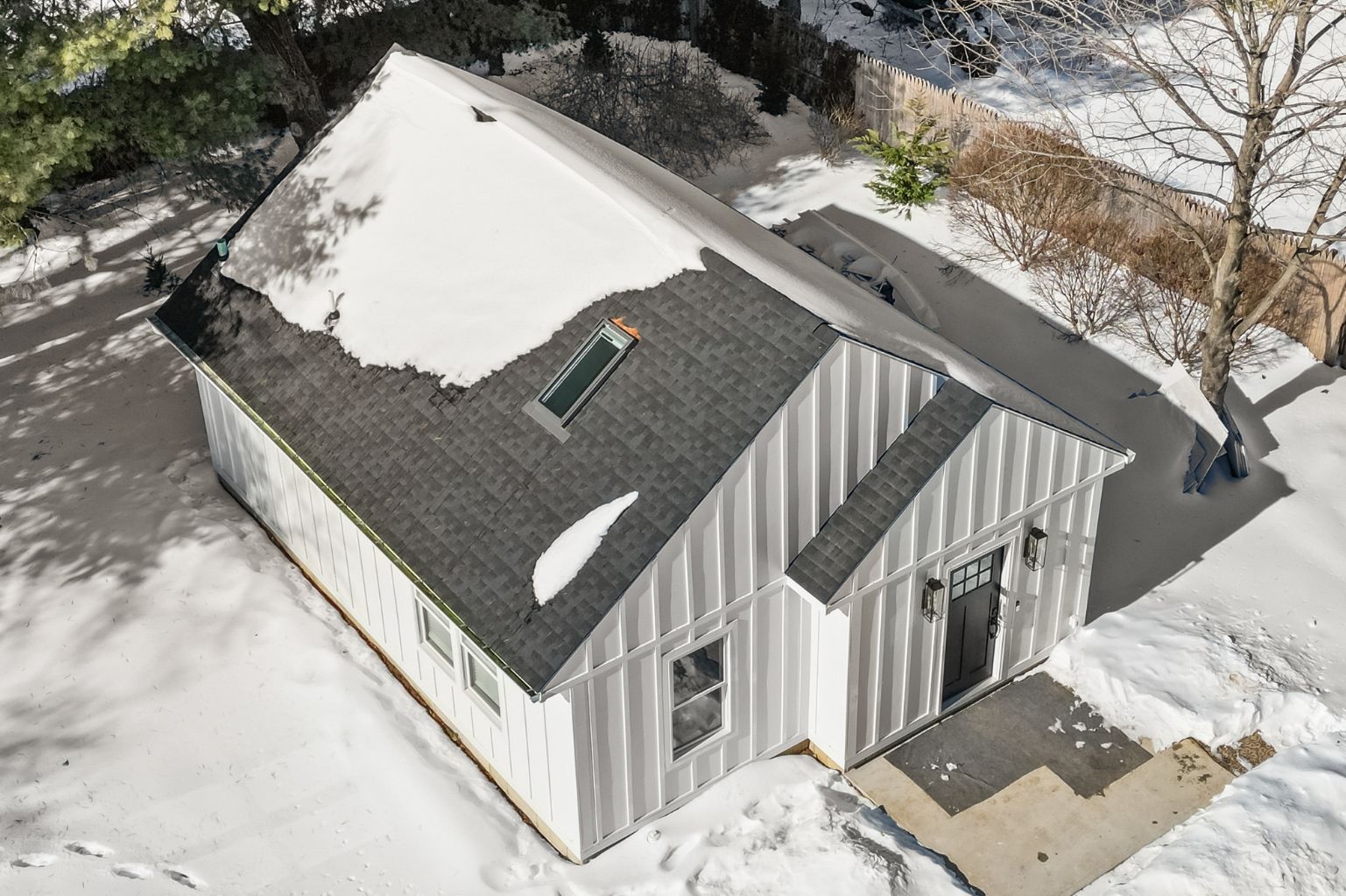
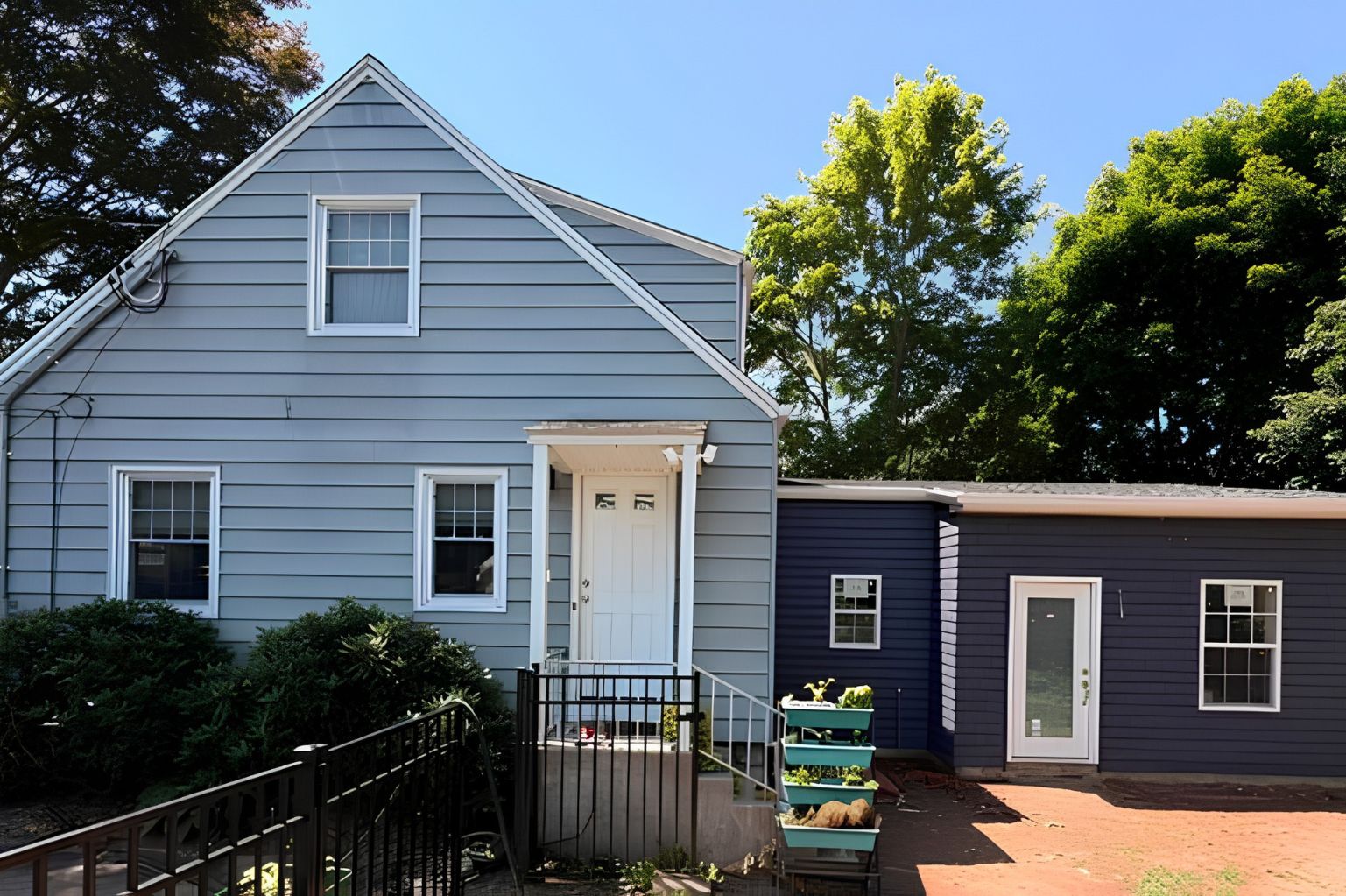
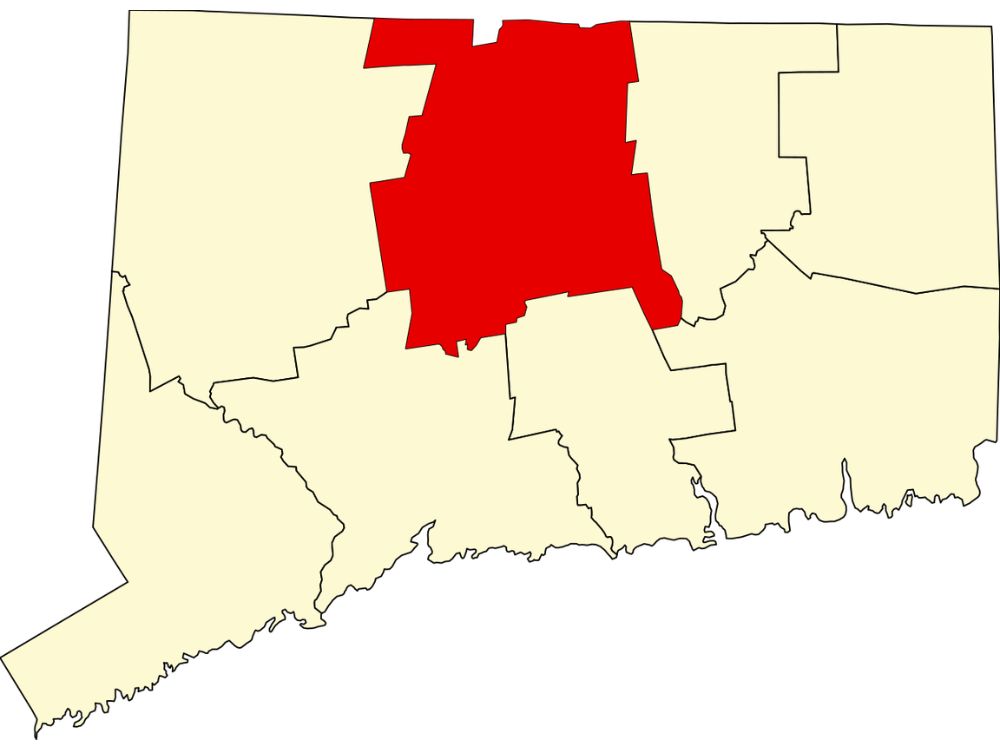
In Connecticut, those answers matter because local zoning, lot conditions, and town level requirements can shape what is possible. Check out one of our finished projects in Guilford, Connecticut to see real ADUs that we've built.
Final Thoughts
There is no one size fits all answer in the city vs rural ADU debate. A city accessory dwelling unit can make daily life easier and more connected. A rural backyard ADU can create a quieter, more independent lifestyle. Both can be excellent solutions when the design matches the property and the real needs of the person living there.
For many Connecticut homeowners, the best move is not starting with the floor plan. It is starting with the property, the use case, and the long term goal.
Want to know whether your property is a fit for an ADU? Schedule a consultation to review feasibility, layout options, zoning considerations, and next steps for your Connecticut home.
FAQ
Are ADUs better in urban or rural areas?
Neither is automatically better. Urban ADUs usually offer stronger convenience and access to services, while rural ADUs often offer more privacy, space, and independence.
Is a detached ADU better than an attached ADU?
A detached ADU is often better for privacy and flexible use. An attached ADU is often better when yard space is limited or when close connection to the main home is important.
Do rural ADUs cost less than city ADUs?
Not always. Rural properties may offer more space, but site work, septic needs, grading, and utility runs can increase the overall project cost.
Can an ADU increase property value?
Yes, in many cases an ADU can strengthen property value by adding livable space, flexibility, and possible income potential.
Is an ADU a good option for multigenerational living?
Yes. ADUs are one of the most practical options for multigenerational living because they let loved ones stay close while maintaining privacy and independence.


Copyright 2026. All rights reserved. Norwalk, CT
Connecticut's New Home Construction Contractor License: #NHC.0017654
EPA Lead-Safe Certified NAT-F269966-1