

















Knowledge Center: Your Go-To Resource for ADUs and Tiny Living
Knowledge Center: Your Go-To Resource for ADUs and Tiny Living
Email [email protected]
Phone 860-TINY-HOM (es)
ADU Design Ideas and Trends for Connecticut Homeowners
Accessory dwelling units are becoming one of the most useful home improvement options for Connecticut homeowners. An accessory dwelling unit, also called an ADU, is a smaller living space located on the same property as a main home. It can be a detached backyard home, an attached addition, a garage conversion, a basement apartment, or an in-law suite.
For many families, an ADU is not just extra space. It is a way to care for aging parents, support adult children, create rental income, add a private guest space, or plan for future downsizing. It can also turn an underused backyard, garage, or side yard into a more valuable part of the property.
If you are searching for ADU design ideas in Connecticut, the best place to start is not with finishes or floor plans. The best place to start is with your property. Connecticut ADU rules can vary by town, so your design should match your lot, zoning, utilities, and long-term goals.
What Is an ADU?
An ADU is a secondary living unit on a residential property. It usually includes a sleeping area, bathroom, kitchen or kitchenette, and private entrance. Some ADUs are separate from the main home, while others are connected to the existing house.
Common types of ADUs include:
Detached ADU
Attached ADU
Garage conversion ADU
Basement ADU
In-law suite
Backyard cottage
Guest house
Family ADU
Long-term rental ADU
In Connecticut, homeowners often use ADUs for family living, rental income, guest space, home offices, or aging-in-place planning.
Why ADU Design in Connecticut Starts With Feasibility
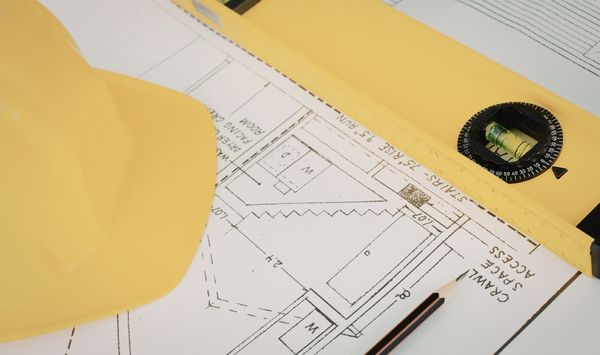
Before choosing an ADU model or layout, Connecticut homeowners should ask one important question: can I build an ADU on my property?
This matters because ADU requirements can change from town to town. A design that works in one Connecticut town may need changes in another. Your property may also have site conditions that affect the final layout, such as septic, sewer, wetlands, setbacks, slope, driveway access, or utility distance.
A proper ADU feasibility review should look at:
Local ADU zoning rules
Maximum size allowed
Detached or attached ADU options
Property setbacks
Septic or sewer capacity
Water access
Driveway and parking needs
Lot coverage
Wetlands or environmental limits
Utility connections
Intended use of the ADU
This step protects you from falling in love with a design that may not work for your property.
Want to know whether your Connecticut property is a fit for an ADU? Schedule a consultation to review feasibility, layout options, and next steps for your home.
1. Detached ADUs for Backyard Living Space
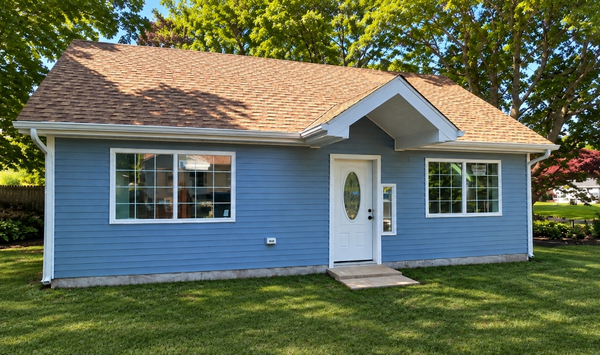
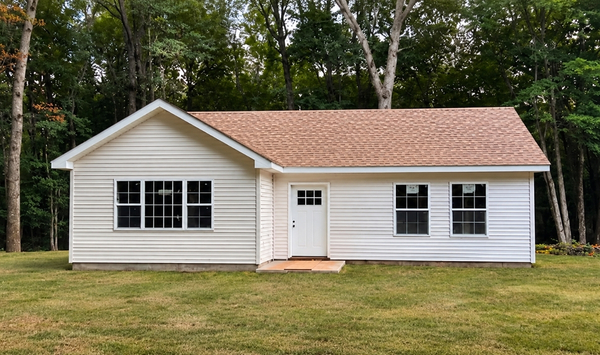
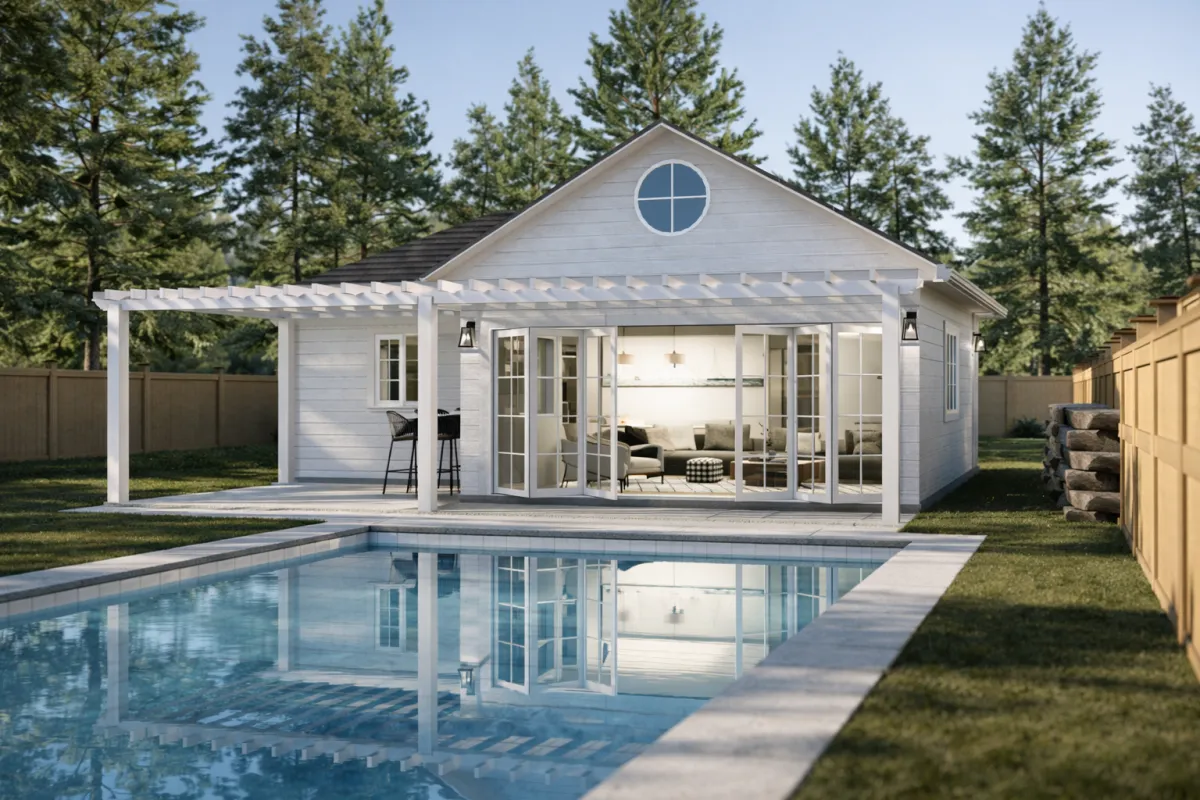
A detached ADU is one of the most popular ADU options for Connecticut homeowners. It is a separate structure located on the same property as the main house. Many people use it as a backyard living space, in-law suite, guest house, rental unit, or private home office.
The main benefit of a detached ADU is privacy. The person living in the ADU can have their own entrance, kitchen, bathroom, and living area. At the same time, they are still close to the main home.
Detached ADU design ideas
A strong detached ADU design may include:
A private entrance
One-level living
Full bathroom
Compact kitchen
Open living area
Bedroom or studio layout
Washer and dryer
Small porch or patio
Landscape screening
Good walkway lighting
For Connecticut homes, detached ADUs should also be designed with the weather in mind. A covered entry, durable siding, strong insulation, and proper drainage can make the space more comfortable through every season.
Detached ADUs are a good fit for homeowners who want a true second living space on the property.
2. In-Law Suites for Aging Parents and Family
Many Connecticut homeowners are looking for an in law suite builder because they want to keep family close without giving up privacy. This is one of the biggest reasons ADUs are growing in popularity.
An in-law suite can be detached, attached, or built within the existing home. The right option depends on your property and your family’s needs.
For aging parents, the best ADU design is usually simple, safe, and easy to move through. The layout should reduce stairs, improve comfort, and make daily living easier.
In-law suite design ideas
Consider these features:
Single-level layout
Bedroom near the bathroom
Walk-in shower
Wider doors and hallways
Easy entry from parking
Covered walkway or entry
Bright lighting
Laundry inside the unit
Comfortable kitchen or kitchenette
Space for future accessibility updates
A family ADU can give parents or relatives independence while still keeping support nearby. It is also a strong option for adult children who need a private place to live while staying connected to home.
3. Attached ADUs for Connected Living
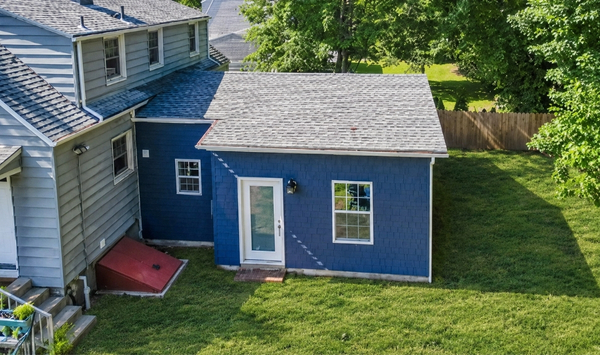
An attached ADU is connected to the main home. It may be built as a side addition, rear addition, converted wing, or private apartment within the existing structure.
Attached ADUs can be a smart option when a property does not have enough space for a detached ADU. They can also be helpful when a family wants closer access between the main house and the ADU.
Attached ADU design ideas
A good attached ADU should include:
Separate entrance
Private bathroom
Kitchen or kitchenette
Bedroom or sleeping area
Sound separation
Dedicated storage
Clear privacy between spaces
Easy access to the main home if needed
Privacy is the key design challenge. The ADU should feel independent, not like an extra bedroom. A separate entrance, thoughtful layout, and sound control can make a big difference.
Attached ADUs are often a good fit for multigenerational living, aging parents, guest space, or future downsizing plans.
4. Garage Conversion ADUs
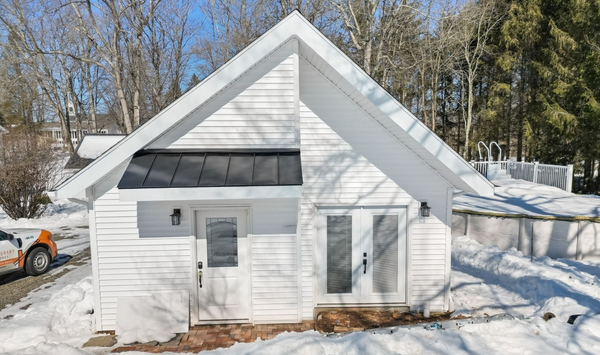
A garage conversion ADU turns an existing garage into livable space. This can be a good idea if the garage structure is suitable and local zoning allows it.
Some homeowners like this option because the space already exists. However, a garage conversion is not always simple. A garage was not originally built as a home, so it may need major upgrades.
What a garage conversion ADU may need
Before converting a garage, review:
Insulation
Heating and cooling
Plumbing
Electrical upgrades
Windows
Foundation condition
Ceiling height
Fire separation
Moisture control
New entrance
Parking changes
A garage conversion ADU should not feel like a garage with furniture in it. It should feel like a comfortable small home.
Good design can help by adding natural light, warm flooring, smart storage, a real bathroom, a compact kitchen, and an exterior entrance that feels welcoming.
5. Rental-Ready ADUs for Long-Term Income
Some homeowners build an ADU to create long-term rental income. This can be a smart use of extra property space when the town allows it and the design is done correctly.
A rental-ready ADU should be durable, private, and easy to maintain. It should feel comfortable for a tenant while still protecting the privacy of the main home.
Rental ADU design ideas
A strong rental ADU may include:
Private entrance
Full kitchen
Full bathroom
Washer and dryer
Durable flooring
Good closet space
Separate outdoor area
Clear parking plan
Outdoor lighting
Low-maintenance finishes
Sound control
Long-term rental ADUs should be designed for real daily living. Storage, privacy, and parking matter just as much as the finishes.
Rental rules can vary by town, so homeowners should confirm local requirements before designing an ADU around income.
6. Small ADU Layouts That Feel Bigger
A good ADU does not need to be large. Many Connecticut properties are better suited for compact ADUs that use space wisely.
Small ADU models can work well for one person, a couple, a guest suite, an office, or a rental unit. The key is designing every square foot with purpose.
Small ADU design ideas
To make a small ADU feel larger, use:
Open kitchen and living space
Large windows
Light wall colors
Full-height cabinets
Built-in storage
Pocket doors
Multipurpose furniture
Compact appliances
Smart bathroom layout
Outdoor patio or porch
A small ADU should feel simple, calm, and uncluttered. Good storage is especially important because small homes can feel crowded quickly without it.
7. ADU Privacy Design
Privacy is one of the most important parts of ADU design. This is true whether the ADU is for family, guests, tenants, or a home office.
A homeowner should think about privacy before deciding where the ADU will go. Window placement, entrances, parking, pathways, and landscaping all affect how private the space feels.
Privacy ideas for Connecticut ADUs
Consider:
Separate entrance from the main home
Windows placed away from direct sightlines
Fencing where appropriate
Trees or landscape buffers
Private patio area
Dedicated walkway
Good outdoor lighting
Clear trash and storage location
Sound control between spaces
A well-designed ADU should feel close enough to be convenient but separate enough to feel independent.
8. Warm and Timeless ADU Interiors
ADU interiors should be simple, durable, and comfortable. Since many ADUs are smaller than the main home, the finishes should make the space feel open and welcoming.
Connecticut homeowners are often choosing warm, timeless interiors instead of cold or overly trendy designs.
Interior design ideas for ADUs
Popular choices include:
Warm wood cabinets
Soft white or natural wall colors
Durable countertops
Luxury vinyl plank or engineered wood flooring
Walk-in showers
Built-in shelving
Under-cabinet lighting
Recessed lighting
Easy-clean bathroom surfaces
Simple hardware and fixtures
The goal is to create a space that feels finished and easy to live in. This is especially important for family ADUs and long-term rental ADUs.
9. Energy-Efficient ADU Design for Connecticut Weather
Connecticut weather should be part of the design conversation from the beginning. ADUs need to stay comfortable through cold winters, humid summers, rain, snow, and freeze-thaw cycles.
Energy-smart ADU design ideas
Consider:
Strong insulation
Energy-efficient windows
Efficient heating and cooling
Good ventilation
Durable siding
Proper roof design
Moisture-resistant materials
Covered entry
Proper drainage
Low-maintenance landscaping
Energy-efficient design can improve comfort and reduce maintenance over time. It also makes the ADU more attractive for family members, guests, or tenants.
10. ADUs for Home Offices and Flexible Living
Not every ADU has to be used as a full-time home right away. Some homeowners want a flexible space that can change over time.
An ADU can start as a home office, guest suite, creative studio, or backyard retreat. Later, it may become an in-law suite, rental unit, or downsizing option.
Flexible ADU design ideas
A flexible ADU may include:
Office area
Sleeping space
Full bathroom
Small kitchen or kitchenette
Built-in desk
Strong internet planning
Murphy bed or convertible furniture
Extra storage
Outdoor sitting area
This type of ADU is useful because family needs change. A flexible design gives the homeowner more options in the future.

How to Choose the Right ADU Design
The right ADU design depends on how you plan to use the space. A rental ADU has different needs than an in-law suite. A home office ADU has different needs than a future downsizing unit.
Ask these questions before choosing a design:
Who will use the ADU?
Will it be used full time or part time?
Is privacy a top priority?
Does the user need accessibility features?
Will the ADU be rented?
How much storage is needed?
Where will people park?
How will utilities connect?
What does the town allow?
Once these answers are clear, the design process becomes much easier.
Thinking about a detached ADU, in-law suite, or backyard living space in Connecticut? Schedule a consultation to compare design options and understand what may work for your property.
Common ADU Design Mistakes to Avoid
A successful ADU starts with smart planning. Avoid these common mistakes:
Choosing a design before checking zoning
A floor plan may look perfect, but it may not fit your town’s rules or your property conditions.
Forgetting about site work
Driveways, grading, utilities, septic, drainage, trees, and slopes can all affect the final design and cost.
Not planning enough storage
Small spaces need smart storage. Closets, cabinets, laundry space, and exterior storage should be planned early.
Ignoring privacy
Poor window placement, shared walkways, and unclear parking can make the ADU feel less comfortable.
Designing only for today
A good ADU should work now and later. Think about how your family, income needs, or lifestyle may change.
Frequently Asked Questions About ADU Design in Connecticut
What is the best ADU design for aging parents?
The best ADU design for aging parents is usually a single-level in-law suite with a private entrance, bedroom, bathroom, kitchen or kitchenette, safe walkway, and accessible bathroom features.
Can I build a detached ADU in Connecticut?
Many homeowners can explore detached ADUs, but approval depends on town rules, property size, setbacks, utilities, and site conditions. A feasibility review is the best first step.
Is a garage conversion ADU worth it?
A garage conversion ADU can be worth it if the structure is suitable and the town allows it. The garage may need insulation, plumbing, electrical, heating, cooling, windows, and code upgrades.
Can an ADU be used for rental income?
Some ADUs can be used for long-term rental income, depending on local rules. Homeowners should confirm rental requirements before designing the ADU around income.
Do ADUs in Connecticut need permits?
Yes. Most ADUs require zoning review, building permits, and code compliance. Some properties may also need septic, sewer, wetland, or utility review.
Final Thoughts
ADU design in Connecticut should be simple, practical, and built around your property. The best ADU is not always the biggest or most expensive option. It is the one that fits your family, your town, your lot, and your long-term goals.
For some homeowners, that means a detached backyard ADU for rental income. For others, it means an in-law suite for aging parents, a garage conversion for adult children, or a flexible guest space that can change over time.
The most important step is to start with feasibility. Once you know what your property can support, you can choose the right layout, design style, and next steps with more confidence.
Contemporary Tiny Homes helps Connecticut homeowners plan ADUs with a clear process, from early feasibility and design direction to permitting and construction planning.
Want to know what type of ADU may work for your Connecticut home? Schedule a consultation to review your property, design goals, and next steps.

Copyright 2026. All rights reserved. Norwalk, CT
Connecticut's New Home Construction Contractor License: #NHC.0017654
EPA Lead-Safe Certified NAT-F269966-1