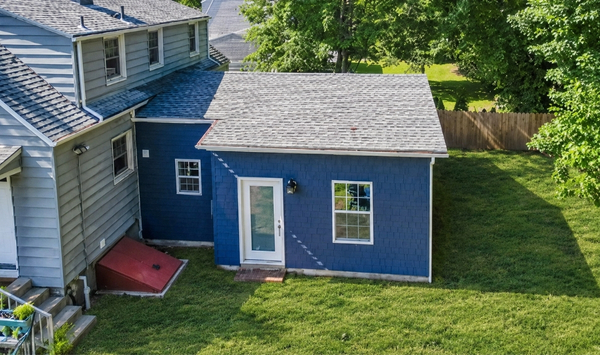















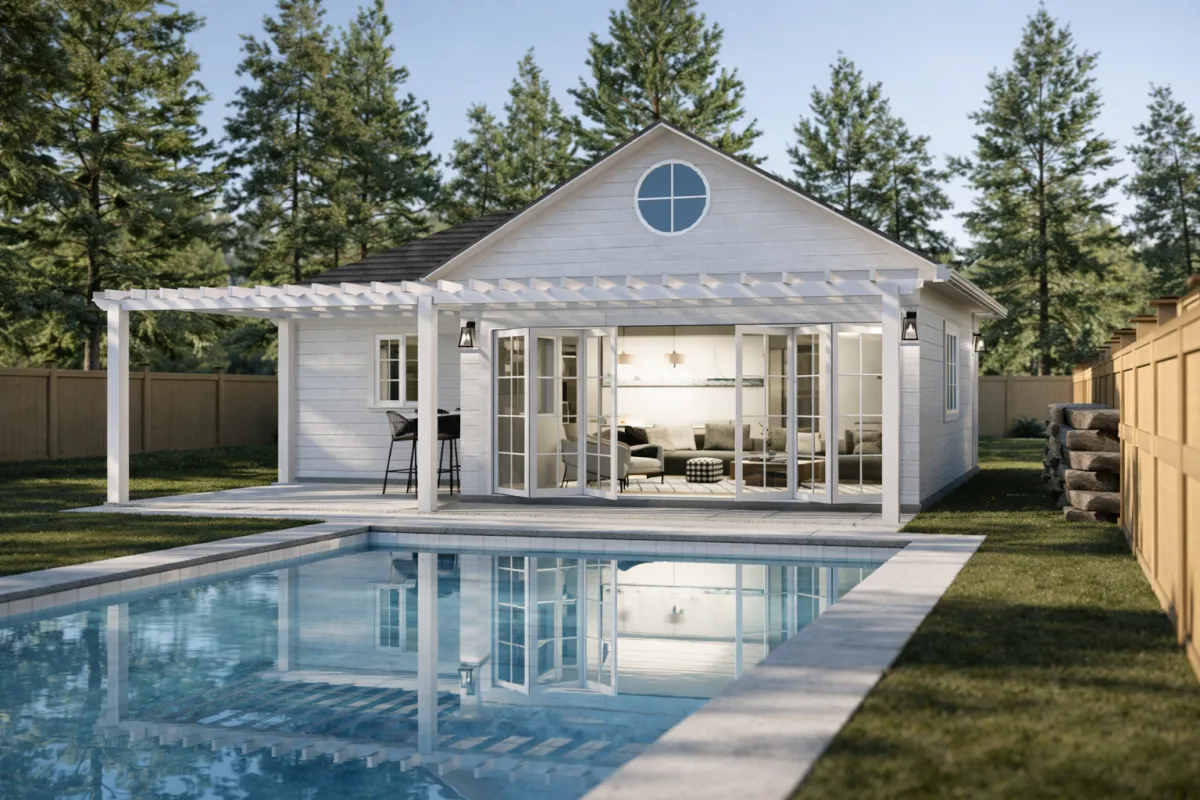
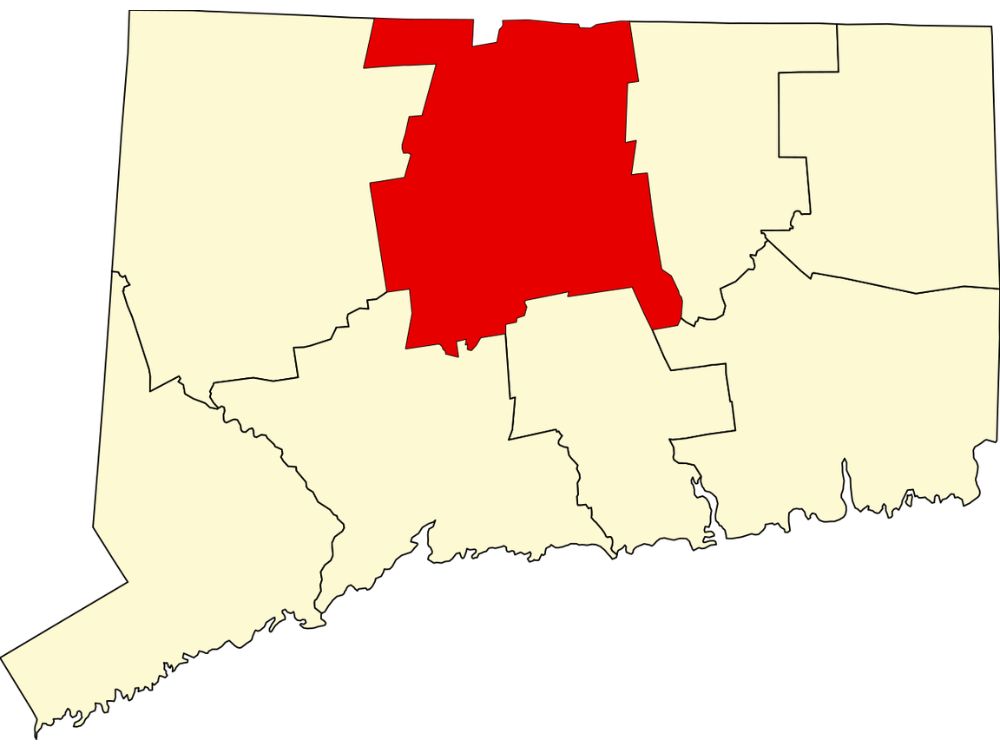
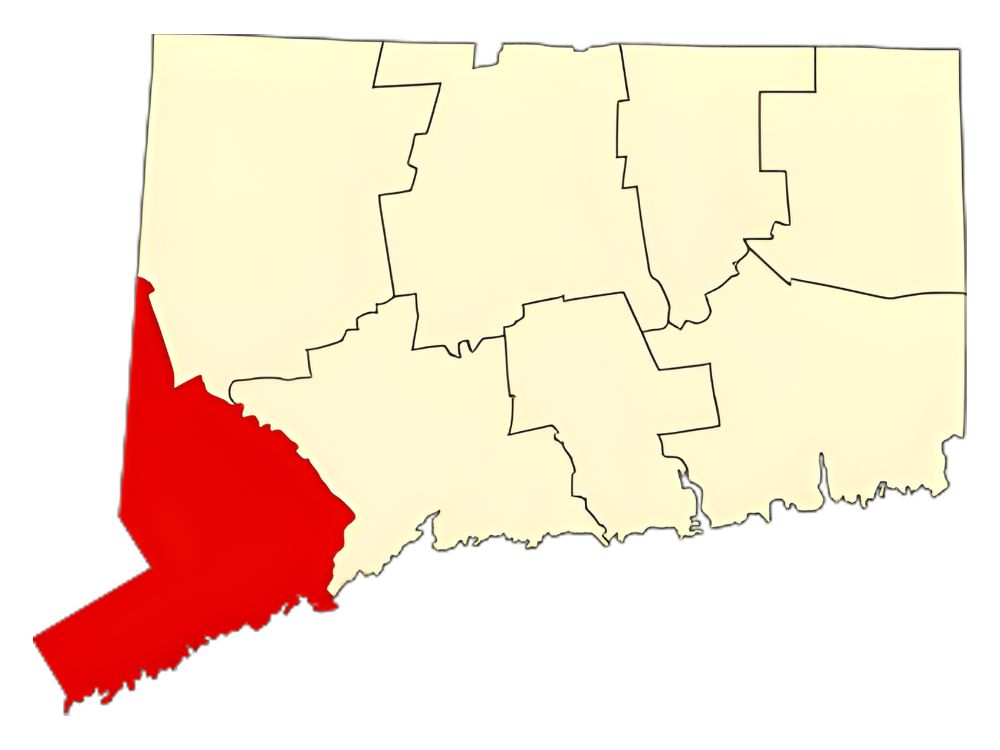
Serving Westchester County with Custom-Built ADUs
Whether you're in Larchmont, Eastchester, Mamaroneck, Bronxville, Rye, or anywhere across Westchester County, our team brings expertise in local zoning, permitting, and building regulations to deliver a seamless ADU construction experience.
Email [email protected]
Phone 860-TINY-HOM (es)
Why Build a ADU in Westchester County?
Westchester County offers a perfect mix of suburban charm and urban accessibility, making it an ideal location for ADUs. Here's why an ADU in Westchester County is a smart investment:
Additional Income: Westchester County has a high demand for rental units. Building an ADU can provide a steady income stream while maximizing the use of your property.
Guest Accommodations: With its proximity to New York City, Westchester is a prime location for hosting out-of-town guests. A ADU provides a private, comfortable stay for friends and family.
Personal Studios or Home Offices: ADUs in Westchester are perfect for those looking to add a separate office, studio, or gym space on their property.
Multigenerational Living: ADUs in Westchester are perfect for those looking to add a separate office, studio, or gym space on their property.
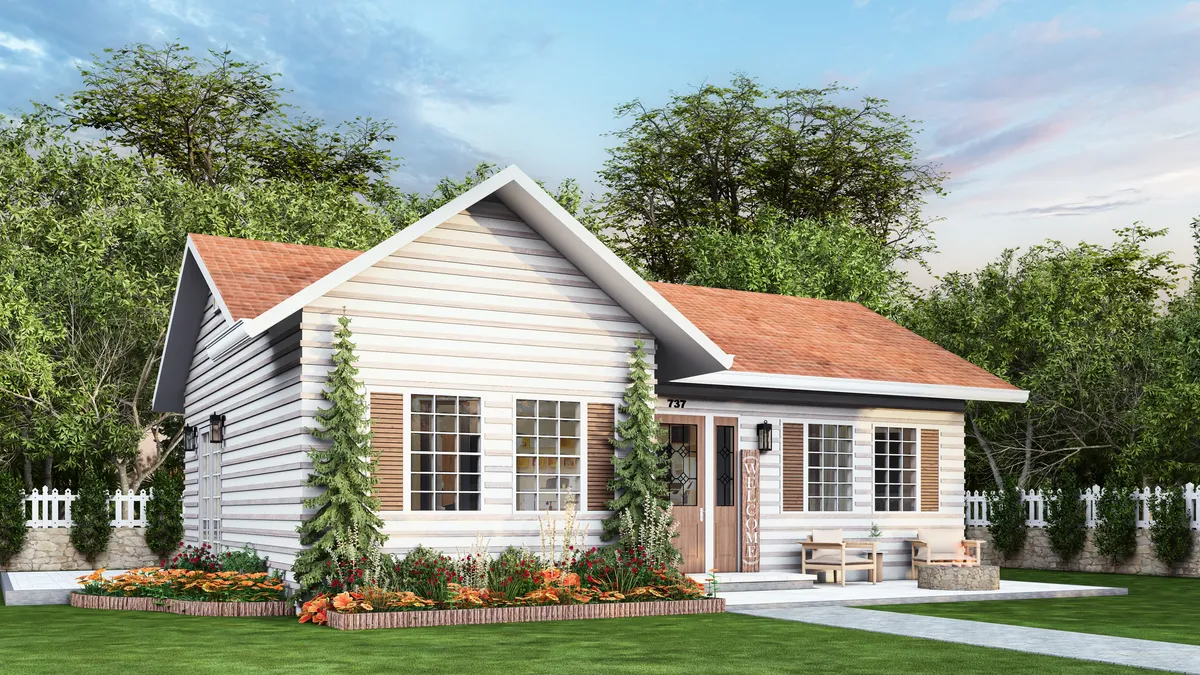

Why Westchester County is Perfect for ADUs
Westchester County combines suburban charm with modern housing trends, making it an ideal location for Accessory Dwelling Units (ADUs). Here’s why building an ADU in Westchester is a smart choice for homeowners:
A Growing Demand for Flexible Housing: With increasing interest in multigenerational living, rental opportunities, and work-from-home solutions, ADUs provide the flexibility Westchester homeowners need.
Enhancing Property Functionality: Adding an ADU transforms your property into a multifunctional space, whether for generating income, hosting guests, or accommodating family members.
A Balance of Privacy and Connectivity: Westchester’s neighborhoods offer spacious properties with the convenience of nearby urban amenities, making it the perfect location for ADUs that offer independence without isolation.
Support for Sustainable Living:
Many Westchester homeowners are embracing smaller, energy-efficient spaces like ADUs to reduce their environmental footprint while maximizing land use.
Westchester County is Perfect for ADUs
Westchester County combines suburban charm with modern housing trends, making it an ideal location for Accessory Dwelling Units (ADUs). Here’s why building an ADU in Westchester is a smart choice for homeowners:
Privacy and Connectivity
Westchester’s neighborhoods offer spacious properties with the convenience of nearby urban amenities, making it the perfect location for ADUs that offer independence without isolation.
Flexible Living Solutions
With increasing interest in multigenerational living, rental opportunities, and work-from-home solutions, ADUs provide the flexibility Westchester homeowners need while also transforming your home into a multifunctional space.
Sustainable & Cost-Effective
Many Westchester homeowners are embracing smaller, energy-efficient spaces like ADUs to reduce their environmental footprint while maximizing land use.
Some of the Most Friendly ADU Towns in Westchester County, NY
In Westchester County, many towns are beginning to embrace Accessory Dwelling Units (ADUs) to address housing needs, expand affordability, and provide flexible living solutions. While New York State has encouraged municipalities to adopt more flexible zoning policies, the specific regulations for ADUs can vary significantly between towns. Here are a few Westchester County towns known for their openness to ADU development construction:
Larchmont - Larchmont offers a charming suburban environment with strong support for ADUs as guest accommodations or rental units. Its zoning policies accommodate accessory dwellings, making it a great option for expanding your property’s potential.
Eastchester - Eastchester is increasingly supportive of ADU construction to address housing needs and rental demand. Homeowners benefit from reasonable zoning regulations and a strong community interest in innovative housing solutions.
Mamaroneck - Known for its coastal beauty and vibrant neighborhoods, Mamaroneck encourages ADUs for multigenerational living and rental opportunities. The town’s updated zoning laws make building an ADU a smoother process.
Ossining - Ossining is known for its community-centric approach to housing. The town has been supportive of ADU construction as a solution for multigenerational families and rental income opportunities. Its zoning laws are less restrictive, with more lenient requirements around lot size and parking.
Tarrytown - Tarrytown offers a supportive environment for ADUs, particularly for homeowners looking to add rental units or guest accommodations. The town’s zoning regulations have been updated to encourage sustainable housing practices, including the addition of ADUs.
Peekskill - With its revitalized downtown and focus on affordable housing, Peekskill has embraced ADUs as part of its urban development strategy. The town allows ADUs in many residential areas and has simplified its permitting process to encourage more construction of accessory units.
Rye - As a coastal community with a high demand for guest accommodations and rental units, Rye has adopted flexible policies for ADU development. Homeowners in Rye can take advantage of reduced parking requirements and less restrictive zoning laws for building ADUs.
Bronxville - Bronxville’s affluent community values ADUs for their versatility, particularly as private guest houses or rental units. The town has begun relaxing zoning requirements, making ADU construction more accessible.
New Rochelle - With its blend of suburban and urban characteristics, New Rochelle has embraced ADUs as a way to meet housing demand and provide additional rental opportunities. The city offers relatively straightforward permitting processes and allows ADUs in various residential zones, making it a favorable location for ADUs.
Key Points to Consider:
While these towns have more favorable regulations, it's always important to verify the current local zoning codes, as Connecticut towns frequently update regulations to meet evolving housing policies.
Checking for:
Permitted Zones: Ensure the property is within a zone allowing ADUs.
Owner-Occupancy Requirements: Some towns may require that either the main residence or the ADU is owner-occupied.
Size and Height Limits: Most towns limit the size and height of ADUs relative to the primary residence or the property’s total lot size.
Parking Requirements: Many municipalities have reduced or waived parking requirements for ADUs, but some still impose them, especially in denser areas.
Working closely with town officials or zoning departments will be the best way to confirm current rules and gain insights into any upcoming changes.
Building Your ADU Has Never Been Easier
Contemporary Tiny Homes takes the stress out of building your dream Accessory Dwelling Unit (ADUs) by managing every detail, from concept to completion. Whether you’re looking to create a cozy getaway or a stylish backyard ADU, we handle everything so you can enjoy the excitement of your new space without the hassle.

Project Phases
We'll work closely with you along the way, from design to delivery
At Contemporary Tiny Homes, we're here to guide you through the step-by-step process, from managing your location's zoning requirements, informing you on
financing options, determining the perfect design for you and ultimately building your own high-quality ADU quickly and within a reasonable budget.
01
Feasibility & Design
Our first step is to assess the feasibility of an ADU project on your lot, including zoning laws, soil condition, topography, and access to utilities. With the green light from the site feasibility study, we'll bring your vision to life through design and planning. We have various ADU designs for you to choose from, and you can engage with our architectural team so that your ADU is just the way you want it, while complying with local building codes and regulations.
02
Permit Application
Before construction can begin, we'll obtain the necessary building permits from your municipal authorities. This process involves submitting your plans and ensuring they comply with all local building codes and regulations. Permitting can be complex and time-consuming, but we'll manage every aspect of this critical step for you.
03
Construction
With permits in hand, we can commence the construction of your ADU. This phase is where the plans for your new home transition from paper to reality, from the laying of the foundation and framing to the installation of electrical, plumbing, and finishing touches. We’ll communicate often and transparently throughout the construction to keep you informed and to address any inputs, requests, or questions you may have.
04
Final Walkthrough
The last step of the ADU-building journey is the delivery of your new home. We'll invite you for a walkthrough to ensure everything has been completed to your satisfaction and according to the agreed-upon specifications. Once we make any final adjustments, we'll hand in your keys to your new home, marking the completion of the construction process.
Get Started with Your Westchester County ADU Project
Ready to add a custom ADU to your Westchester County property?
Schedule a free consultation to discuss your vision.
Email [email protected]
Phone 860-846-4100

Copyright 2026. All rights reserved. Norwalk, CT
Connecticut's New Home Construction Contractor License: #NHC.0017654
EPA Lead-Safe Certified NAT-F269966-1