



















Knowledge Center: Your Go-To Resource for ADUs and Tiny Living
Knowledge Center: Your Go-To Resource for ADUs and Tiny Living
Email [email protected]
Phone 860-TINY-HOM (es)

How can I address neighbors concerns about having a tiny home?
Living in a tiny home offers a simpler, more sustainable lifestyle that appeals to many people looking to reduce their footprint and embrace minimalism. However, introducing a tiny home into a traditional neighborhood can raise understandable questions from neighbors who may be unfamiliar with this type of housing.
This guide explores practical and effective ways to address neighbors’ concerns—from understanding their perspective and navigating zoning rules to fostering community support. With empathy, clear communication, and collaboration, you can create a harmonious environment where your tiny home fits seamlessly into the neighborhood.
Understanding Your Neighbors’ Concerns
Common Worries
Before engaging with neighbors, take time to understand what might concern them:
Property values
Aesthetics and curb appeal
Noise or privacy
Parking and traffic flow
Compliance with local regulations
Empathy First
Try to see the situation from their point of view. Acknowledging their feelings—even if you disagree—can go a long way in building trust.
Communicating Effectively with Neighbors
Open, Honest Dialogue
Be approachable and transparent. Share your plans early so neighbors don’t feel surprised or left out of the process.
Community Conversations
If appropriate, host a small meeting or informal chat. This gives neighbors a chance to ask questions and helps you address concerns directly and respectfully.
Navigating Zoning & Legal Requirements
Do Your Research
Understanding local zoning laws, size limits, placement rules, and utility requirements will allow you to confidently discuss your project.
Consult Experts When Needed
If you’re unsure about regulations, speaking with a local planner, builder, or attorney can give you clarity and ensure you’re operating within the law.

Designing Your Tiny Home to Blend In
Architectural Considerations
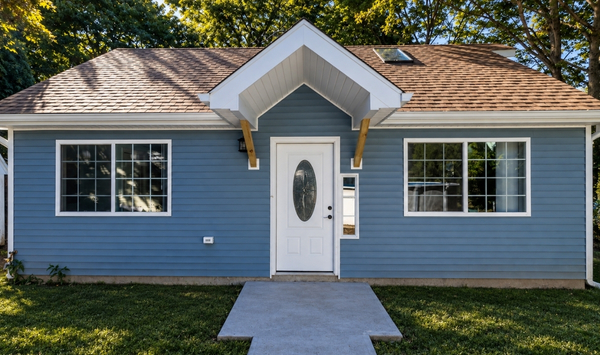
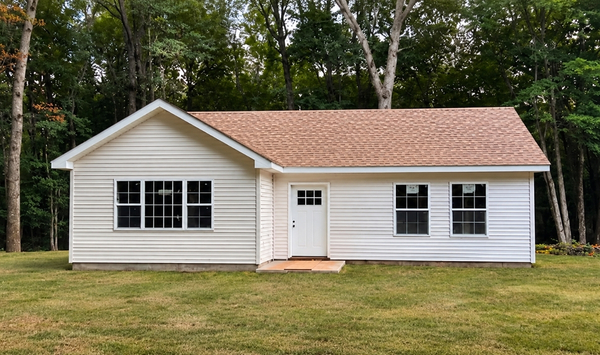
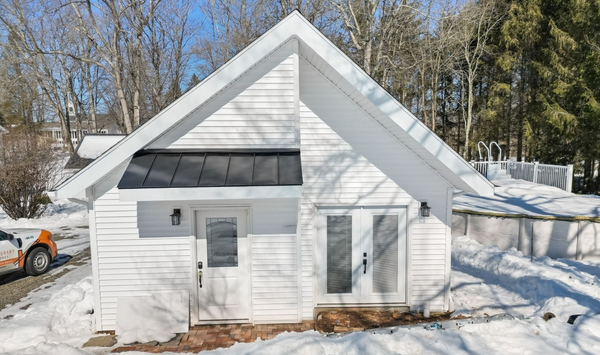
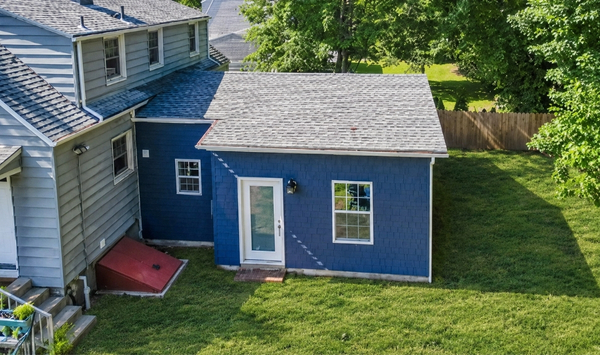
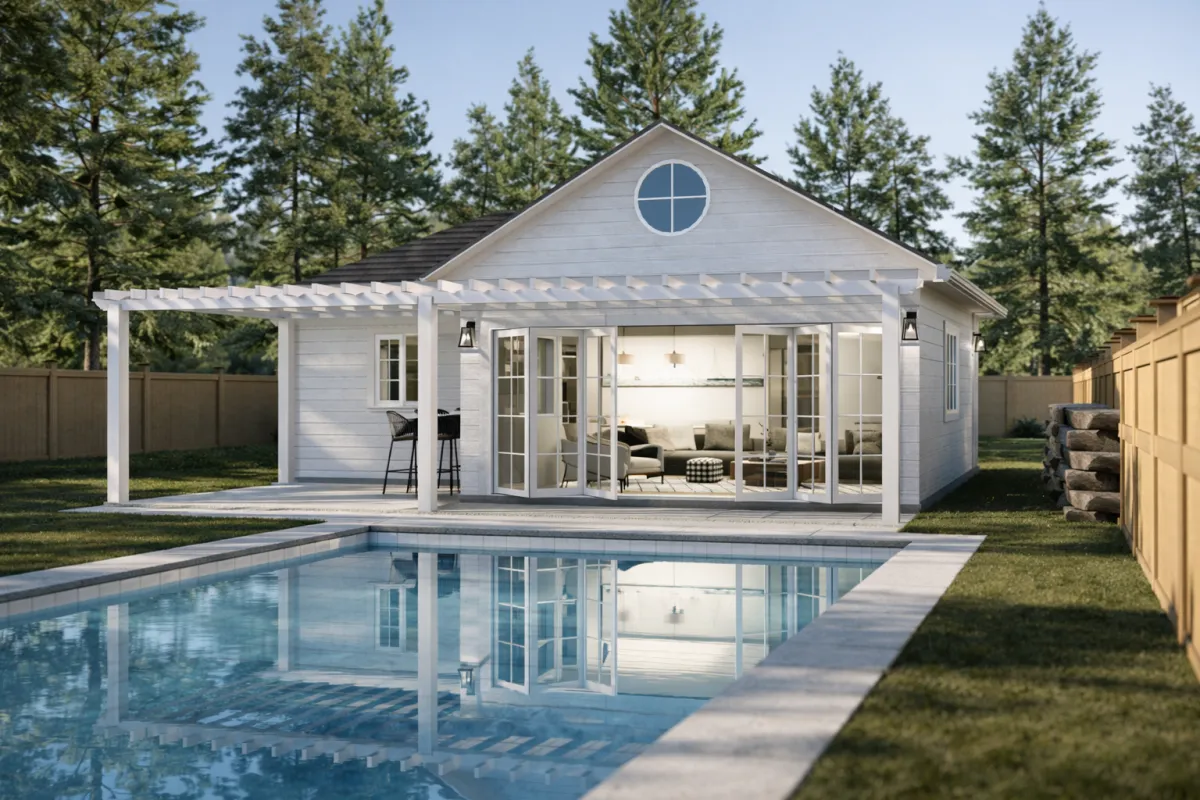
Thoughtful design helps your tiny home complement the neighborhood. Consider:
Rooflines similar to nearby homes
Neutral color palettes
Quality exterior materials
Compatible architectural styles
Landscape Integration
Landscaping can soften visual impact. Use shrubs, fencing, trees, and garden beds to create cohesion and privacy.
Involving Neighbors in the Process
Invite Input
Asking neighbors for feedback—especially about design, placement, or landscaping—helps them feel included and respected.
Collaborative Solutions
You don’t need to give up control, but small gestures (e.g., modifying window placement to protect privacy) can build goodwill.
Highlighting the Benefits of Tiny Home Living
Economic & Environmental Advantages
Share how tiny homes promote:
Reduced energy use
Lower carbon footprint
Efficient land use
Less strain on community resources
Encouraging Sustainable Lifestyles
When neighbors understand that your home contributes positively to the environment, they’re more likely to support the project.
Offering Practical Solutions to Common Concerns
Noise & Privacy
Consider:
Soundproofing materials
Strategic window placement
Landscaping for natural barriers
Parking & Traffic
Be proactive by planning for:
Designated on-site parking
Limiting guest parking
Carpooling or reduced vehicle usage
Building Long-Term Community Support
Be an Active Neighbor
Participate in neighborhood events or initiatives. Showing you're invested in the community builds trust and acceptance.
Showcase Positive Impact
Whether it’s your eco-friendly lifestyle, a well-maintained yard, or a beautiful design, demonstrate how your home enhances—not detracts from—the neighborhood.
Conclusion
Addressing neighbors’ concerns is essential to ensuring a smooth transition into tiny home living. By leading with empathy, communicating openly, involving neighbors in the process, and demonstrating the benefits of tiny homes, you can foster a supportive and understanding community.
Tiny homes may be small, but their impact—when approached thoughtfully—can be overwhelmingly positive. With patience and collaboration, your tiny home can become a welcome addition to the neighborhood.
FAQ
Will a tiny home affect my neighbors' property values?
Generally, well-built and well-maintained tiny homes have minimal to no negative impact on property values. Transparency and open communication can ease these concerns.
How do I ensure my tiny home meets zoning requirements?
Research your local zoning rules, connect with town officials, and consult professionals if needed. Understanding the legal framework helps you avoid conflicts.
How can I reduce the visual impact of my tiny home?
Use architectural designs that complement the neighborhood, invest in landscaping, and choose exterior finishes that blend naturally with surrounding homes.


Copyright 2026. All rights reserved. Norwalk, CT
Connecticut's New Home Construction Contractor License: #NHC.0017654
EPA Lead-Safe Certified NAT-F269966-1