

















Knowledge Center: Your Go-To Resource for ADUs and Tiny Living
Knowledge Center: Your Go-To Resource for ADUs and Tiny Living
Email [email protected]
Phone 860-TINY-HOM (es)
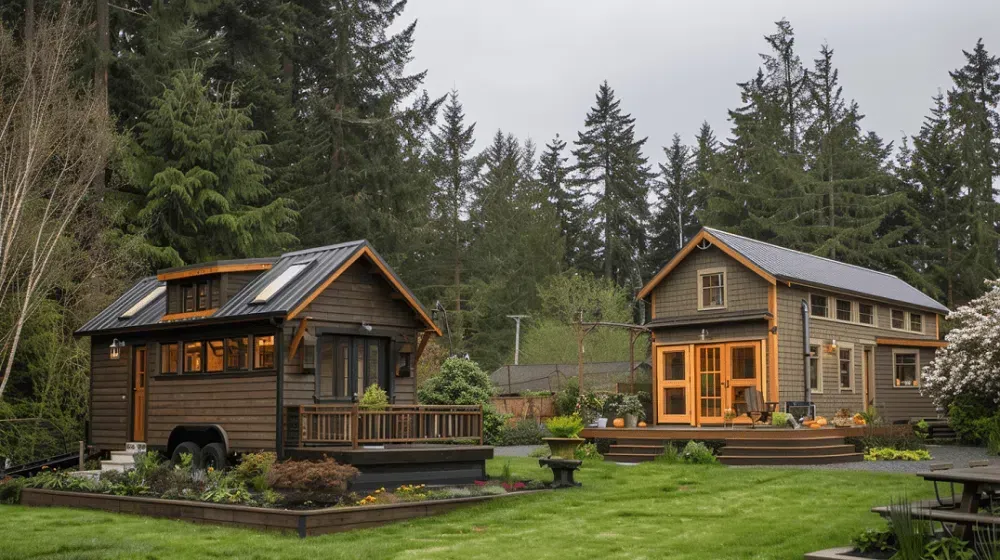
Can I build multiple ADUs on a single property?
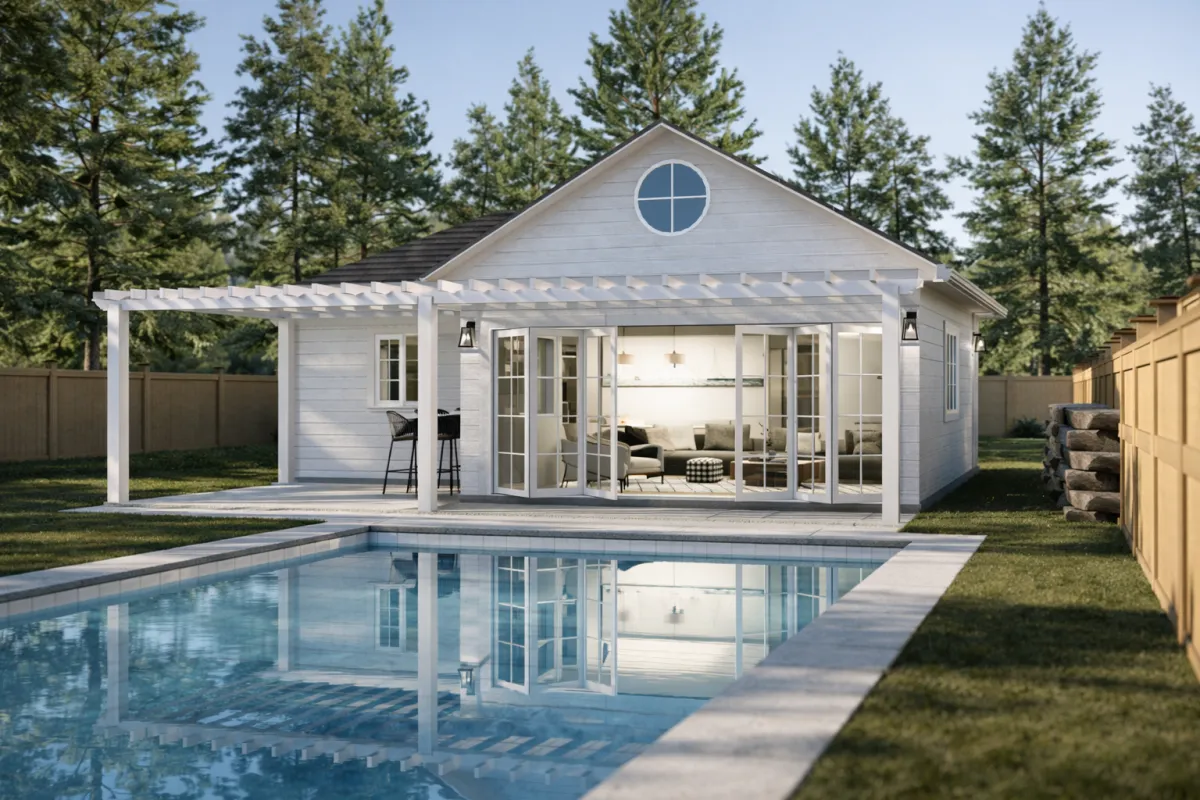
An Accessory Dwelling Unit (ADU) is a secondary housing unit located on the same lot as a primary residence. It can be attached or detached and serves as a flexible space for rental income, multigenerational living, a home office, or even a guest suite. As housing affordability continues to be a challenge across many regions, ADUs have become an increasingly popular way to expand housing options without expanding a neighborhood’s footprint.
This guide explores whether you can build multiple ADUs on a single property—and what you should know about regulations, benefits, challenges, and financial considerations before getting started.
Regulations and Zoning Laws for Multiple ADUs
Zoning Requirements for ADUs
Before jumping into construction plans, the first step is understanding your local zoning laws. These rules determine how many ADUs you’re allowed, where they can be placed, and what size and design restrictions may apply. Requirements vary widely from one community to another, so always check with your local planning department or zoning office.
Permitting Process for Multiple ADUs
Obtaining permits for multiple ADUs involves careful paperwork, fees, and approvals. Each unit must comply with building codes, safety rules, and local ordinances. While the process may feel tedious, it ensures your project meets all legal requirements and avoids costly issues down the road.

Benefits of Building Multiple ADUs on One Property
Increased Rental Income
Multiple ADUs can significantly boost your property’s earning potential. Whether you rent out one or several units, the additional income can help offset mortgage costs, fund future investments, or simply provide long-term financial stability.
Flexible Living Arrangements
ADUs offer unmatched flexibility for families. Multiple units can accommodate aging parents, returning college students, or guests—while allowing everyone their own private living space. They also serve as adaptable studios, home offices, or wellness retreats.
Challenges and Considerations
Space Limitations and Design Constraints
Fitting multiple ADUs on a single lot requires creative planning. You’ll need to consider building setbacks, required yard space, utility connections, and overall layout. Working with an experienced designer or builder can help maximize your usable space without sacrificing comfort or aesthetics.
Neighborhood Aesthetics and Community Impact
Adding multiple structures to a property can affect how your property blends with the surrounding neighborhood. Some communities may have concerns about density, parking, or visual appearance. Thoughtful design and good communication with neighbors can help promote positive relationships and smooth approvals.
Tips for a Successful Multi-ADU Project
Partner With Experienced ADU Professionals
Working with a full-service ADU builder—such as Contemporary Tiny Homes—can streamline your entire project. From feasibility assessments and architectural plans to permitting and construction, a professional team ensures accuracy, efficiency, and a smooth build from start to finish.
Engage With Your Community
Building multiple ADUs is more successful when you keep your neighbors and community informed. Simple steps like explaining your plans, sharing your timeline, and ensuring the design enhances the neighborhood can prevent misunderstandings and foster support.
Conclusion: The Future of Multi-ADU Development
Building multiple ADUs on a single property offers exciting opportunities to increase housing supply, improve affordability, and support diverse living arrangements. While zoning regulations and design constraints can be complex, the potential benefits—both financial and personal—are substantial.
As ADU-friendly policies continue to expand nationwide, property owners have the chance to play a meaningful role in shaping the future of housing. With the right guidance, thoughtful planning, and innovative design, multi-ADU developments can transform a property into a versatile and valuable asset.
FAQ
Can I build multiple ADUs on my property?
Possibly—depending on your local zoning laws. Some jurisdictions allow more than one ADU, while others limit the number or type. Always verify local regulations before planning multiple units.
What are the benefits of having multiple ADUs?
Multiple ADUs can create additional rental income, provide flexible housing for family members, increase property value, and offer customizable living spaces for various needs.
What challenges should I expect?
Common challenges include limited yard space, design restrictions, neighbor concerns, and navigating an often complex permitting process. Proper planning and professional guidance can help overcome these hurdles.
How can I finance the construction of multiple ADUs?
Financing options may include home equity loans, construction loans, traditional mortgages, renovation loans, or specialized ADU financing programs. The right option depends on your financial situation and project size.


Copyright 2026. All rights reserved. Norwalk, CT
Connecticut's New Home Construction Contractor License: #NHC.0017654
EPA Lead-Safe Certified NAT-F269966-1