



















Knowledge Center: Your Go-To Resource for ADUs and Tiny Living
Knowledge Center: Your Go-To Resource for ADUs and Tiny Living
Email [email protected]
Phone 860-TINY-HOM (es)

A Valentine’s Gift That Lasts: Building an ADU for the People You Love in Connecticut
Valentine’s Day usually comes with flowers, dinner plans, and a card.
But if your love looks like helping a parent age safely, giving an adult child a solid start, or keeping family close without turning your home into a pressure cooker, the most meaningful gift can be something practical.
A private space of their own, right on your property.
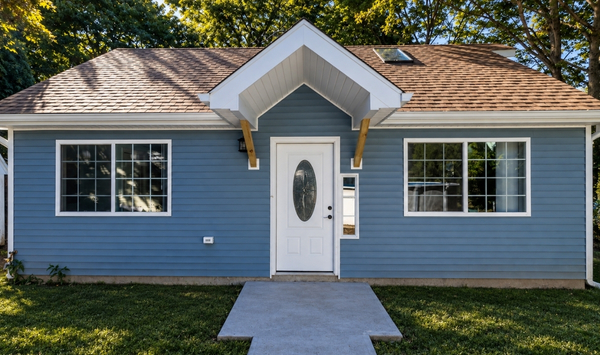
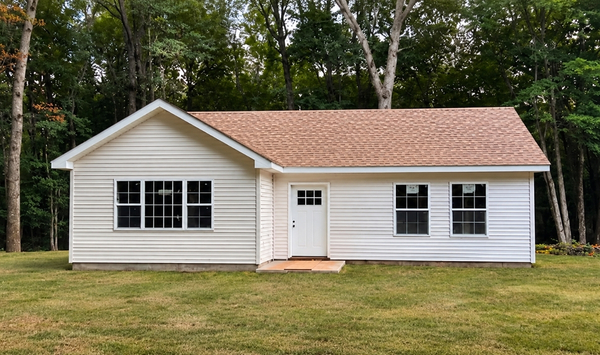
In Connecticut, that often means an Accessory Dwelling Unit (ADU), also commonly called an in law suite, accessory apartment, granny unit, or backyard cottage.
This guide explains why an ADU can protect relationships and support your family long-term, plus the Connecticut rules that shape what is possible.
Quick takeaways for Connecticut homeowners
Connecticut law requires at least one accessory apartment to be allowed as of right on lots with a single-family home (with statewide baseline standards).
Statewide baseline standards include: detached or attached ADUs allowed, a size framework (commonly tied to 30% of the main home or 1,000 sq ft, whichever is less, with towns allowed to permit larger), and limits like no more than one required parking space.
ADUs are widely used for multigenerational living and aging in place, giving loved ones independence while keeping support nearby.
ADUs may increase long-term property and resale value, but results vary by market and execution.
What “extra space” really means when it is for someone you love
When families share one roof, the hard part is rarely love.
It is friction.
Different schedules. Different noise levels. Different privacy needs. Health and mobility changes. The emotional weight of someone feeling like a burden.
A well-designed ADU creates closeness without crowding. It can let you show up for someone without hovering, and let them keep dignity, routines, and a sense of home.
AARP describes ADUs as a practical tool for aging in place because they can offer a smaller, more accessible home on the same property, or a place for a caregiver or relative who needs support.
ADU basics, in plain language
An ADU is a smaller, independent home on the same lot as your main house. It typically includes a place to sleep, a bathroom, and cooking facilities.
Common Connecticut-friendly ways homeowners add an ADU include:
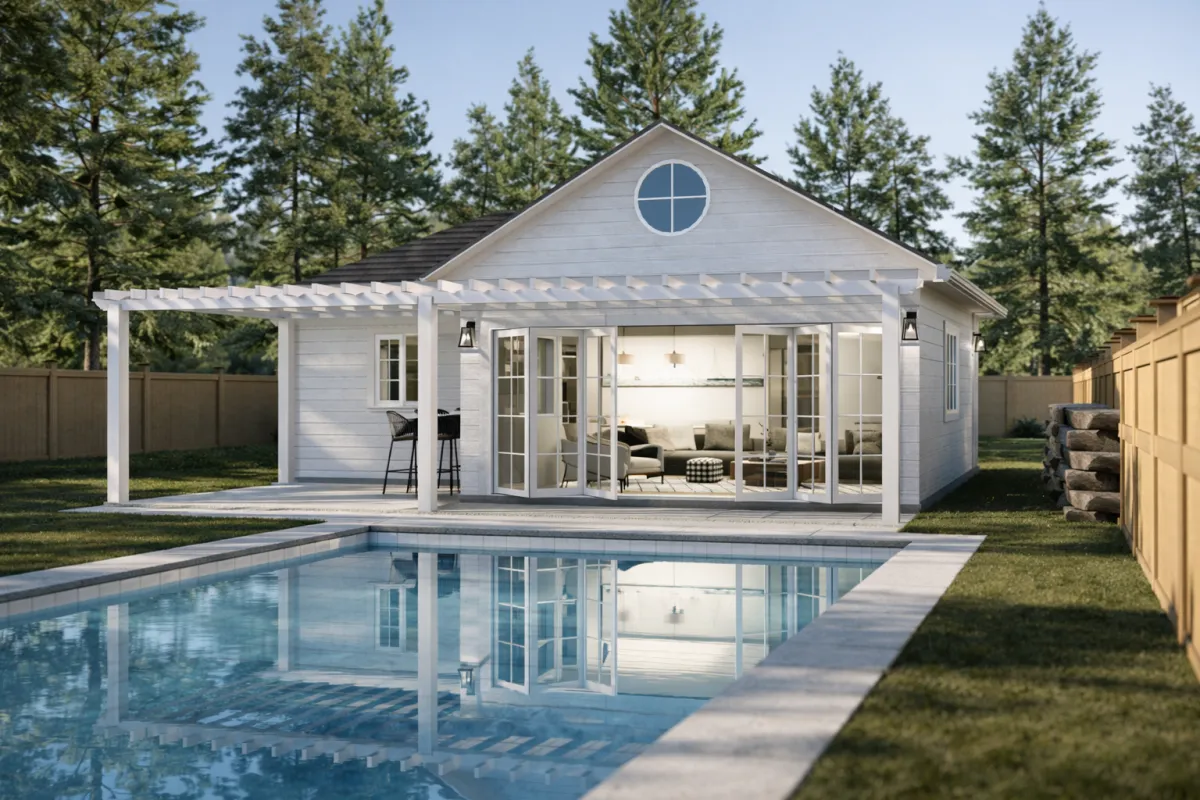
Backyard ADU: a detached cottage
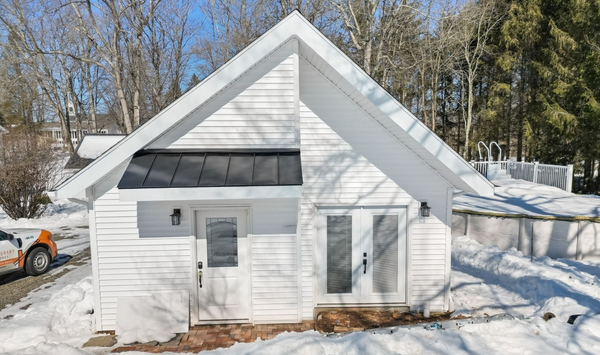
Garage conversion ADU: an apartment above or within a garage
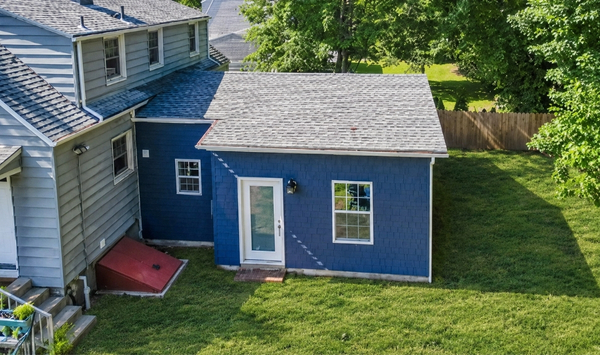
Internal ADU: a basement or addition configured as a separate accessory apartment
Freddie Mac notes ADUs are often used to provide independent living space for relatives and to support multigenerational households.
Why an in law suite ADU is one of the most “family first” moves you can make
Privacy protects relationships
An ADU gives your loved one their own front door and daily rhythm. That independence can reduce tension and keep the relationship feeling like family, not roommates.
Close enough for real support
If you are helping a parent with meals, rides, or check-ins, proximity matters. With an ADU, support becomes easier and more consistent.
Flexible long-term value
Many families build an ADU for a loved one now, then later use the same space as:
a guest house for visiting family
a home office or studio
a future downsizing plan
a rental, where allowed by local rules
Design choices that feel like care, not just square footage
If the ADU is for a parent or anyone with mobility concerns, design matters more than trendy finishes.
Consider:
Single-level layout when possible
Zero-step entry or a graded walkway
Wider doorways and clear pathways
A safer bathroom plan (walk-in shower options, smart lighting)
Bright, simple lighting and easy-to-reach controls
This aligns with why ADUs show up so often in aging-in-place guidance.
Connecticut rules to know before you fall in love with a floor plan
Connecticut General Statutes Section 8-2o sets statewide requirements for accessory apartments in municipalities that zone under Section 8-2.
Key points homeowners should know:
Town zoning must allow at least one accessory apartment as of right on each lot with a single-family dwelling.
ADUs can be attached, within the home, or detached on the same lot.
Town rules cannot require more than one parking space for an ADU.
Towns cannot require things like a family relationship between occupants, a minimum age, or a passageway connecting the ADU to the main home.
The law describes an as-of-right review timeline where a decision must be rendered within 65 days after an application is received (with limited extensions if the applicant agrees).
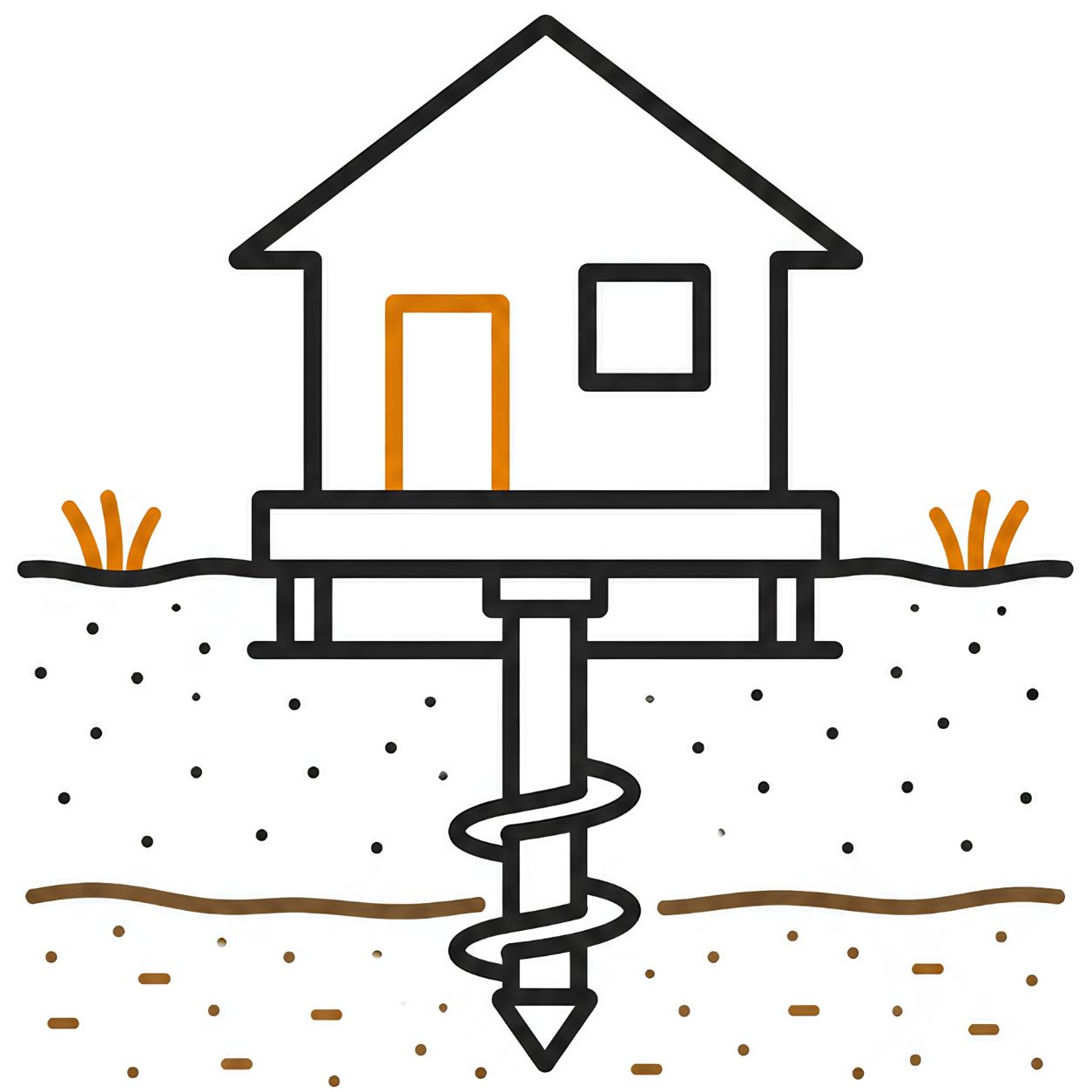
The statute also notes towns may regulate short-term rentals, and septic or well constraints can still matter.
Important: this is not legal advice. Your town’s setbacks, lot coverage, wetlands, and utility realities still control what is feasible on your specific property.
A simple planning checklist for a family ADU in Connecticut
Clarify the goal
Who is it for today, and what should it become later?
Confirm zoning and siting feasibility
Where can it go on the lot, based on setbacks and constraints?
Check utilities early
Septic, well, sewer tie-in, and electrical service can shape cost and design.
Design for real life
Privacy, noise buffering, and accessibility choices matter more than most people expect.
Plan permitting with realism
Even as-of-right projects still require permits and code compliance, and timing varies by town.
FAQ
Is an ADU the same as a tiny house?
People use “tiny house” casually, but an ADU is a legally permitted accessory apartment on the same lot as a primary home, built and approved under zoning and building codes.
Can my loved one live in an ADU full time?
Often yes, if it is permitted and built to code. Confirm local rules and any restrictions your town applies.
Does Connecticut require towns to allow ADUs?
Connecticut law requires zoning regulations to allow at least one accessory apartment as of right on lots with a single-family dwelling, with statewide baseline standards.
Will an ADU increase property value?
It may, but it depends. Freddie Mac notes ADUs may have the potential to increase long-term property and resale value, but outcomes vary by market and the quality of the build.


Copyright 2026. All rights reserved. Norwalk, CT
Connecticut's New Home Construction Contractor License: #NHC.0017654
EPA Lead-Safe Certified NAT-F269966-1