





















Knowledge Center: Your Go-To Resource for ADUs and Tiny Living
Knowledge Center: Your Go-To Resource for ADUs and Tiny Living
Email [email protected]
Phone 860-TINY-HOM (es)

How can ADUs help reduce homelessness?
The use of Accessory Dwelling Units (ADUs) as a potential solution to homelessness has gained increasing attention in recent years. ADUs—also known as granny flats, in-law units, or secondary units—are self-contained housing units located on the same property as a primary residence. As homelessness remains a persistent and growing societal challenge, exploring innovative housing solutions such as ADUs has become an essential part of the conversation around affordability and housing stability.
This article examines the benefits, challenges, and policy considerations surrounding the use of ADUs to help reduce homelessness, as well as the future potential of this evolving housing strategy.
Introduction to ADUs and Homelessness
Defining ADUs and Homelessness
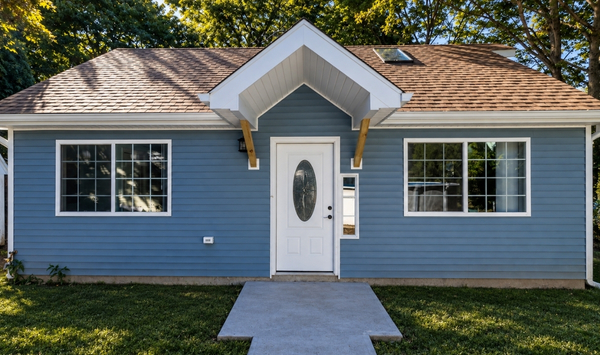
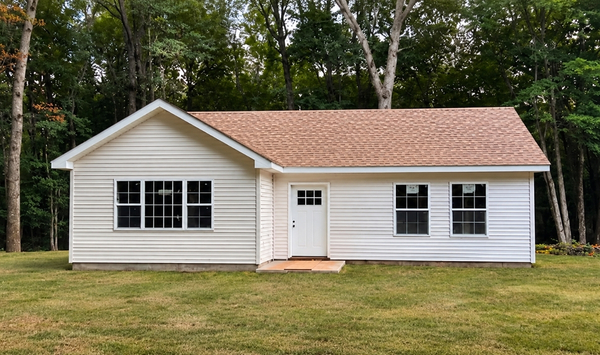
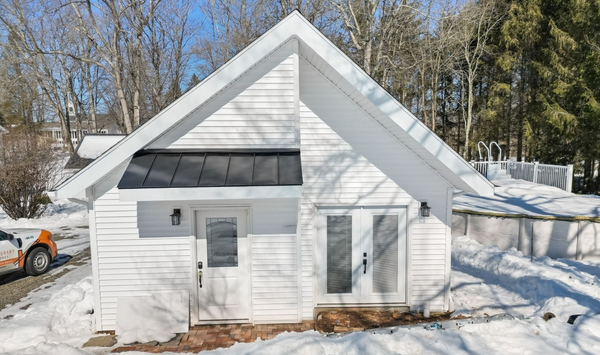
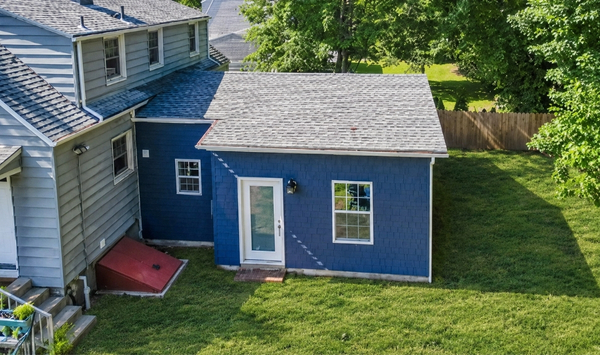
Accessory Dwelling Units (ADUs) are smaller, independent housing units that exist alongside a primary home on a single residential lot. They may be detached, attached, or converted from existing spaces such as garages or basements.
Homelessness, meanwhile, refers to the lack of stable, safe, and adequate housing. In the United States alone, more than 600,000 individuals experience homelessness on any given night. This figure underscores the severity of the ongoing housing crisis, driven by rising housing costs, limited affordable supply, and wages that have not kept pace with inflation. As the demand for affordable housing continues to exceed supply, many individuals and families are pushed into housing instability or homelessness.
The Intersection of ADUs and Homelessness
By creating additional housing within existing neighborhoods, ADUs offer a practical way to expand housing supply without large-scale new developments. Their flexibility and relatively lower cost make them a compelling option in addressing certain segments of the homeless population and those at risk of housing insecurity.
Benefits of ADUs in Addressing Homelessness
Increased Housing Stock
ADUs add housing units within established residential areas, helping to ease the shortage of available homes. This incremental increase in housing stock can have a meaningful impact, particularly in high-demand regions where land availability is limited.
Affordability and Accessibility
Compared to traditional housing, ADUs are generally more affordable to build and maintain. As a result, they can be offered at lower rental rates, making them accessible to individuals with limited incomes. For people transitioning out of homelessness, ADUs can provide a stable and dignified housing option.
Supporting Diverse Housing Needs
ADUs are highly adaptable and can serve a range of purposes—from short-term transitional housing to long-term residences. This versatility allows communities to tailor ADU programs to meet the needs of seniors, individuals with disabilities, formerly unhoused residents, and others facing housing instability.

Policy and Regulatory Considerations for ADUs
Zoning and Land Use Regulations
Restrictive zoning and land use regulations remain one of the primary barriers to ADU development. Streamlining approval processes and expanding zoning allowances can significantly increase ADU adoption and help communities leverage them as part of broader homelessness reduction strategies.
Incentives and Funding Opportunities
Government incentives such as grants, tax credits, low-interest loans, and fee waivers can encourage homeowners and developers to build ADUs intended for affordable or supportive housing. Targeted funding can make ADU projects financially feasible while aligning them with social goals.
Building Codes and Permitting Processes
Complex and time-consuming permitting processes can discourage ADU construction. Simplifying building codes and accelerating permit approvals can reduce development costs and timelines, making ADUs a more viable housing solution.
Community Support and Engagement for ADU Initiatives
Building Awareness and Education
Public education is critical to increasing acceptance of ADUs. Informing communities about their benefits—such as increased housing options, neighborhood stability, and support for vulnerable populations—can help counter misconceptions.
Engaging Stakeholders and Residents
Successful ADU initiatives require collaboration among homeowners, local governments, housing advocates, and service providers. Inclusive planning processes help ensure that ADUs are implemented thoughtfully and equitably.
Social and Cultural Considerations
Understanding local community values and cultural dynamics is essential. ADU programs that respect neighborhood character and prioritize thoughtful design are more likely to gain long-term community support.
Challenges and Limitations of Using ADUs to Combat Homelessness
Economic Constraints and Cost Factors
While ADUs are more affordable than many housing options, construction costs can still be prohibitive for some homeowners. Financing gaps and rising material costs remain significant challenges.
Regulatory Barriers and Community Opposition
Zoning restrictions and “Not In My Backyard” (NIMBY) attitudes can limit where and how ADUs are built. Addressing these barriers requires clear policy leadership and community engagement.
Sustainability and Long-Term Impact
To be effective, ADU initiatives must be part of a broader, coordinated housing strategy. Long-term success depends on monitoring outcomes, ensuring affordability, and integrating supportive services when needed.

Future Outlook and Expansion of ADU Strategies
Scaling Up ADU Programs
Expanding ADU programs at the city and state levels could significantly increase affordable housing supply. Strategic scaling, paired with clear guidelines and incentives, can amplify their impact.
Innovations in Design and Construction
Advancements in modular construction, energy-efficient materials, and space-saving designs continue to improve the feasibility and sustainability of ADUs. These innovations can reduce costs while enhancing livability.
Collaboration with Housing and Social Service Providers
Partnerships with nonprofit housing organizations and social service agencies can strengthen ADU programs by connecting residents with resources that support long-term housing stability.
Conclusion: The Role of ADUs in the Fight Against Homelessness
Accessory Dwelling Units have the potential to play a meaningful role in addressing homelessness by expanding affordable housing options and promoting community-based solutions. Although challenges such as regulatory barriers, funding limitations, and community resistance remain, ADUs offer a flexible and scalable approach to housing insecurity.
As cities and communities continue to seek innovative responses to the housing crisis, integrating ADUs into housing policies and homelessness prevention programs presents a promising pathway toward more inclusive, resilient, and sustainable communities.
FAQ
How do ADUs help reduce homelessness?
ADUs increase housing supply within existing neighborhoods and offer more affordable housing options. They can serve as transitional or permanent housing for individuals experiencing or at risk of homelessness.
What are common challenges in using ADUs to address homelessness?
Key challenges include zoning restrictions, high construction costs, limited funding, and community opposition. Streamlined regulations and targeted incentives can help address these barriers.
How can individuals support ADU initiatives in their communities?
Individuals can advocate for ADU-friendly policies, participate in local planning discussions, and support community education efforts. Engaging with local officials and housing organizations can help advance ADUs as part of homelessness solutions.


Copyright 2026. All rights reserved. Norwalk, CT
Connecticut's New Home Construction Contractor License: #NHC.0017654
EPA Lead-Safe Certified NAT-F269966-1