












Knowledge Center: Your Go-To Resource for ADUs and Tiny Living
Knowledge Center: Your Go-To Resource for ADUs and Tiny Living
Email [email protected]
Phone 860-TINY-HOM (es)
How Do You Choose the Best Custom ADU Builder in Connecticut?
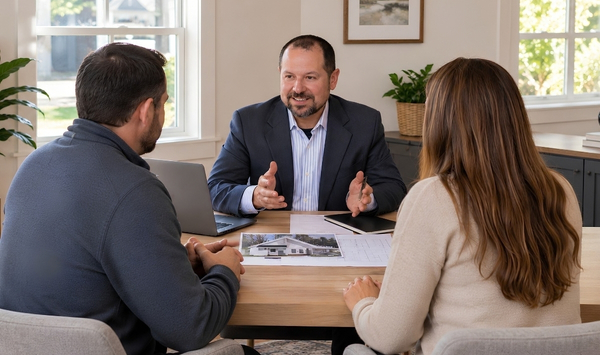
Choosing a custom ADU builder in Connecticut can feel like a bigger decision than choosing the ADU itself.
You are not simply hiring someone to build a small home. Your builder may need to help you understand what is possible on your property, how the ADU should be designed, what the project may cost, how utilities will work, what permits are required, and what happens from the first consultation through construction.
That is where many homeowners get stuck.
A floor plan may look perfect online, but will it fit on the property? A starting price may look affordable, but does that include everything? A builder may show attractive finished projects, but who handles design, permits, site work, utilities, and unexpected property conditions?
These are important questions to answer before signing a contract.
Contemporary Tiny Homes' buyer research shows that prospective ADU buyers tend to start with risk rather than design inspiration. Their biggest questions are whether they can legally build on their property, what the real total cost will be, and whether the ADU will solve the family or income need behind the project.
This guide explains how to compare custom ADU builders, what to look for during the selection process, what affects cost and timeline, and which mistakes to avoid before choosing an ADU contractor.
See Our ADU Models
How Do You Choose the Best Custom ADU Builder in Connecticut?
The best place to start is with the builder's process.
A qualified custom ADU builder should understand more than construction. They should be able to help you evaluate the property, discuss design options, explain potential cost factors, and provide a clear path toward permits and construction.
That starts with feasibility.
Before discussing finishes or choosing a favorite floor plan, the builder should help determine whether the property can support the type of ADU you want.
That may involve reviewing:
Lot size and shape
Existing structures
Proposed ADU placement
Setbacks
Site access
Parking
Slopes
Wetlands
Utilities
Septic or sewer
Attached or detached options
Other property-specific conditions
This property-first approach matters because open space in a backyard does not automatically mean an ADU can go there.
The next factor is experience.
Ask whether the contractor regularly works on accessory dwelling units. ADUs have many of the same components as larger homes, but they also involve property-specific planning and coordination with an existing primary residence.
A builder should also be able to explain the difference between an attached ADU and a detached ADU.
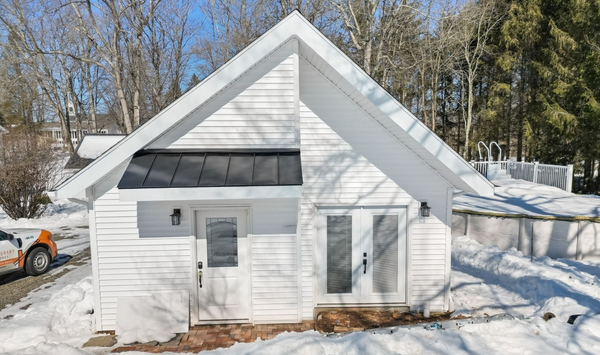
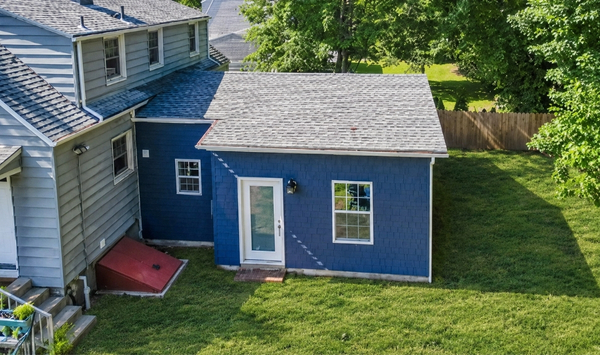
An attached ADU connects to the primary home. A detached ADU is a separate structure on the same property. Each can involve different considerations for privacy, placement, construction, utilities, access, and cost.
Design capability matters too.
If you are looking for a custom ADU, the builder should understand why you are building it.
A homeowner creating a private living space for an older parent may prioritize one-level living, privacy, easy circulation, and a separate entrance. Someone planning for future flexibility may want a layout that can serve family now and another purpose later.
The ADU should fit both the property and the reason you are building it.
Finally, look for transparency.
The builder should be willing to explain what the proposed scope includes, what may be separate, and which property conditions could affect the project later.
CTH's buyer research shows that cost distrust is stronger than simple price sensitivity. Homeowners are not only asking how much an ADU costs. They are asking what that number includes, what is excluded, and what could increase later.
A clear scope is therefore one of the most important things to look for when comparing builders.
What Should You Look for in a Custom ADU Builder?
Once you have identified potential ADU builders in Connecticut, compare them using the same questions.
This makes it easier to understand what each company actually provides.
Start With Property Feasibility
Ask the builder:
What's possible on my property?
This should come before selecting a final design.
The builder should consider where an ADU could realistically be placed and which site conditions need further investigation.
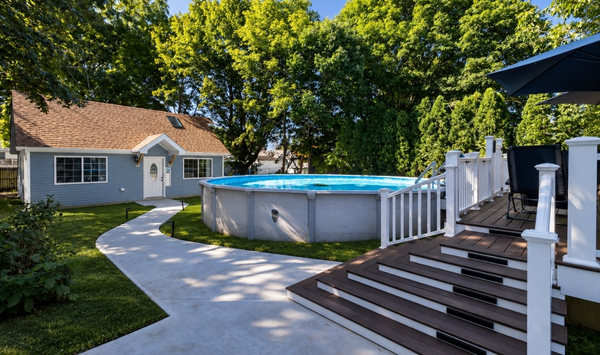
For a detached unit, this can be especially important. The location of the ADU may affect construction access, utility distance, privacy, site preparation, and the usable space remaining in the yard.
CTH's buyer intelligence identifies unclear property feasibility as the biggest conversion blocker among prospective customers. When homeowners do not know whether the project will work on their actual lot, they tend to pause.
Ask What the Price Includes
One of the most useful questions you can ask a builder is simple:
Does that include everything?
Do not assume two starting prices represent the same scope.
Ask whether the proposed price includes or accounts for:
Architectural design
Engineering when required
Permitting support
Permit fees
Site preparation
Foundation
Construction
Plumbing
Electrical
HVAC
Utility connections
Kitchen
Bathroom
Appliances
Interior finishes
Exterior finishes
Surveys
Septic-related work
Final inspections
Some of these items may depend on the property or project. The important thing is knowing that before you compare prices.
A clear explanation of inclusions and possible additional costs can help you understand the realistic custom ADU cost, rather than focusing only on an advertised starting number.
Compare Attached and Detached Options
Ask whether both attached and detached options have been considered.
You may begin the process thinking you want a detached backyard ADU. After reviewing the property, an attached option may deserve consideration.
The opposite can also happen.
A detached structure may provide more privacy and separation. An attached unit may work better with the available lot configuration.
The right answer depends on the property and your goals.
A good builder should explain the tradeoffs instead of forcing every homeowner into the same solution.
Review the Builder's Design Capabilities
Ask how much flexibility you have with the design.
Can the floor plan change?
Can the unit be designed for one-level living?
Can the kitchen, bathroom, bedroom, storage, windows, and entrances be adjusted?
Can the design respond to an unusual lot?
These questions are particularly important when building for a parent or another family member.
CTH's buyer research shows that buyers commonly ask for a "private small home on the property," "one level," "no steps," and a "separate entrance."
Those are practical needs, not simply design preferences.
Ask Who Handles Permits and Coordination
The ADU building process includes more than construction.
Ask who prepares the plans and coordinates permitting.
Find out what the builder handles directly and what responsibilities remain with you.
You should also understand how questions involving surveys, utilities, septic, and site conditions are addressed.
The more clearly responsibilities are defined, the easier it is to understand what happens next.
Review Completed ADU Projects
Ask to see completed projects.
Photos, floor plans, and project examples can help you evaluate design quality and construction experience.
They can also help you make decisions.
Many ADU projects involve more than one decision-maker. A spouse, parent, adult child, or co-owner may need to understand the project before the family moves forward.
Visual examples make the idea more concrete.
CTH's buyer research specifically identifies a lack of visuals as a conversion blocker and notes that prospective customers often ask for plans or photos they can share with a spouse or family member.
Want to know whether your property is a fit for a custom ADU? Schedule a consultation with Contemporary Tiny Homes to review property feasibility, attached and detached options, potential cost factors, and the next steps for your project.
How Much Does a Custom ADU Builder Cost and What Should You Expect?
There is no universal custom ADU cost in Connecticut.
Two projects with similar square footage can have different total costs.
The final investment can depend on the design, size, property, site conditions, foundation, utilities, septic or sewer, finishes, and level of customization.
That is why homeowners should compare complete project scopes rather than headline prices.
What Can Affect ADU Construction Cost?
The property itself can influence ADU construction cost.
A straightforward building area with convenient access and nearby utilities may involve a different scope from a sloped or constrained lot.
Utility distance can matter.
A detached ADU positioned far from existing water, sewer, or electrical connections may require more trenching and site work.
Septic can also be an important factor.
If the property uses a private septic system, additional investigation may be needed. Do not assume septic will create a major problem. But do not ignore it until late in the project either.
CTH's buyer research identifies septic uncertainty as one of the most emotionally significant cost concerns for prospective ADU buyers.
Surveys can affect the process too.
If you do not have a current survey, tell the builder early. Missing property documents repeatedly appear as a source of delay in CTH's buyer research.
Finish choices are another cost variable.
Cabinetry, countertops, flooring, appliances, fixtures, tile, lighting, windows, doors, and other selections can change the final investment.
A custom design may also involve features that are not part of a standard model.
The goal is not to avoid customization. It is to make design decisions with a clear understanding of the budget.
What Should You Expect Before Construction?
A professional process should begin before equipment arrives on the property.
You may move through several stages:
Initial consultation
Property and feasibility review
ADU option selection
Design development
Site planning
Permitting and approvals
Site preparation
Utility coordination
Construction
Inspections and completion
Ask the builder to explain these stages in plain language.
You should understand what information is needed from you, what decisions you will make, and what happens at each stage.
How Long Does It Take to Build a Custom ADU?
When asking about timeline, distinguish between construction time and the full project timeline.
The entire ADU process may include feasibility, design, permitting, site preparation, utility work, construction, inspections, and completion.
Permitting can add time before construction begins.
Site conditions can also affect the schedule.
The design itself may require more time if the project is highly customized or if the property presents unusual constraints.
Ask the builder for a realistic explanation of the complete process.
CTH's buyer research shows that homeowners want to know how long it takes to reach actual move-in, not simply how many weeks or months physical construction may take.
That distinction can help you plan around family moves, housing needs, financing, or other timing concerns.
Talk To An ADU Expert
What Mistakes Should You Avoid When Choosing a Custom ADU Builder?
Choosing an ADU contractor is easier when you know which warning signs and common mistakes to watch for.
Choosing Based Only on the Lowest Starting Price
A low price can get your attention.
It should not make the decision for you.
Ask what the price represents.
A higher quote may include work that another estimate leaves outside the initial number.
Compare scope before comparing totals.
Not Asking What Is Excluded
This is closely related to price.
Ask specifically about exclusions.
Site work, utility connections, surveys, permits, appliances, septic work, upgrades, and other items can affect the final investment.
You want to understand possible additional costs before construction begins.
Choosing a Floor Plan Before Checking the Property
Do not fall in love with a design before checking whether it fits the lot.
Start with property feasibility.
Then choose or customize a floor plan around what the property can support.
This can save time and reduce frustration later.
Ignoring Utilities and Septic
Ask early about water, sewer, electricity, utility trenching, and septic.
CTH's buyer research shows that buyers repeatedly ask, "What do folks usually do for utilities?" It also identifies utility distance and septic uncertainty as common concerns.
These questions belong near the beginning of the planning process.
Not Understanding Who Handles Permits
Do not assume permitting is automatically included.
Ask who prepares documents, submits applications, responds to questions, and coordinates required revisions.
You should know where the builder's responsibility begins and ends.
Failing to Review Previous Work
Look beyond renderings.
Review actual projects when possible.
Finished ADUs can help you understand the builder's design approach, construction quality, and experience with different types of projects.
Comparing Builders Without Comparing Services
Two companies can both call themselves custom ADU builders while providing very different services.
One may focus primarily on construction.
Another may provide a broader design-build process.
Understand exactly what you are comparing.
Not Asking What Happens After the Consultation
A consultation should have a purpose.
Ask what you will know afterward.
Will you better understand feasibility?
Will you discuss attached and detached options?
Will potential cost factors be identified?
Will you know what documents or property information are needed next?
CTH's buyer research identifies a vague next step as one of the reasons prospects delay moving forward. Buyers respond better when they understand what the consultation will accomplish.
Choose a Custom ADU Builder Who Starts With Your Property
Choosing among custom ADU builders in Connecticut should involve much more than comparing attractive floor plans and starting prices.
Start with your property.
Find out what may actually be possible before committing to a design.
Then evaluate the builder's experience with custom design, attached and detached ADUs, site planning, utilities, septic, permitting, construction, and project coordination.
Ask what the price includes.
Ask what it excludes.
Ask what could increase later.
Ask how long the complete process may take.
And ask what happens after the first consultation.
Those questions can help you compare builders based on the complete project rather than one number or one floor plan.
The goal is to choose a builder who can help you move from "Can I build this?" to a clear understanding of what your property can support, what the project may involve, and what the next step should be.
That is especially important if you are building for a parent, creating more privacy for family, planning for future flexibility, or looking for a better way to use property you already own.
Ready to find out what's possible on your property? Book a consultation with Contemporary Tiny Homes to review your Connecticut property, custom ADU options, feasibility, potential cost factors, and the next steps toward design and construction.


Copyright 2026. All rights reserved. Norwalk, CT
Connecticut's New Home Construction Contractor License: #NHC.0017654
EPA Lead-Safe Certified NAT-F269966-1